


 STFCN - Silk Natural Taffeta Chinese
















 Our textiles
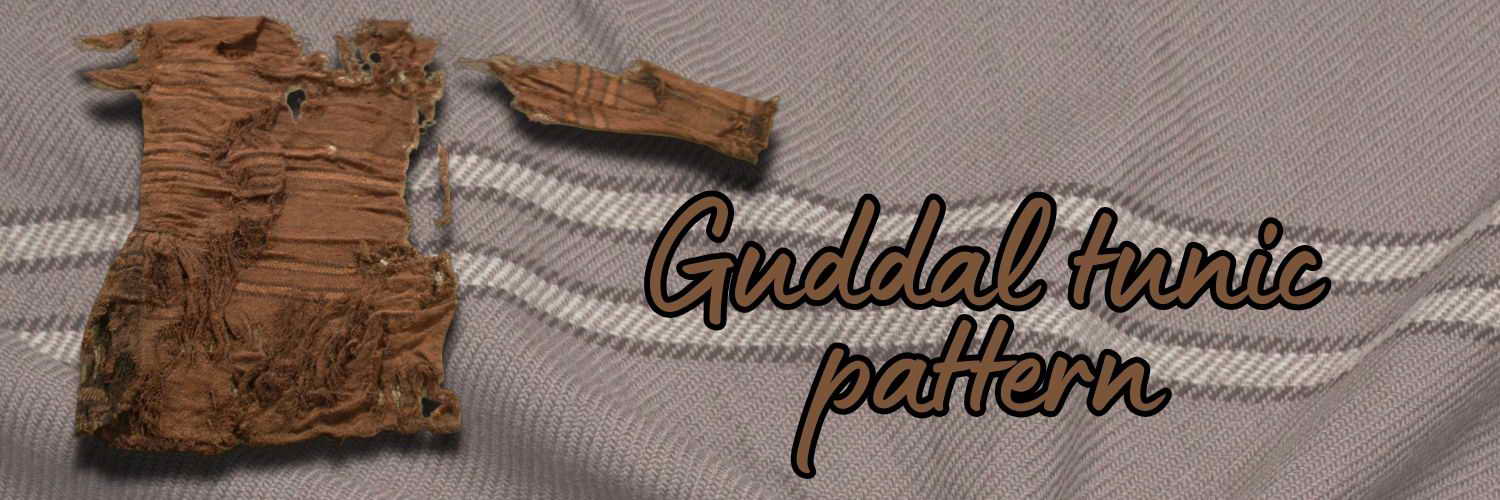
Today we will show you an unusual pattern for the Guddal tunic (BRM 31/1). This is a find that has attracted the attention of researchers and reenactors for years. It is a garment that stands out from others of its period, intriguing with its form, details, and construction techniques.
In this article, we will take a closer look at this fascinating tunic, analyze its cut, and present our modern interpretation. If you are interested in less obvious reconstructions and want to broaden your perspective on historical clothing, be sure to read on
The original find
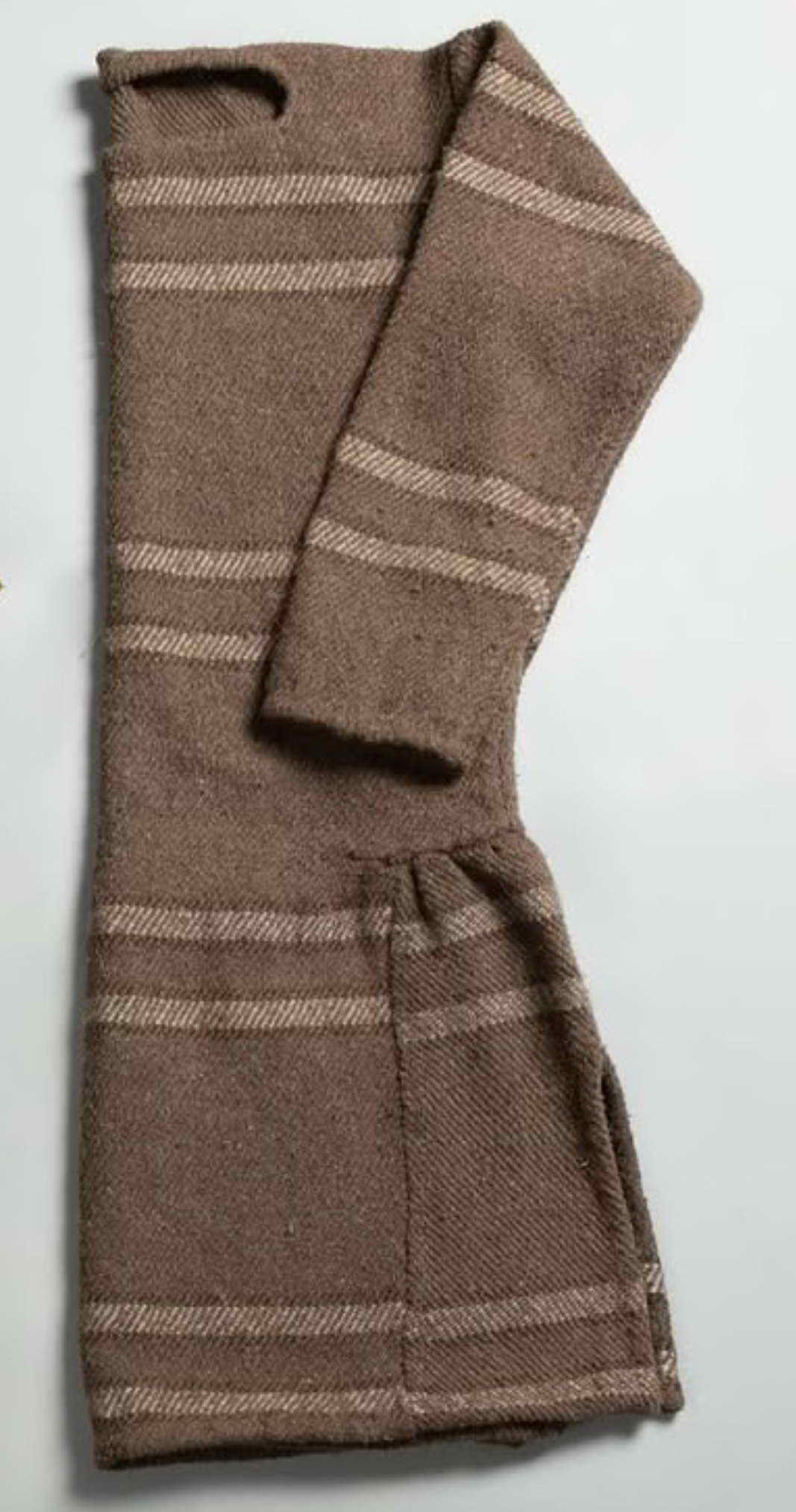
In 1970, during earthworks near the church in Guddal, a single burial was discovered. The boggy conditions of the area meant that the clothing was preserved in very good condition, expanding our knowledge of medieval fashion. During the excavation, exactly two tunics and a fragment of a blanket were found.
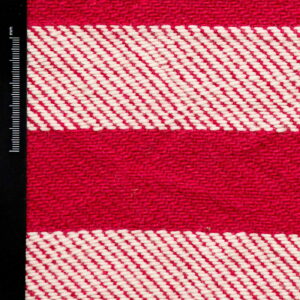
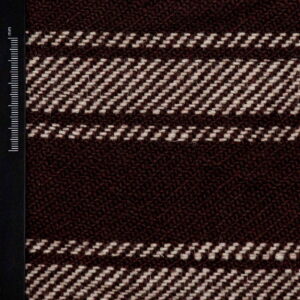
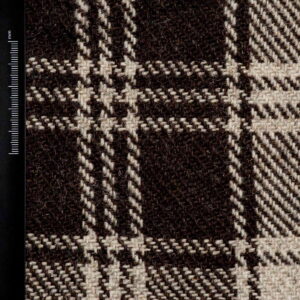
Importantly, one of the tunics and the blanket are made of wool in striped patterns, in various shades of brown. Fiber analysis showed that the wool was undyed, and that yarns of naturally different shades were used instead. The fabric itself is woven in a 2/2 twill with a visible rib and has approximately 8 warp threads and 5 weft threads per centimeter. Researchers therefore emphasize that this was most likely the clothing of a person of lower social status, especially as it had quite a number of sewn-on patches.
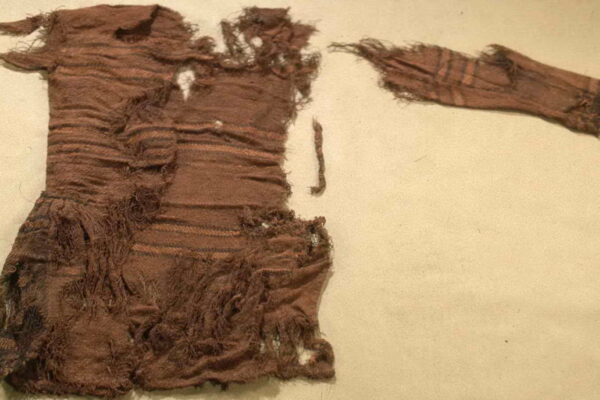
Guddal tunic BRM 31/1, Guddal i Sogn og fjordane. Bergen museum, fotograf: Ann-Mari Olsen. C_3447.
Fabrics from Guddal and Skjoldehamn
Fabrics from Guddal and Skjoldehamn



Dating the Guddal tunic
The tunic was originally dated to the 13th–14th century, mainly based on similarities between the striped fabric and textiles from Oslo and Tønsberg from that period. Later, several attempts were made to date the tunic using laboratory methods.
However, in 1992, due to contamination of the samples with textile conservation materials, it was only possible to determine that they were not older than 990–1160 AD, though they could be younger.
In 2005–2006, another radiocarbon dating attempt was carried out, yielding results of 1005–1025 AD (for the striped tunic BRM 31/1) and 1035–1165 AD (for the tunic with a standing collar, BRM 31/2). It is now accepted that both date to the 11th century.
Guddal tunic - pattern
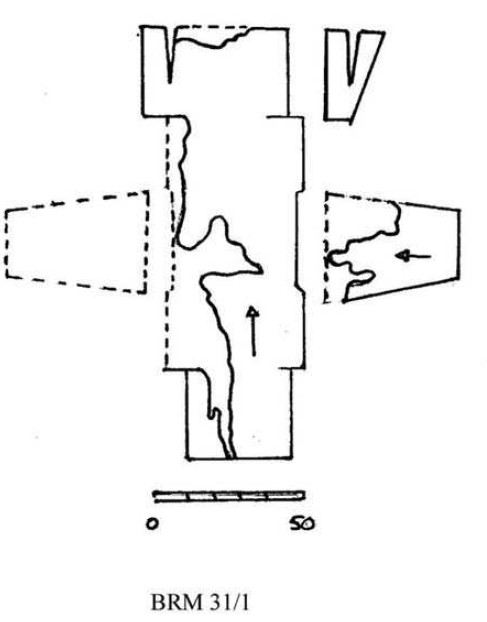
Pattern for Guddal tunic from Marianne Vedeler, Klær og formspråk i norsk middelalder, Kulturhistorisk museum, Universitetet i Oslo 2006
What distinguishes the Guddal tunic is its cut. It is similar to the Skjoldehamn shirt in that it has a rectangular body construction (without a shoulder seam), lacks gores at the front and back, and reaches mid-thigh length. And that is where the similarities end.
In the Guddal tunic, there is only one side gore (on the right side). On the left, however, there is an extension of the lower back part of the pattern, which is brought forward, creating the equivalent of a gore. As a result, both sides are evenly gathered at the hips. To increase the hip circumference and allow greater freedom of movement on both sides, slits approximately 20 cm long were placed beneath the gathers.
The sleeves are classic trapezoidal sleeves, tapering toward the wrists. Due to the incomplete preservation of the sleeves, it is uncertain whether underarm gussets were present; however, it is generally assumed that they were not.
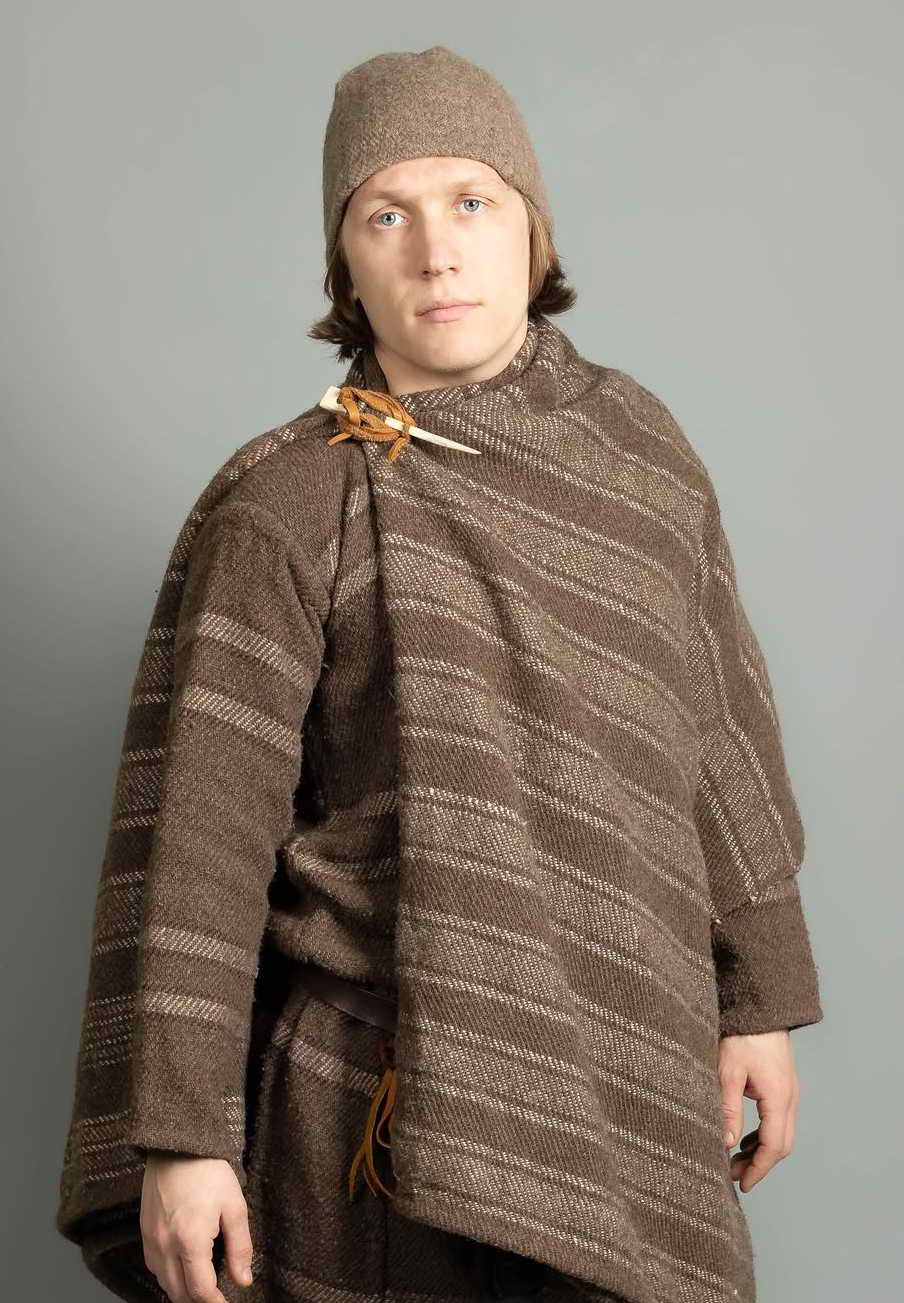
Reconstruction of the Guddal tunic by Old Craft
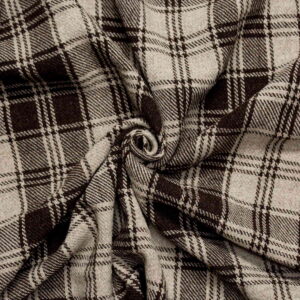
At WoolSome, our WCHT wool collection includes patterns from wools found in Guddal. Mikhail Starikov of the Old Craft factory undertook the reconstruction of the tunic from this wool. As you can see in the photos, the tunic looks almost like the original, which is incredibly important for those who value authenticity in historical reenactment. Furthermore, our wool is made (like the find) in a 2/2 twill weave and has 6-7 threads per cm.