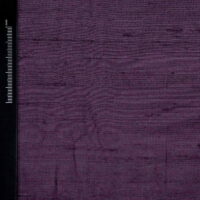
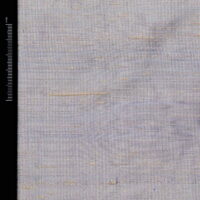
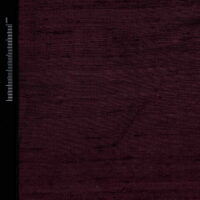
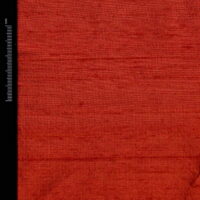
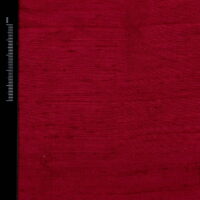
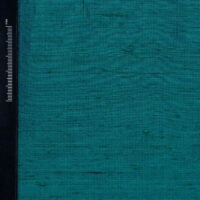
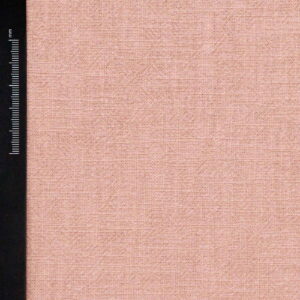
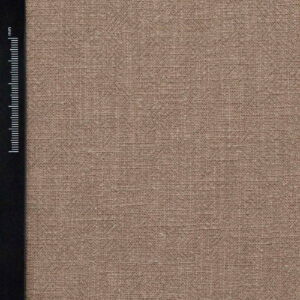
In this article, you will find a clear and simple comparison of three popular silk fabrics: Chinese taffeta, Indian taffeta, and dupioni silk. You will explore their properties, appearance, history, and uses in sewing and historical reconstructions. Thanks to the comparison table, you can easily choose the right silk for your project.
Silk fabrics – differences between chinese taffeta, indian taffeta, and dupioni
Silk has been associated with luxury, elegance, and exceptional durability for centuries. Chinese taffeta, Indian taffeta, and dupioni silk are three distinct types of silk, differing significantly in texture, shine, stiffness, and applications.
Comparing silk fabrics like taffeta and dupioni can be challenging because Chinese taffeta is lighter and more delicate, Indian taffeta is stiffer, glossier, and more elegant, while dupioni silk stands out with its raw, irregular texture and characteristic slubs. Choosing the right type of silk fabric can be difficult, especially since each has unique properties and uses.
History of silk – from myth to craft
Although the mulberry tree, essential for silkworms, grows throughout East and South Asia, the art of obtaining unbroken silk threads was primarily mastered by the Chinese for centuries.
Legend attributes the discovery of silk spinning to the empress Leizu wife of Emperor Huang-ti (c. 2698 BCE). She reportedly noticed that a cocoon that fell into her teapot could be easily unraveled, yielding an exceptionally strong thread. This marked the beginning of silk fabric history, which became so important in China that from the 3rd century BCE until the 13th century CE, it was even used to pay taxes.
Silk in Europe – which came first, dupioni or taffeta?
Archaeological evidence, including fabric finds, shows that silk was largely unknown outside China, even among Persians or Phoenicians, who had advanced civilizations and trade networks. It wasn’t until the 4th century BCE that Aristotle mentioned women of his time learning to spin silk threads from broken silkworm cocoons, both mulberry and other species, thanks to Pamphilia from the island of Kos.
This silk, known as bombycina, was spun like wool—first combed and carded, then spun. These fabrics were extremely delicate, almost translucent like muslin. Such fabrics existed in Europe until the beginnings of silk production in Byzantium, even though silk imported from China appeared in the Mediterranean by the late 1st century BCE.
How did silk reach Europe?
It was not until the 6th century CE that two monks visited Emperor Justinian, claiming they had witnessed silk thread production and could smuggle silkworm eggs for him. In 552 CE, they succeeded in bringing silkworm eggs, the export of which from China was punishable by death. However, silk production in Europe only spread more broadly in the 12th century.
How silk is made?
Silk production is a lengthy and skilled process, which is why silk fabrics are expensive. Silk fibers come from silkworm cocoons. Larvae are raised on specialized farms, feeding on leaves of various trees. Notable silkworm species include the mulberry silkworm (Bombyx mori) and the oak silkworm (Atheraea pernyi). Larvae mature in about 4–6 weeks and spin cocoons from strong, fine fibers. After two weeks, the cocoons are harvested and:
- Heat-treated,
- Soaked to dissolve sericin,
- Reeled and spun,
- Cleaned and prepared for weaving.
The refined, shiny thread is sent to the loom to create different types of silk fabrics, including dupioni, Chinese taffeta, and Indian taffeta.
Basic types of silk fabrics
Silk comes in several varieties, so comparing silk fabrics requires context. The most basic and oldest type is taffeta, a plain-weave silk. A special type of plain-weave silk is dupioni, made from naturally joined silkworm cocoons, giving it characteristic slubs.
Fabrics with a twill weave include satin, which has long warp floats (e.g., 4:1), making it softer, drapier, and reversible. Satin with weft under warp is matte, while satin with weft over warp is shinier.
A unique silk type is brocade, woven with patterns often including gold or silver threads, historically a luxury reserved for the wealthiest.
Dupioni silk – features, properties, and uses
Dupioni silk has a raw, natural texture with visible slubs and irregularities, caused by a single thread in the warp and double threads in the weft from naturally fused cocoons. Dupioni is relatively stiff, lightly lustrous, and holds its shape well, making it ideal for historical costumes, suits, and wedding dresses.
Its rough texture adds depth, accentuating folds and structured designs. Its organic irregularities give it a handcrafted charm. Dupioni drapes less fluidly than other silks, but is breathable and comfortable. Often mistaken as inferior, it is a high-quality fabric with unique character.
Key features of dupioni:
- Plain weave with single warp and double weft,
- Organic irregularities,
- Medium sheen,
- High stiffness and wrinkle resistance,
- Breathable, natural structure.
Uses: Historical costumes, wedding dresses, corsets, tailored jackets, projects needing structured fabric.
Chinese taffeta – properties and uses
Properties of Chinese taffeta:
- Softer and more delicate than Indian taffeta,
- Loose weave,
- Subtle sheen,
- Less stiff,
- More prone to wrinkling,
- Occasional natural slubs.
Uses: Ruffles, drapery, flowing dresses, romantic styles, and projects requiring lightness.
Chinese taffeta is a smooth, lightweight silk with a fine, delicate texture. Its plain weave gives it a subtle sheen and a soft, pliable drape, ideal for flowing garments and elegant designs. Small natural slubs may appear, adding a touch of charm and visual interest.
Its lightness and suppleness allow for graceful folds and fluid movement. While more prone to wrinkling than stiffer silks, Chinese taffeta remains breathable and comfortable. Often overlooked, it is a high-quality silk with refined character and understated elegance.
Indian Taffeta – characteristics and uses
Indian taffeta is a smooth, tightly woven mulberry silk with a lustrous surface and a characteristic rustling sound. Its uniform threads create a perfectly consistent texture, often in two-tone weaves where the warp and weft differ in color, producing subtle, dynamic color shifts.
Relatively resistant to wrinkling, Indian taffeta holds its shape well, making it ideal for eveningwear, structured garments, and projects requiring elegant form. Its crisp texture accentuates folds and tailored designs, while its light sheen adds sophistication. Often admired for its durability and visual impact, it is a high-quality silk with refined, distinctive character.
Features of Indian taffeta:
- Very dense, uniform weave,
- Intense, elegant sheen,
- Pronounced stiffness,
- Less prone to wrinkling than Chinese taffeta,
- Rustling effect when moved.
Uses: Evening gowns, ball gowns, elegant skirts, and projects requiring structure and luxurious finish.
Comparison: Dupioni silk, Chinese taffeta, and Indian taffeta
All three silk fabrics are of exceptional quality and appearance, yet their differences are apparent at first glance. The table below provides a detailed comparison of the characteristics of dupion and silk taffeta.
| Feature | Dupioni silk | Indian taffeta | Chinese taffeta |
|---|---|---|---|
| Texture | Raw, slubbed | Dense weave, rustling | Looser weave, delicate |
| Sheen | Medium, irregular | Intense | Subtle |
| Stiffness | Stiff | Very stiff | Less stiff |
| Wrinkle Resistance | High | High | Medium |
| Uses | Historical costumes, suits, wedding dresses | Eveningwear, elegant garments | Ruffles, drapery, light dresses |
How to choose the right silk fabric?
Choose dupioni silk if you:
- Sew suits, corsets, or contemporary clothing,
- Need structure,
- Appreciate natural irregularities.
Choose Indian taffeta if you:
- Make evening or ball gowns,
- Sew historical garments (especially Renaissance),
- Want intense shine and stiffness,
- Desire a luxurious effect.
Choose Chinese taffeta if you:
- Need lightness and flowing drape,
- Want ideal fabric for drapery,
- Make delicate dresses or historical everyday wear.
Conclusion
Chinese taffeta, Indian taffeta, and dupioni silk are three exceptional silk fabrics with distinct properties. The choice depends on the project style, desired effect, and fabric structure. Whichever silk you choose, each adds elegance and unique character to your creation.