


 STFCN - Silk Natural Taffeta Chinese
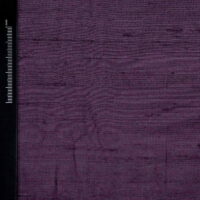
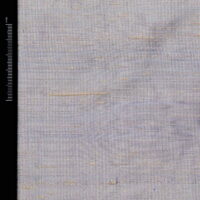
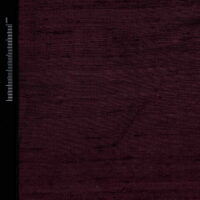
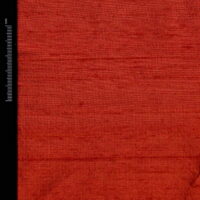
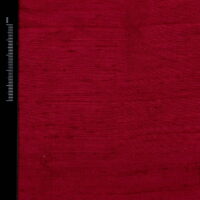
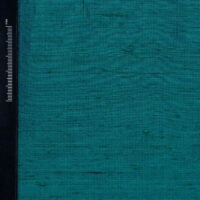

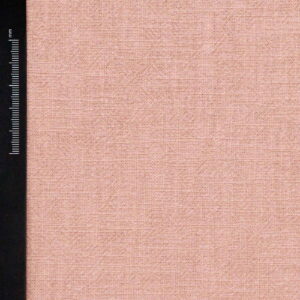
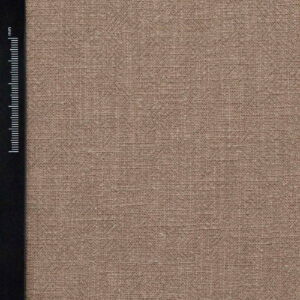
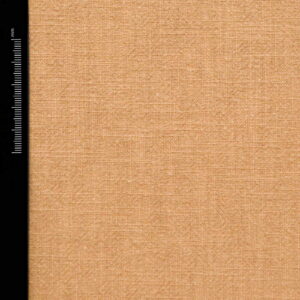
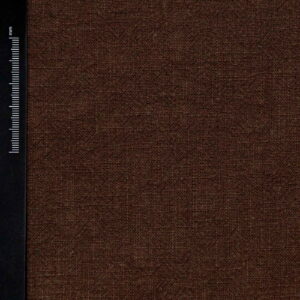
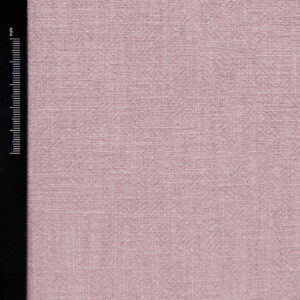












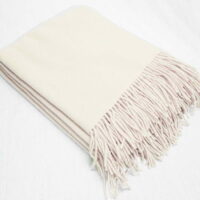
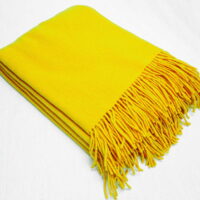
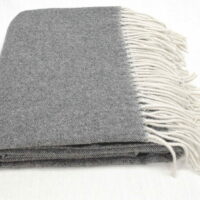
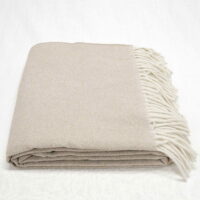




 Our textiles
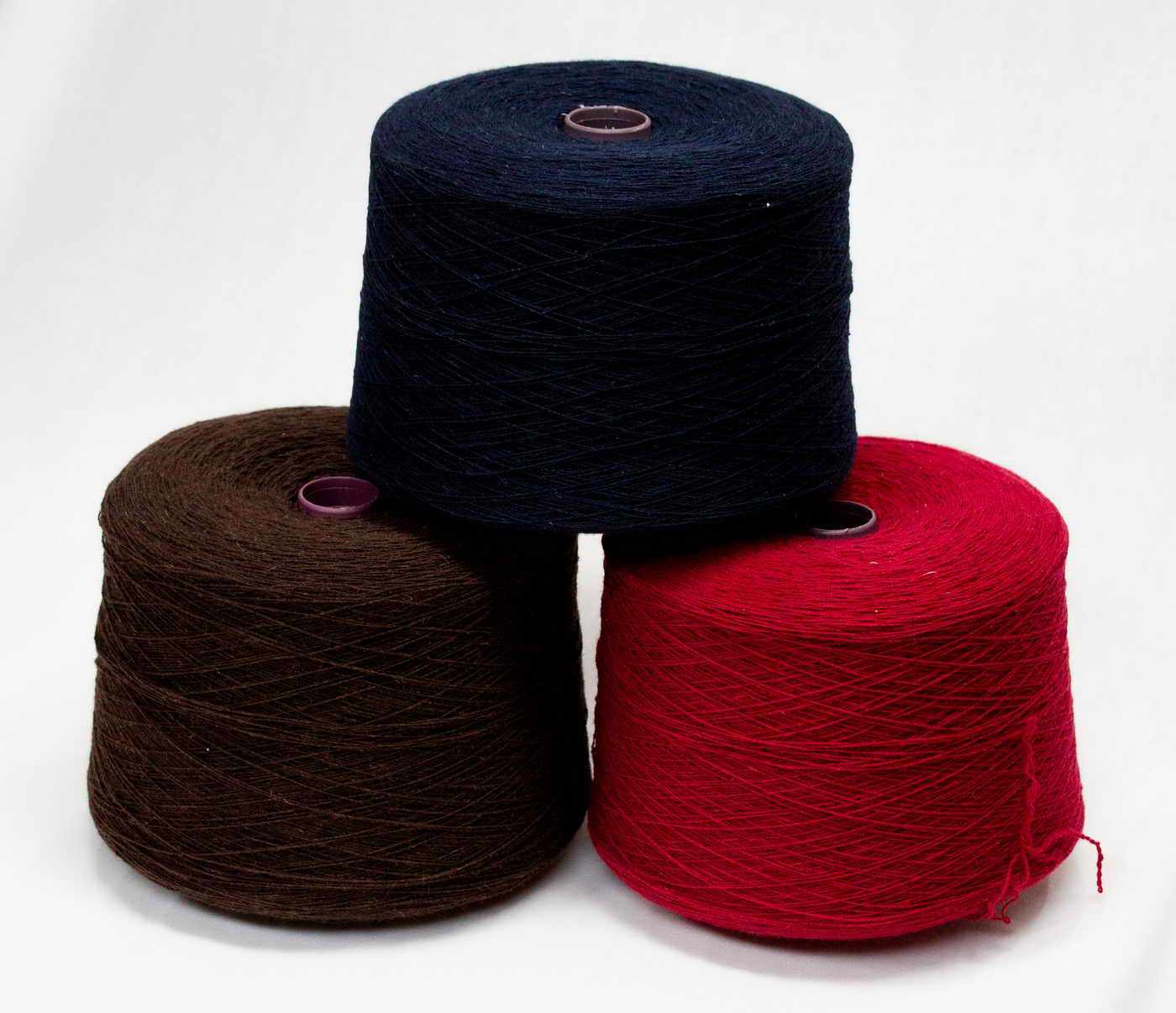
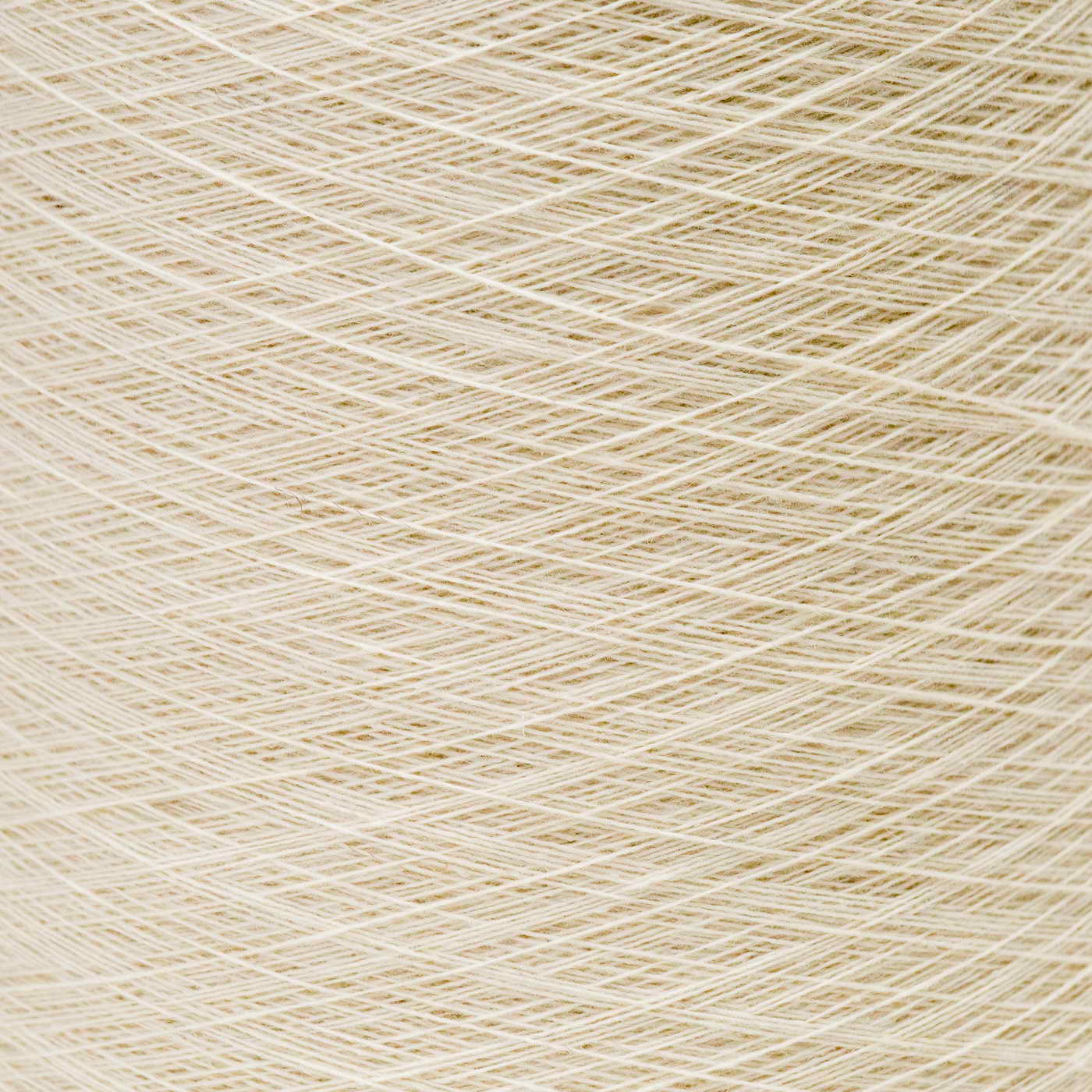
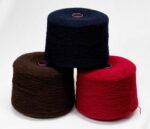
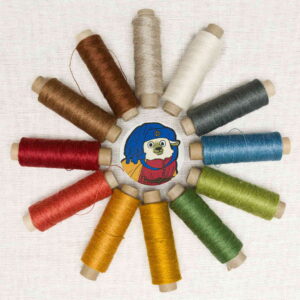
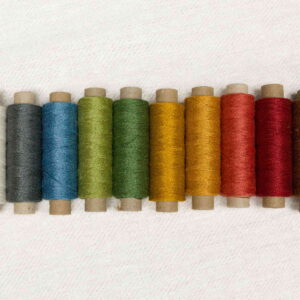
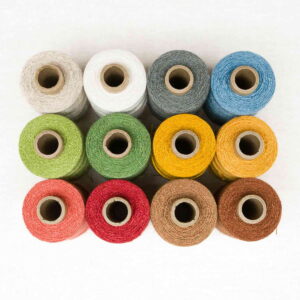
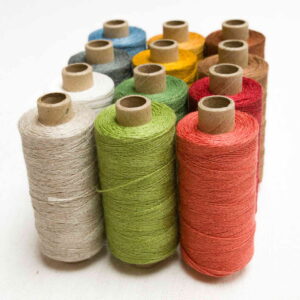
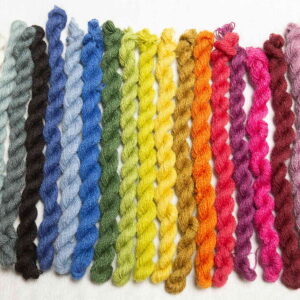
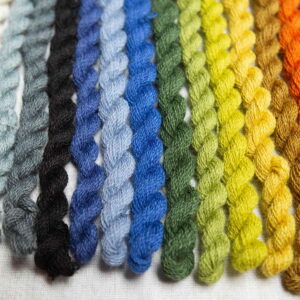
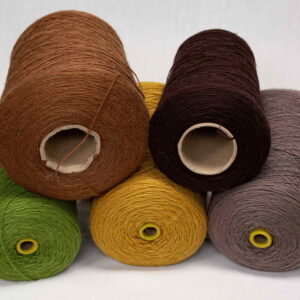
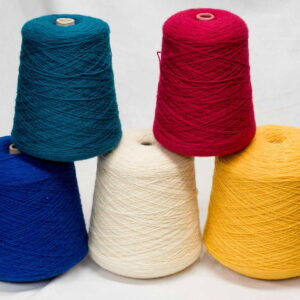


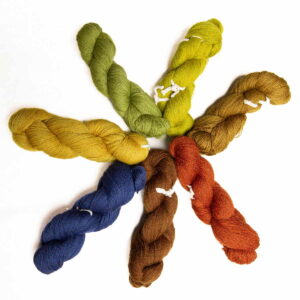


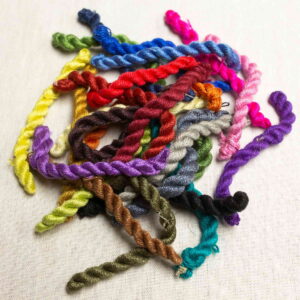
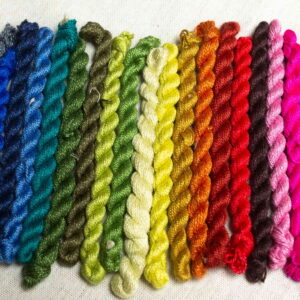
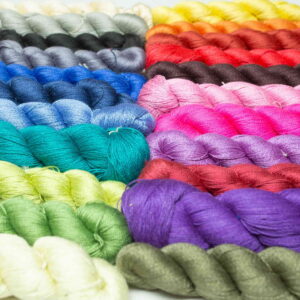
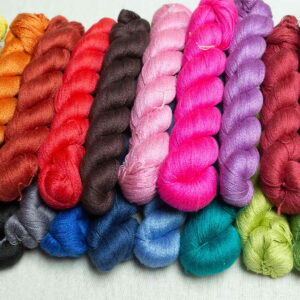
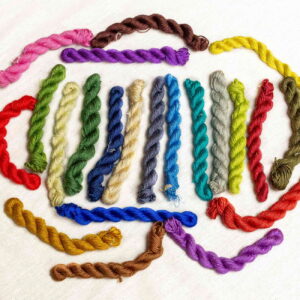

Z-twist yarn is a type of yarn in which the fibers are twisted in a counterclockwise direction, resulting in a fiber alignment that resembles the diagonal stroke of the letter “Z” — running from the lower left to the upper right. The direction of the twist plays a key role in how the yarn behaves during use, affecting its durability as well as its tactile qualities.
S-twist yarn has a twist that slopes in the opposite direction, following the diagonal line of the letter “S.” While the difference may seem subtle, it is significant in practice: the two twist directions respond differently to handling, knitting, or weaving, and they also settle differently in the finished textile.
Above all, it is defined by an even, stable twist that holds the fibers together effectively. As a result, the yarn is soft yet strong, resistant to breaking, elastic, and pleasant to work with — especially in weaving techniques. The Z twist influences the softness and “hand” of wool yarn by helping preserve the natural resilience of the fibers. The yarn feels soft to the touch, sits comfortably in the hand, and does not feel stiff or scratchy. At the same time, the appropriate twist increases resistance to breakage, allowing the yarn to withstand intensive work and regular use.
Single-ply yarn is made from a single strand of fibers rather than multiple plies twisted together. Because of its structure, it retains natural softness and elasticity, which is why single-ply yarn is best suited for weaving, especially when lightness and flexibility of the finished fabric are desired.
Fine wool yarn works particularly well for weaving scarves and shawls, where delicacy, a soft hand, and a subtle fabric structure are important. Such textiles are comfortable to wear, drape well, and retain the natural properties of wool, including warmth and breathability.
It is important, however, to consider the different roles yarn plays within a textile. In the case of medieval tablet weaving, 2-plied yarn was used primarily for the warp, as it better withstands high tension. Single-ply yarn was more commonly used for the weft, where it is subjected to less stress and can fully express its softness.
Thanks to an appropriate twist and good fiber quality, strong wool yarn is also suitable for sewing and embroidery. It performs well in handwork, historical reconstructions, and textile finishing, where both durability and a natural appearance are essential.
Our yarn is already prepared for warp making, so you can begin warping right away. To do so:
- Determine the length and width of the warp: Plan the number of warp threads and the total warp length, allowing extra length for tying on, losses during threading, and for weaving a sample.
- Prepare the yarn for warping: Make sure the yarn is evenly wound and unwinds freely. Yarn intended for warp should feed smoothly, without jerking or excessive twisting.
- Wind the warp while maintaining the warp cross: During warping, create a warp cross by intentionally crossing the threads to preserve their order. This step is essential for later stages of work and prevents the threads from becoming tangled.
- Control tension during warping: Guide the threads with even, moderate tension. Single-ply wool yarn performs best when handled calmly and evenly, without sudden changes in tension.
- Secure the warp cross: Once warping is complete, insert sticks or slats at the point of the warp cross and tie them in place to preserve the order of the threads until the warp is threaded onto the loom.
- Tie the warp in several places: Loosely tie the warp at several points along its length to prevent shifting or twisting during transport.
- Check the warp before putting it on the loom: Make sure the threads are not tangled and that the warp cross is clear and stable. At this stage, any mistakes can be easily corrected.
- Prepare the warp for transfer to the loom: The warp is ready when all threads are even, secured, and remain in proper order—regardless of the type of loom on which it will be used.
Merino wool is one of the most highly valued types of sheep’s wool, renowned for its exceptional comfort and versatility. Its unique properties make it a popular choice for both clothing and textile crafts.
Exceptional softness: Merino wool has very fine fibers, making it gentle to the touch and non-itchy. It can be worn directly against the skin, even by people with sensitive skin.
Excellent thermoregulation: Merino wool keeps you warm in cold conditions while effectively releasing excess heat and moisture, helping to prevent overheating.
Breathability and moisture absorption: Merino fibers can absorb moisture (up to around 30% of their own weight) without feeling wet, which greatly enhances comfort during wear and use.
Odor resistance: Thanks to its natural antibacterial properties, merino wool absorbs odors more slowly and stays fresh for longer.
Natural and eco-friendly: It is a natural, renewable, and biodegradable fiber, making it an environmentally friendly choice.