


 STFCN - Silk Natural Taffeta Chinese













 Our textiles

This article explains how to prepare linen for sewing, as this fully natural fabric requires proper treatment. Thanks to its qualities—such as breathability and durability—linen has been an excellent choice for everyday clothing for centuries. Historically, it was selected for underwear because it allowed for frequent and quite aggressive washing to maintain cleanliness.
Why does linen require preparation before sewing?
Linen is a plant fibre, so it “reacts” to water and temperature. Linen contains cellulose fibres that stretch during the preparation for spinning and later weaving. When the finished fabric is exposed to high temperatures and water, these fibres tend to return to their original state, causing the fabric to shrink.
During processing, linen is also coated with starch. This stiffens the yarn and protects it from excessive abrasion. However, the finished fabric becomes stiff and unpleasant to the touch, which is why washing linen before sewing also helps remove the starch and soften the material.
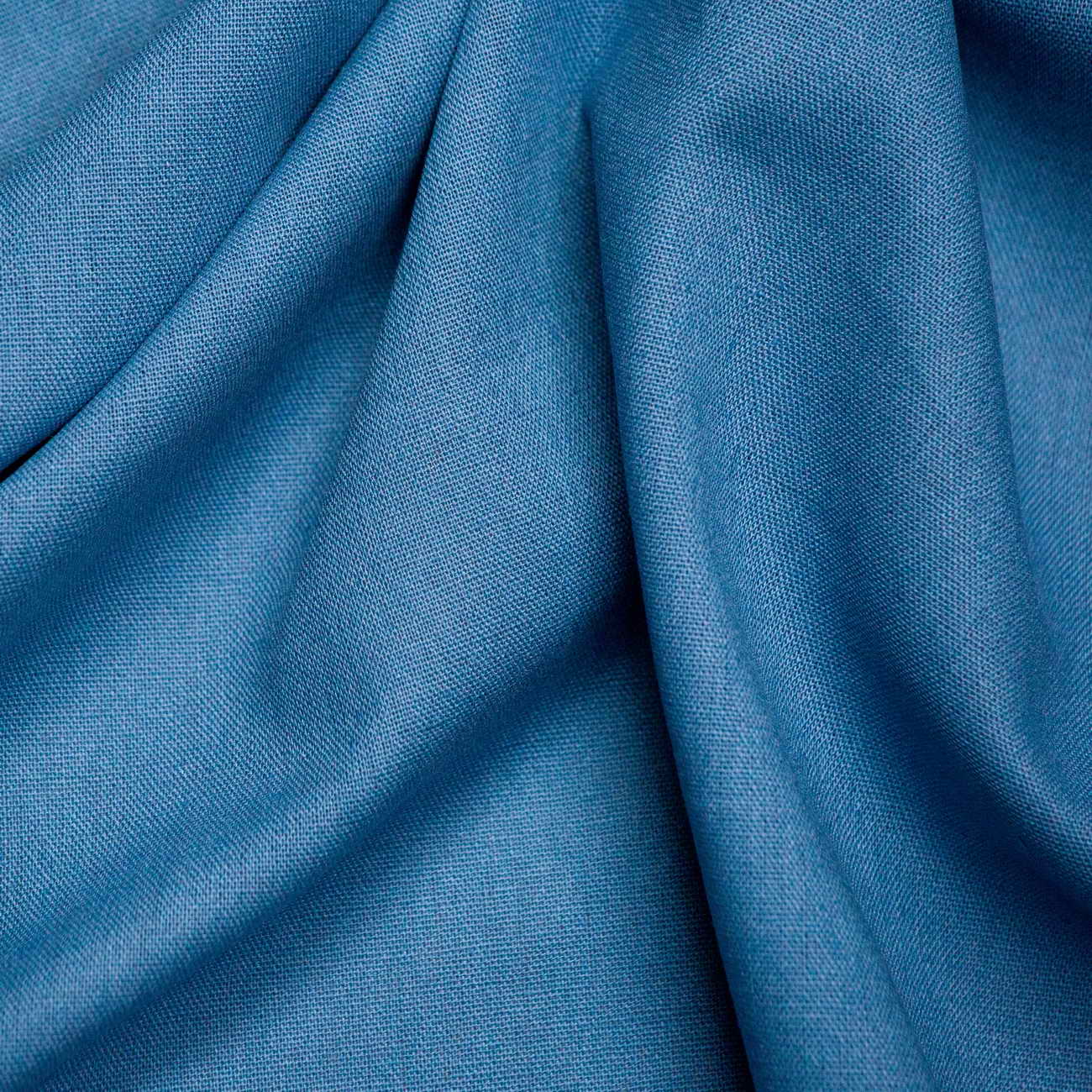
How to wash linen before sewing: what is linen decatizing?
Decatizing linen is the process of deliberately shrinking and stabilising the fabric before sewing by exposing it to hot and cold water as well as steam. How to decatize fabric at home? Using a washing machine.
A washing machine makes it easy to decatize even large cuts of linen. Hand-washing is possible, but inconvenient—especially at high temperatures. Linen is decatized at high heat.
- For natural (undyed) linens, washing at 60°C or even 90°C is recommended. Linen is naturally durable and was historically even boiled to remove all impurities.
- Dyed linens—especially plant-dyed ones—should be washed at no more than 40°C since high temperatures may cause fading.
Sunlight has a similar effect on linen. Hanging wet linen in full sun will gradually bleach it. This is completely normal and was historically used to lighten linen fabrics before dyeing. However, dyed linen should be dried in the shade to minimise fading.
Steam decatizing: how to iron linen fabrics?
Linen creases and deforms very easily. Over time, as the fabric softens, this becomes less noticeable. Before sewing, however, wrinkling may cause problems because any crease can affect how the fabric aligns with the pattern pieces. Therefore, ironing linen before sewing is recommended.
How to iron linen effectively? Hot and damp. Linen fabrics do not release wrinkles easily, so they should be ironed:
- at the highest possible temperature;
- slightly damp or with plenty of steam;
- on the wrong side.
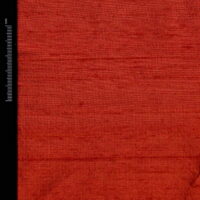
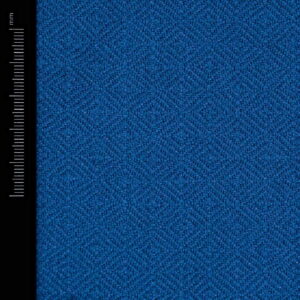
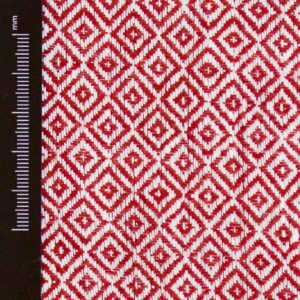
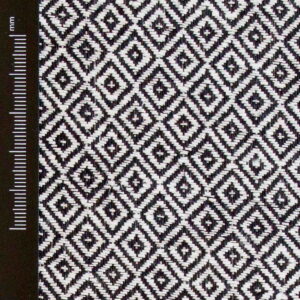
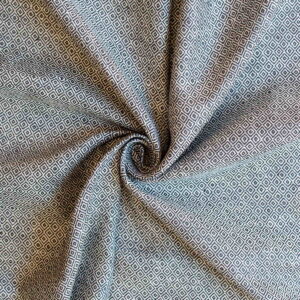
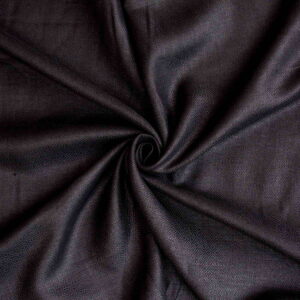
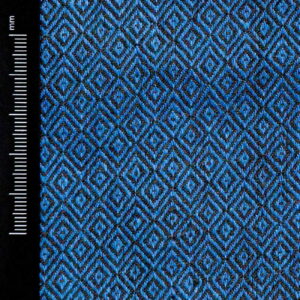
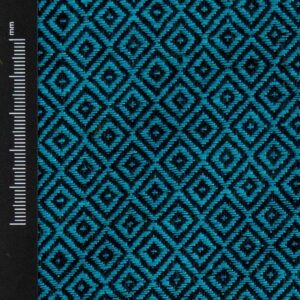
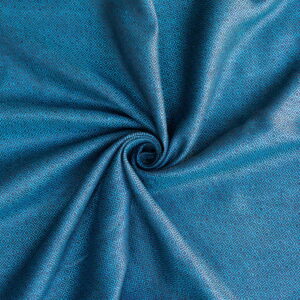
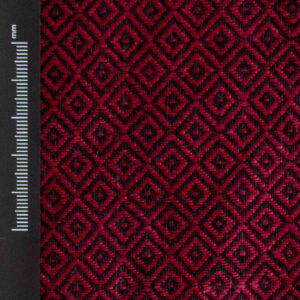
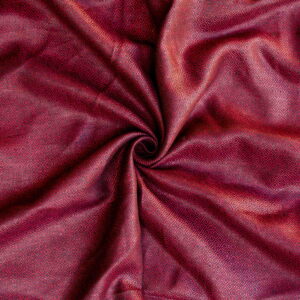
Ironing relaxes the shrunken fibres, smoothing the fabric and restoring its shape, but it may also produce a slight sheen (similar to silk fabrics—visible in our diamond-weave linen collection). Remember that linen becomes somewhat stiffer after ironing.
Shining linen diamonds
Shining linen diamonds







How to store linen after preparation
Linen wrinkles easily, so if you cannot sew immediately after preparation, proper storage is important. The easiest method is to roll the fabric instead of folding it, as folds may leave permanent creases. Linen should also be stored in dry, airy places—ideally rolled on a table or hung on a hanger.
Does stonewashed linen need to be washed before sewing?
Stonewashed linen is pre-softened. The name comes from a historical method of softening by rubbing the fabric against river stones. Today this effect is achieved with specialised washing processes.
So, does stonewashed linen need to be washed before sewing? No. It does not shrink and is already softened. However, steam decatizing—ironing with plenty of steam—is recommended.
Delicate stonewashed linen in our store

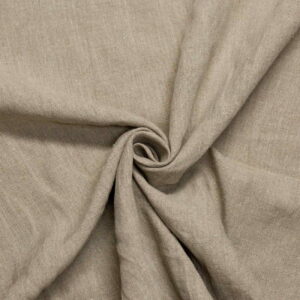
Linen THICK Stonewashed – Natural – LPU 01/01
| Width +/- 2cm |
55", 140 cm |
|---|---|
| Grammage Note1: OZ - stands for Ounces per Square Yard. Note2: We are showing grammage as per 1 square meter (GSM). While you may be used to gramms per linear (running) meter from other shops (GLM). |
12oz, 415 g/m2 |
| Thread count TPI - stands for Threads Per square Inch, so it counts warp ends and weft picks altogether. If inch is not familiar for you, we are showing also how many threads (warp/weft) are present per 1 cm |
50 TPI, 10/10 threads per cm |
| Colour We have divided the palette into 11 basic colours. So this attribute is telling about the general, closest colour. For example BLUE : will include all different blue, navy and turquoise shades. This helps while filtering the shop searching for the fabric shade you desire. |
Beige ,Grey |
| Weave |
Plain weave |
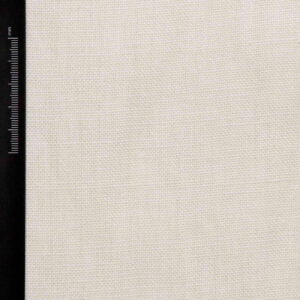

Linen THICK Stonewashed – Snow White – LPU 03/01
| Width +/- 2cm |
55", 140 cm |
|---|---|
| Grammage Note1: OZ - stands for Ounces per Square Yard. Note2: We are showing grammage as per 1 square meter (GSM). While you may be used to gramms per linear (running) meter from other shops (GLM). |
12oz, 415 g/m2 |
| Thread count TPI - stands for Threads Per square Inch, so it counts warp ends and weft picks altogether. If inch is not familiar for you, we are showing also how many threads (warp/weft) are present per 1 cm |
50 TPI, 10/10 threads per cm |
| Colour We have divided the palette into 11 basic colours. So this attribute is telling about the general, closest colour. For example BLUE : will include all different blue, navy and turquoise shades. This helps while filtering the shop searching for the fabric shade you desire. |
White |
| Weave |
Plain weave |

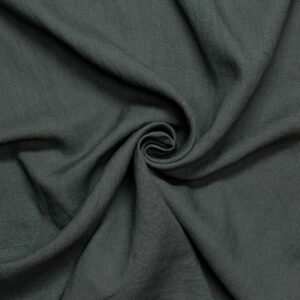
Linen THICK Stonewashed – Dark Grey – LPU 06/01
| Width +/- 2cm |
55", 140 cm |
|---|---|
| Grammage Note1: OZ - stands for Ounces per Square Yard. Note2: We are showing grammage as per 1 square meter (GSM). While you may be used to gramms per linear (running) meter from other shops (GLM). |
12oz, 415 g/m2 |
| Thread count TPI - stands for Threads Per square Inch, so it counts warp ends and weft picks altogether. If inch is not familiar for you, we are showing also how many threads (warp/weft) are present per 1 cm |
50 TPI, 10/10 threads per cm |
| Colour We have divided the palette into 11 basic colours. So this attribute is telling about the general, closest colour. For example BLUE : will include all different blue, navy and turquoise shades. This helps while filtering the shop searching for the fabric shade you desire. |
Grey |
| Weave |
Plain weave |


Linen THICK Stonewashed – Steel Blue – LPU 13/01
| Width +/- 2cm |
55", 140 cm |
|---|---|
| Grammage Note1: OZ - stands for Ounces per Square Yard. Note2: We are showing grammage as per 1 square meter (GSM). While you may be used to gramms per linear (running) meter from other shops (GLM). |
12oz, 415 g/m2 |
| Thread count TPI - stands for Threads Per square Inch, so it counts warp ends and weft picks altogether. If inch is not familiar for you, we are showing also how many threads (warp/weft) are present per 1 cm |
50 TPI, 10/10 threads per cm |
| Colour We have divided the palette into 11 basic colours. So this attribute is telling about the general, closest colour. For example BLUE : will include all different blue, navy and turquoise shades. This helps while filtering the shop searching for the fabric shade you desire. |
Blue ,Grey |
| Weave |
Plain weave |
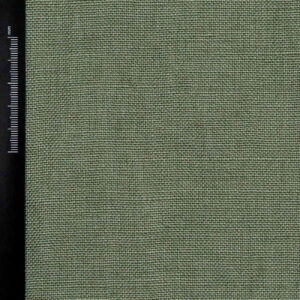

Linen THICK Stonewashed – Green Grey – LPU 25/01
| Width +/- 2cm |
55", 140 cm |
|---|---|
| Grammage Note1: OZ - stands for Ounces per Square Yard. Note2: We are showing grammage as per 1 square meter (GSM). While you may be used to gramms per linear (running) meter from other shops (GLM). |
12oz, 415 g/m2 |
| Thread count TPI - stands for Threads Per square Inch, so it counts warp ends and weft picks altogether. If inch is not familiar for you, we are showing also how many threads (warp/weft) are present per 1 cm |
50 TPI, 10/10 threads per cm |
| Colour We have divided the palette into 11 basic colours. So this attribute is telling about the general, closest colour. For example BLUE : will include all different blue, navy and turquoise shades. This helps while filtering the shop searching for the fabric shade you desire. |
Green |
| Weave |
Plain weave |

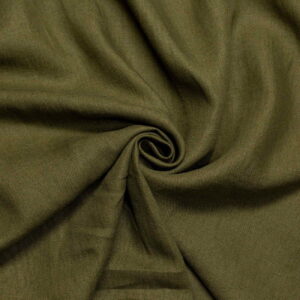
Linen THICK Stonewashed – Dark Olive – LPU 31/02
| Width +/- 2cm |
55", 140 cm |
|---|---|
| Grammage Note1: OZ - stands for Ounces per Square Yard. Note2: We are showing grammage as per 1 square meter (GSM). While you may be used to gramms per linear (running) meter from other shops (GLM). |
12oz, 415 g/m2 |
| Thread count TPI - stands for Threads Per square Inch, so it counts warp ends and weft picks altogether. If inch is not familiar for you, we are showing also how many threads (warp/weft) are present per 1 cm |
50 TPI, 10/10 threads per cm |
| Colour We have divided the palette into 11 basic colours. So this attribute is telling about the general, closest colour. For example BLUE : will include all different blue, navy and turquoise shades. This helps while filtering the shop searching for the fabric shade you desire. |
Green |
| Weave |
Plain weave |
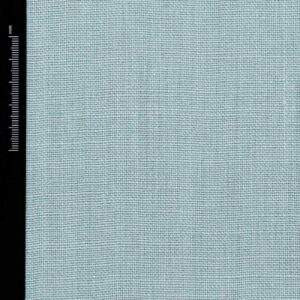

Linen THICK Stonewashed – Light Ice Mint – LPU 36/01
| Width +/- 2cm |
55", 140 cm |
|---|---|
| Grammage Note1: OZ - stands for Ounces per Square Yard. Note2: We are showing grammage as per 1 square meter (GSM). While you may be used to gramms per linear (running) meter from other shops (GLM). |
12oz, 415 g/m2 |
| Thread count TPI - stands for Threads Per square Inch, so it counts warp ends and weft picks altogether. If inch is not familiar for you, we are showing also how many threads (warp/weft) are present per 1 cm |
50 TPI, 10/10 threads per cm |
| Colour We have divided the palette into 11 basic colours. So this attribute is telling about the general, closest colour. For example BLUE : will include all different blue, navy and turquoise shades. This helps while filtering the shop searching for the fabric shade you desire. |
Blue ,Grey |
| Weave |
Plain weave |

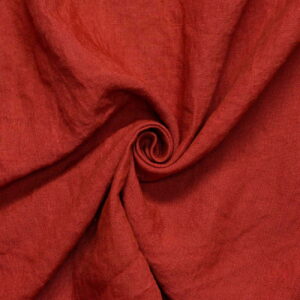
Linen THICK Stonewashed – Brick Red – LPU 53/01
| Width +/- 2cm |
55", 140 cm |
|---|---|
| Grammage Note1: OZ - stands for Ounces per Square Yard. Note2: We are showing grammage as per 1 square meter (GSM). While you may be used to gramms per linear (running) meter from other shops (GLM). |
12oz, 415 g/m2 |
| Thread count TPI - stands for Threads Per square Inch, so it counts warp ends and weft picks altogether. If inch is not familiar for you, we are showing also how many threads (warp/weft) are present per 1 cm |
50 TPI, 10/10 threads per cm |
| Colour We have divided the palette into 11 basic colours. So this attribute is telling about the general, closest colour. For example BLUE : will include all different blue, navy and turquoise shades. This helps while filtering the shop searching for the fabric shade you desire. |
Red |
| Weave |
Plain weave |


Linen THICK Stonewashed – Light Khaki Melange – LPU 84/01
| Width +/- 2cm |
55", 140 cm |
|---|---|
| Grammage Note1: OZ - stands for Ounces per Square Yard. Note2: We are showing grammage as per 1 square meter (GSM). While you may be used to gramms per linear (running) meter from other shops (GLM). |
12oz, 415 g/m2 |
| Thread count TPI - stands for Threads Per square Inch, so it counts warp ends and weft picks altogether. If inch is not familiar for you, we are showing also how many threads (warp/weft) are present per 1 cm |
50 TPI, 10/10 threads per cm |
| Colour We have divided the palette into 11 basic colours. So this attribute is telling about the general, closest colour. For example BLUE : will include all different blue, navy and turquoise shades. This helps while filtering the shop searching for the fabric shade you desire. |
Beige ,Grey |
| Weave |
Plain weave |


Linen THICK Stonewashed – Petrol Blue – LPU 95/01
| Width +/- 2cm |
55", 140 cm |
|---|---|
| Grammage Note1: OZ - stands for Ounces per Square Yard. Note2: We are showing grammage as per 1 square meter (GSM). While you may be used to gramms per linear (running) meter from other shops (GLM). |
12oz, 415 g/m2 |
| Thread count TPI - stands for Threads Per square Inch, so it counts warp ends and weft picks altogether. If inch is not familiar for you, we are showing also how many threads (warp/weft) are present per 1 cm |
50 TPI, 10/10 threads per cm |
| Colour We have divided the palette into 11 basic colours. So this attribute is telling about the general, closest colour. For example BLUE : will include all different blue, navy and turquoise shades. This helps while filtering the shop searching for the fabric shade you desire. |
Blue |
| Weave |
Plain weave |
Frequently Asked Questions (FAQ) about how to prepare linen for sewing
In summary, preparing linen for sewing is simple but absolutely essential. Washing, decatizing, drying, and ironing make the fabric stable, softer, and ready for cutting—without the risk of your finished project changing size after the first wash. Below are the most frequently asked questions about preparing linen for sewing.
Do you need to wash linen before sewing?
Yes. This allows the fibres to shrink and the fabric to stabilise.
At what temperature should linen be washed before sewing?
Natural linen should be washed at 60–90°C, and dyed linen at up to 40°C.
Is decatizing linen necessary?
Yes. As a natural-fibre fabric, linen requires decatizing to shrink the material and restore its natural softness.
Can linen be decatized with steam only?
No. Linen can also be decatized wet, for example in a washing machine.
How much does linen shrink when washed?
Linen fabric shrinks between 2% and 10%.
Does all linen shrink the same way?
No. Shrinkage depends on fibre quality, weave type, and processing methods.
Can linen be washed in a washing machine, or should it be hand-washed?
Linen can be safely washed in a machine.
Is tumble drying safe for linen?
Yes, natural linen tolerates high temperatures well. However, if you plan to tumble-dry the finished garment, you should also tumble-dry the fabric before sewing.
Does linen need to be ironed before cutting?
Yes. Linen wrinkles easily, which may prevent accurate pattern transfer.
How to soften stiff linen?
Wash it at high temperature, shake it out thoroughly, or simply use it—linen softens quickly with wear.
Can dyed linen be washed at high temperature?
It can, but it is not recommended, as it may cause colour fading.
Can linen bleed during the first wash?
Yes. For this reason, the first wash should be done separately.
Do I need to decatize stonewashed linen if I bought it?
No. Stonewashed linen is softened and decatized during production, though ironing it with plenty of steam is recommended.
Why does linen feel rough after washing, and how to fix it?
High-temperature washing shrinks the fibres, making the fabric denser. To fix this, wash at a lower temperature, shake the fabric well before drying, or simply wait—linen softens quickly with use.
Is it better to roll or fold linen for storage?
Rolling is better. Store linen rolled and outside the wardrobe to avoid creasing.