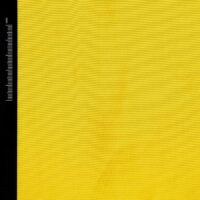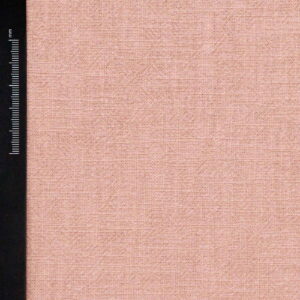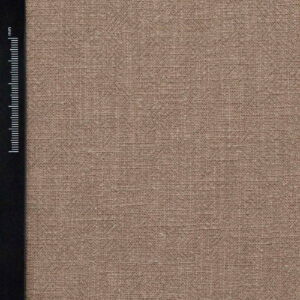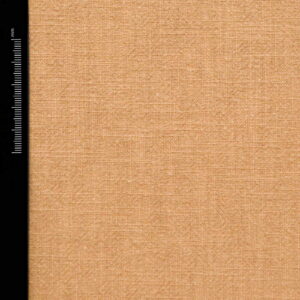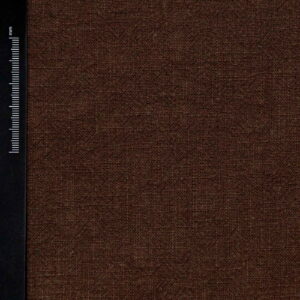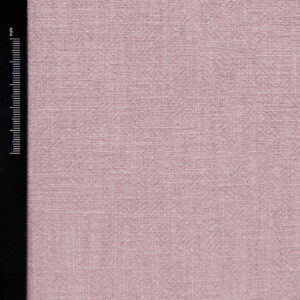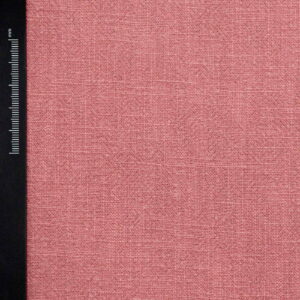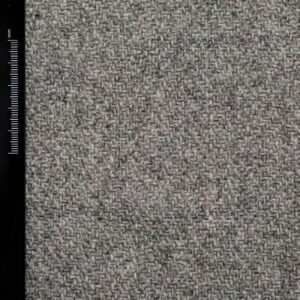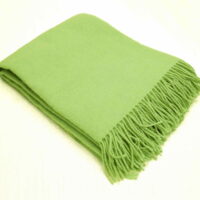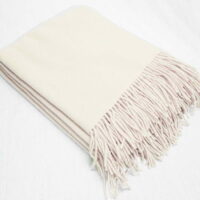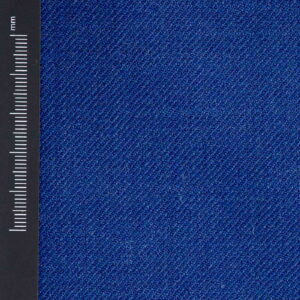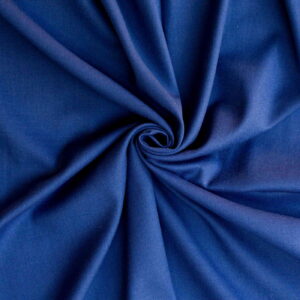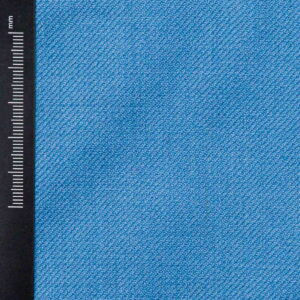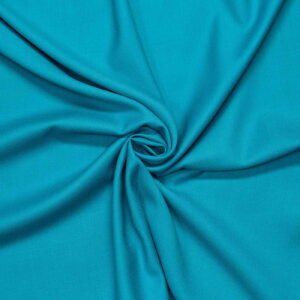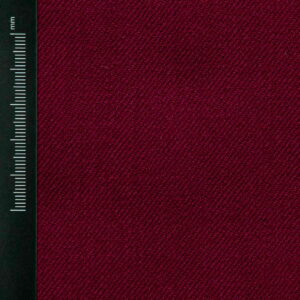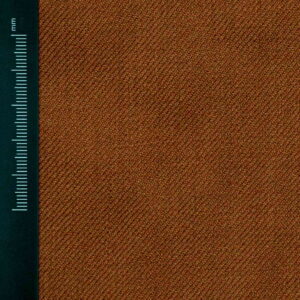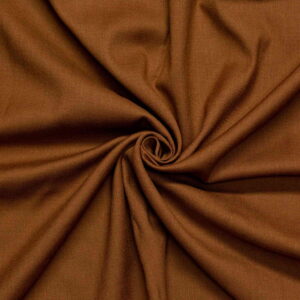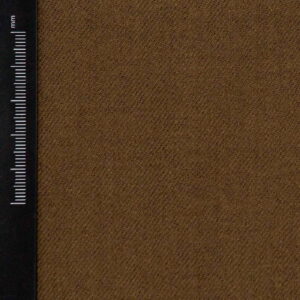

OTHER FABRICS FROM THIS COLLECTION

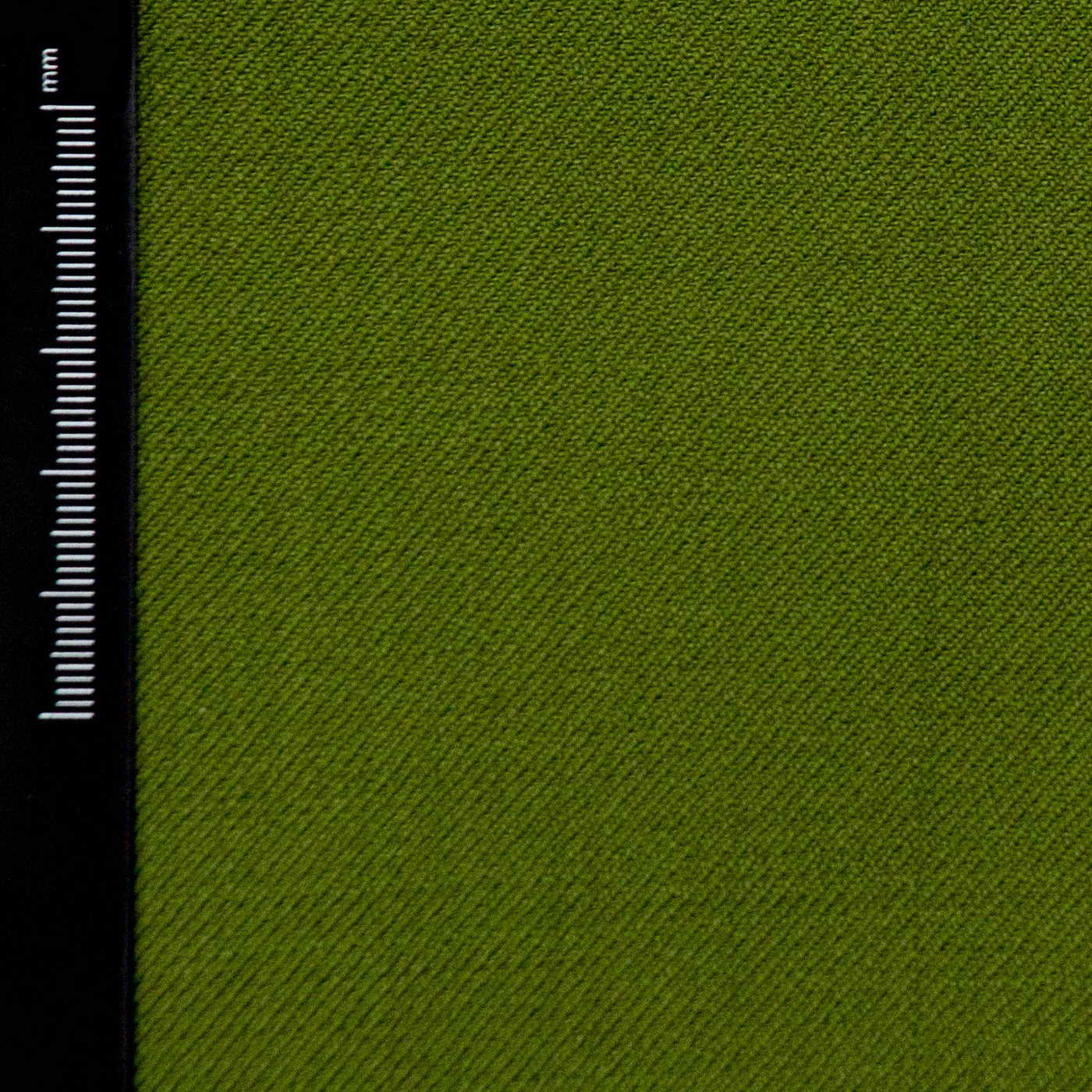
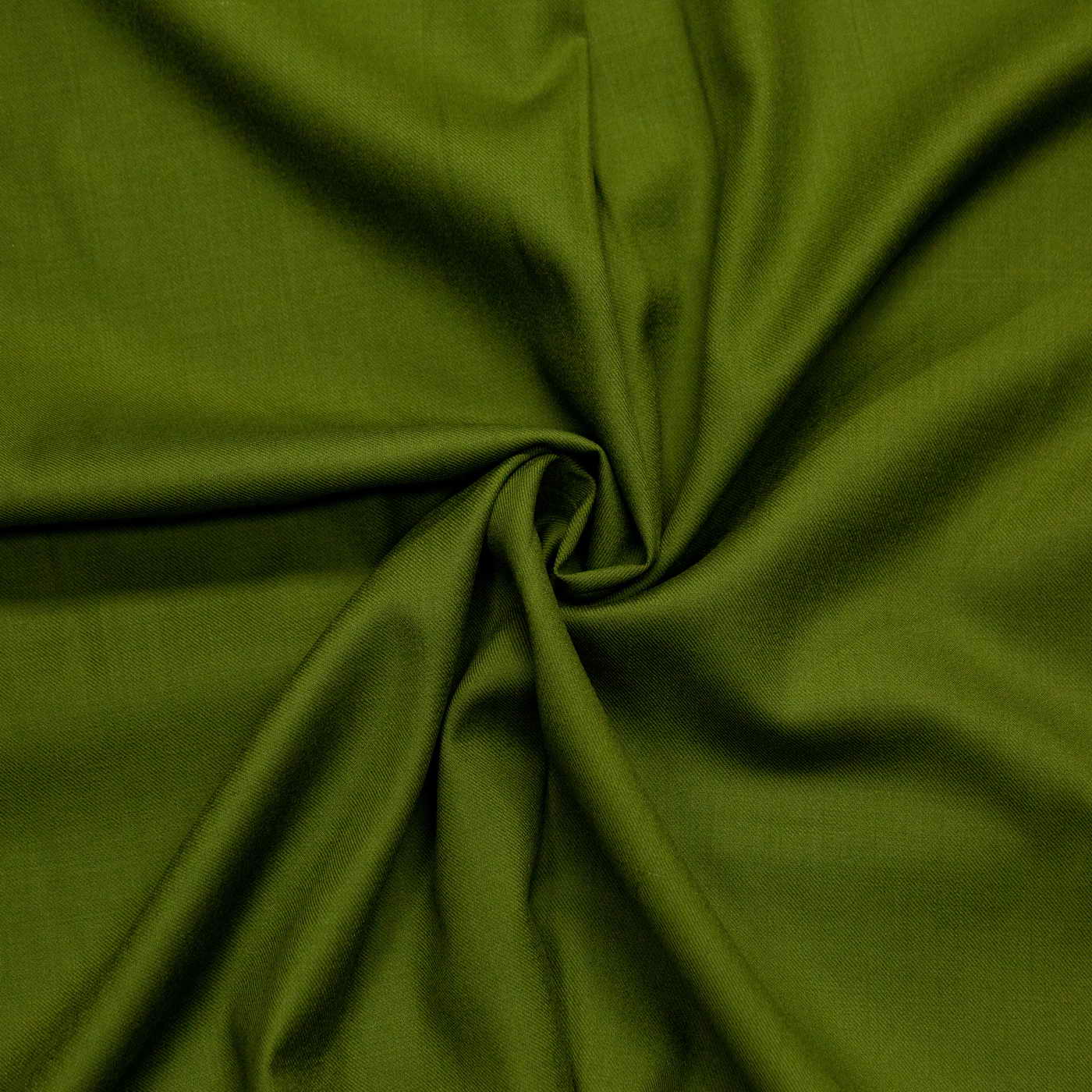
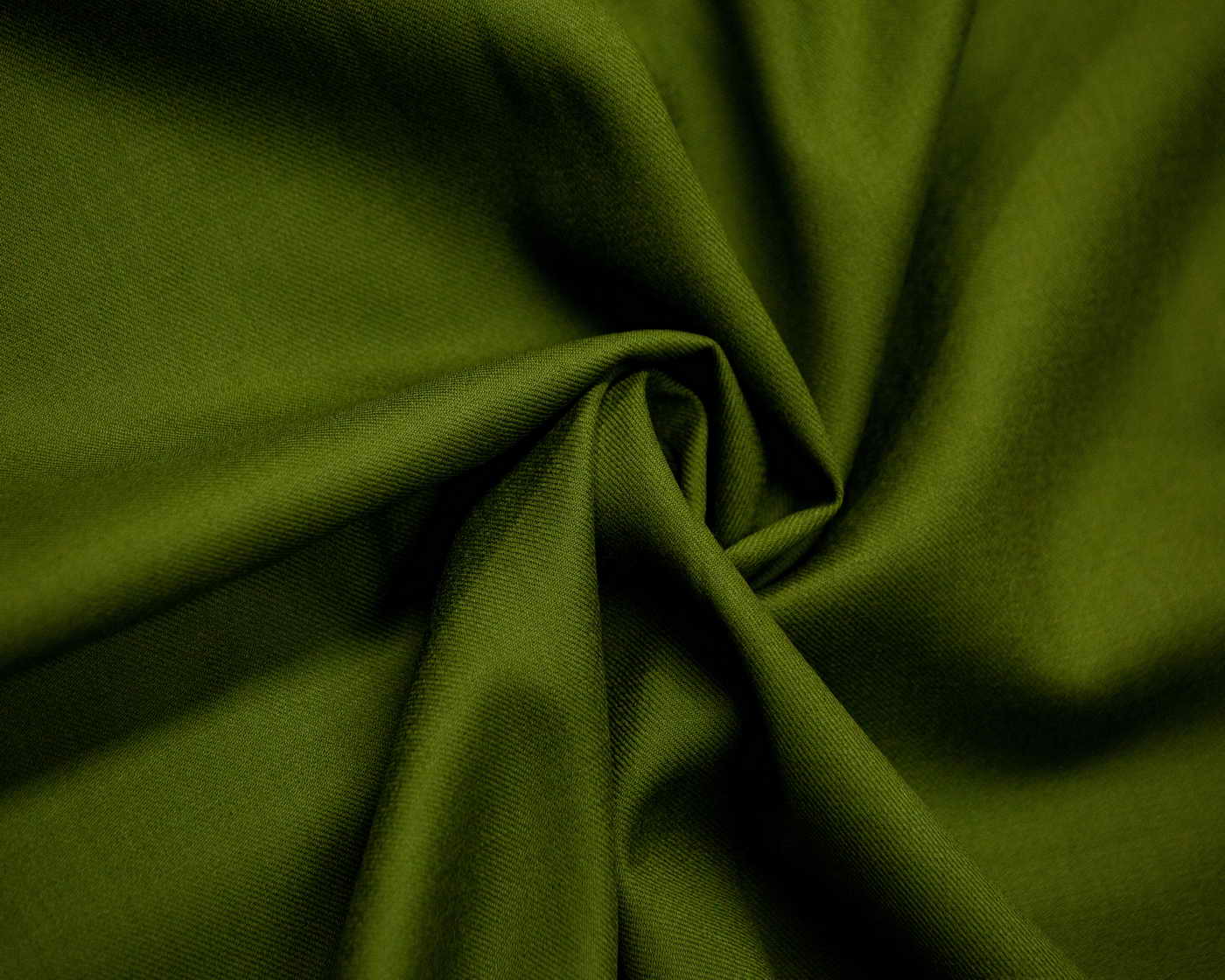
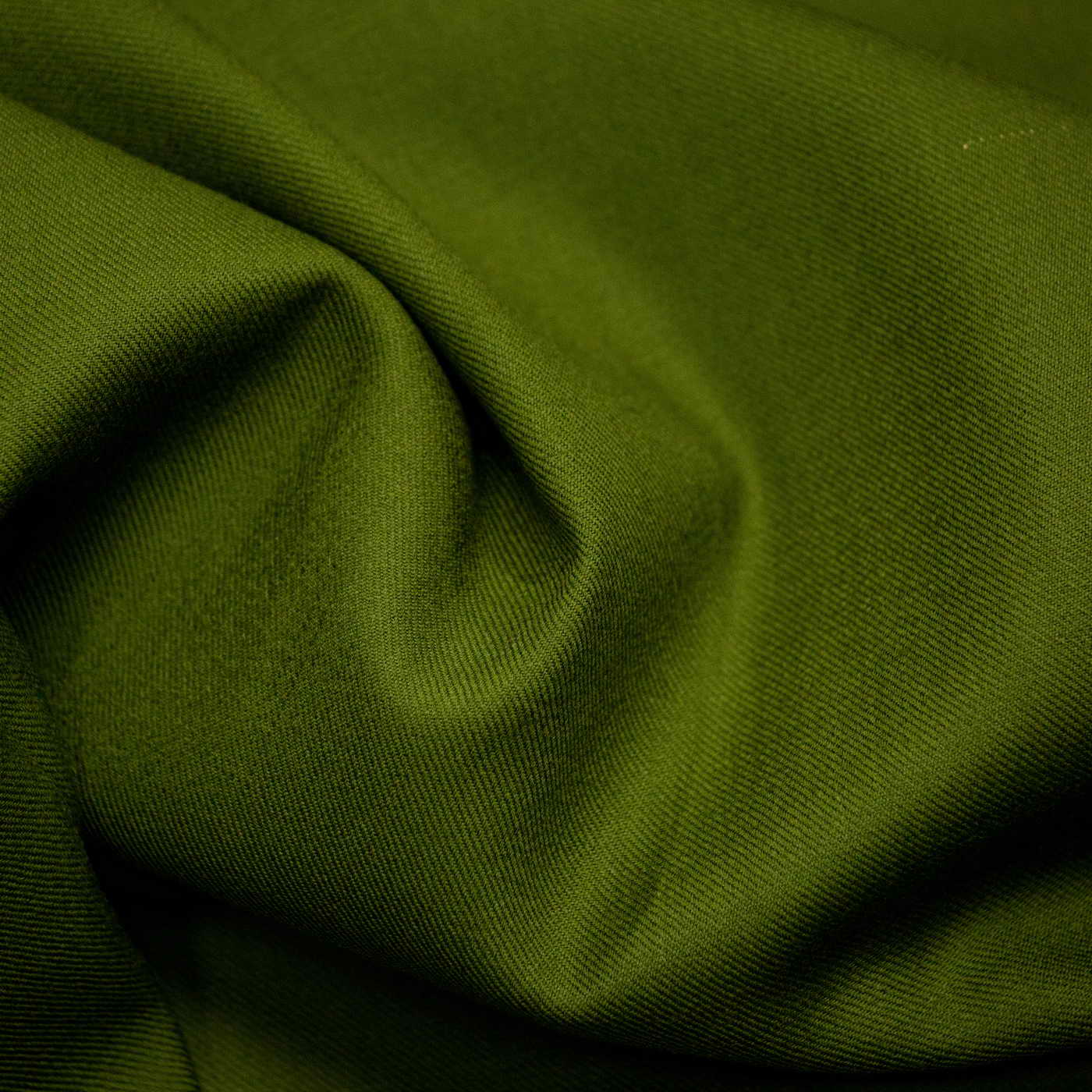
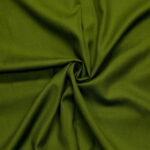
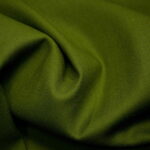
Wool Very Thin Twill Flannel – Olive Green – WTT 29/02

37,70 m

Step into a world of supreme comfort and timeless style with our 100% merino wool very thin twill fabric.

The twill weave lends a distinct diagonal pattern to the fabric, adding depth and texture to any garment or accessory.

The low grammage makes the wool very delicate to the touch, flowing and fits perfectly.

This fabric's versatility knows no bounds. From historical dresses, and shirts, tunics and contemporary scarves, the 100% merino Wool Very Thin Twill effortlessly elevates your wardrobe.

100% merino

Natural fibers

Worldwide shipping

Professional service

100% merino

Worldwide shipping

Natural fibers

Professional service

Width +/- 2cm

55", 140 cm

Grammage Note1: OZ - stands for Ounces per Square Yard. Note2: We are showing grammage as per 1 square meter (GSM). While you may be used to gramms per linear (running) meter from other shops (GLM).

6oz, 210 g/m2

Thread count TPI - stands for Threads Per square Inch, so it counts warp ends and weft picks altogether. If inch is not familiar for you, we are showing also how many threads (warp/weft) are present per 1 cm

120 TPI, 24/24 threads per cm

Colour We have divided the palette into 11 basic colours. So this attribute is telling about the general, closest colour. For example BLUE : will include all different blue, navy and turquoise shades. This helps while filtering the shop searching for the fabric shade you desire.

Green

Weave

Twill 2/2

In stock

Starting from 0.5m you can order any quantity you want!


Are you still hesitating?  Not sure that this will be in the shade and quality you expect? Then ask for a small sample (4x4cm).
You can ask up to 5 different samples for free. Each next one will cost 1 eur.

OTHER FABRICS FROM THIS COLLECTION

Merino wool is a remarkable natural fiber that offers numerous benefits, making it a popular choice for various applications. Here are a few reasons why merino wool stands out:

  1. Exceptional Softness: Merino wool is incredibly soft and gentle against the skin, making it comfortable to wear for extended periods.
  2. Moisture Management: Even when damp, merino wool retains its insulating properties, making it ideal for both warm and cold conditions.
  3. Durability: Despite its softness, merino wool is surprisingly durable. The long, fine fibers make it more resistant to tearing and pilling compared to other types of wool.
  4. Versatility: Merino wool is a versatile material suitable for a wide range of applications. From clothing such as base layers, socks, and sweaters to bedding, blankets, and even athletic gear.

Very thin wool, with its lightweight and delicate nature, can be used for various purposes that prioritize comfort, breathability, and a subtle touch of warmth. Here are some common applications for very thin wool:

  1. Base Layers: Very thin wool is excellent for creating base layers that provide insulation without adding bulk. Base layer tops and bottoms made from ultrafine wool flannel are ideal for outdoor activities like hiking, skiing, or camping.
  2. Summer Apparel: Thin wool garments are a great choice for summer wear when you want a lightweight and breathable option that still offers some insulation. Thin wool shirts, dresses, skirts, and shorts provide a natural, moisture-wicking fabric that helps keep you cool in hot weather while protecting against sudden temperature changes or chilly evenings.
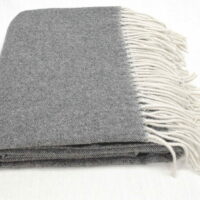
  3. Accessories: Very thin wool is often used for creating accessories like scarves, shawls, wraps, and lightweight blankets. These items offer a touch of warmth and coziness without being overly cumbersome, making them versatile and easy to carry or layer.
  4. Baby Clothing: ultrafine wool flannel is gentle on delicate skin, making it an excellent choice for baby clothing. Thin wool onesies, sleepers, hats, and booties provide natural insulation and breathability, keeping babies comfortable throughout different seasons.

A wisible diagonal weave is a type of fabric construction that features a distinct diagonal pattern. This weaving technique offers several advantages, making it a desirable choice for various applications.

The prominent diagonal pattern created by a diagonal weave adds visual interest and texture to the fabric. It creates a unique and dynamic look, setting it apart from plain weaves or other patterns.

The diagonal weave allows the fabric to have flexibility. The diagonal lines provide slight stretching, which gives the fabric elasticity and adaptability. This makes it easier to tailor and shape the fabric. Diagonal weave is versatile and can be used for a wide range of applications. It can be employed in clothing, such as dresses, skirts, jackets, and pants, as well as in home textiles like curtains or upholstery.

Overall, diagonal weave is valued for its visual appeal, structural stability, draping capabilities, breathability, and versatility. Whether you're looking for a fabric with a distinctive look or seeking functional benefits like durability and comfort, diagonal weave can be an excellent choice for various projects.

Twill wool holds a rich historical significance that traces back centuries. The weaving technique known as twill has been utilized for countless generations, creating a distinct diagonal pattern in wool fabrics.

Twill wool has a storied past, with its origins dating back to ancient civilizations. From the ancient Egyptians to the Romans, twill weaves were favored for their durability, strength, and appealing aesthetic. Twill wool was also used in Middle Ages for tunics, dresses or leg wraps.

Today, twill wool continues to be cherished for its enduring appeal and versatility. It remains a favorite choice for tailored suits, coats, skirts, and trousers, blending comfort, style, and durability seamlessly. Whether for formal or casual wear, twill wool garments exude a sense of refinement and craftsmanship that transcends fleeting fashion trends.
Color Disclaimer

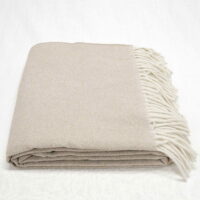
Buying fabrics online is always a challenge, we know you can’t see them in person before making a decision. And yet, choosing the right color is crucial for the overall look of your garment and its details.

That’s why at Woolsome we do our best to represent our fabrics as accurately as possible. We use a professional photography studio and a dedicated color control system to ensure that our photos reflect reality as closely as possible.

However, please keep in mind that colors may vary slightly depending on your screen. The way they appear can be affected by:

  • your monitor or phone settings,
  • lighting conditions (natural or artificial),
  • the angle at which you view the screen.

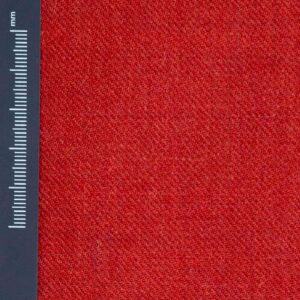
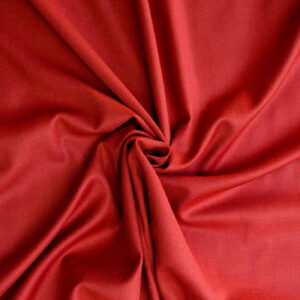
Shades of red are particularly difficult to reproduce accurately on digital displays.

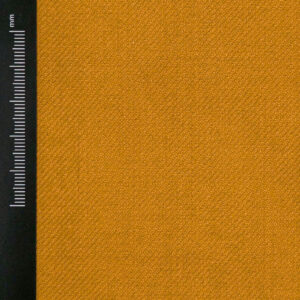
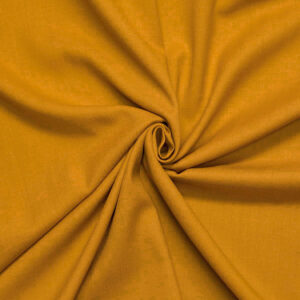
You may also notice that the main photo (a close-up of the fabric) appears slightly darker than images taken from a greater distance. This is a natural effect: both cameras and the human eye perceive color differently depending on light and perspective.

Please also note that many of our historical fabrics are woven using threads in two different colors (warp and weft). Up close, their structure is clearly visible, while from a distance the colors visually blend, creating a slightly different overall impression.

We want you to feel confident in your choice.

That’s why you can always order a sample before committing to a larger purchase. We also offer complete sample sets for each of our fabric collections.

Warning

Our fabrics are made from 100% natural wool. As a result, washing at too high a temperature may cause shrinkage or felting. We recommend carefully following the washing instructions and washing wool in max temperature 30°C to preserve their natural structure and quality.

Handwash

Handwash

Wash on a wool cycle

Wash on a wool cycle

Do not tumble dry

Do not tumble dry

Dry flat

Dry flat

Low heat iron

Low heat iron

Do not bleach

Do not bleach

Description

Merino wool is a remarkable natural fiber that offers numerous benefits, making it a popular choice for various applications. Here are a few reasons why merino wool stands out:

  1. Exceptional Softness: Merino wool is incredibly soft and gentle against the skin, making it comfortable to wear for extended periods.
  2. Moisture Management: Even when damp, merino wool retains its insulating properties, making it ideal for both warm and cold conditions.
  3. Durability: Despite its softness, merino wool is surprisingly durable. The long, fine fibers make it more resistant to tearing and pilling compared to other types of wool.
  4. Versatility: Merino wool is a versatile material suitable for a wide range of applications. From clothing such as base layers, socks, and sweaters to bedding, blankets, and even athletic gear.

Very thin wool, with its lightweight and delicate nature, can be used for various purposes that prioritize comfort, breathability, and a subtle touch of warmth. Here are some common applications for very thin wool:

  1. Base Layers: Very thin wool is excellent for creating base layers that provide insulation without adding bulk. Base layer tops and bottoms made from ultrafine wool flannel are ideal for outdoor activities like hiking, skiing, or camping.
  2. Summer Apparel: Thin wool garments are a great choice for summer wear when you want a lightweight and breathable option that still offers some insulation. Thin wool shirts, dresses, skirts, and shorts provide a natural, moisture-wicking fabric that helps keep you cool in hot weather while protecting against sudden temperature changes or chilly evenings.
  3. Accessories: Very thin wool is often used for creating accessories like scarves, shawls, wraps, and lightweight blankets. These items offer a touch of warmth and coziness without being overly cumbersome, making them versatile and easy to carry or layer.
  4. Baby Clothing: ultrafine wool flannel is gentle on delicate skin, making it an excellent choice for baby clothing. Thin wool onesies, sleepers, hats, and booties provide natural insulation and breathability, keeping babies comfortable throughout different seasons.

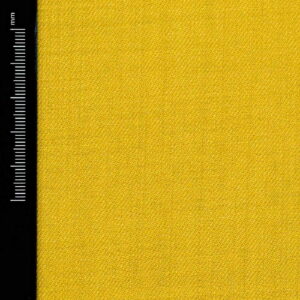
A wisible diagonal weave is a type of fabric construction that features a distinct diagonal pattern. This weaving technique offers several advantages, making it a desirable choice for various applications.

The prominent diagonal pattern created by a diagonal weave adds visual interest and texture to the fabric. It creates a unique and dynamic look, setting it apart from plain weaves or other patterns.

The diagonal weave allows the fabric to have flexibility. The diagonal lines provide slight stretching, which gives the fabric elasticity and adaptability. This makes it easier to tailor and shape the fabric. Diagonal weave is versatile and can be used for a wide range of applications. It can be employed in clothing, such as dresses, skirts, jackets, and pants, as well as in home textiles like curtains or upholstery.
Overall, diagonal weave is valued for its visual appeal, structural stability, draping capabilities, breathability, and versatility. Whether you're looking for a fabric with a distinctive look or seeking functional benefits like durability and comfort, diagonal weave can be an excellent choice for various projects.

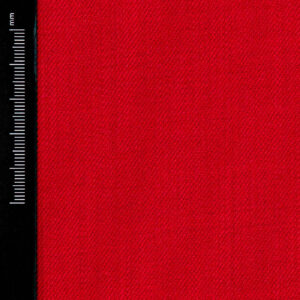
Twill wool holds a rich historical significance that traces back centuries. The weaving technique known as twill has been utilized for countless generations, creating a distinct diagonal pattern in wool fabrics.
Twill wool has a storied past, with its origins dating back to ancient civilizations. From the ancient Egyptians to the Romans, twill weaves were favored for their durability, strength, and appealing aesthetic. Twill wool was also used in Middle Ages for tunics, dresses or leg wraps.

Today, twill wool continues to be cherished for its enduring appeal and versatility. It remains a favorite choice for tailored suits, coats, skirts, and trousers, blending comfort, style, and durability seamlessly. Whether for formal or casual wear, twill wool garments exude a sense of refinement and craftsmanship that transcends fleeting fashion trends.

Colours in WoolSome

Color Disclaimer

Buying fabrics online is always a challenge, we know you can’t see them in person before making a decision. And yet, choosing the right color is crucial for the overall look of your garment and its details.

That’s why at Woolsome we do our best to represent our fabrics as accurately as possible. We use a professional photography studio and a dedicated color control system to ensure that our photos reflect reality as closely as possible.

However, please keep in mind that colors may vary slightly depending on your screen. The way they appear can be affected by:

  • your monitor or phone settings,
  • lighting conditions (natural or artificial),
  • the angle at which you view the screen.

Shades of red are particularly difficult to reproduce accurately on digital displays.

You may also notice that the main photo (a close-up of the fabric) appears slightly darker than images taken from a greater distance. This is a natural effect: both cameras and the human eye perceive color differently depending on light and perspective.

Please also note that many of our historical fabrics are woven using threads in two different colors (warp and weft). Up close, their structure is clearly visible, while from a distance the colors visually blend, creating a slightly different overall impression.

We want you to feel confident in your choice.

That’s why you can always order a sample before committing to a larger purchase. We also offer complete sample sets for each of our fabric collections.

Washing advice

Warning

Our fabrics are made from 100% natural wool. As a result, washing at too high a temperature may cause shrinkage or felting. We recommend carefully following the washing instructions and washing wool in max temperature 30°C to preserve their natural structure and quality.

Handwash

Handwash

Wash on a wool cycle

Wash on a wool cycle

Do not tumble dry

Do not tumble dry

Dry flat

Dry flat

Low heat iron

Low heat iron

Do not bleach

Do not bleach