



 STFCN - Silk Natural Taffeta Chinese















 Our textiles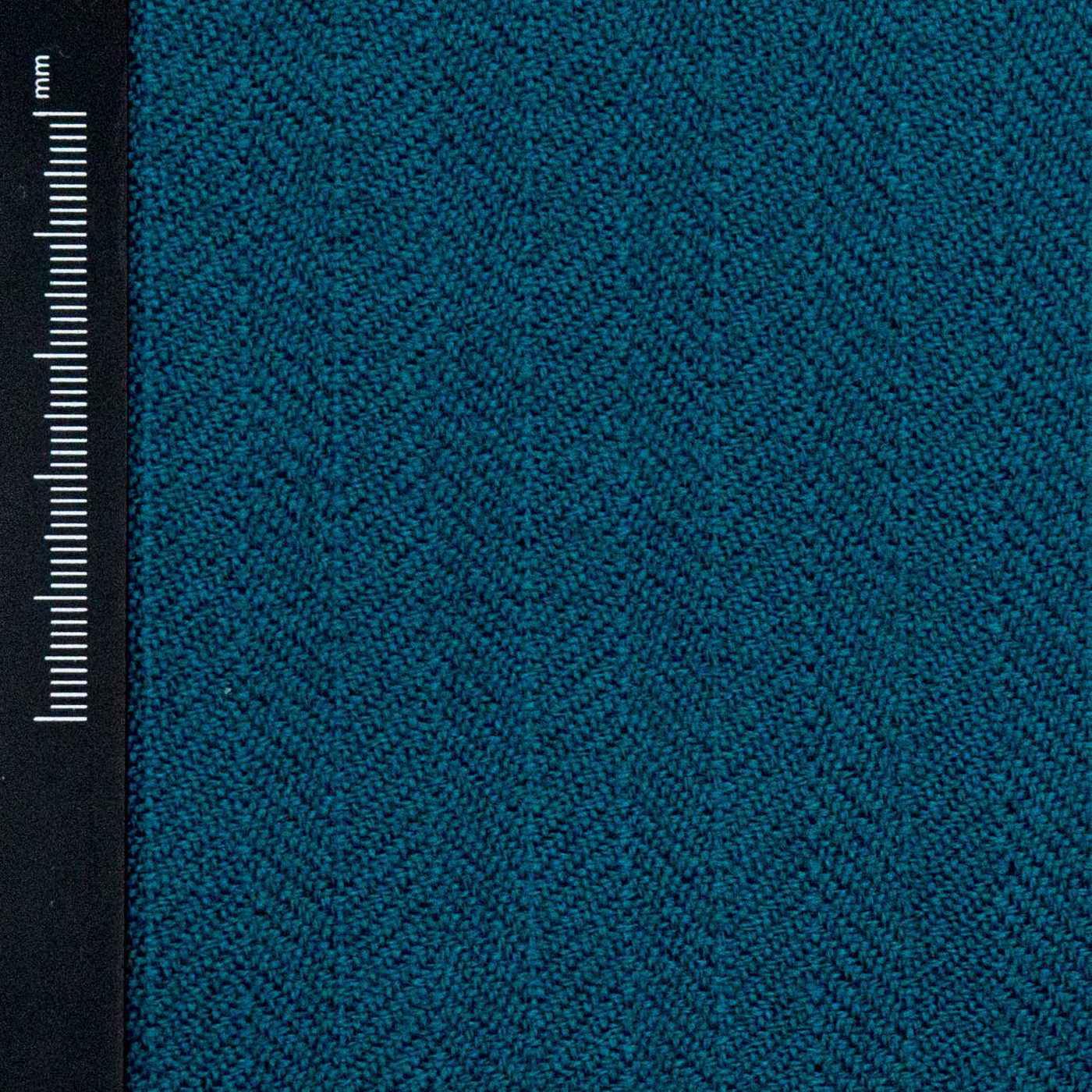
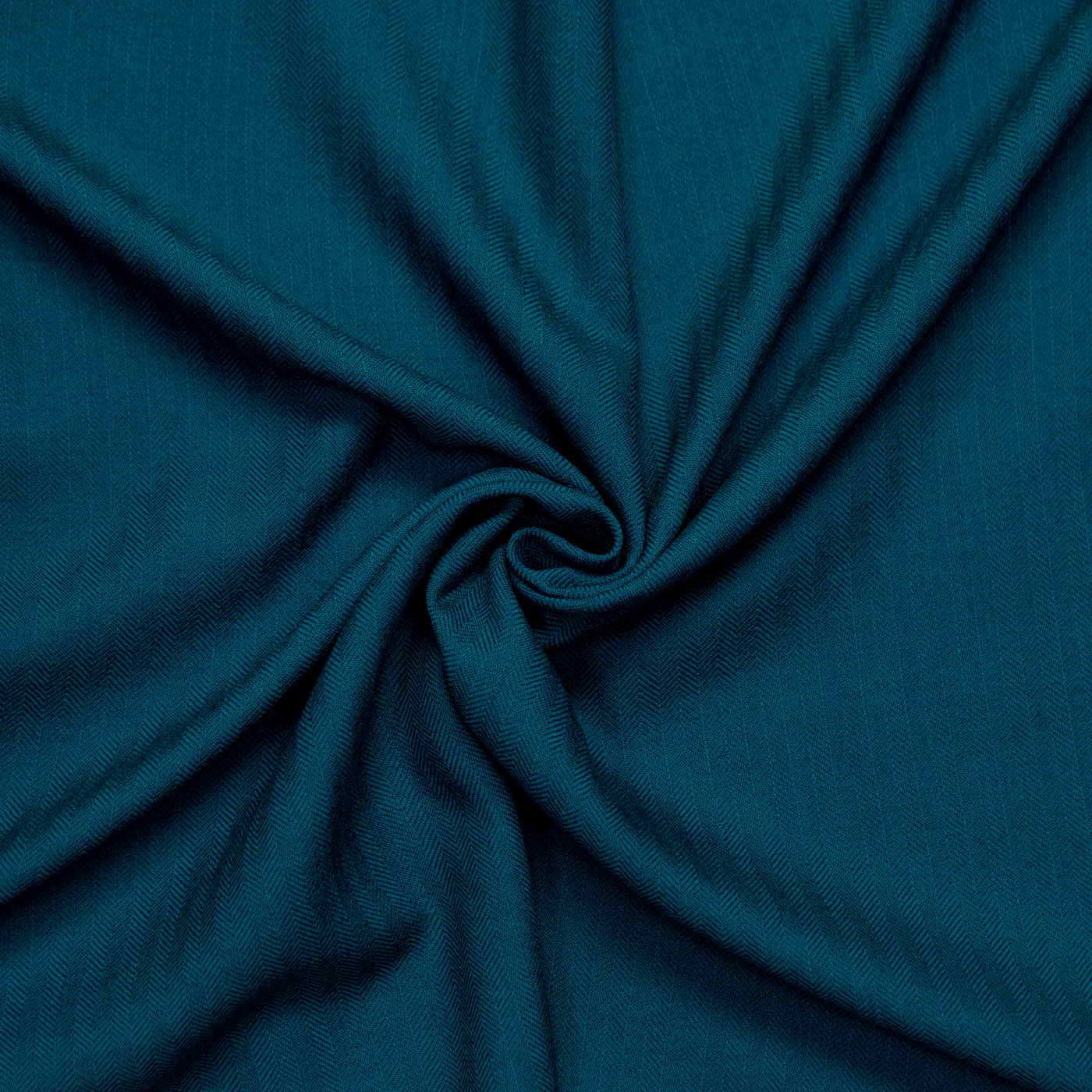
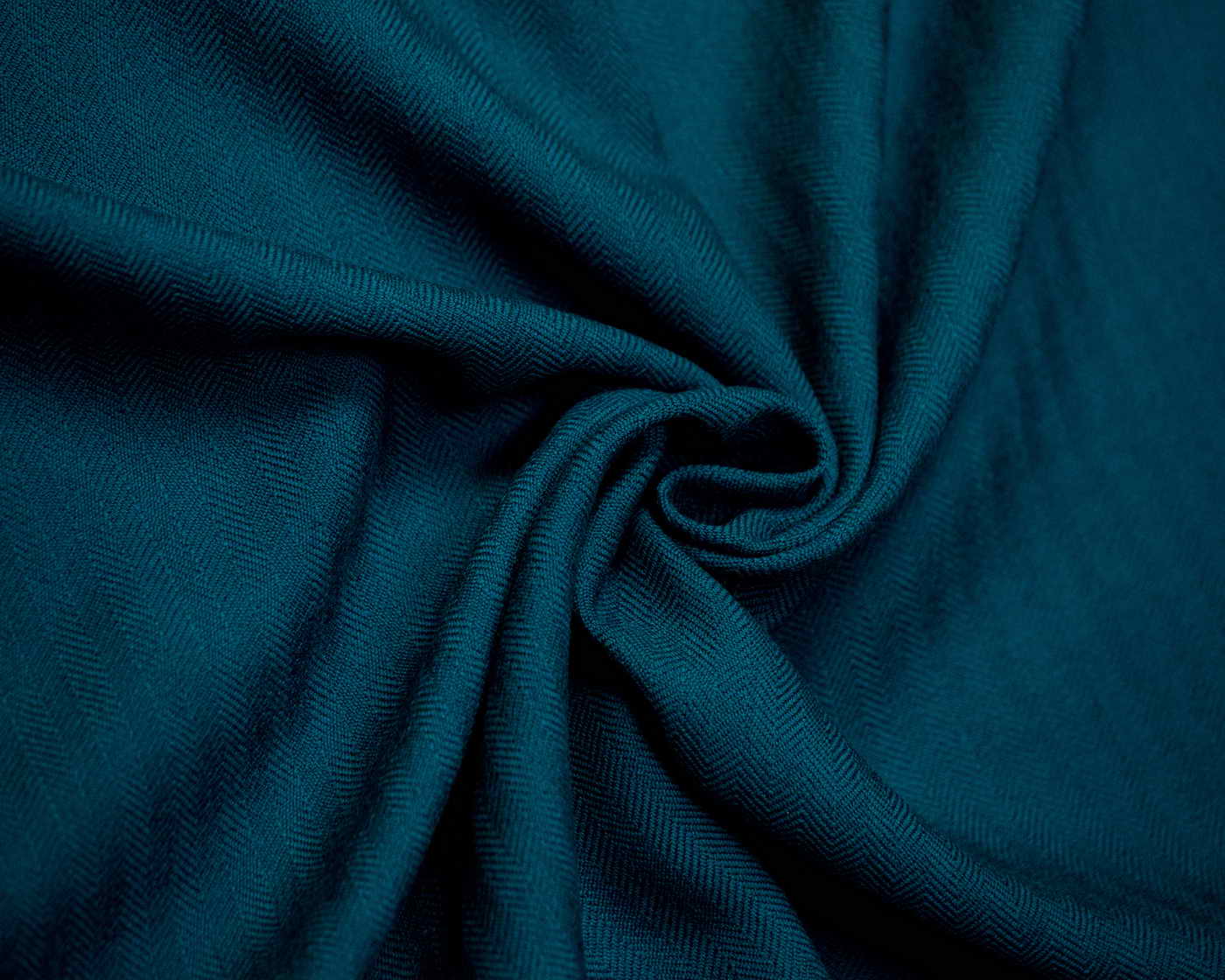
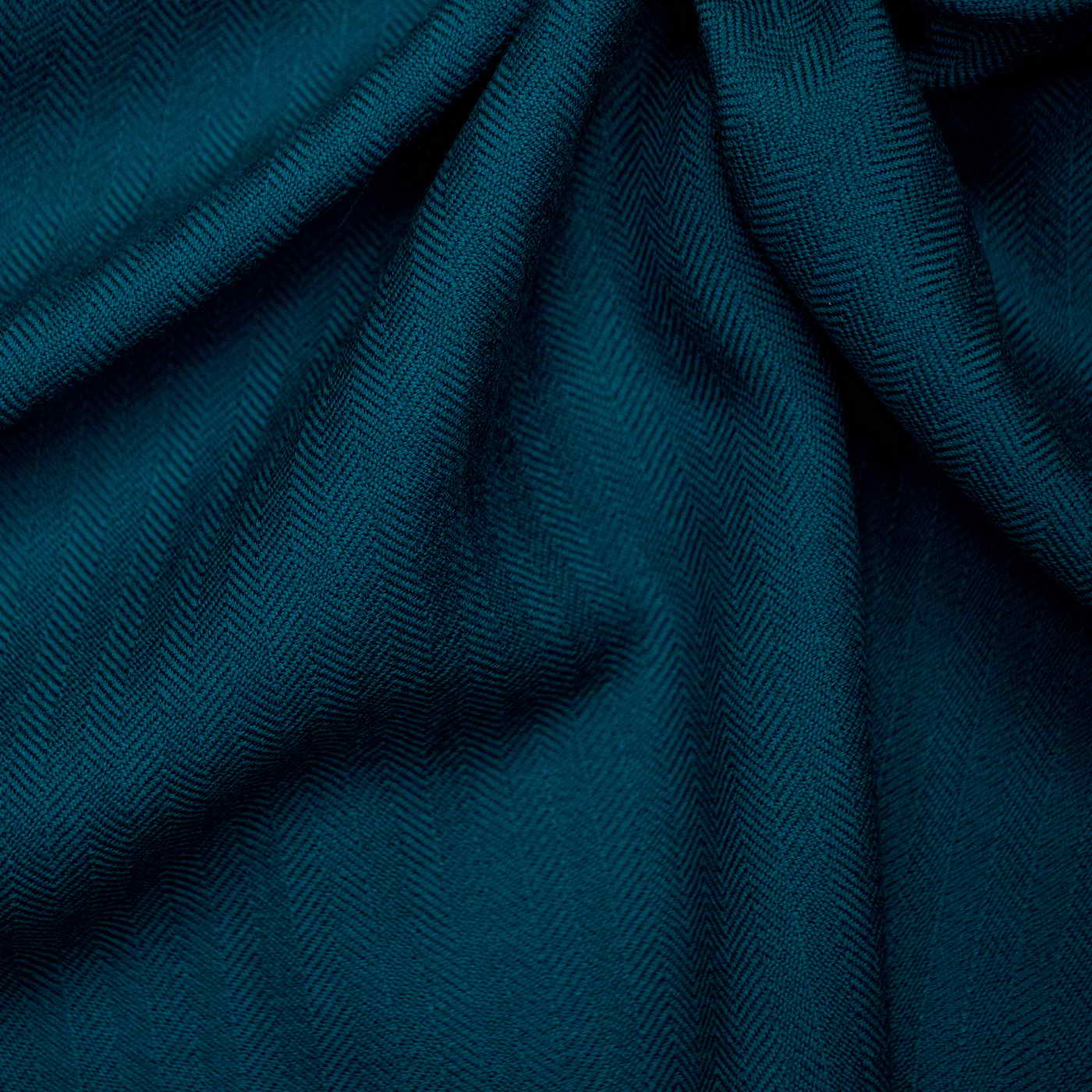


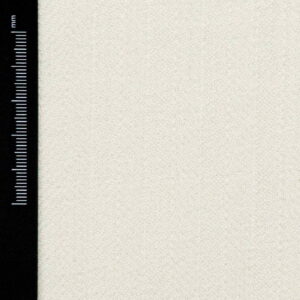
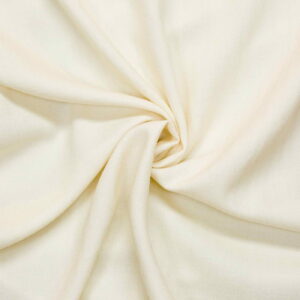
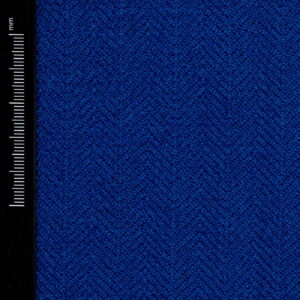
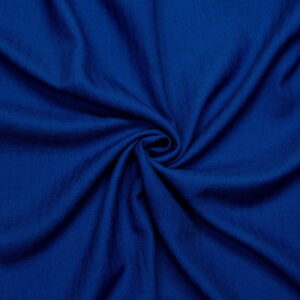
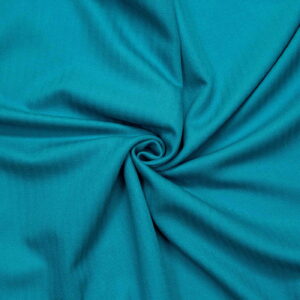

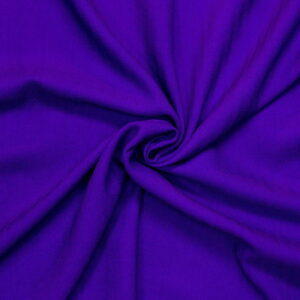



Merino fabric stands out for its exceptional softness, lightness, and year-round comfort. Merino wool naturally regulates temperature, providing warmth in winter and breathability in summer, adapting to both weather conditions and the wearer’s level of activity.
It is also breathable, resistant to unpleasant odours, and highly effective at wicking moisture, which keeps it fresh even during intensive use. In addition, it is resilient, resistant to creasing, and maintains its shape over time.
This durable, skin-friendly material is ideal both for everyday clothing and for projects that require high-quality natural fibres — from lightweight shirts and underwear to advanced outdoor garments and classic historical attire.
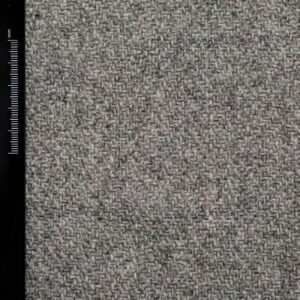
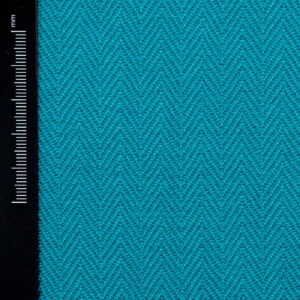
A herringbone weave is a weaving technique in which the threads create a distinctive, alternating pattern arranged in “V” or “Z” shapes. The lines switch direction at regular intervals, producing a zigzag effect that resembles fish bones — hence the name.
It is a variation of the twill weave, but differs from classic diagonal twill because the diagonal lines repeatedly reverse direction. As a result, the fabric:
- has an elegant, noticeable yet subtle texture,
- is more resistant to stretching and creasing,
- drapes softly and naturally,
- works well for garments that require a refined finish (frock coats, outerwear, historical costumes).
The herringbone weave is valued in both modern fashion and historical reenactment.
The herringbone weave appears repeatedly among the discovered fabric fragments.
It is already known from the Bronze Age — herringbone fabrics have been found, among other places, in the salt mine at Hallstatt.
This pattern was very popular in the Early Middle Ages, where it was used in various clothing items, both everyday and ceremonial, as evidenced by herringbone fabrics found in Scandinavian burials. Thanks to its durability, elegant texture, and versatility for different projects, the herringbone weave was favored by weavers for centuries and has retained its significance in historical reenactments as well as in contemporary fashion.
Herringbone wool can be used for a wide range of projects, both historical and contemporary. Examples of applications include:
- Historical and reenactment clothing – frock coats, cloaks, tunics, skirts, coats, vests.
- Everyday and elegant garments – blazers, jackets, coats, skirts, dresses.
- Children’s clothing – tunics, dresses, coats, vests.
- Accessories – shawls, scarves, capes, hats.
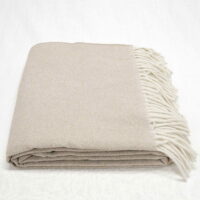
- Decorative projects – furniture upholstery, cushions, lightweight throws that require a durable and elegant fabric.
The herringbone weave gives the fabric a refined texture, making even simple projects look sophisticated. At the same time, the wool is soft, durable, and drapes beautifully, making it suitable for both precisely tailored pieces and looser forms.