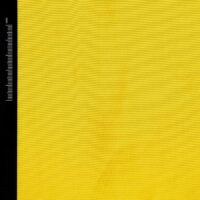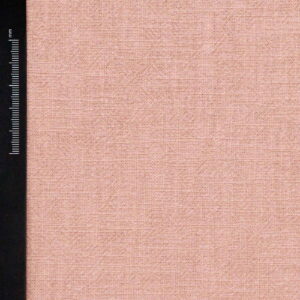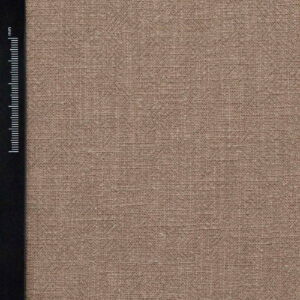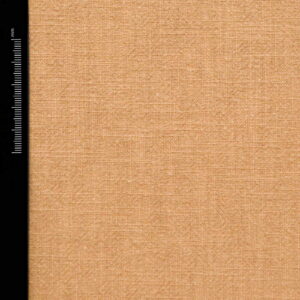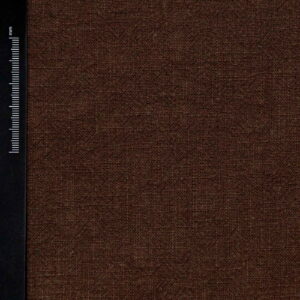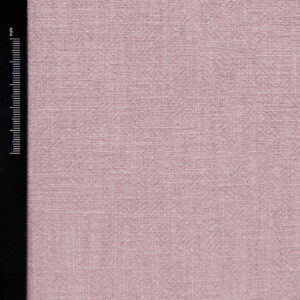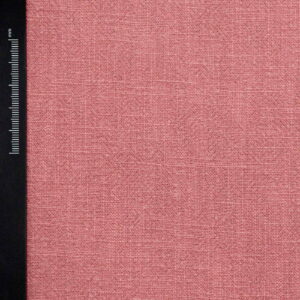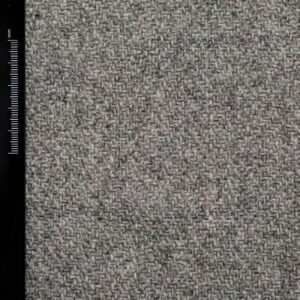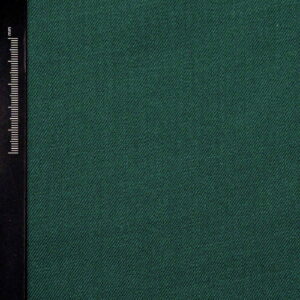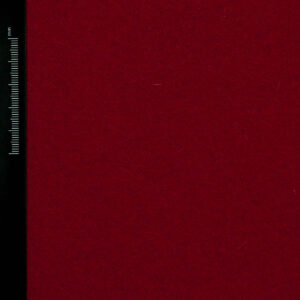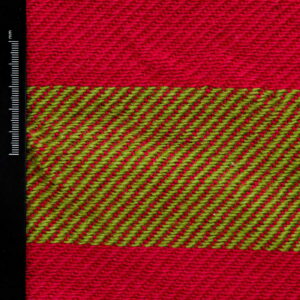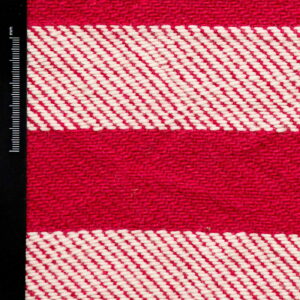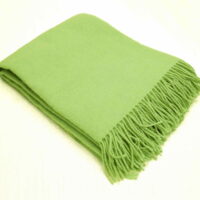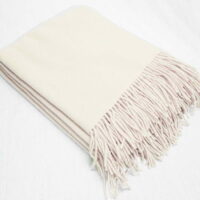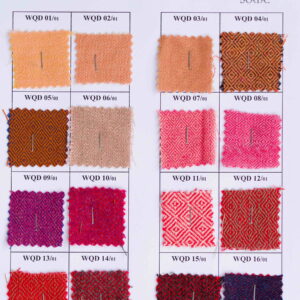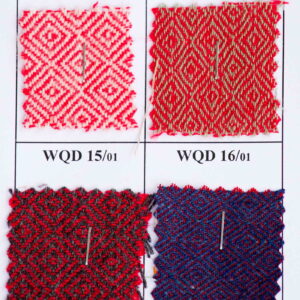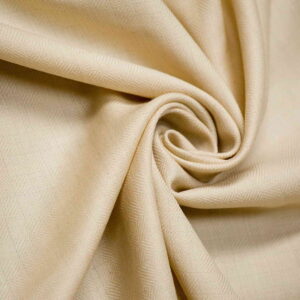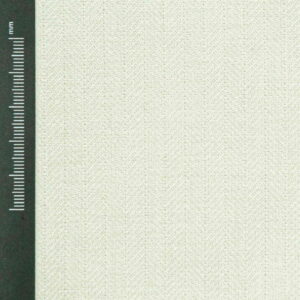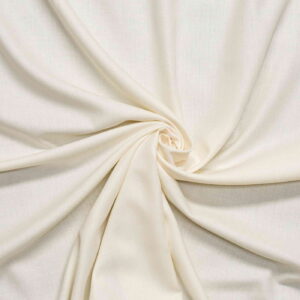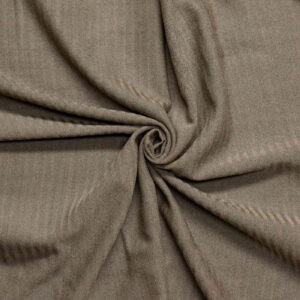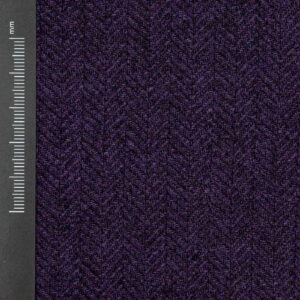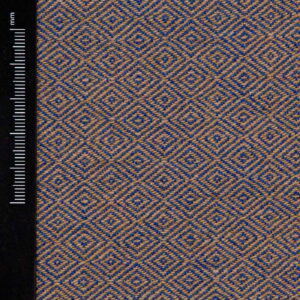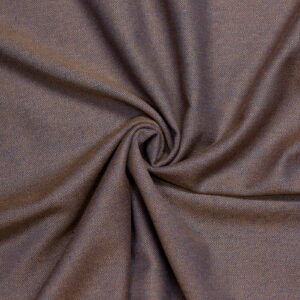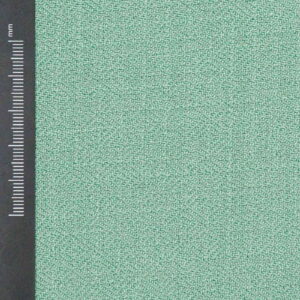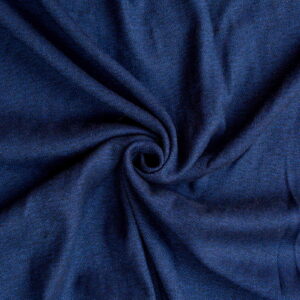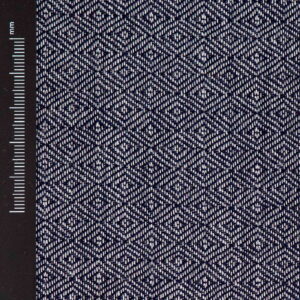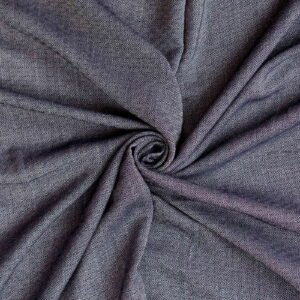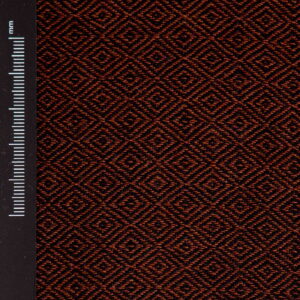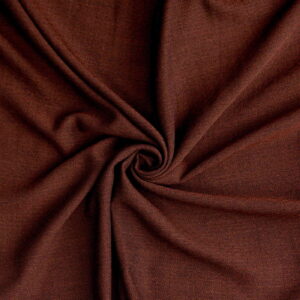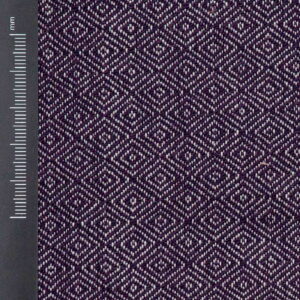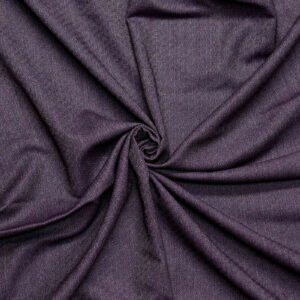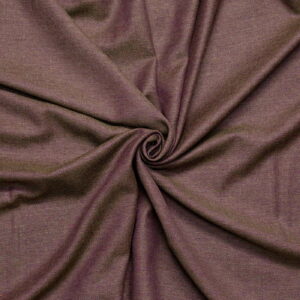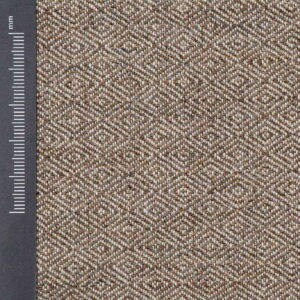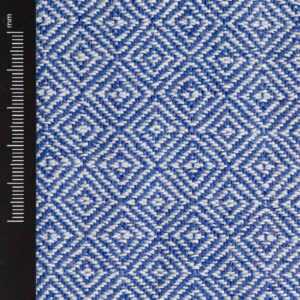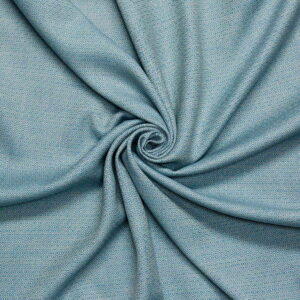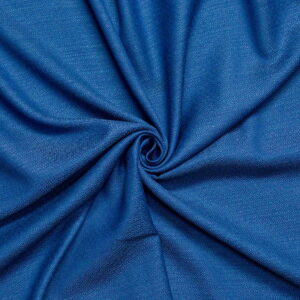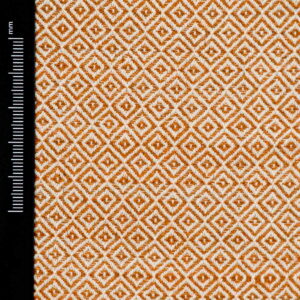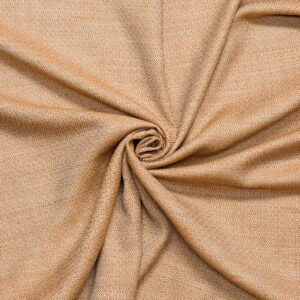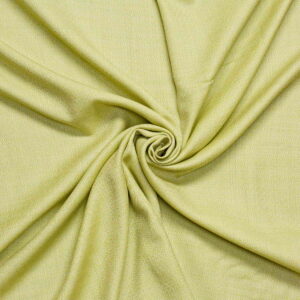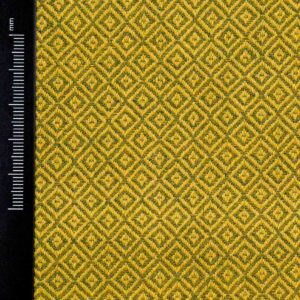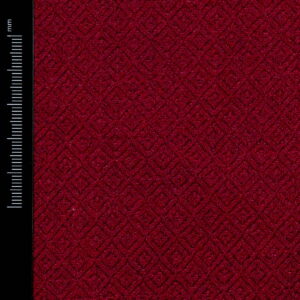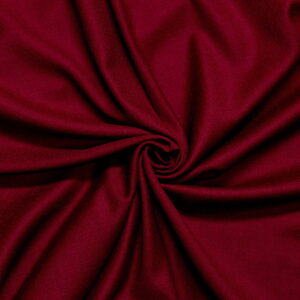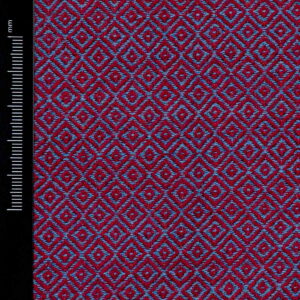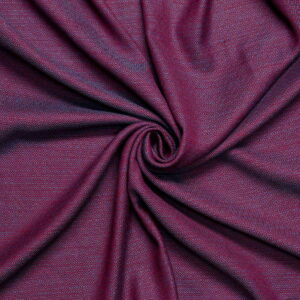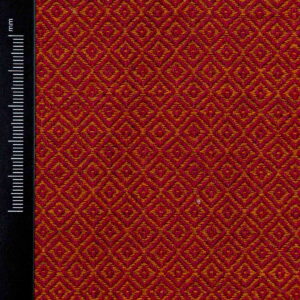

OTHER FABRICS FROM THIS COLLECTION

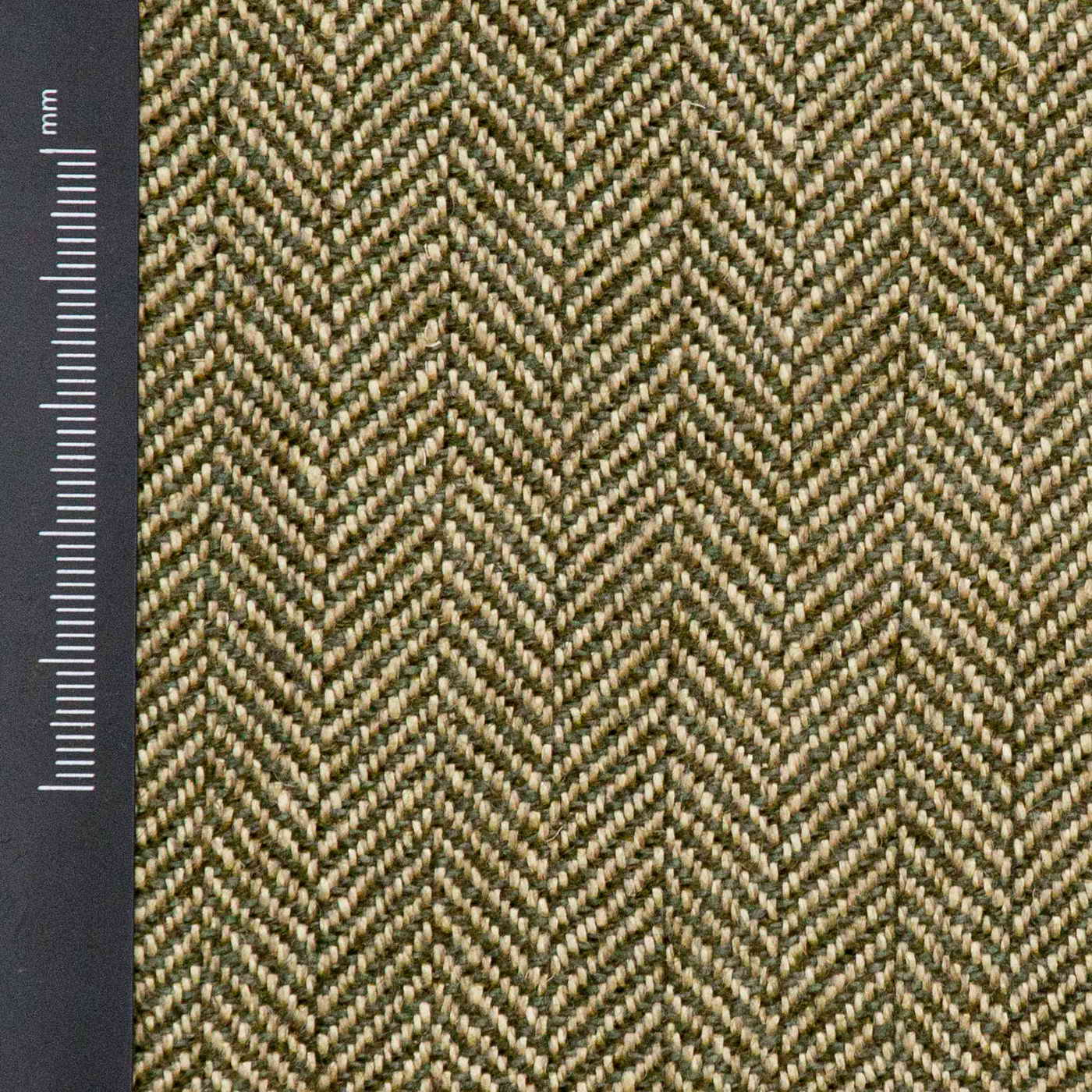
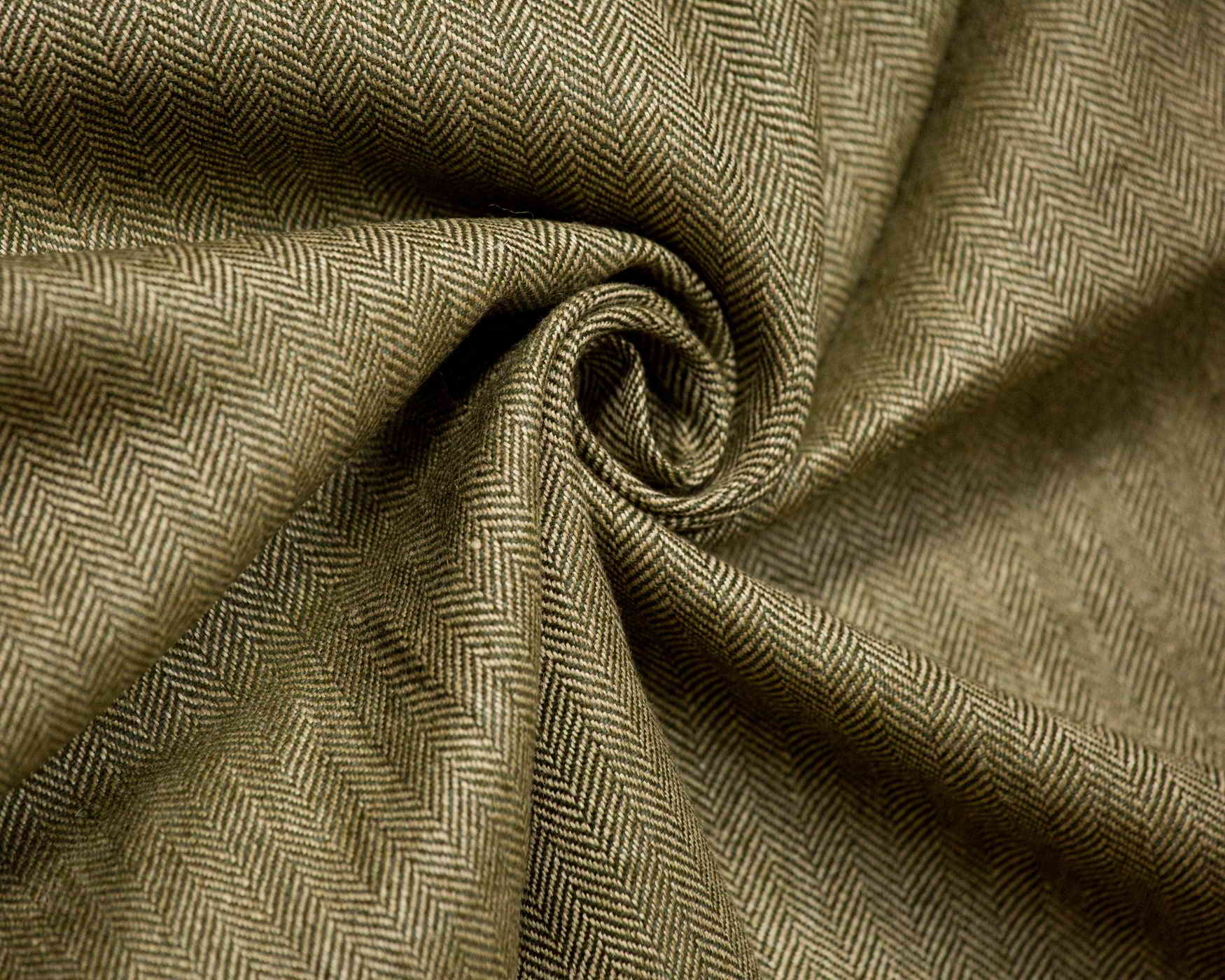
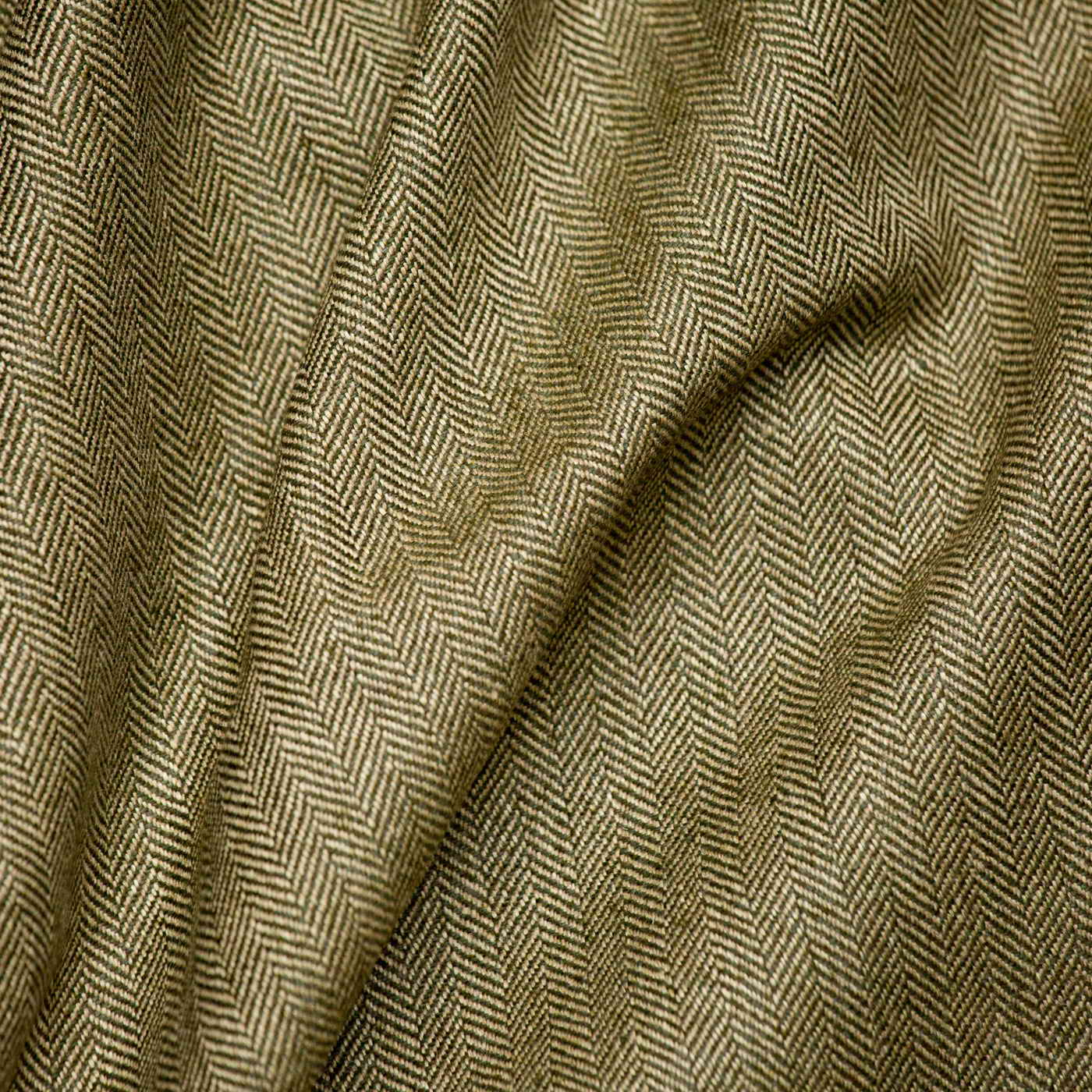
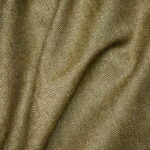
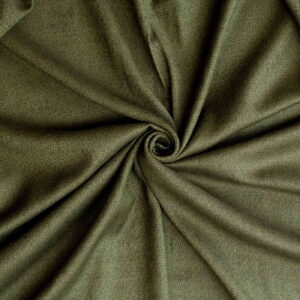
Wool Thin Herringbone – Olive Green Ecru – WQH 50/01

34,60 m

Introducing 100% merino wool very thin herringbone fabric that effortlessly combines elegance with functionality.

Artisanally crafted with meticulous attention to detail, herringbone fine wool epitomizes the ideal blend of coziness and timelessness. The herringbone weave, coupled with the lightweight nature of the material, ensures a snug fit while providing a delightful softness against the skin.

The timeless herringbone pattern lends itself effortlessly to various historical aesthetics, making it a versatile choice for garments like medieval tunics or modern dresses.

Beyond apparel, its sophisticated appeal extends to home decor, where it can elevate the ambiance as pillow covers or bedspreads. Herringbone fine wool boasts a composition of 100% merino wool, delivering both warmth and elegance in equal measure.

100% merino

Natural fibers

Worldwide shipping

Professional service

100% merino

Worldwide shipping

Natural fibers

Professional service


Width +/- 2cm

59", 150 cm

Grammage Note1: OZ - stands for Ounces per Square Yard. Note2: We are showing grammage as per 1 square meter (GSM). While you may be used to gramms per linear (running) meter from other shops (GLM).

7oz, 240 g/m2

Thread count TPI - stands for Threads Per square Inch, so it counts warp ends and weft picks altogether. If inch is not familiar for you, we are showing also how many threads (warp/weft) are present per 1 cm

90 TPI, 18/18 threads per cm

Colour We have divided the palette into 11 basic colours. So this attribute is telling about the general, closest colour. For example BLUE : will include all different blue, navy and turquoise shades. This helps while filtering the shop searching for the fabric shade you desire.

Green

Weave

Herringbone

Closest in colour to this fabric, but they may still differ in shade!

Out of stock

Email when stock available

OTHER FABRICS FROM THIS COLLECTION

The fabric made from wool-silk blend, spun in a 50:50 ratio, is a unique combination of two high-quality materials, offering a range of advantages but also carrying some disadvantages.

Advantages

  1. Ease and durability of dyeing: This blend allows for easy dyeing of the fabric, resulting in diverse, deep colors. Moreover, the combination of wool and silk ensures that the dyeing lasts longer, contributing to the color's durability.
  2. Resistance to damage: The fusion of wool and silk creates a fabric with exceptional resistance to mechanical damage, making it more resilient to tears and abrasions than some other fabrics.
  3. Resistance to shrinking: This blend provides greater dimensional stability to the fabric, meaning it is less prone to shrinking during washing or exposure to moisture.
  4. Gentleness of the material: Wool and silk fabric is incredibly gentle to the touch, making it comfortable and pleasant for the skin when wearing clothes made from this material.
  5. Material's sheen: Thanks to the addition of silk, the fabric acquires a delicate sheen, adding elegance and making it ideal for creating luxurious, high-quality garments.
  6. Incredible softness of the material: The combination of wool and silk creates a fabric with exceptional softness, making it enjoyable to wear for extended periods.

Disadvantages:

High cost of the product: One of the main drawbacks of this type of fabric is its cost. Due to the high-quality raw materials used, the production process, and the desired characteristics, products made from 50:50 wool-silk blend yarn are usually more expensive than garments made from other materials.

Although wool-silk fabric has many advantages, the price can be a significant factor in the choice for consumers. However, for those who value quality, durability, and comfort in wear, this material blend can be an attractive choice.

Exceptionally lightweight and delicate, ultra-thin wool and silk fabric proves to be a versatile choice for various applications that prioritize comfort, breathability, and a subtle touch. The inherent benefits of very thin fabric make it an ideal material for the following purposes:

Base layers: Capitalizing on its insulating properties without adding bulk, very thin fabric from wool and silk excels in crafting base layers. Tops and bottoms made from this fine fabric are perfect for outdoor pursuits such as hiking, skiing, or camping, providing insulation without compromising ease of movement.

Summer apparel: When seeking a lightweight, breathable option with a hint of insulation for summer attire, thin wool and silk garments fit the bill. Shirts, dresses, skirts, and shorts made from very thin wool and silk fabric offer a natural, moisture-wicking fabric, ensuring coolness in hot weather and protection against sudden temperature changes or chilly evenings.

Accessories: Very thin wool and silk fabric is a popular choice for crafting accessories like scarves, shawls, wraps, and lightweight blankets.

These items provide a touch of warmth and coziness without being cumbersome, adding versatility and ease of layering or carrying.
Baby clothing: Gentle on delicate skin, very thin wool emerges as an excellent option for baby clothing. Thin wool and silk fabric onesies, sleepers, hats, and booties offer natural insulation and breathability, ensuring the comfort of little ones throughout various seasons. The delicate nature of this fabric enhances its suitability for the sensitivity of baby skin, providing a cozy and nurturing experience.

Evening wear: The incredible softness of wool and silk fabrics also allows you to create amazing evening outfits. The light, flowing material is perfect for tight-fitting dresses or jumpsuits. The delicate shine thanks to the addition of silk makes them the star of the evening.

The herringbone weave is a distinctive pattern used weaving of fabrics. Its name comes from its resemblance to the skeleton of a herring fish, as the pattern consists of a series of V-shaped, chevron, or zigzag lines. Here are some characteristics of the herringbone weave:

The most prominent feature of the herringbone weave is its zigzag pattern, created by a series of parallel diagonal lines that reverse direction at regular intervals, forming V-shapes. The herringbone pattern is repetitive and symmetrical, creating a visually appealing design that is commonly used for decorative and aesthetic purposes. The weaving process of herringbone often creates a textured surface, adding depth and interest to the fabric. This can enhance both the visual and tactile qualities of the material.

The herringbone weave is known for its durability and strength. The interlocking diagonal structure provides stability to the fabric, making it suitable for a range of applications, including outerwear and upholstery.

Herringbone is a classic and timeless pattern that has been used for centuries. Its enduring appeal makes it a popular choice for traditional and contemporary designs alike.

Herringbone patterns can be woven with various color combinations, allowing for a wide range of design options. This makes it adaptable to different styles and preferences.

The herringbone weave is commonly used in tailored clothing, such as suits and blazers.

It adds a touch of sophistication and visual interest to the fabric, making it a popular choice for formal and semi-formal attire.

Overall, the herringbone weave is characterized by its distinctive and recognizable pattern, versatility, durability, and timeless appeal, making it a popular choice in the world of textiles and fashion.
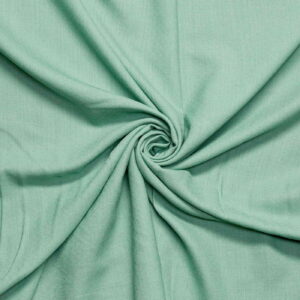
The herringbone weave dates back to the turn between the Bronze Age and the Iron Age.

However, the popularity of the herringbone weave began to gradually decline until it became a less popular choice during the Middle Ages.

The herringbone weave experienced a remarkable revival in the 19th century, regaining its status as a symbol of sophistication and style. Tailors of the era, looking to elevate the craftsmanship of tailored suits, turned to herringbone wool. Its revival in the 19th century gave the herringbone a prominent position in the fashion world.

To this day, the herringbone weave remains an enduring symbol of classic style and sophistication. In contemporary fashion and design, the herringbone pattern remains a testament to its historicity, showing how a pattern that has stood the test of time continues to captivate and inspire subsequent generations.


Color Disclaimer

Buying fabrics online is always a challenge, we know you can’t see them in person before making a decision. And yet, choosing the right color is crucial for the overall look of your garment and its details.

That’s why at Woolsome we do our best to represent our fabrics as accurately as possible. We use a professional photography studio and a dedicated color control system to ensure that our photos reflect reality as closely as possible.

However, please keep in mind that colors may vary slightly depending on your screen. The way they appear can be affected by:

  • your monitor or phone settings,
  • lighting conditions (natural or artificial),
  • the angle at which you view the screen.

Shades of red are particularly difficult to reproduce accurately on digital displays.

You may also notice that the main photo (a close-up of the fabric) appears slightly darker than images taken from a greater distance. This is a natural effect: both cameras and the human eye perceive color differently depending on light and perspective.

Please also note that many of our historical fabrics are woven using threads in two different colors (warp and weft). Up close, their structure is clearly visible, while from a distance the colors visually blend, creating a slightly different overall impression.

We want you to feel confident in your choice.

That’s why you can always order a sample before committing to a larger purchase. We also offer complete sample sets for each of our fabric collections.

Warning

Our fabrics are made from 100% natural wool. As a result, washing at too high a temperature may cause shrinkage or felting. We recommend carefully following the washing instructions and washing wool in max temperature 30°C to preserve their natural structure and quality.

Wash on a wool cycle

Wash on a wool cycle

Gentle spin

Gentle spin

Do not tumble dry

Do not tumble dry

Dry flat

Dry flat

Low heat iron

Low heat iron

Do not bleach

Do not bleach

Description

The fabric made from wool-silk blend, spun in a 50:50 ratio, is a unique combination of two high-quality materials, offering a range of advantages but also carrying some disadvantages.

Advantages

  1. Ease and durability of dyeing: This blend allows for easy dyeing of the fabric, resulting in diverse, deep colors. Moreover, the combination of wool and silk ensures that the dyeing lasts longer, contributing to the color's durability.
  2. Resistance to damage: The fusion of wool and silk creates a fabric with exceptional resistance to mechanical damage, making it more resilient to tears and abrasions than some other fabrics.
  3. Resistance to shrinking: This blend provides greater dimensional stability to the fabric, meaning it is less prone to shrinking during washing or exposure to moisture.
  4. Gentleness of the material: Wool and silk fabric is incredibly gentle to the touch, making it comfortable and pleasant for the skin when wearing clothes made from this material.
  5. Material's sheen: Thanks to the addition of silk, the fabric acquires a delicate sheen, adding elegance and making it ideal for creating luxurious, high-quality garments.
  6. Incredible softness of the material: The combination of wool and silk creates a fabric with exceptional softness, making it enjoyable to wear for extended periods.

Disadvantages:

High cost of the product: One of the main drawbacks of this type of fabric is its cost. Due to the high-quality raw materials used, the production process, and the desired characteristics, products made from 50:50 wool-silk blend yarn are usually more expensive than garments made from other materials.

Although wool-silk fabric has many advantages, the price can be a significant factor in the choice for consumers. However, for those who value quality, durability, and comfort in wear, this material blend can be an attractive choice.

Exceptionally lightweight and delicate, ultra-thin wool and silk fabric proves to be a versatile choice for various applications that prioritize comfort, breathability, and a subtle touch. The inherent benefits of very thin fabric make it an ideal material for the following purposes:

Base layers: Capitalizing on its insulating properties without adding bulk, very thin fabric from wool and silk excels in crafting base layers. Tops and bottoms made from this fine fabric are perfect for outdoor pursuits such as hiking, skiing, or camping, providing insulation without compromising ease of movement.

Summer apparel: When seeking a lightweight, breathable option with a hint of insulation for summer attire, thin wool and silk garments fit the bill. Shirts, dresses, skirts, and shorts made from very thin wool and silk fabric offer a natural, moisture-wicking fabric, ensuring coolness in hot weather and protection against sudden temperature changes or chilly evenings.

Accessories: Very thin wool and silk fabric is a popular choice for crafting accessories like scarves, shawls, wraps, and lightweight blankets.

These items provide a touch of warmth and coziness without being cumbersome, adding versatility and ease of layering or carrying.

Baby clothing: Gentle on delicate skin, very thin wool emerges as an excellent option for baby clothing. Thin wool and silk fabric onesies, sleepers, hats, and booties offer natural insulation and breathability, ensuring the comfort of little ones throughout various seasons. The delicate nature of this fabric enhances its suitability for the sensitivity of baby skin, providing a cozy and nurturing experience.

Evening wear: The incredible softness of wool and silk fabrics also allows you to create amazing evening outfits. The light, flowing material is perfect for tight-fitting dresses or jumpsuits. The delicate shine thanks to the addition of silk makes them the star of the evening.

The herringbone weave is a distinctive pattern used weaving of fabrics. Its name comes from its resemblance to the skeleton of a herring fish, as the pattern consists of a series of V-shaped, chevron, or zigzag lines. Here are some characteristics of the herringbone weave:

The most prominent feature of the herringbone weave is its zigzag pattern, created by a series of parallel diagonal lines that reverse direction at regular intervals, forming V-shapes. The herringbone pattern is repetitive and symmetrical, creating a visually appealing design that is commonly used for decorative and aesthetic purposes. The weaving process of herringbone often creates a textured surface, adding depth and interest to the fabric. This can enhance both the visual and tactile qualities of the material.

The herringbone weave is known for its durability and strength. The interlocking diagonal structure provides stability to the fabric, making it suitable for a range of applications, including outerwear and upholstery.

Herringbone is a classic and timeless pattern that has been used for centuries. Its enduring appeal makes it a popular choice for traditional and contemporary designs alike.

Herringbone patterns can be woven with various color combinations, allowing for a wide range of design options. This makes it adaptable to different styles and preferences.

The herringbone weave is commonly used in tailored clothing, such as suits and blazers.

It adds a touch of sophistication and visual interest to the fabric, making it a popular choice for formal and semi-formal attire.

Overall, the herringbone weave is characterized by its distinctive and recognizable pattern, versatility, durability, and timeless appeal, making it a popular choice in the world of textiles and fashion.
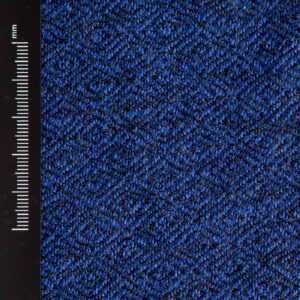
The herringbone weave dates back to the turn between the Bronze Age and the Iron Age.
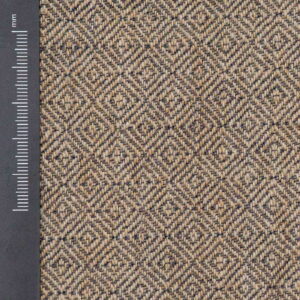
However, the popularity of the herringbone weave began to gradually decline until it became a less popular choice during the Middle Ages.
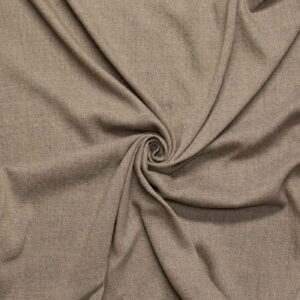
The herringbone weave experienced a remarkable revival in the 19th century, regaining its status as a symbol of sophistication and style. Tailors of the era, looking to elevate the craftsmanship of tailored suits, turned to herringbone wool. Its revival in the 19th century gave the herringbone a prominent position in the fashion world.

To this day, the herringbone weave remains an enduring symbol of classic style and sophistication. In contemporary fashion and design, the herringbone pattern remains a testament to its historicity, showing how a pattern that has stood the test of time continues to captivate and inspire subsequent generations.
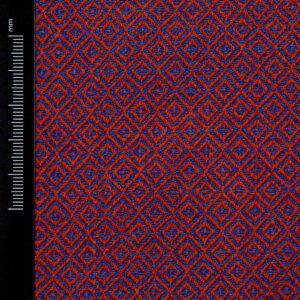

Colours in WoolSome
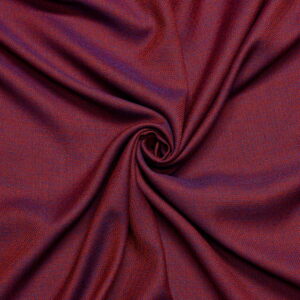
Color Disclaimer

Buying fabrics online is always a challenge, we know you can’t see them in person before making a decision. And yet, choosing the right color is crucial for the overall look of your garment and its details.

That’s why at Woolsome we do our best to represent our fabrics as accurately as possible. We use a professional photography studio and a dedicated color control system to ensure that our photos reflect reality as closely as possible.

However, please keep in mind that colors may vary slightly depending on your screen. The way they appear can be affected by:

  • your monitor or phone settings,
  • lighting conditions (natural or artificial),
  • the angle at which you view the screen.

Shades of red are particularly difficult to reproduce accurately on digital displays.

You may also notice that the main photo (a close-up of the fabric) appears slightly darker than images taken from a greater distance. This is a natural effect: both cameras and the human eye perceive color differently depending on light and perspective.

Please also note that many of our historical fabrics are woven using threads in two different colors (warp and weft). Up close, their structure is clearly visible, while from a distance the colors visually blend, creating a slightly different overall impression.

We want you to feel confident in your choice.

That’s why you can always order a sample before committing to a larger purchase. We also offer complete sample sets for each of our fabric collections.

Washing advice

Warning

Our fabrics are made from 100% natural wool. As a result, washing at too high a temperature may cause shrinkage or felting. We recommend carefully following the washing instructions and washing wool in max temperature 30°C to preserve their natural structure and quality.

Wash on a wool cycle

Wash on a wool cycle

Gentle spin

Gentle spin

Do not tumble dry

Do not tumble dry

Dry flat

Dry flat

Low heat iron

Low heat iron

Do not bleach

Do not bleach