



 STFCN - Silk Natural Taffeta Chinese



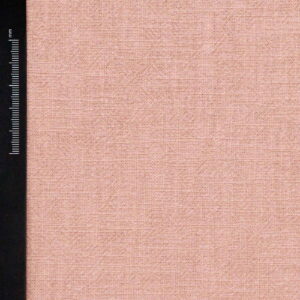
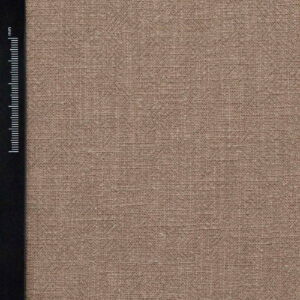
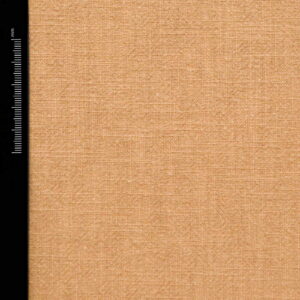
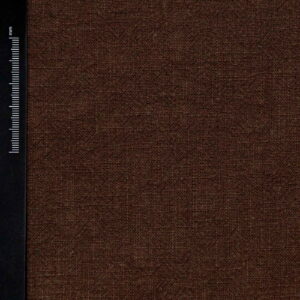

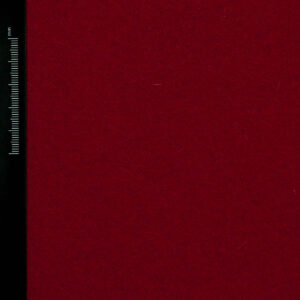
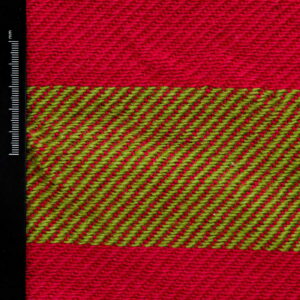
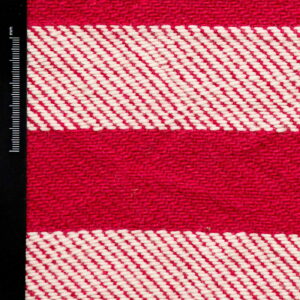







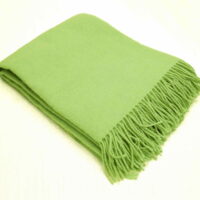
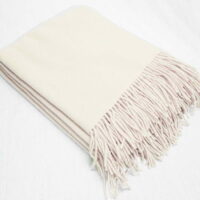
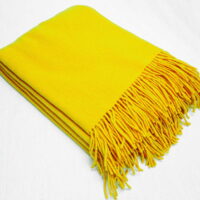
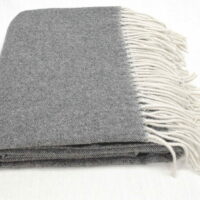




 Our textiles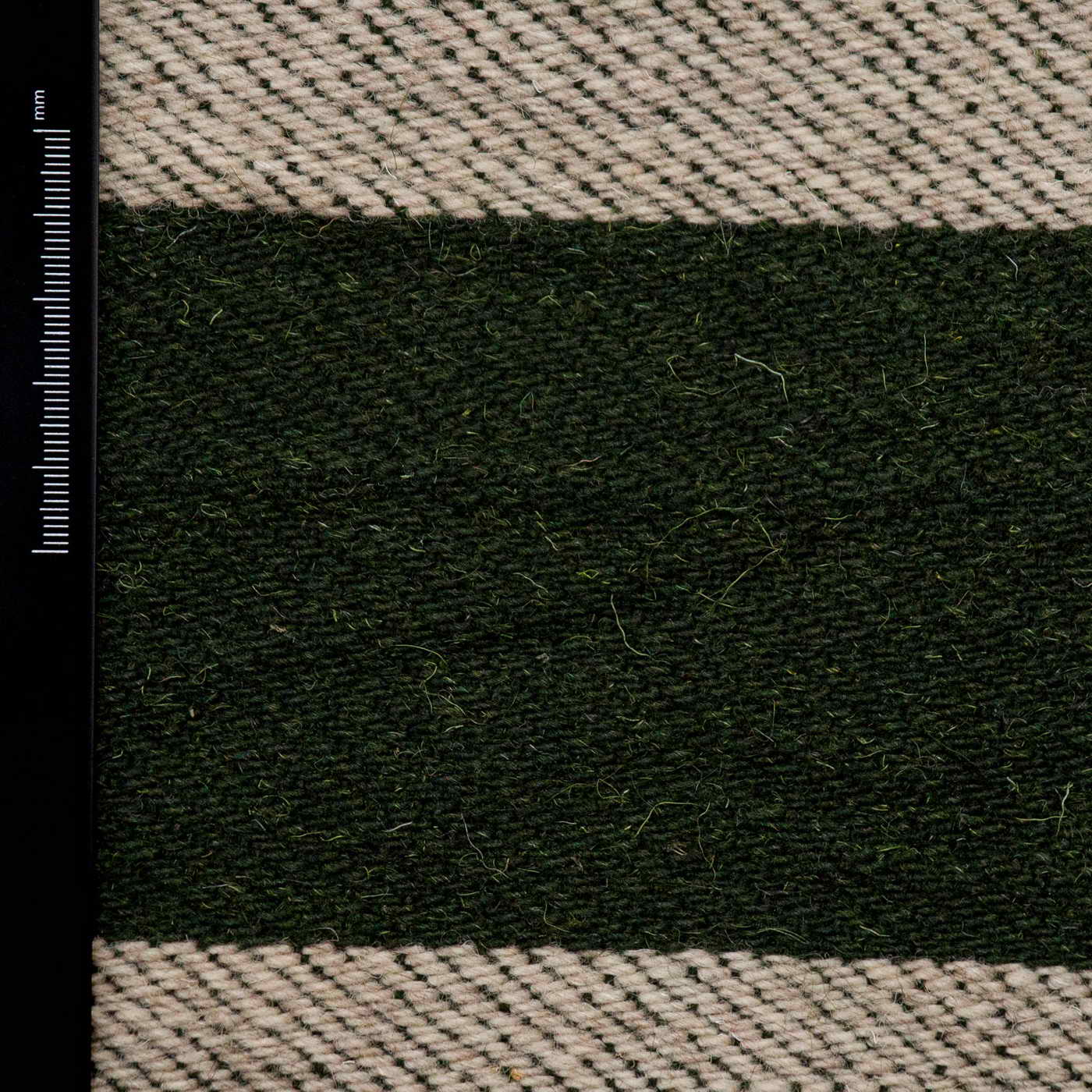
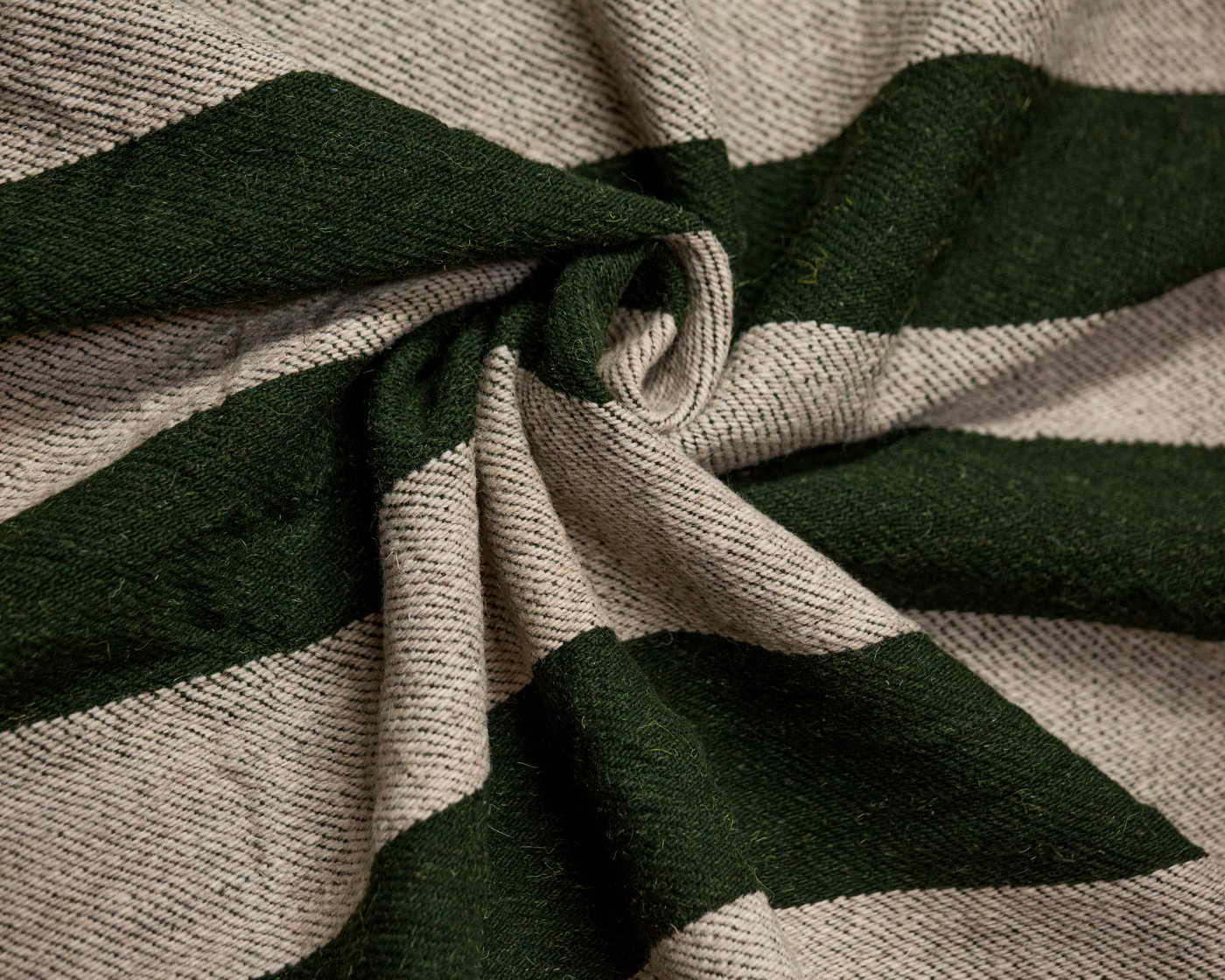
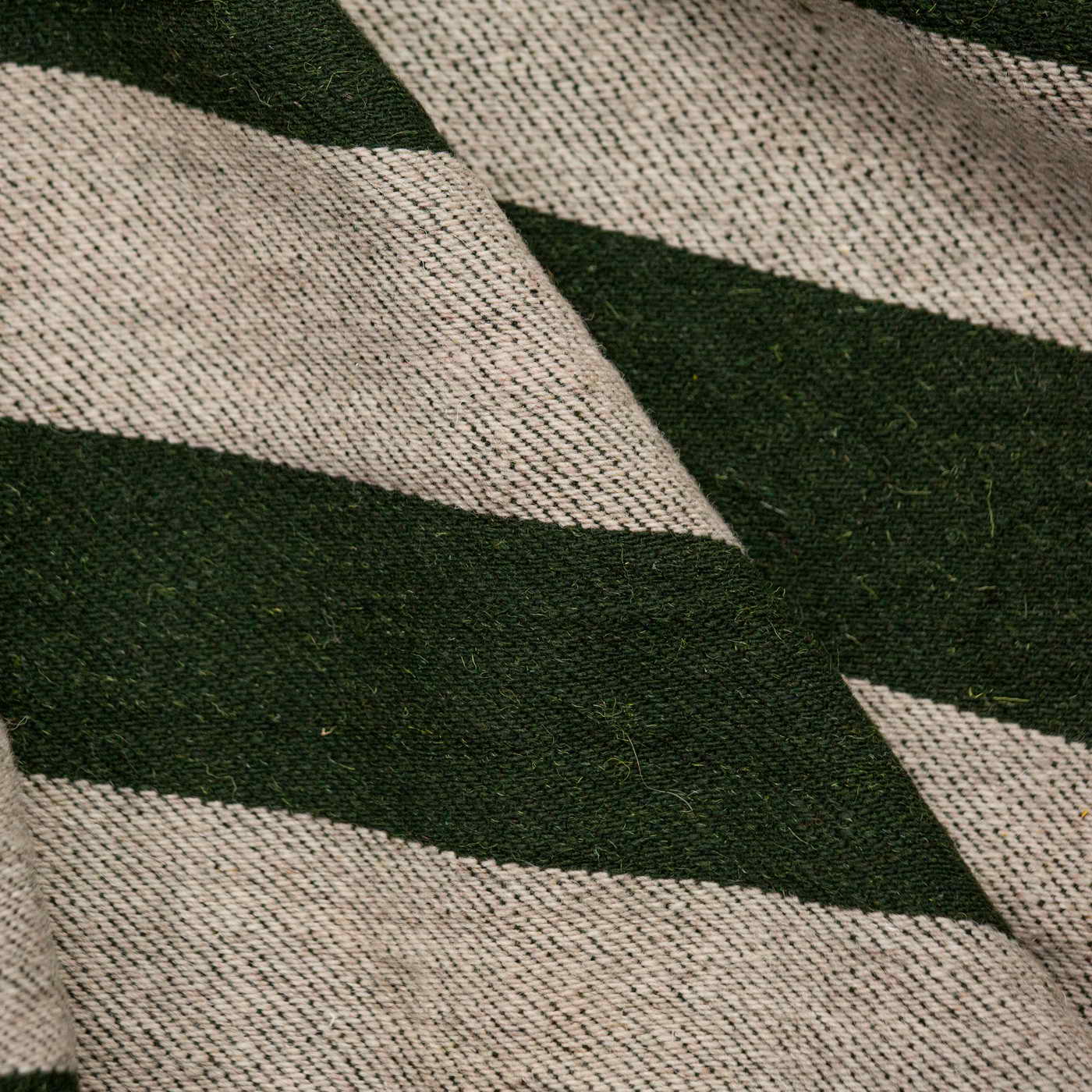


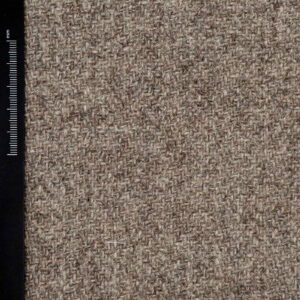
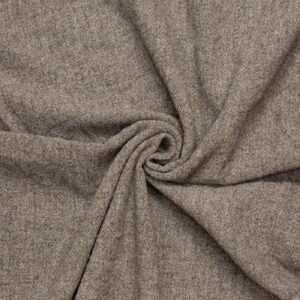
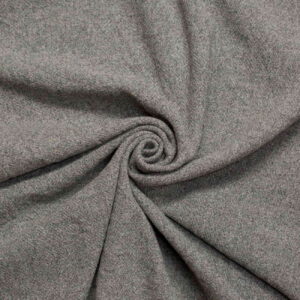
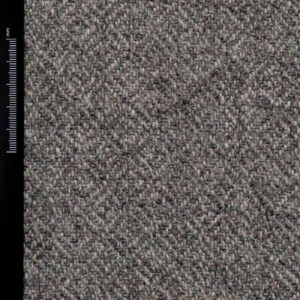
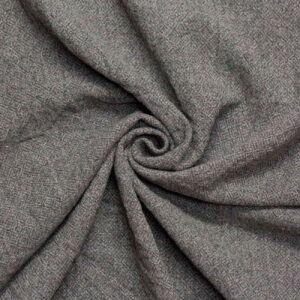
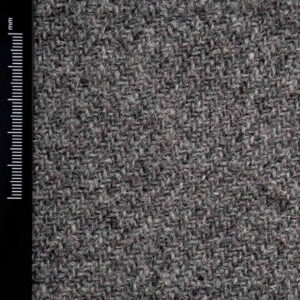
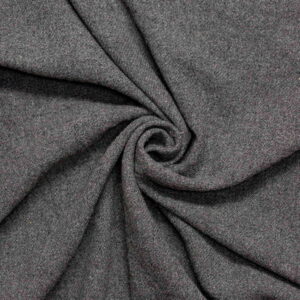
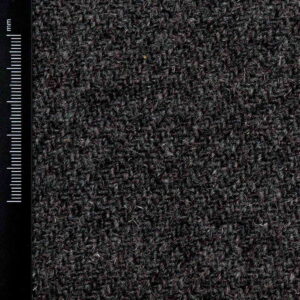
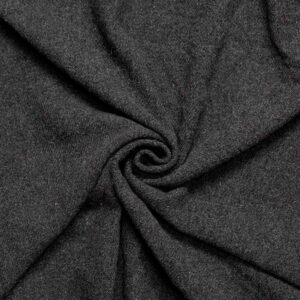

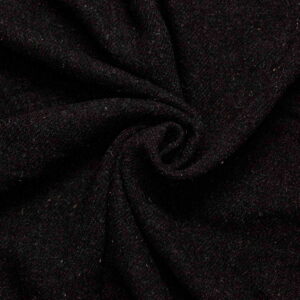

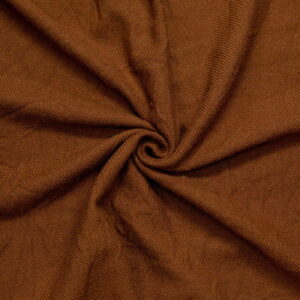
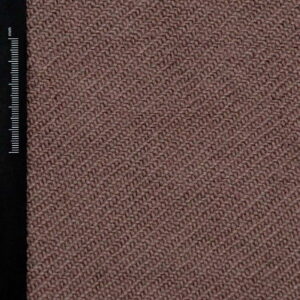

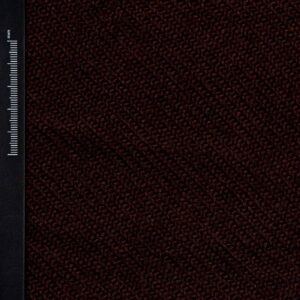
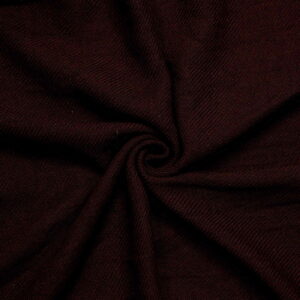

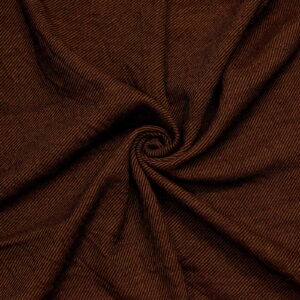
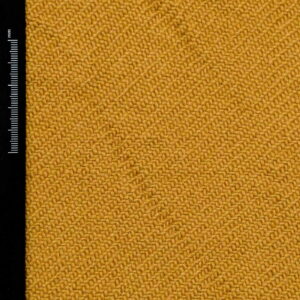
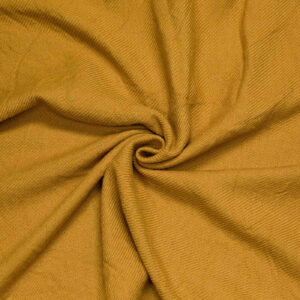
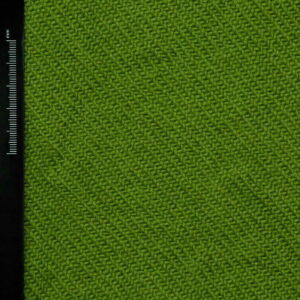
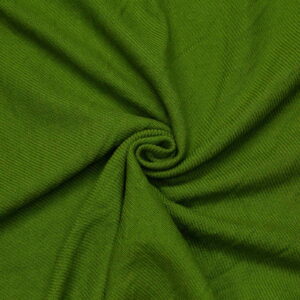

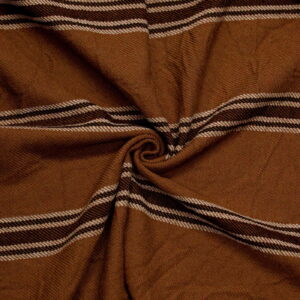


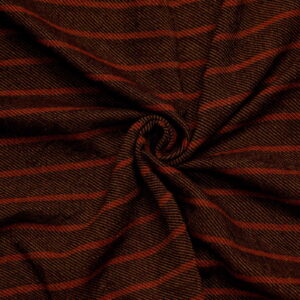
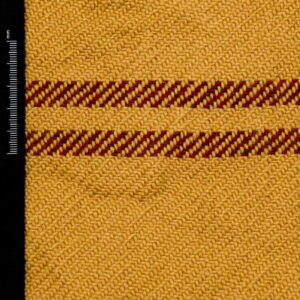
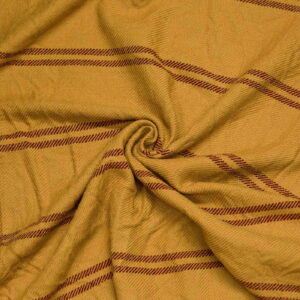
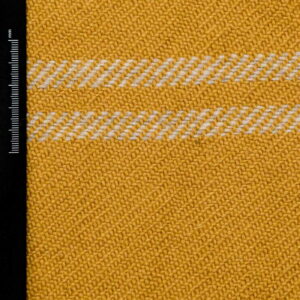
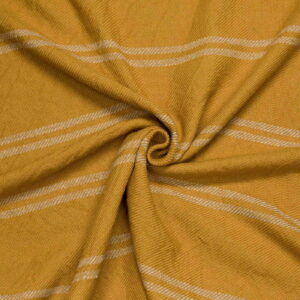
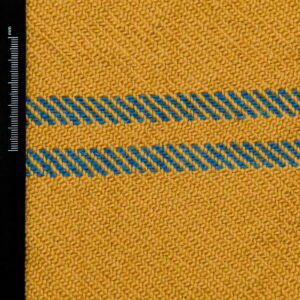
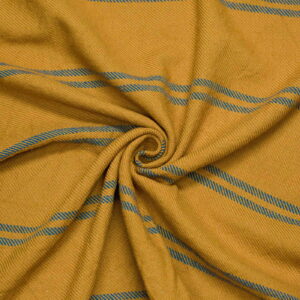
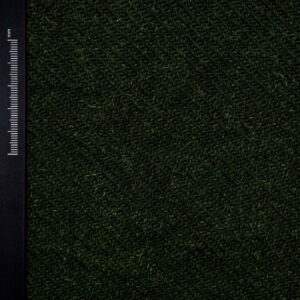
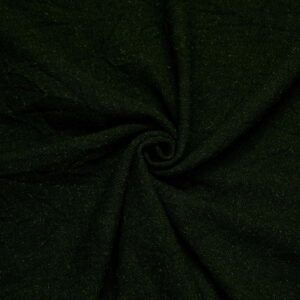
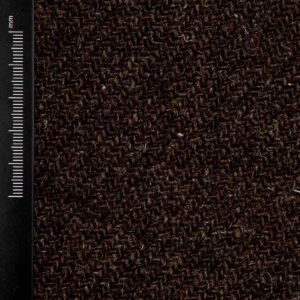
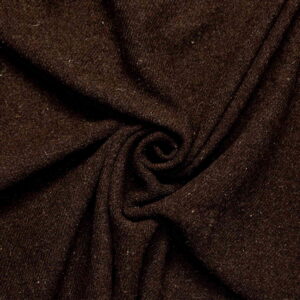


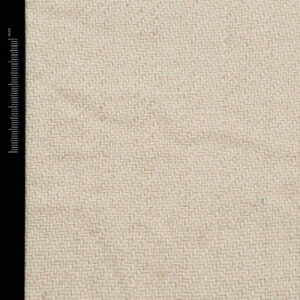
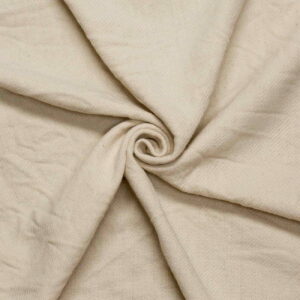


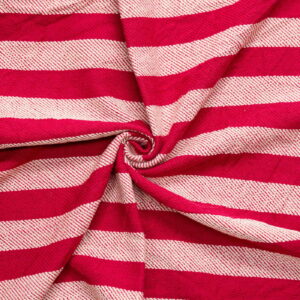

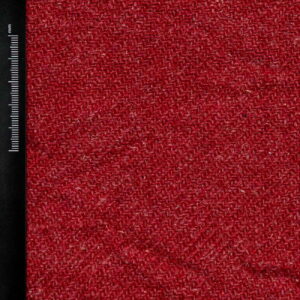


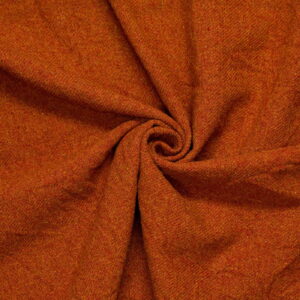
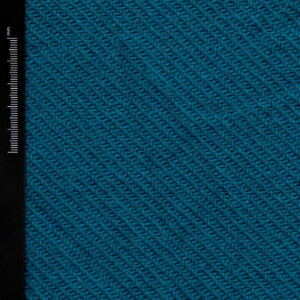
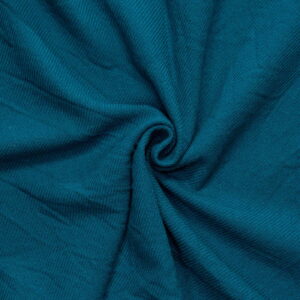


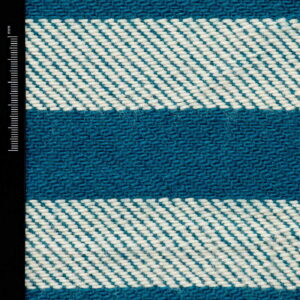

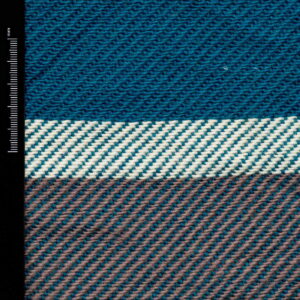
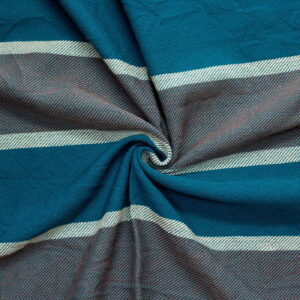

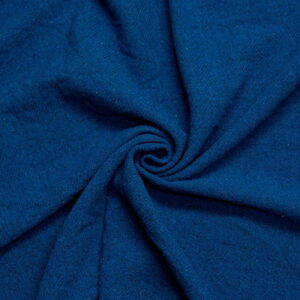


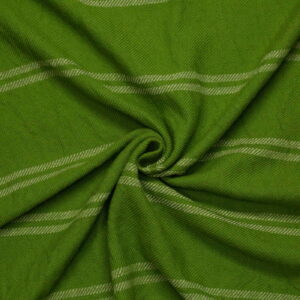


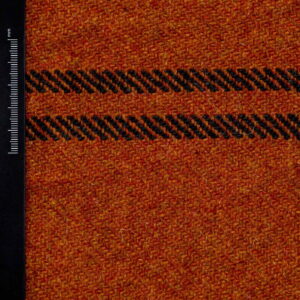
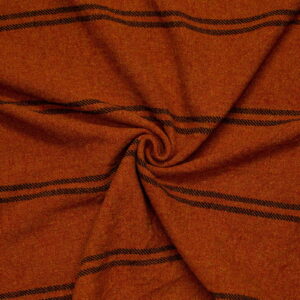


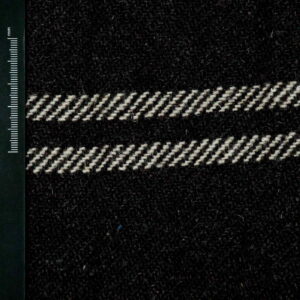

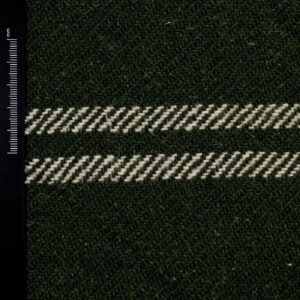
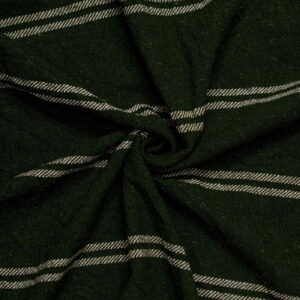
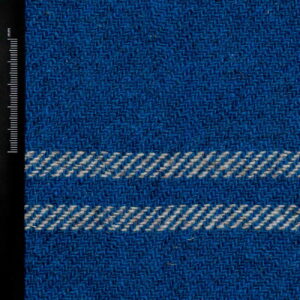
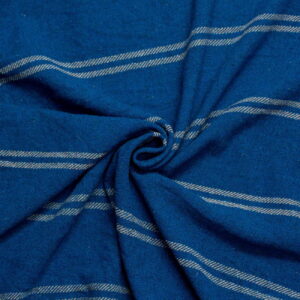

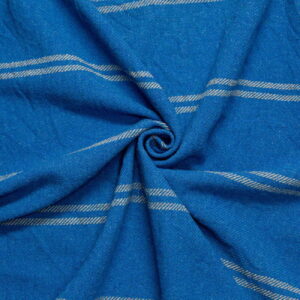
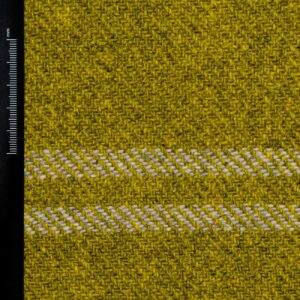
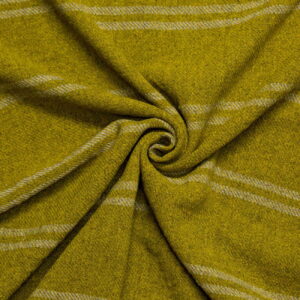


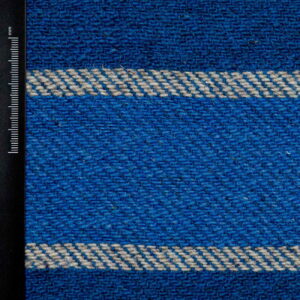


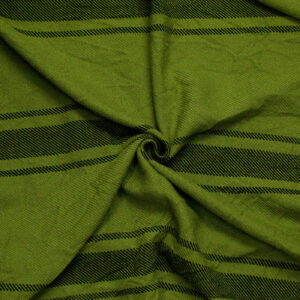

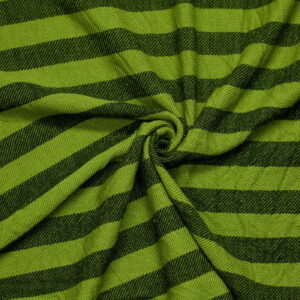


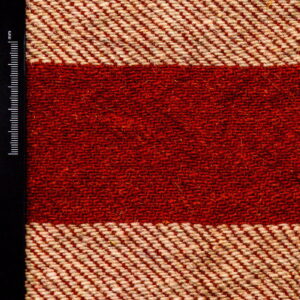
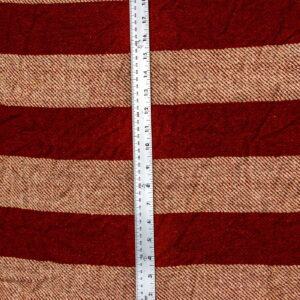


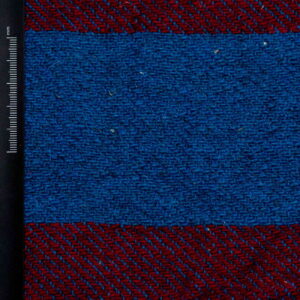

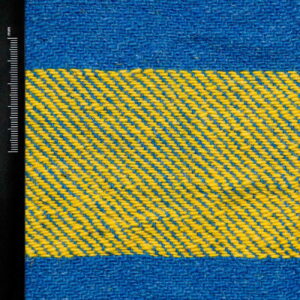


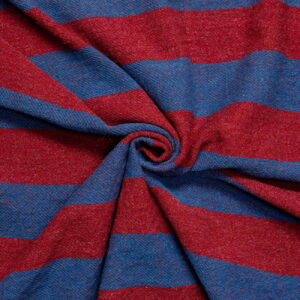

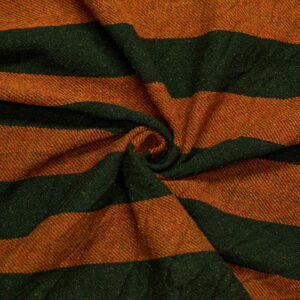

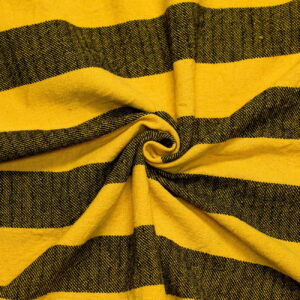
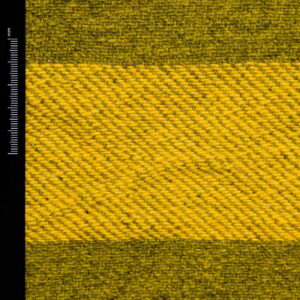
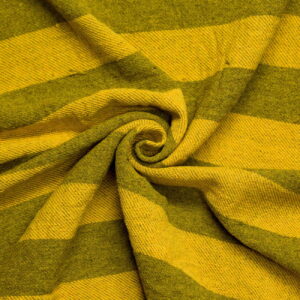
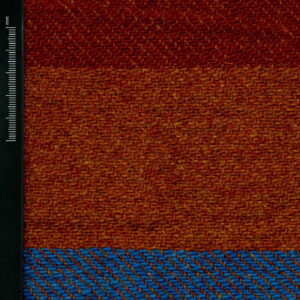


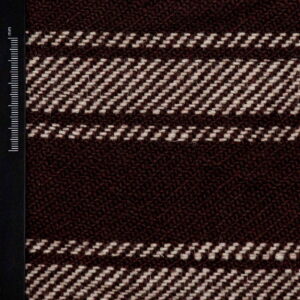

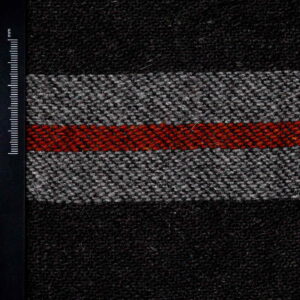
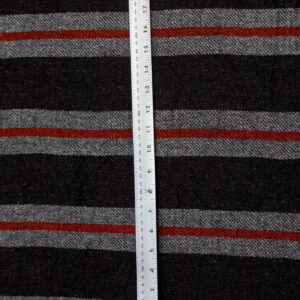
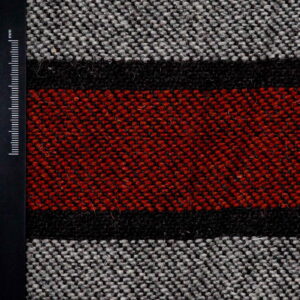
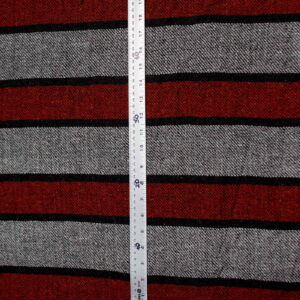

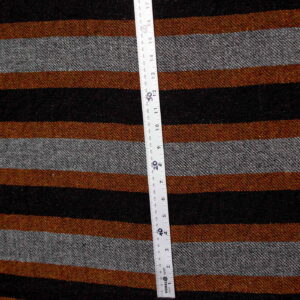
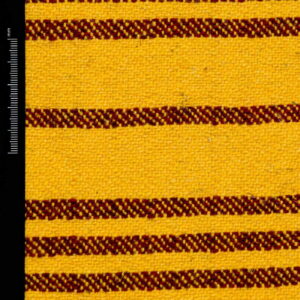
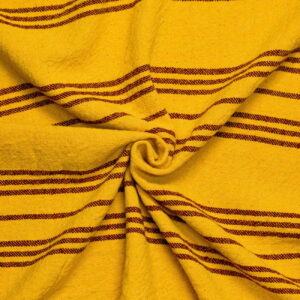

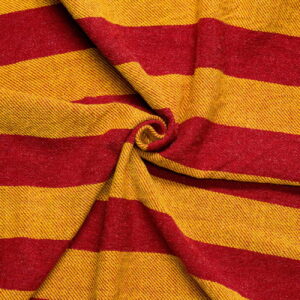
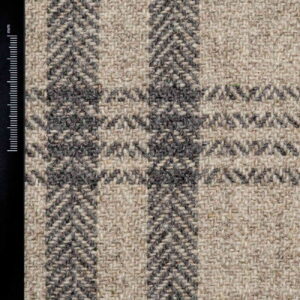

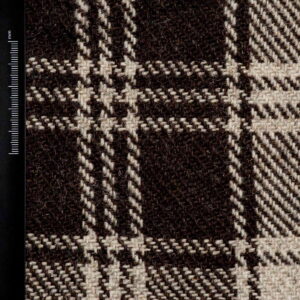
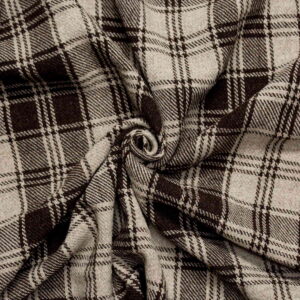



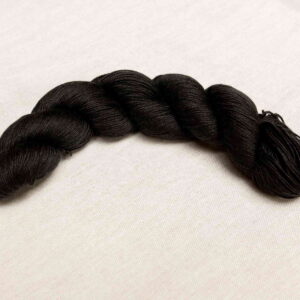
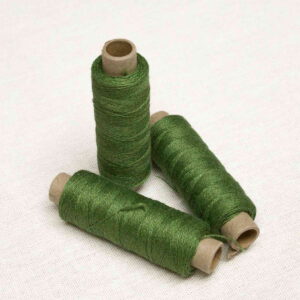
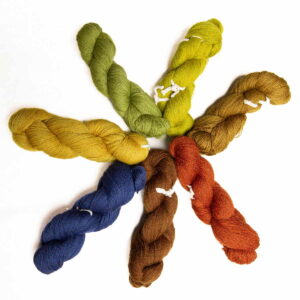

We chose European wool for the WCHT collection because it represents an authentic continuation of Europe’s textile traditions. This wool, sourced from a variety of native sheep breeds, closely resembles the materials historically used in clothing, blankets, and other textiles throughout the continent.
Its natural structure — a blend of long, resilient fibers and shorter, coarser hairs — gives it both strength and a distinctive texture that modern wools, such as Merino, simply cannot replicate.
For historical reconstruction and reenactment, authenticity matters not only in appearance but also in how a fabric feels and behaves. European wool captures that essence: it is warm, durable, and slightly rustic to the touch, just like the fabrics worn in past centuries. This quality ensures that garments made from it drape, insulate, and age in a way that remains faithful to historical standards.
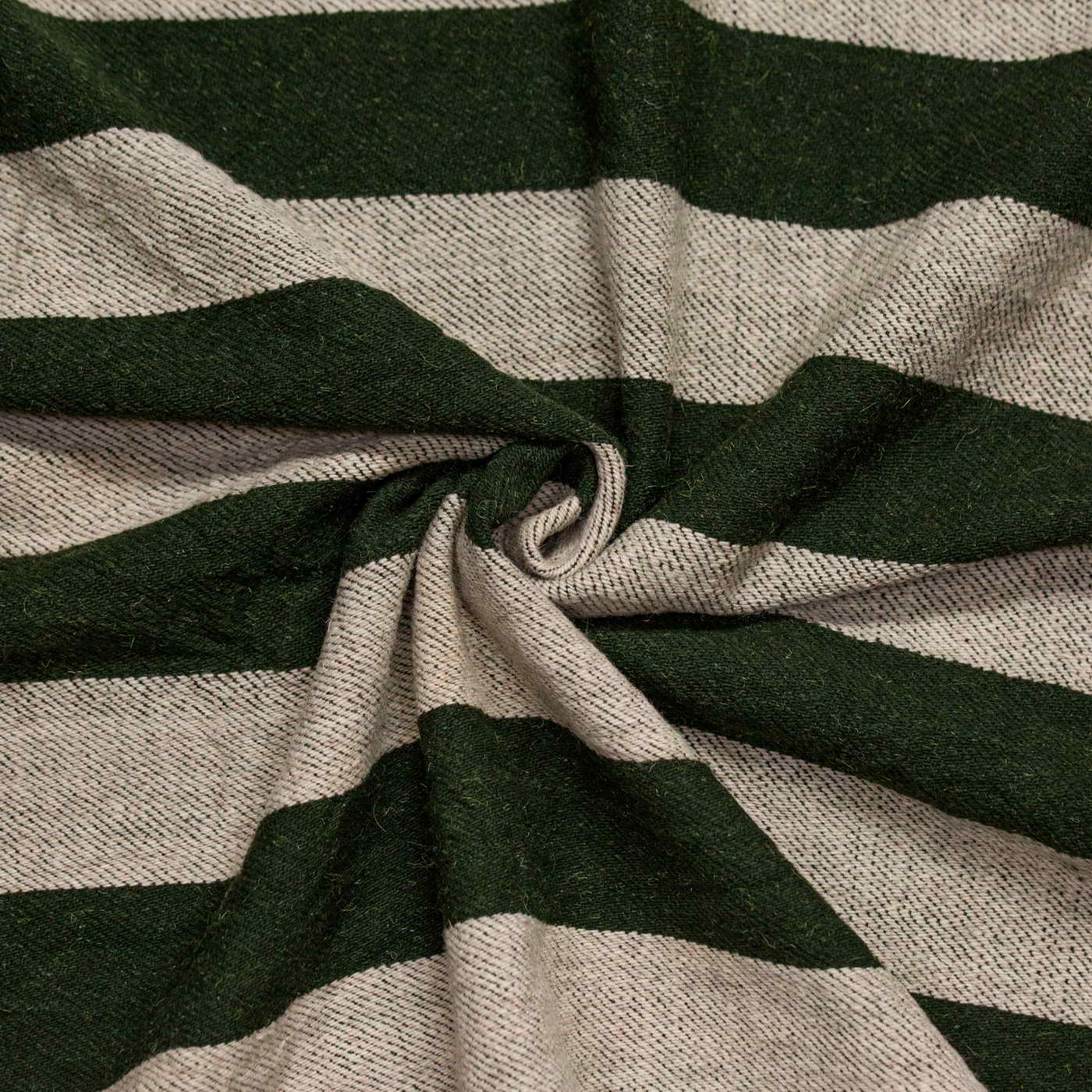
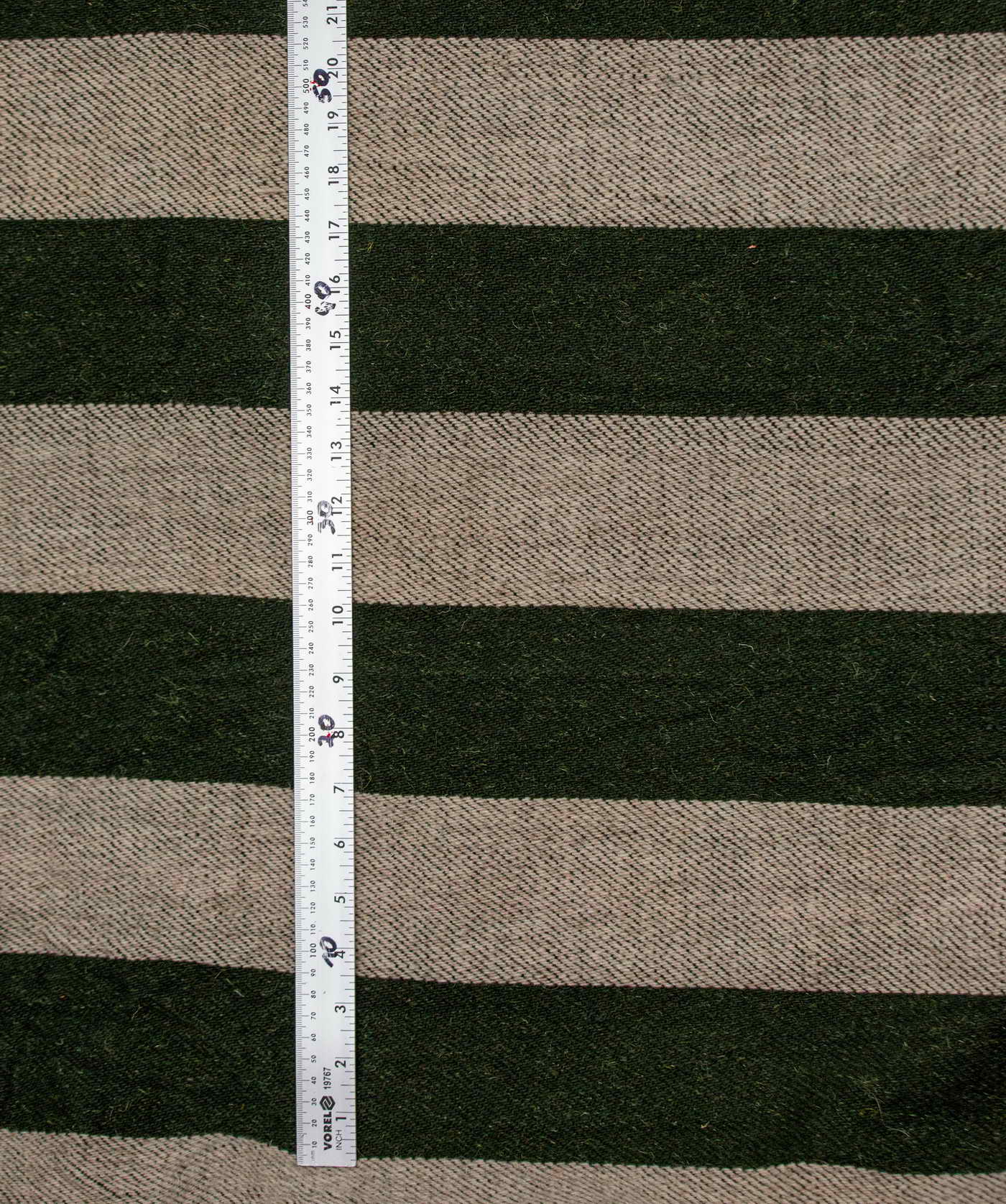
The WCHTS fabrics is a specially prepared assortment inspired by archaeological finds and historical iconography.
It includes various types of striped textiles that reflect the patterns, colors, and structures seen in period artworks and depictions. Each fabric has been carefully designed to echo authentic historical aesthetics while maintaining the quality and durability required for modern use.
These unique textiles are produced in limited quantities at the weaving mill of Ilia Staricov in Europe. Utilizing horizontal looms equipped with a "flying shuttle," the production process authentically replicates historical weaving techniques.
Additionally, the WCHT project invites collaboration: in the Your Ideas tab, you can share your own suggestions for new fabrics inspired by historical sources. Selected proposals may become part of future WCHT fabrics.
Wool fabrics are worth buying for several compelling reasons:
- Insulation: Wool provides excellent warmth, making it ideal for cold weather.
- Breathability: It regulates body temperature, keeping you comfortable in various climates.
- Durability: Wool is strong and resilient, ensuring long-lasting use.
- Moisture Management: It naturally wicks away moisture, keeping you dry.
- Odor Resistance: Wool's antibacterial properties prevent odors, even with prolonged wear.
- Sustainability: Wool is a renewable, biodegradable, and eco-friendly material.
Choosing wool fabrics combines comfort, functionality, and environmental benefits, making it a smart investment for quality and sustainability.
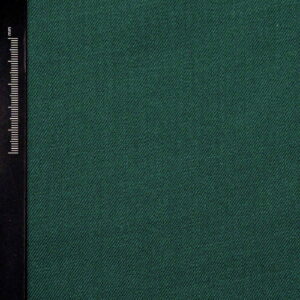
A twill pattern is a type of textile weave characterized by its diagonal rib pattern. This distinctive design is created by the way the weft threads are woven over and under the warp threads, typically in a pattern such as "over two, under two" (for a 2/2 twill). This method causes the weave to shift by two thread in each row, resulting in the diagonal lines that are the hallmark of twill fabric.
Key characteristics of twill patterns include:
- Diagonal Ridges: Visible diagonal lines or ribs that run across the fabric.
- Durability: The twill weave structure makes the fabric strong and resistant to wear and tear.
- Texture: Twill fabrics often have a soft drape and texture, making them comfortable to wear.
Twill patterns are versatile and commonly used in clothing, upholstery, and other textile applications due to their strength and appealing texture.