



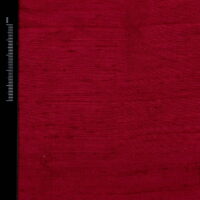
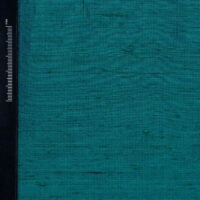
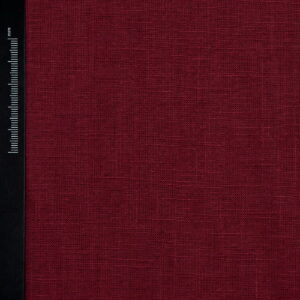
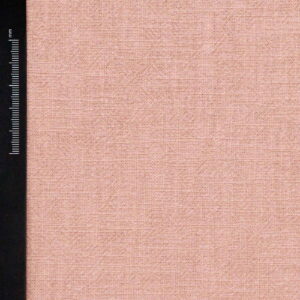
 STFCN - Silk Natural Taffeta Chinese

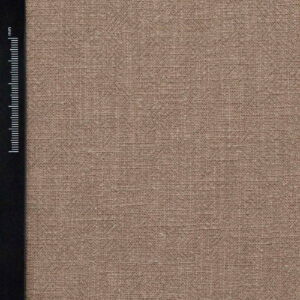
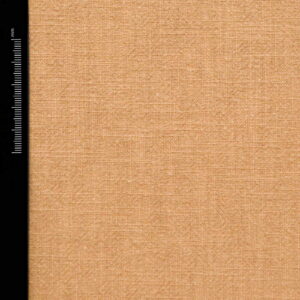
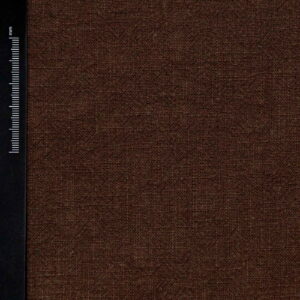
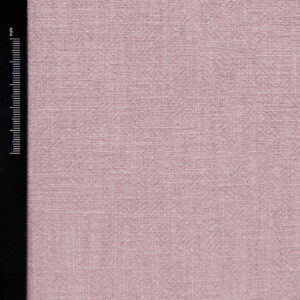

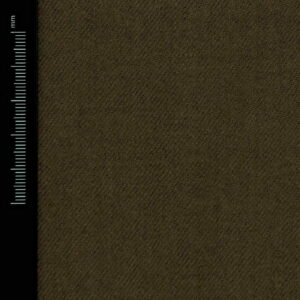
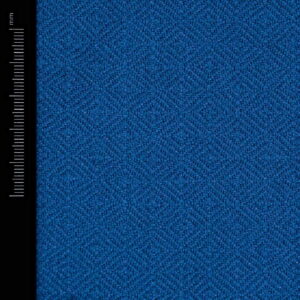
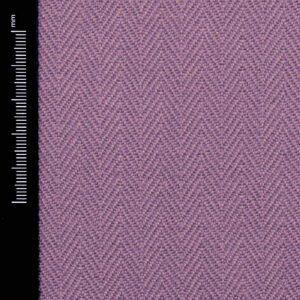
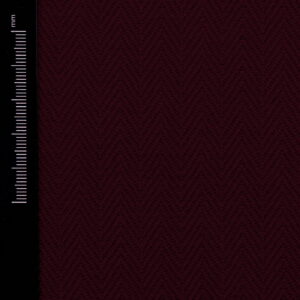












 Our textiles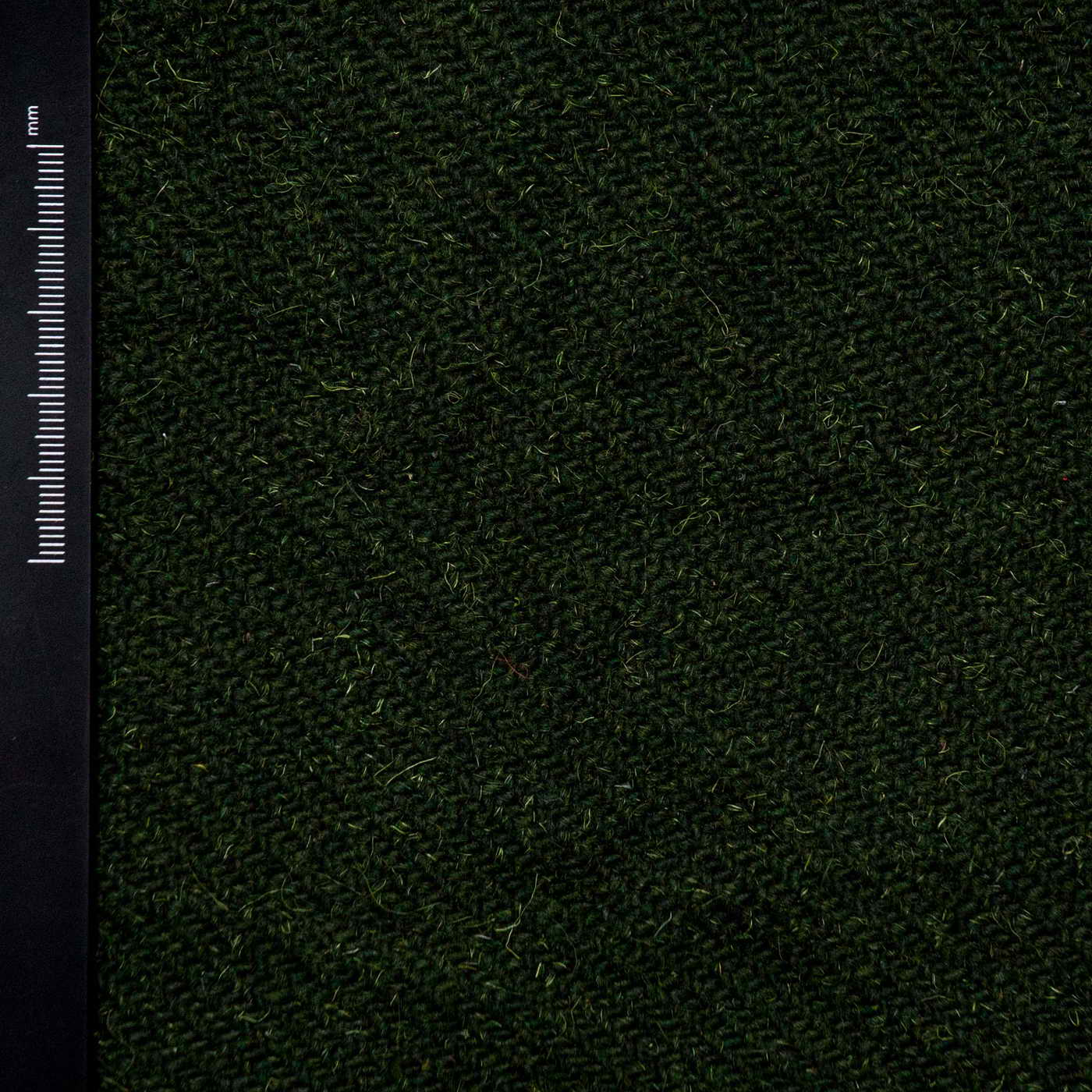
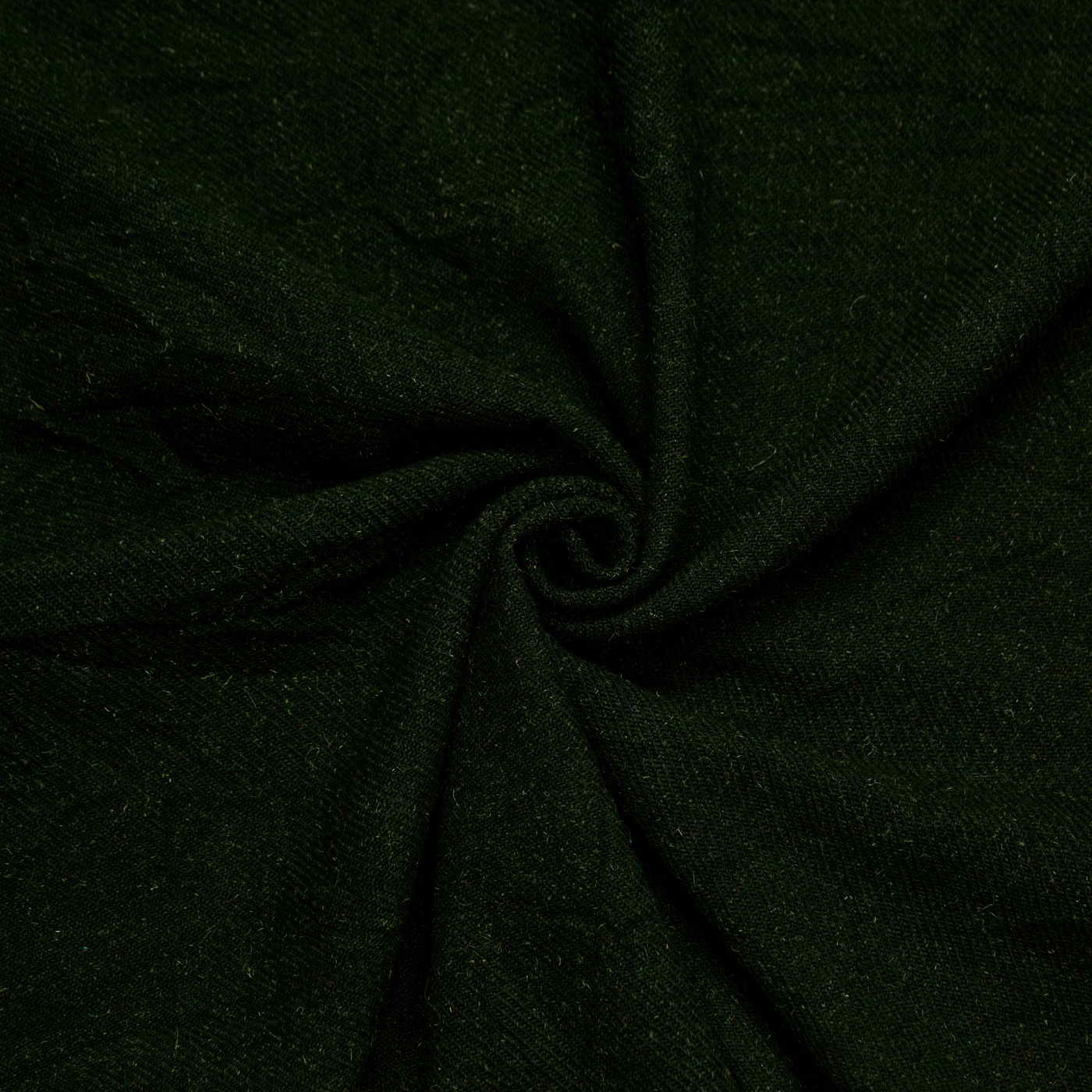

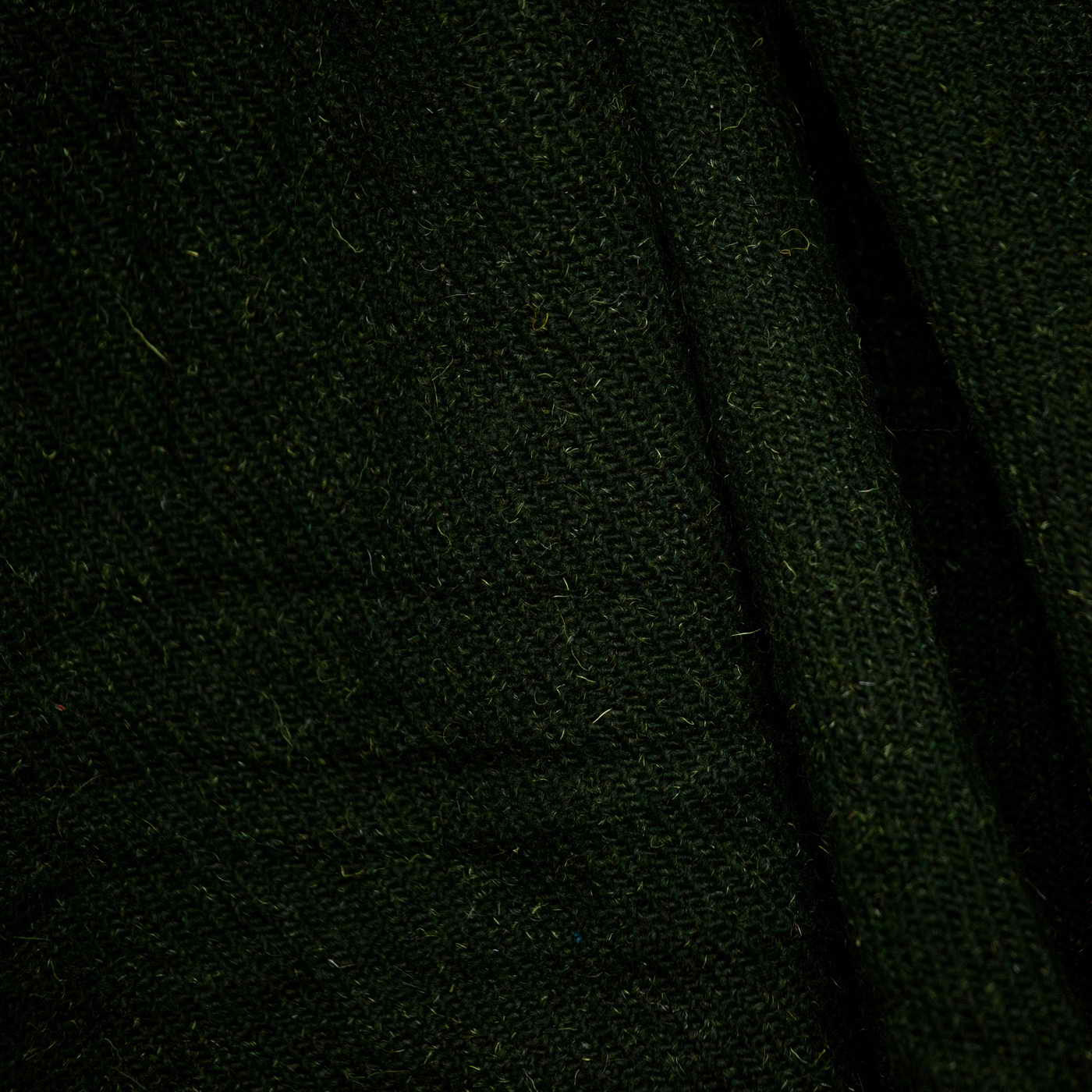



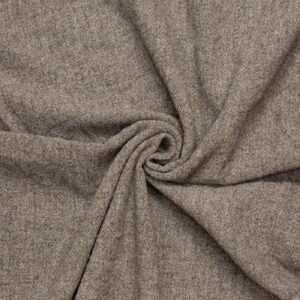
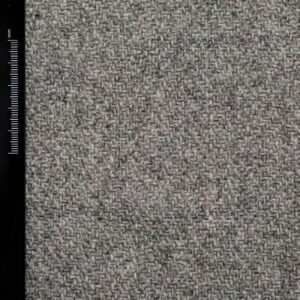
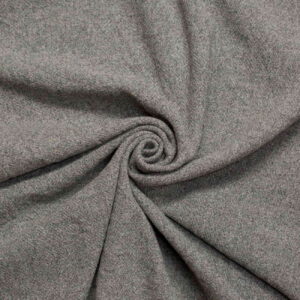
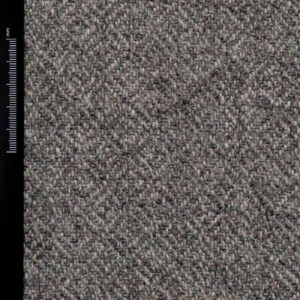
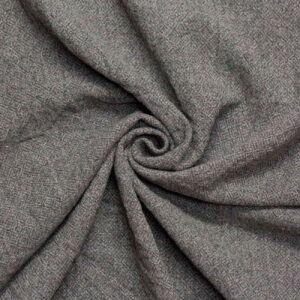
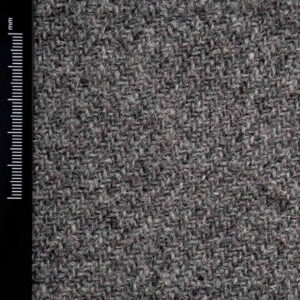
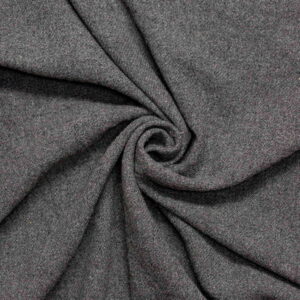
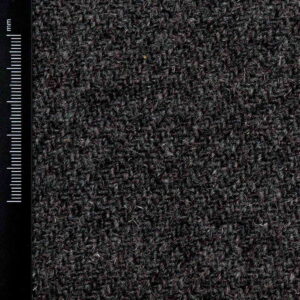
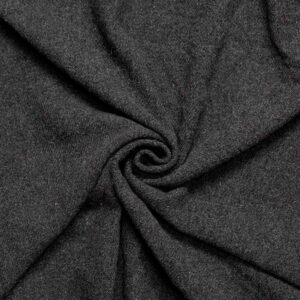

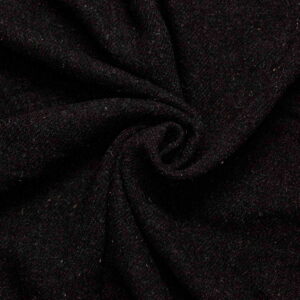

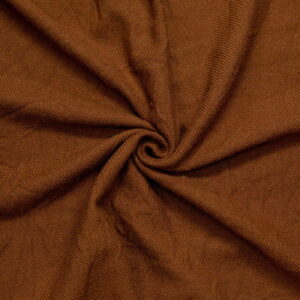
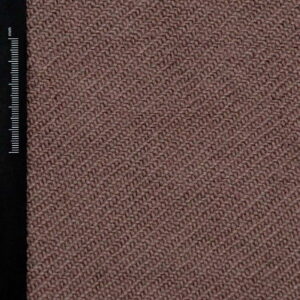

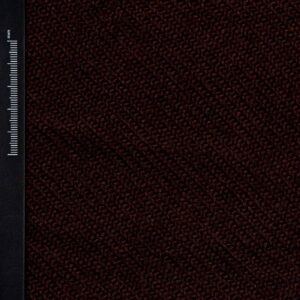
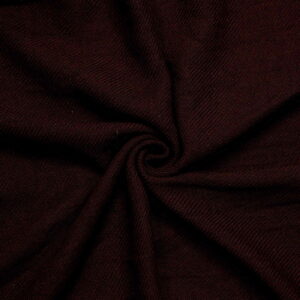

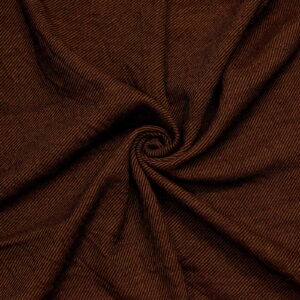
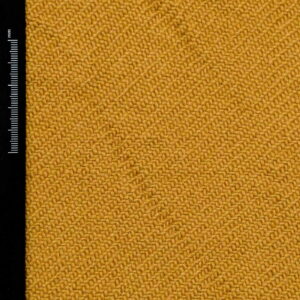
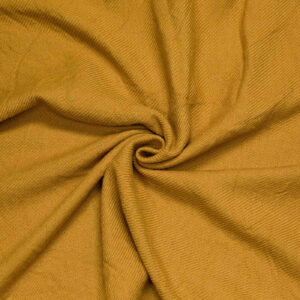
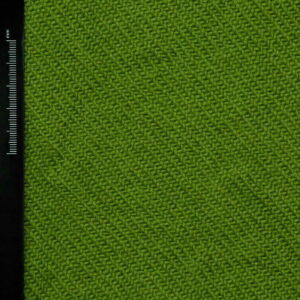
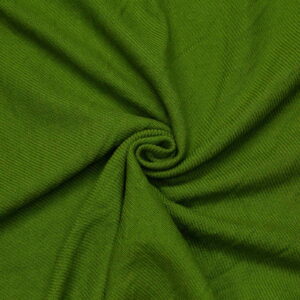

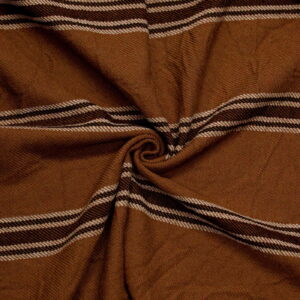


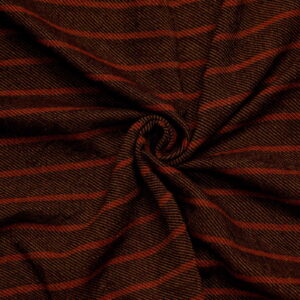
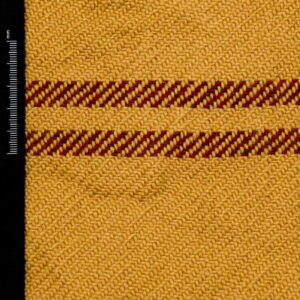
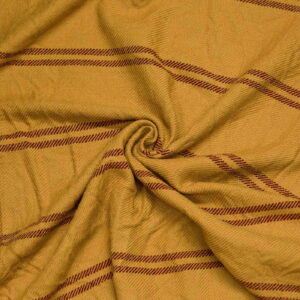
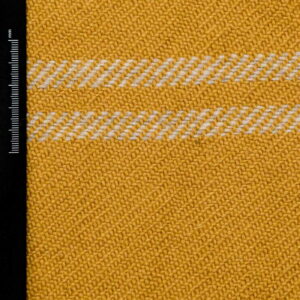
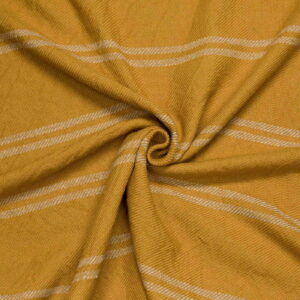
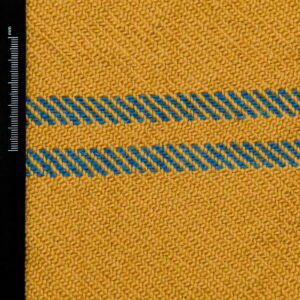
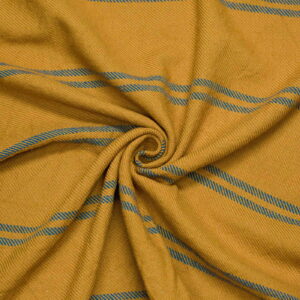
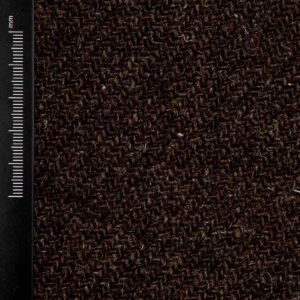
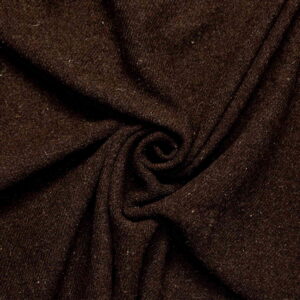


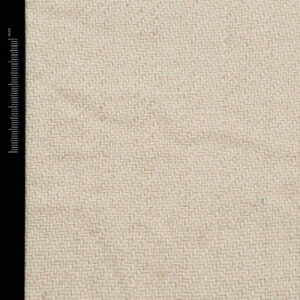
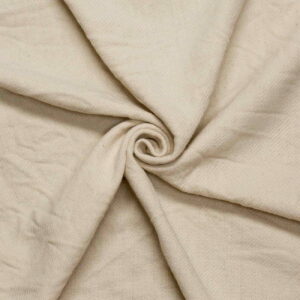


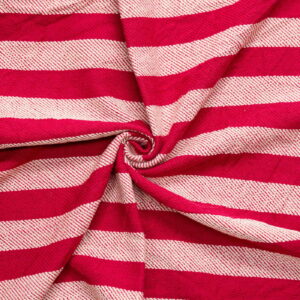
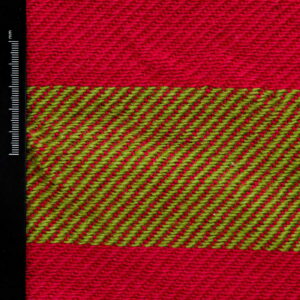

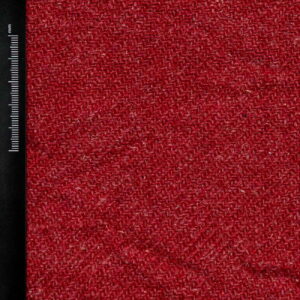


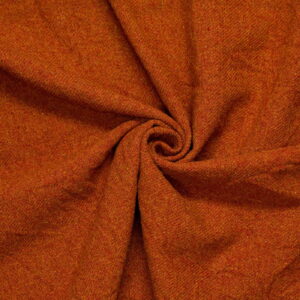



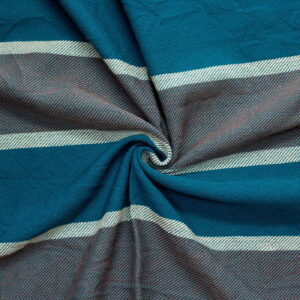

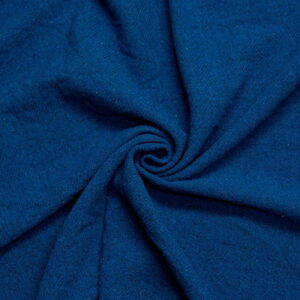


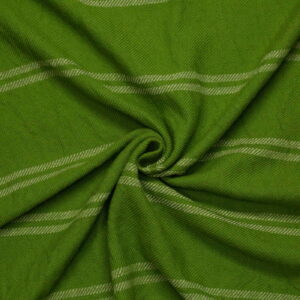


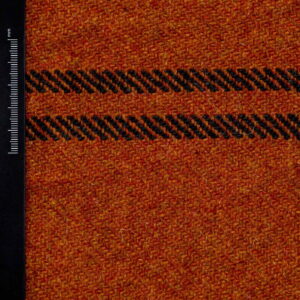
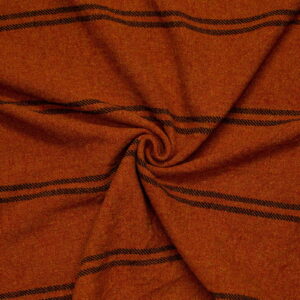


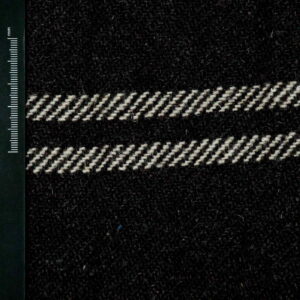

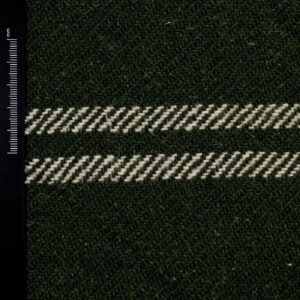
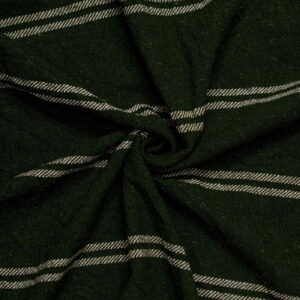
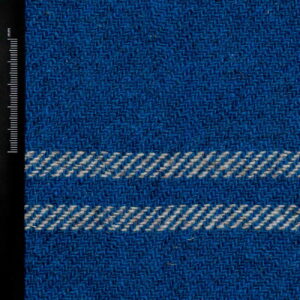
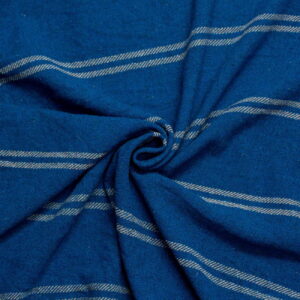

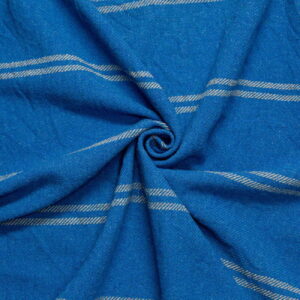
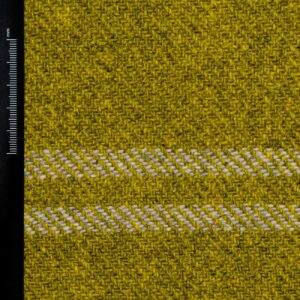
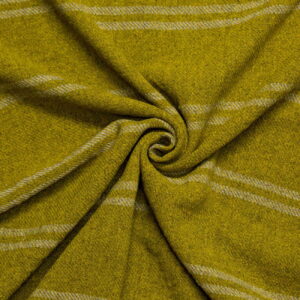


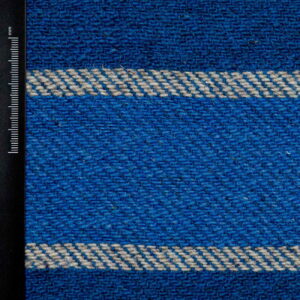


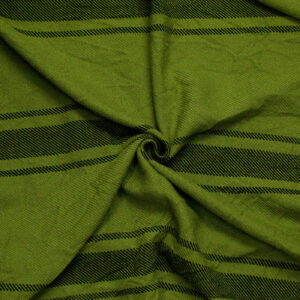

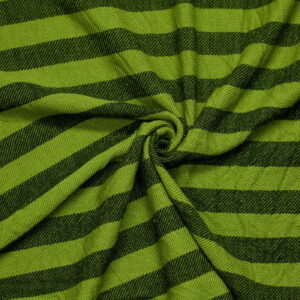


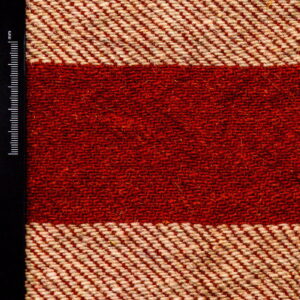
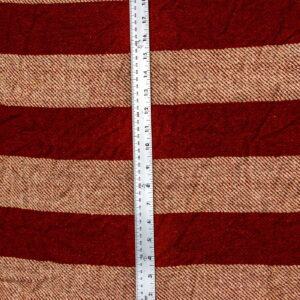


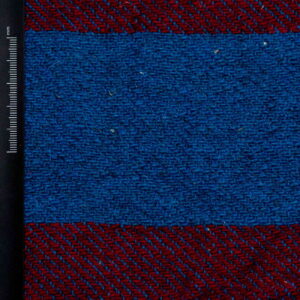

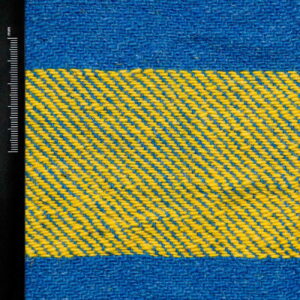


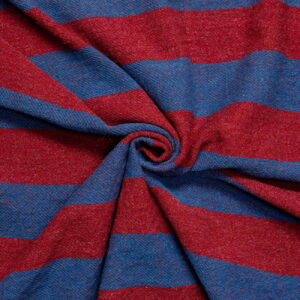

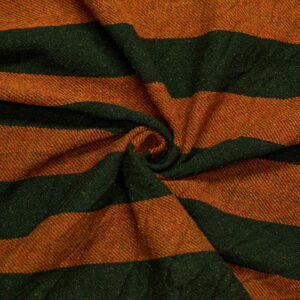

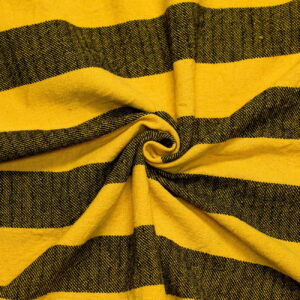
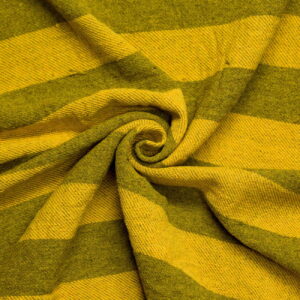


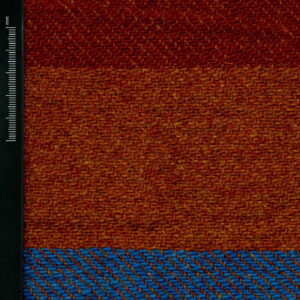


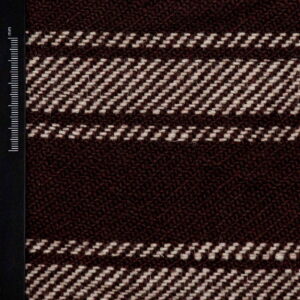

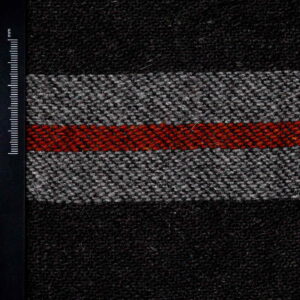
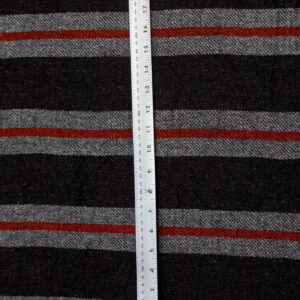
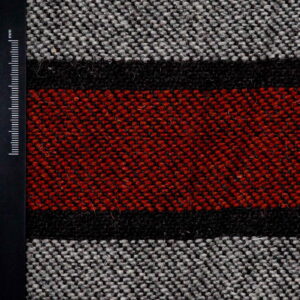
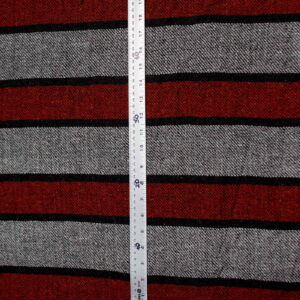

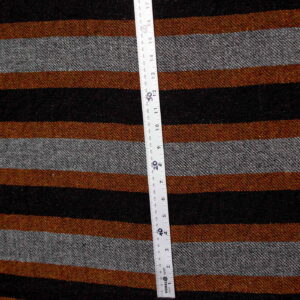
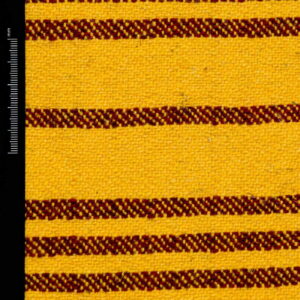
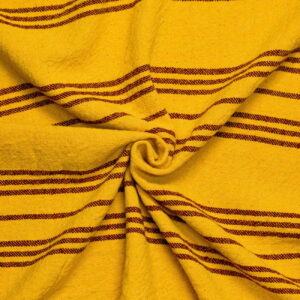

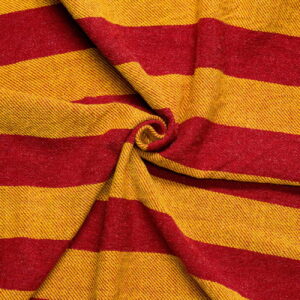
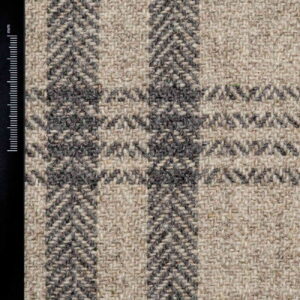

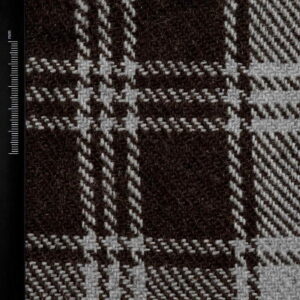
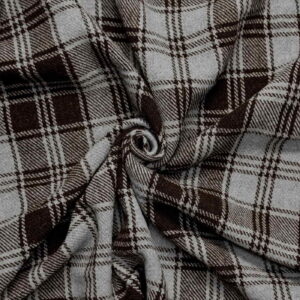


European wool, distinct from the well-known Merino wool, comes from various breeds of sheep.
This wool meets historical standards, making it particularly suitable for historical reconstruction and reenactment projects.
Unlike Merino wool, European wool contains both long fibers and shorter, coarser covering hairs. This unique combination gives the wool a more spatial and textured structure. While it offers numerous advantages, such as durability and authenticity, the presence of the shorter, harder hairs makes European wool rougher and itchier compared to the softer Merino variety. Despite this, its historical accuracy and unique properties make it a valuable material for those dedicated to reproduction and recreating historical garments and textiles.
The WCHT collection is a specially prepared assortment of fabrics inspired by archaeological finds.
These unique textiles are produced in limited quantities at the weaving mill of Ilia Staricov in Europe. Utilizing horizontal looms equipped with a "flying shuttle," these fabrics authentically replicate historical weaving techniques. Each piece in the WCHT collection embodies a blend of ancient craftsmanship and meticulous modern production, offering a rare opportunity to experience textiles steeped in history.
Wool fabrics are worth buying for several compelling reasons:
- Insulation: Wool provides excellent warmth, making it ideal for cold weather.
- Breathability: It regulates body temperature, keeping you comfortable in various climates.
- Durability: Wool is strong and resilient, ensuring long-lasting use.
- Moisture Management: It naturally wicks away moisture, keeping you dry.
- Odor Resistance: Wool's antibacterial properties prevent odors, even with prolonged wear.
- Sustainability: Wool is a renewable, biodegradable, and eco-friendly material.
Choosing wool fabrics combines comfort, functionality, and environmental benefits, making it a smart investment for quality and sustainability.
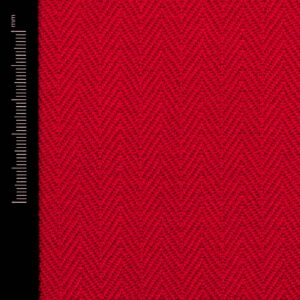
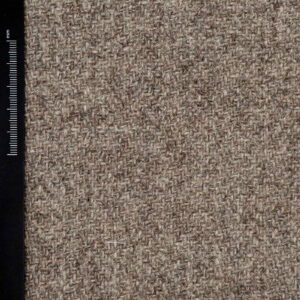
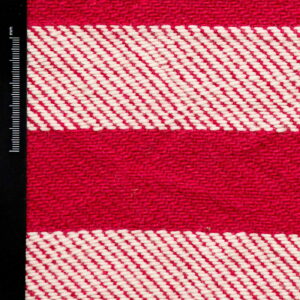
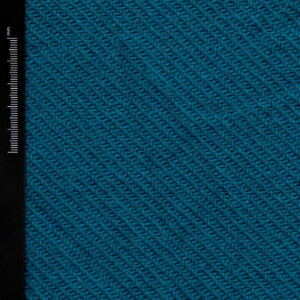
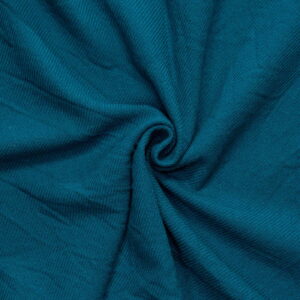
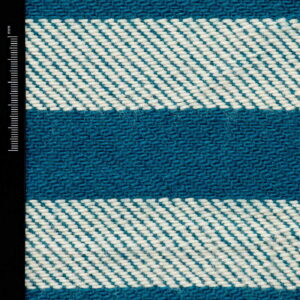
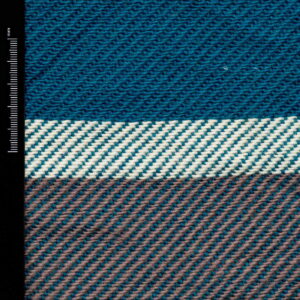
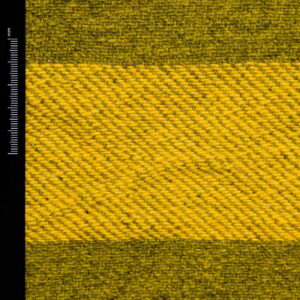
A twill pattern is a type of textile weave characterized by its diagonal rib pattern. This distinctive design is created by the way the weft threads are woven over and under the warp threads, typically in a pattern such as "over two, under two" (for a 2/2 twill). This method causes the weave to shift by two thread in each row, resulting in the diagonal lines that are the hallmark of twill fabric.
Key characteristics of twill patterns include:
- Diagonal Ridges: Visible diagonal lines or ribs that run across the fabric.
- Durability: The twill weave structure makes the fabric strong and resistant to wear and tear.
- Texture: Twill fabrics often have a soft drape and texture, making them comfortable to wear.
Twill patterns are versatile and commonly used in clothing, upholstery, and other textile applications due to their strength and appealing texture.