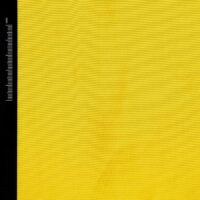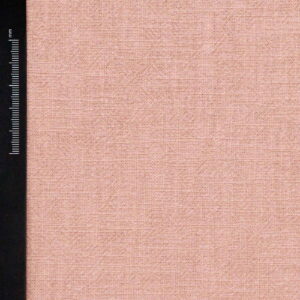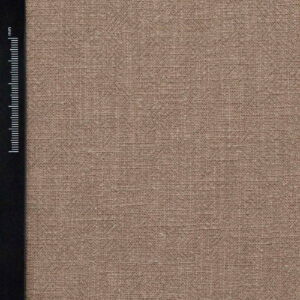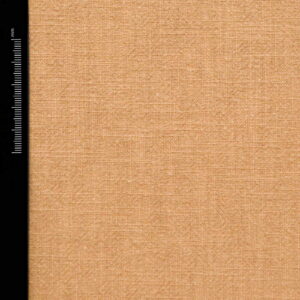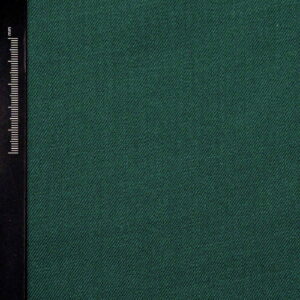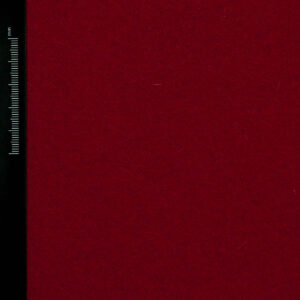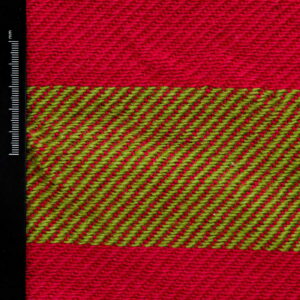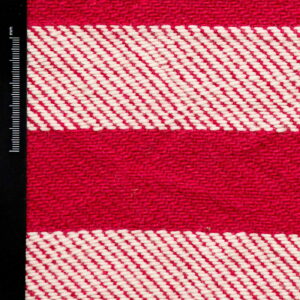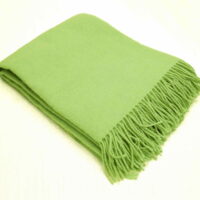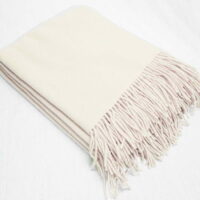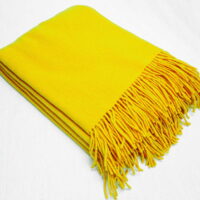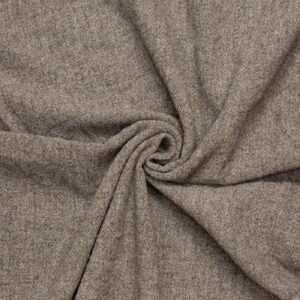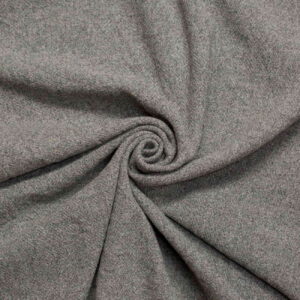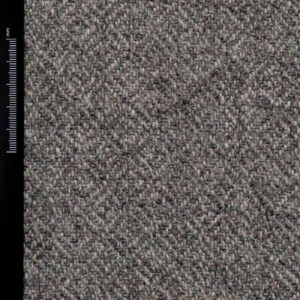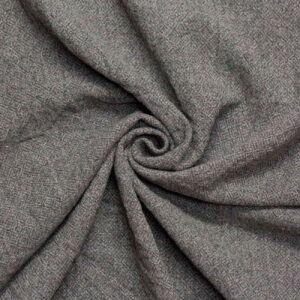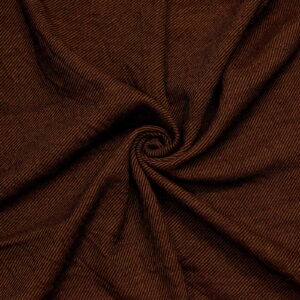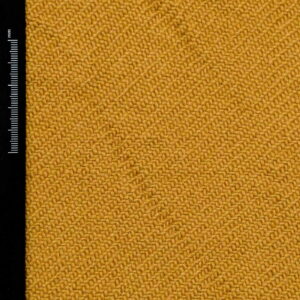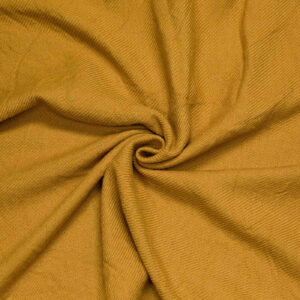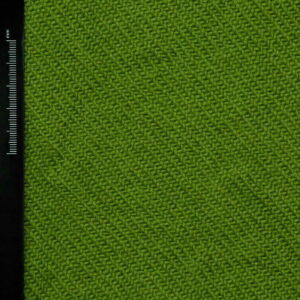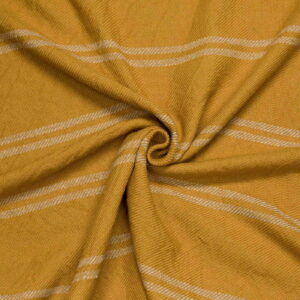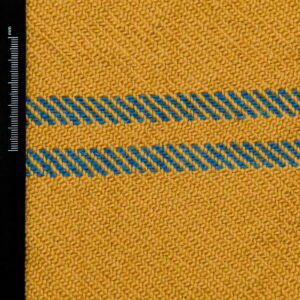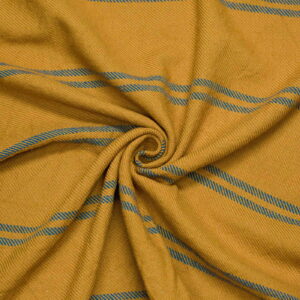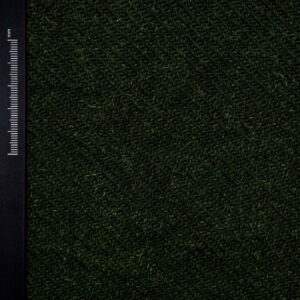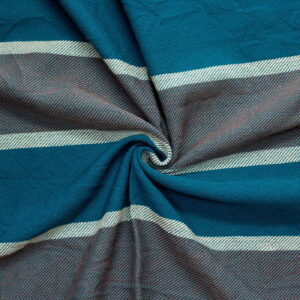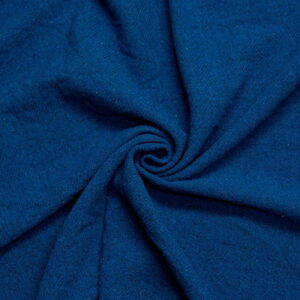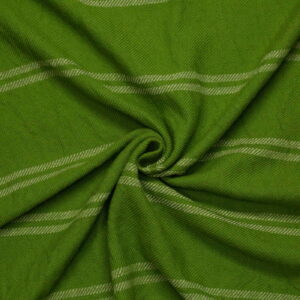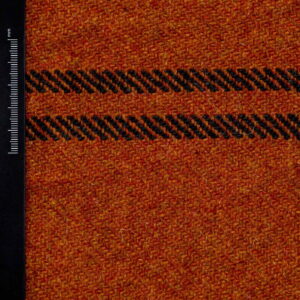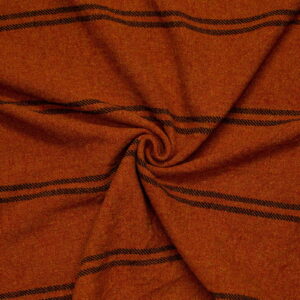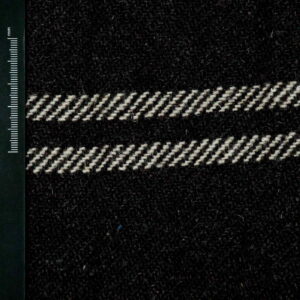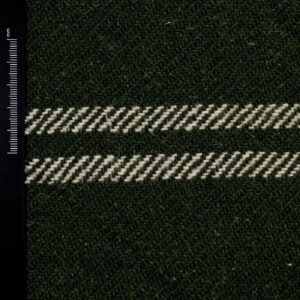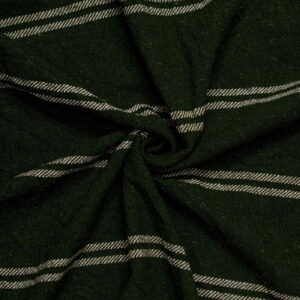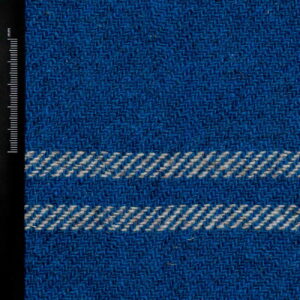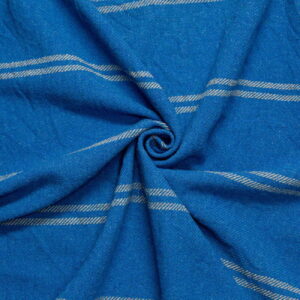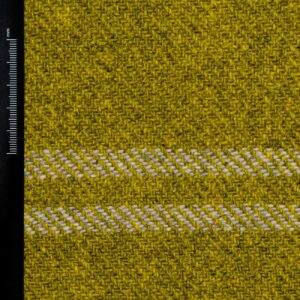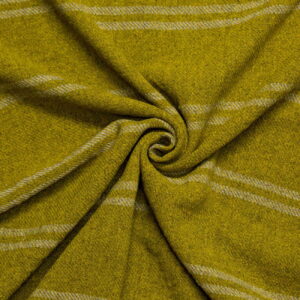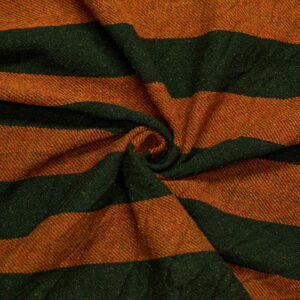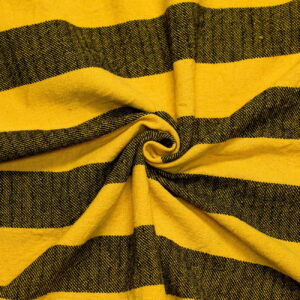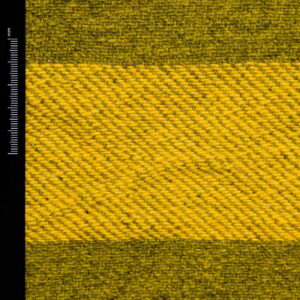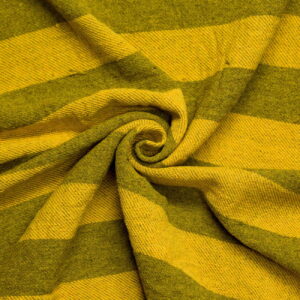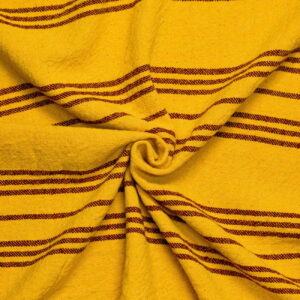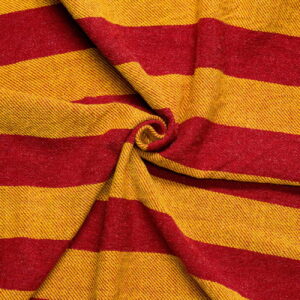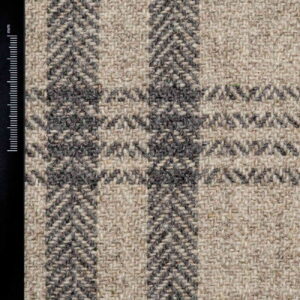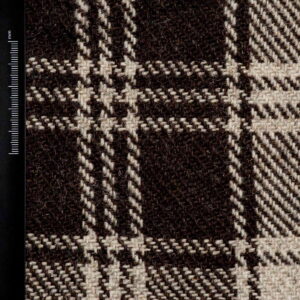

OTHER FABRICS FROM THIS COLLECTION

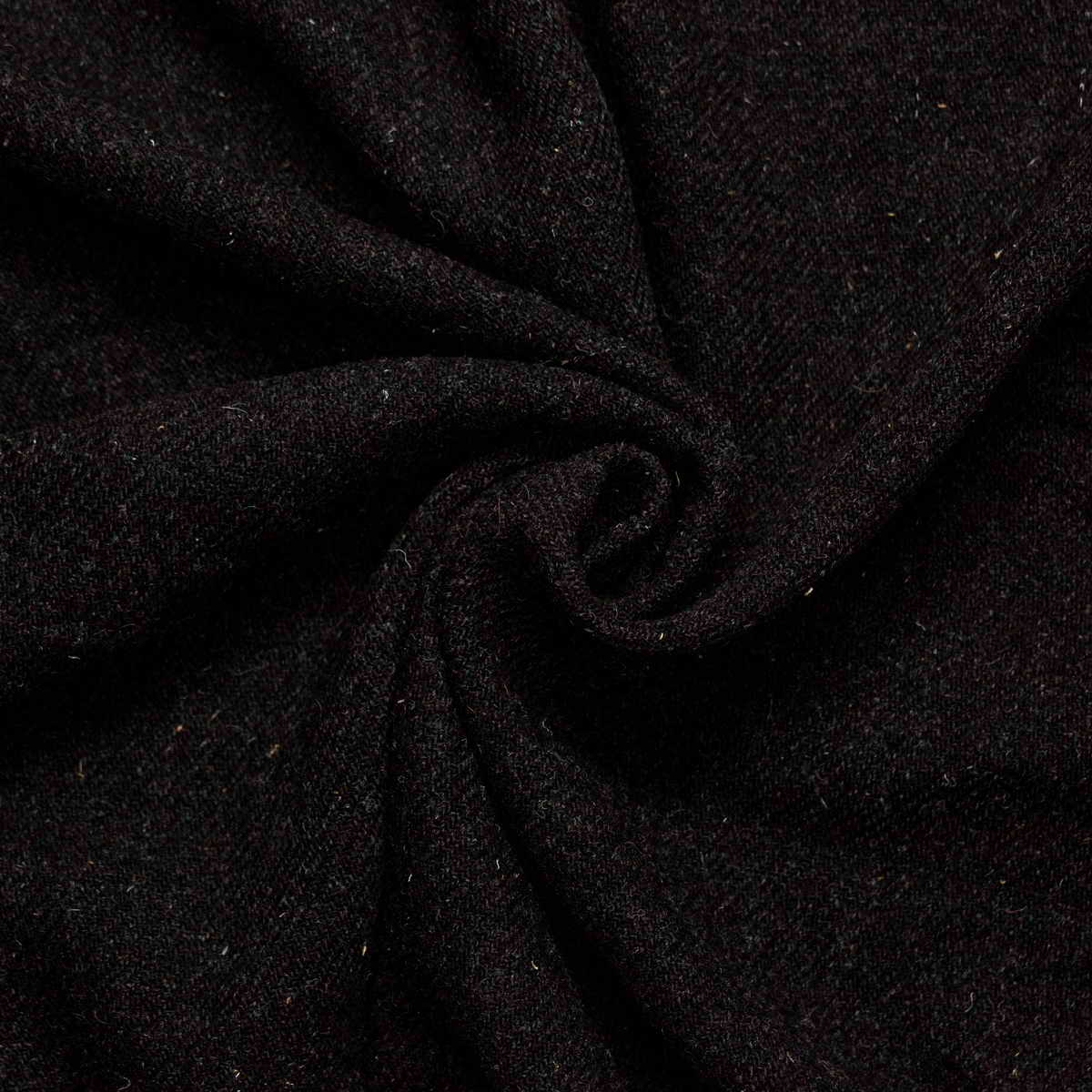
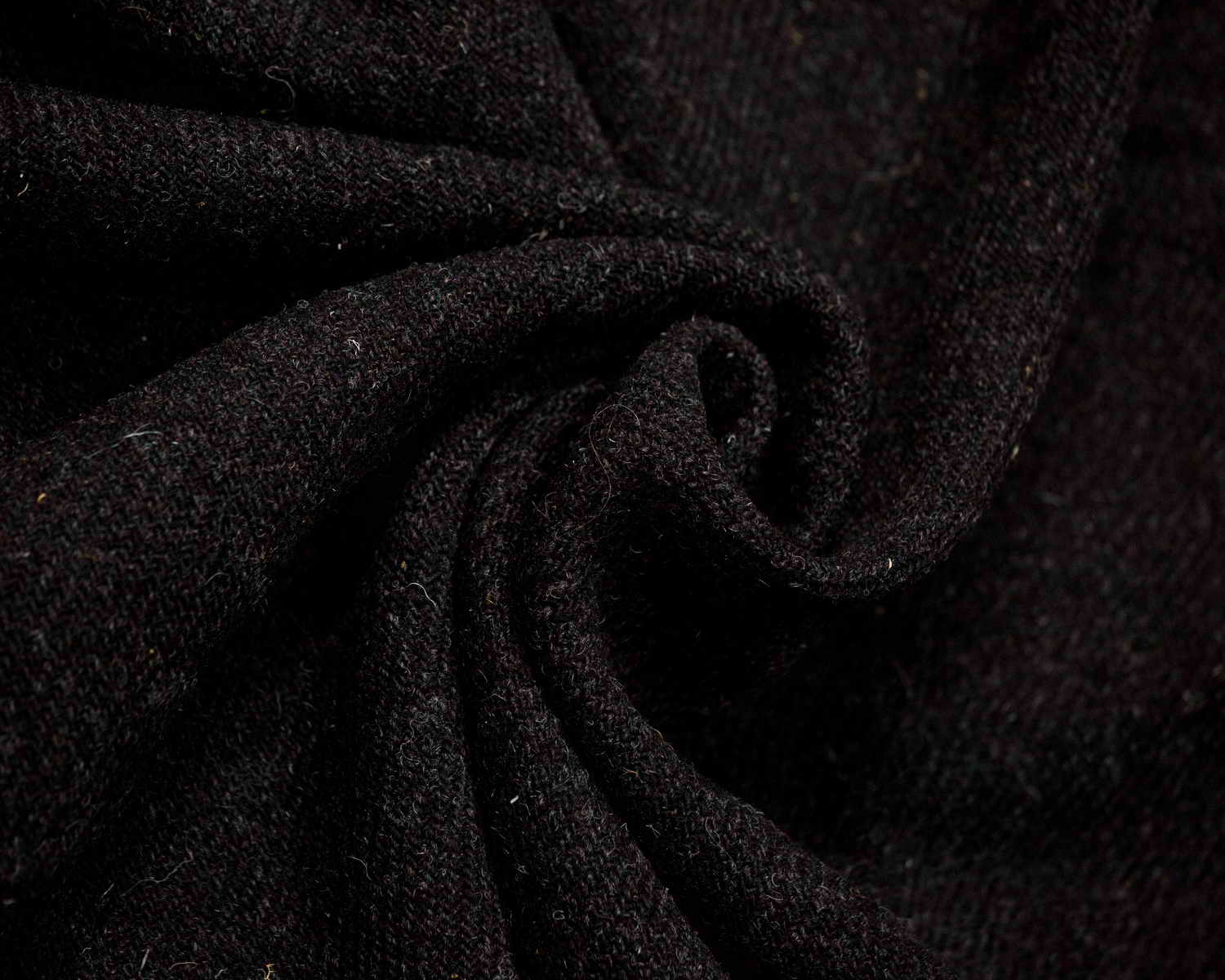
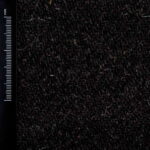
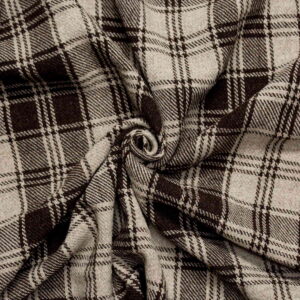
Wool Heavy Twill 2/2 – Anthracite – WCHT 08/01

34,50 m

Historically accurate wool from European sheeps

Made from the finest wool sourced from European sheep, the fabric boasts a highly visible weave pattern that echoes traditional craftsmanship.

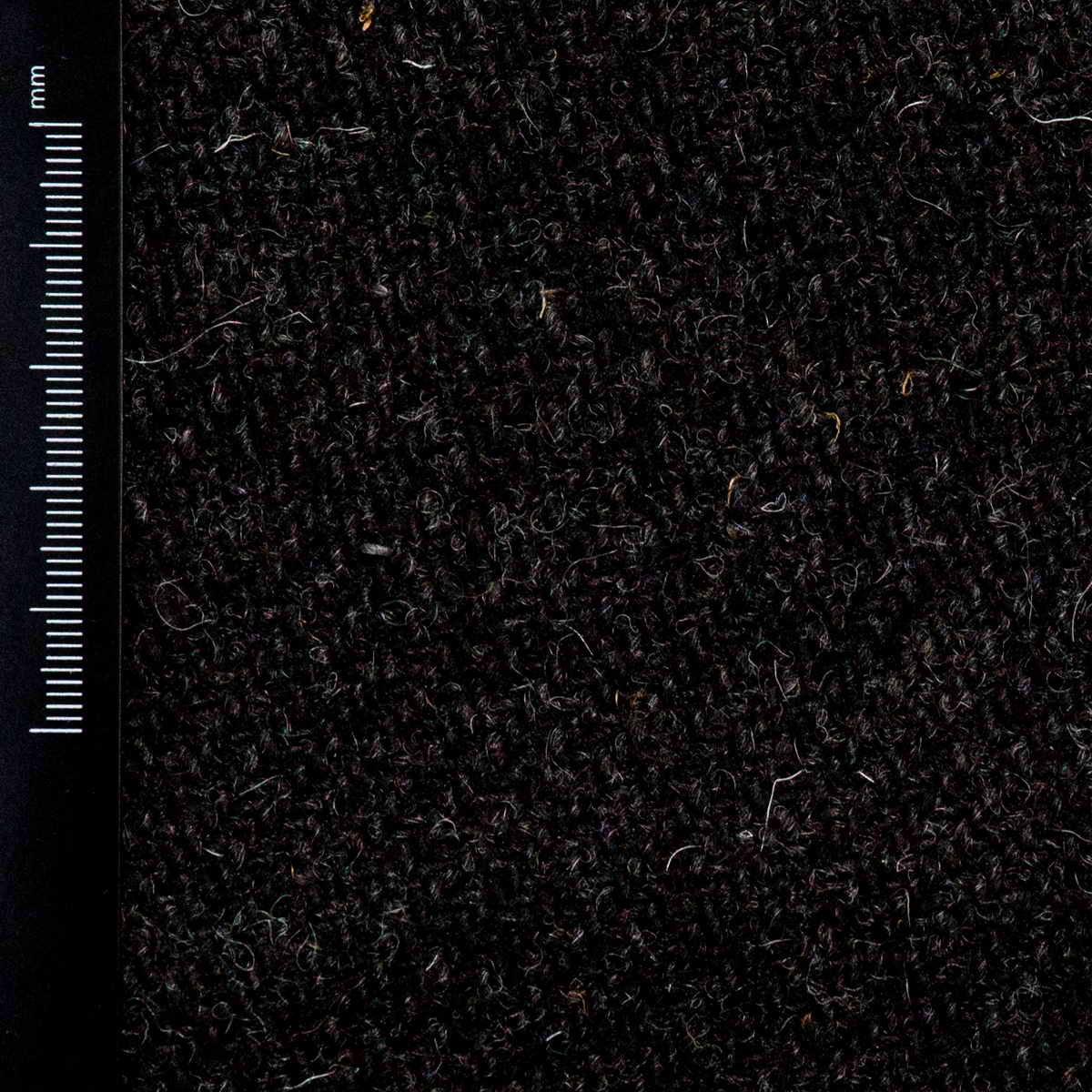
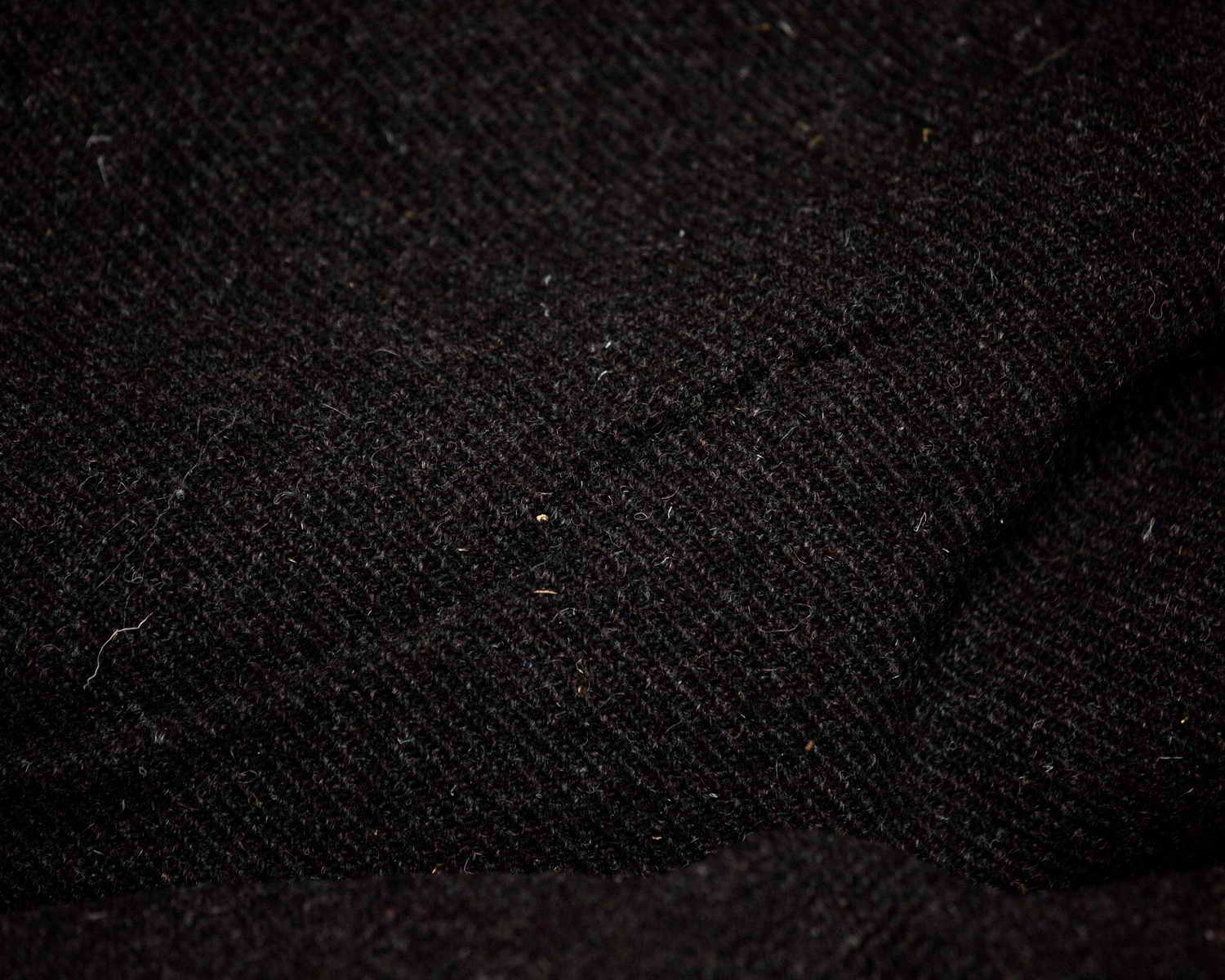
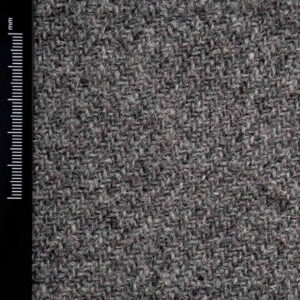
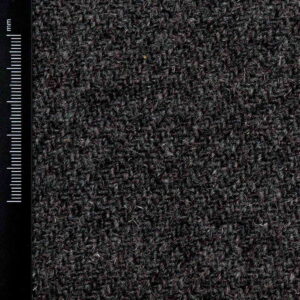
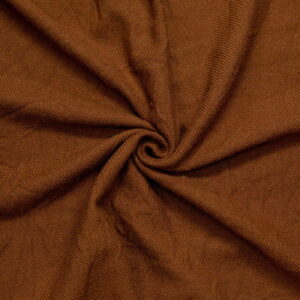
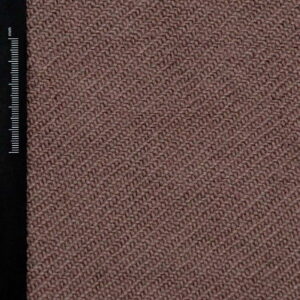
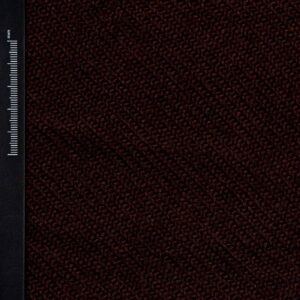
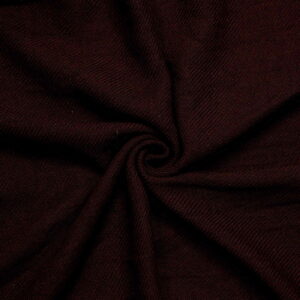
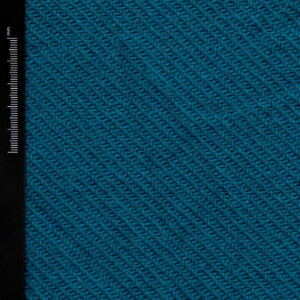
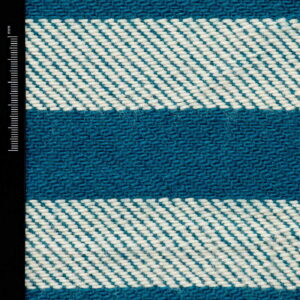
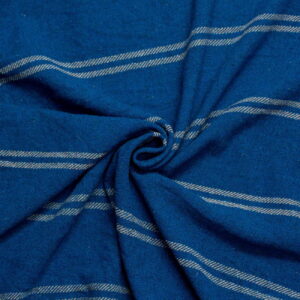
Crafted in a solid color with a 2/2 twill weave and have clearly visible stripes.

Ideal for historical reenactments or adding authentic historical flair to modern designs, this wool combines heritage and quality in every thread.

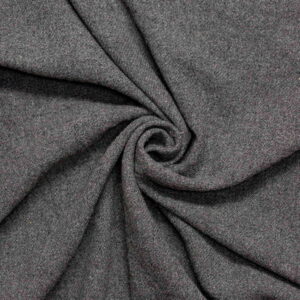
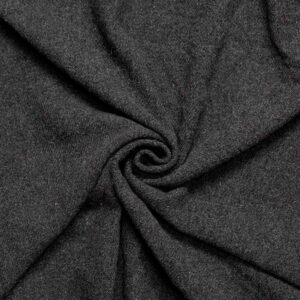
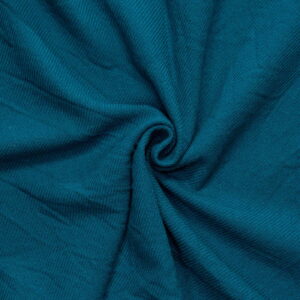
Despite its high weight (approx. 400 g/m²), the fabric remains pliable and drapes well. Thanks to its relatively open weave (6–7 threads per cm), it is not stiff like heavily fulled broadcloths. Please note, however, that this is a wool with a raw hand feel — noticeably coarse and may feel scratchy against bare skin.

100% wool

Natural fibers

Worldwide shipping

Professional service

100% wool

Worldwide shipping

Natural fibers

Professional service

Width +/- 2cm

43", 110 cm

Grammage Note1: OZ - stands for Ounces per Square Yard. Note2: We are showing grammage as per 1 square meter (GSM). While you may be used to gramms per linear (running) meter from other shops (GLM).

14.5oz, 490 g/m2

Thread count TPI - stands for Threads Per square Inch, so it counts warp ends and weft picks altogether. If inch is not familiar for you, we are showing also how many threads (warp/weft) are present per 1 cm

33 TPI, 6/7 threads per cm

Colour We have divided the palette into 11 basic colours. So this attribute is telling about the general, closest colour. For example BLUE : will include all different blue, navy and turquoise shades. This helps while filtering the shop searching for the fabric shade you desire.

Black

Weave

Twill 2/2

In stock

Starting from 0.5m you can order any quantity you want!


Are you still hesitating?  Not sure that this will be in the shade and quality you expect? Then ask for a small sample (4x4cm).
You can ask up to 5 different samples for free. Each next one will cost 1 eur.

OTHER FABRICS FROM THIS COLLECTION

European wool, distinct from the well-known Merino wool, comes from various breeds of sheep.

This wool meets historical standards, making it particularly suitable for historical reconstruction and reenactment projects.

Unlike Merino wool, European wool contains both long fibers and shorter, coarser covering hairs. This unique combination gives the wool a more spatial and textured structure. While it offers numerous advantages, such as durability and authenticity, the presence of the shorter, harder hairs makes European wool rougher and itchier compared to the softer Merino variety. Despite this, its historical accuracy and unique properties make it a valuable material for those dedicated to reproduction and recreating historical garments and textiles.

The WCHT collection is a specially prepared assortment of fabrics inspired by archaeological finds.

These unique textiles are produced in limited quantities at the weaving mill of Ilia Staricov in Europe. Utilizing horizontal looms equipped with a "flying shuttle," these fabrics authentically replicate historical weaving techniques. Each piece in the WCHT collection embodies a blend of ancient craftsmanship and meticulous modern production, offering a rare opportunity to experience textiles steeped in history.
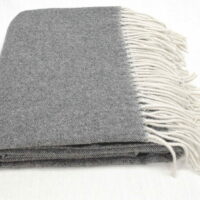
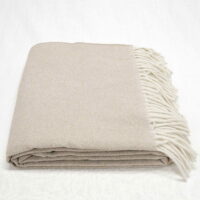
Wool fabrics are worth buying for several compelling reasons:

  1. Insulation: Wool provides excellent warmth, making it ideal for cold weather.
  2. Breathability: It regulates body temperature, keeping you comfortable in various climates.
  3. Durability: Wool is strong and resilient, ensuring long-lasting use.
  4. Moisture Management: It naturally wicks away moisture, keeping you dry.
  5. Odor Resistance: Wool's antibacterial properties prevent odors, even with prolonged wear.
  6. Sustainability: Wool is a renewable, biodegradable, and eco-friendly material.

Choosing wool fabrics combines comfort, functionality, and environmental benefits, making it a smart investment for quality and sustainability.

A twill pattern is a type of textile weave characterized by its diagonal rib pattern. This distinctive design is created by the way the weft threads are woven over and under the warp threads, typically in a pattern such as "over two, under two" (for a 2/2 twill). This method causes the weave to shift by two thread in each row, resulting in the diagonal lines that are the hallmark of twill fabric.

Key characteristics of twill patterns include:

  • Diagonal Ridges: Visible diagonal lines or ribs that run across the fabric.
  • Durability: The twill weave structure makes the fabric strong and resistant to wear and tear.
  • Texture: Twill fabrics often have a soft drape and texture, making them comfortable to wear.

Twill patterns are versatile and commonly used in clothing, upholstery, and other textile applications due to their strength and appealing texture.

Color Disclaimer

Buying fabrics online is always a challenge, we know you can’t see them in person before making a decision. And yet, choosing the right color is crucial for the overall look of your garment and its details.

That’s why at Woolsome we do our best to represent our fabrics as accurately as possible. We use a professional photography studio and a dedicated color control system to ensure that our photos reflect reality as closely as possible.

However, please keep in mind that colors may vary slightly depending on your screen. The way they appear can be affected by:

  • your monitor or phone settings,
  • lighting conditions (natural or artificial),
  • the angle at which you view the screen.

Shades of red are particularly difficult to reproduce accurately on digital displays.

You may also notice that the main photo (a close-up of the fabric) appears slightly darker than images taken from a greater distance. This is a natural effect: both cameras and the human eye perceive color differently depending on light and perspective.

Please also note that many of our historical fabrics are woven using threads in two different colors (warp and weft). Up close, their structure is clearly visible, while from a distance the colors visually blend, creating a slightly different overall impression.

We want you to feel confident in your choice.

That’s why you can always order a sample before committing to a larger purchase. We also offer complete sample sets for each of our fabric collections.

Warning

Our fabrics are made from 100% natural wool. As a result, washing at too high a temperature may cause shrinkage or felting. We recommend carefully following the washing instructions and washing wool in max temperature 30°C to preserve their natural structure and quality.

Handwash

Handwash

Wash on a wool cycle

Wash on a wool cycle

Do not tumble dry

Do not tumble dry

Dry flat

Dry flat

Low heat iron

Low heat iron

Do not bleach

Do not bleach

Description

European wool, distinct from the well-known Merino wool, comes from various breeds of sheep.

This wool meets historical standards, making it particularly suitable for historical reconstruction and reenactment projects.

Unlike Merino wool, European wool contains both long fibers and shorter, coarser covering hairs. This unique combination gives the wool a more spatial and textured structure. While it offers numerous advantages, such as durability and authenticity, the presence of the shorter, harder hairs makes European wool rougher and itchier compared to the softer Merino variety. Despite this, its historical accuracy and unique properties make it a valuable material for those dedicated to reproduction and recreating historical garments and textiles.

The WCHT collection is a specially prepared assortment of fabrics inspired by archaeological finds.

These unique textiles are produced in limited quantities at the weaving mill of Ilia Staricov in Europe. Utilizing horizontal looms equipped with a "flying shuttle," these fabrics authentically replicate historical weaving techniques. Each piece in the WCHT collection embodies a blend of ancient craftsmanship and meticulous modern production, offering a rare opportunity to experience textiles steeped in history.

Wool fabrics are worth buying for several compelling reasons:

  1. Insulation: Wool provides excellent warmth, making it ideal for cold weather.
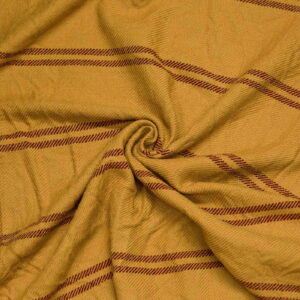
  2. Breathability: It regulates body temperature, keeping you comfortable in various climates.
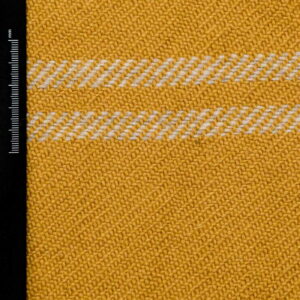
  3. Durability: Wool is strong and resilient, ensuring long-lasting use.
  4. Moisture Management: It naturally wicks away moisture, keeping you dry.
  5. Odor Resistance: Wool's antibacterial properties prevent odors, even with prolonged wear.
  6. Sustainability: Wool is a renewable, biodegradable, and eco-friendly material.

Choosing wool fabrics combines comfort, functionality, and environmental benefits, making it a smart investment for quality and sustainability.

A twill pattern is a type of textile weave characterized by its diagonal rib pattern. This distinctive design is created by the way the weft threads are woven over and under the warp threads, typically in a pattern such as "over two, under two" (for a 2/2 twill). This method causes the weave to shift by two thread in each row, resulting in the diagonal lines that are the hallmark of twill fabric.

Key characteristics of twill patterns include:

  • Diagonal Ridges: Visible diagonal lines or ribs that run across the fabric.
  • Durability: The twill weave structure makes the fabric strong and resistant to wear and tear.
  • Texture: Twill fabrics often have a soft drape and texture, making them comfortable to wear.

Twill patterns are versatile and commonly used in clothing, upholstery, and other textile applications due to their strength and appealing texture.

Colours in WoolSome

Color Disclaimer

Buying fabrics online is always a challenge, we know you can’t see them in person before making a decision. And yet, choosing the right color is crucial for the overall look of your garment and its details.

That’s why at Woolsome we do our best to represent our fabrics as accurately as possible. We use a professional photography studio and a dedicated color control system to ensure that our photos reflect reality as closely as possible.

However, please keep in mind that colors may vary slightly depending on your screen. The way they appear can be affected by:

  • your monitor or phone settings,
  • lighting conditions (natural or artificial),
  • the angle at which you view the screen.

Shades of red are particularly difficult to reproduce accurately on digital displays.

You may also notice that the main photo (a close-up of the fabric) appears slightly darker than images taken from a greater distance. This is a natural effect: both cameras and the human eye perceive color differently depending on light and perspective.

Please also note that many of our historical fabrics are woven using threads in two different colors (warp and weft). Up close, their structure is clearly visible, while from a distance the colors visually blend, creating a slightly different overall impression.

We want you to feel confident in your choice.

That’s why you can always order a sample before committing to a larger purchase. We also offer complete sample sets for each of our fabric collections.

Washing advice

Warning

Our fabrics are made from 100% natural wool. As a result, washing at too high a temperature may cause shrinkage or felting. We recommend carefully following the washing instructions and washing wool in max temperature 30°C to preserve their natural structure and quality.

Handwash

Handwash

Wash on a wool cycle

Wash on a wool cycle

Do not tumble dry

Do not tumble dry

Dry flat

Dry flat

Low heat iron

Low heat iron

Do not bleach

Do not bleach