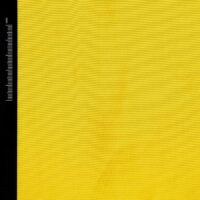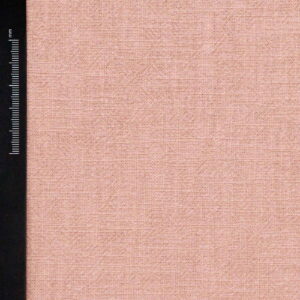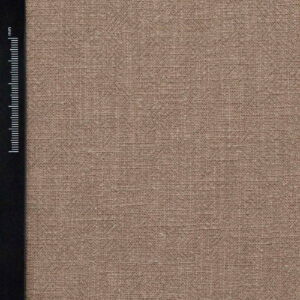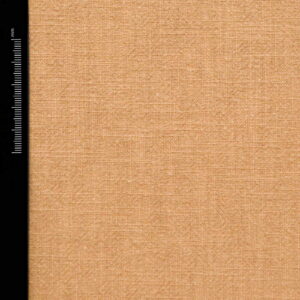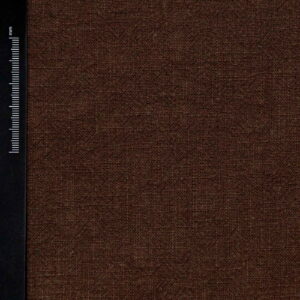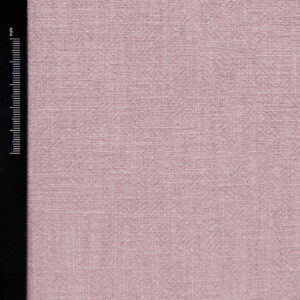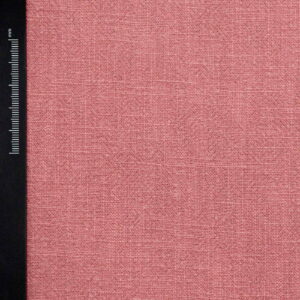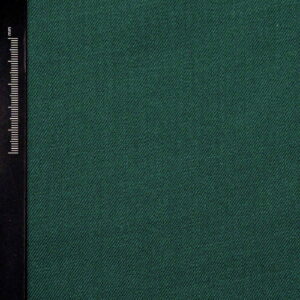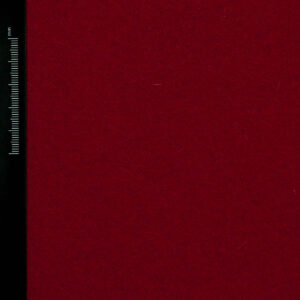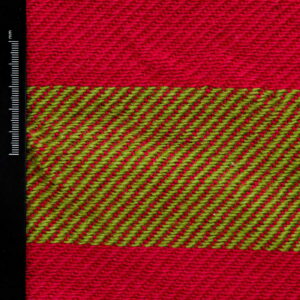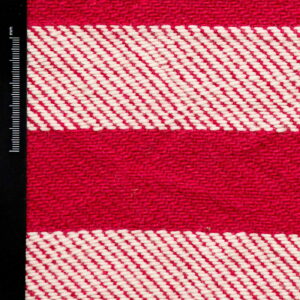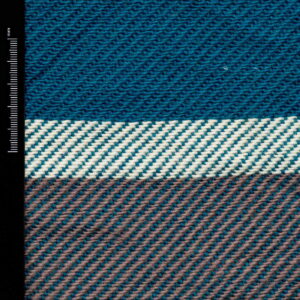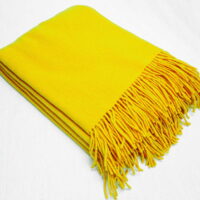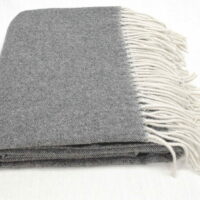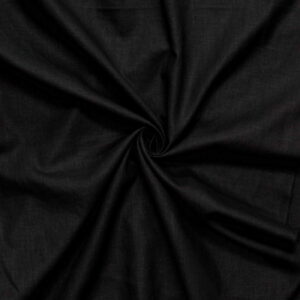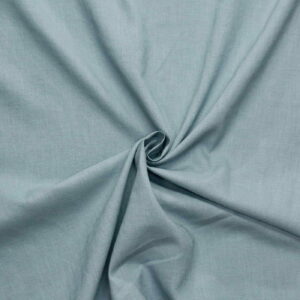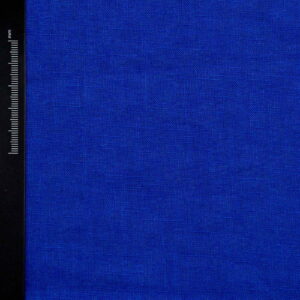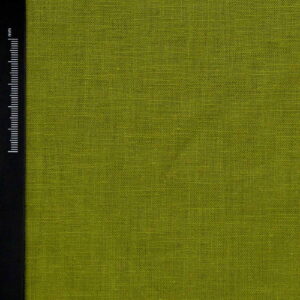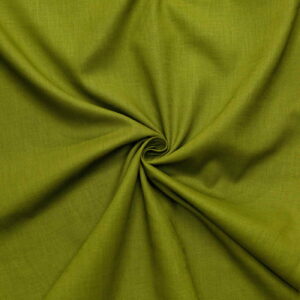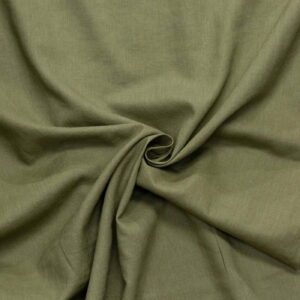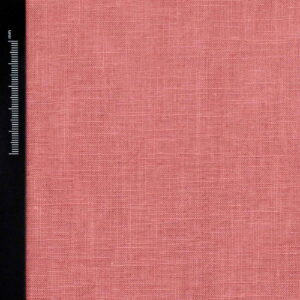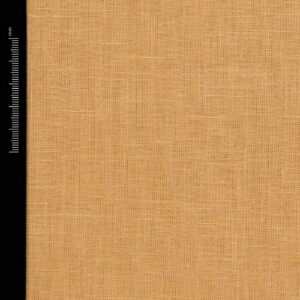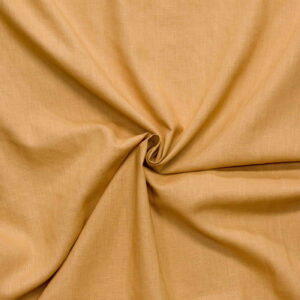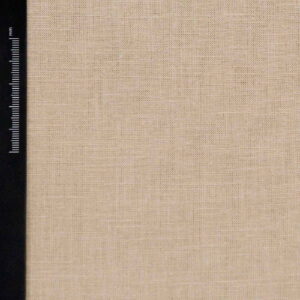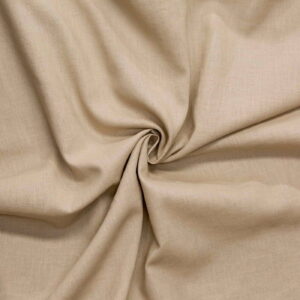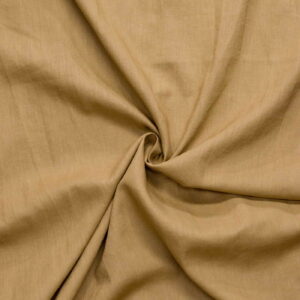
OTHER FABRICS FROM THIS COLLECTION

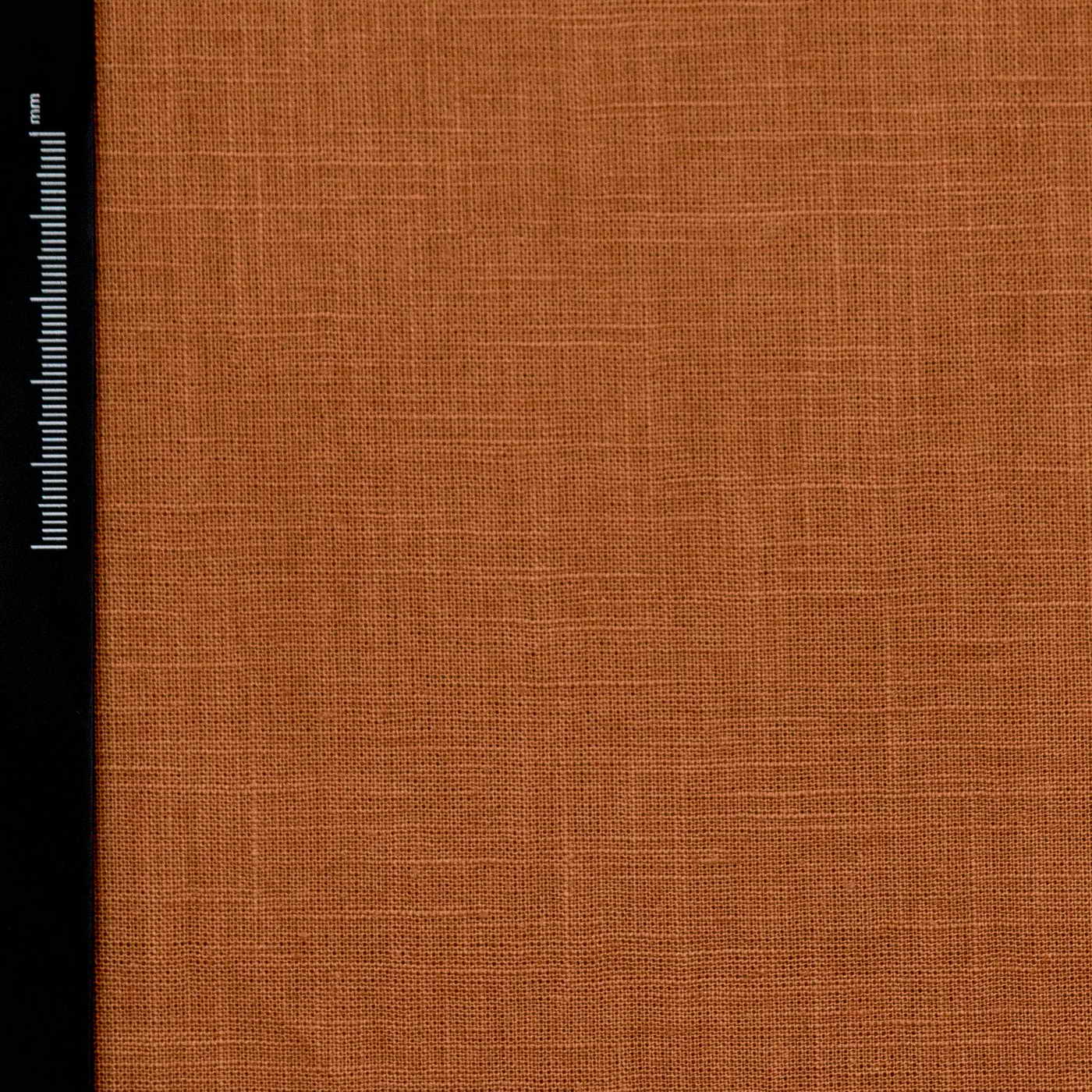
Linen THIN Plain Premium – Ochre – LFP 45/01

18,50 m

Incredibly Soft and Beautiful 100% Linen – Not Just for Reenactment!

Here is a truly exceptional fabric made from 100% high-quality linen, appreciated not only for its natural character but above all for its remarkable softness. Thanks to the stonewashed process – a pre-washing and softening treatment – this linen is pleasant to the touch from the very first moment, free from the stiffness typical of raw linen.

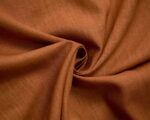
The combination of lightweight structure (just 160 g/m²) and a very dense weave (up to 28 threads per centimeter) makes this fabric truly stand out. It is breathable, durable, and drapes beautifully – meeting the expectations of even the most demanding garment makers.
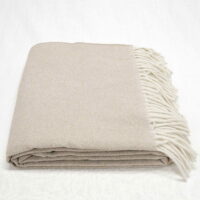
Thanks to its properties, this linen is perfect for historical reenactment, especially as a fabric for high-quality undergarments. At the same time, it works wonderfully in modern projects such as summer dresses, shirts, trousers, or lightweight tunics.

Its natural breathability and exceptional softness also make it an excellent choice for delicate children’s clothing. Ideal for the hottest summer days, when comfort, lightness, and airflow matter most.

This linen combines historical authenticity with modern comfort.

100% linen

Natural fibers

Worldwide shipping

Professional service

100% linen

Worldwide shipping

Natural fibers

Professional service

Width +/- 2cm

55", 140 cm

Grammage Note1: OZ - stands for Ounces per Square Yard. Note2: We are showing grammage as per 1 square meter (GSM). While you may be used to gramms per linear (running) meter from other shops (GLM).

4.7oz, 160 g/m2

Composition

100 % natural linen

Thread count TPI - stands for Threads Per square Inch, so it counts warp ends and weft picks altogether. If inch is not familiar for you, we are showing also how many threads (warp/weft) are present per 1 cm

140 TPI, 28/28 threads per cm

Colour We have divided the palette into 11 basic colours. So this attribute is telling about the general, closest colour. For example BLUE : will include all different blue, navy and turquoise shades. This helps while filtering the shop searching for the fabric shade you desire.

Orange

,

Brown

Weave

Plain weave

In stock

Starting from 0.5m you can order any quantity you want!


Are you still hesitating?  Not sure that this will be in the shade and quality you expect? Then ask for a small sample (4x4cm).
You can ask up to 5 different samples for free. Each next one will cost 1 eur.

OTHER FABRICS FROM THIS COLLECTION

Linen fabric is one of those materials that has enjoyed popularity for centuries and for good reason. Its most important advantages include:

  • Natural and eco-friendly – linen is made from plant fibers derived from flax. Its cultivation requires less water and fewer chemicals than, for example, cotton, and it is fully biodegradable, making it an excellent choice for environmentally conscious individuals.
  • Breathability and comfort – linen allows air to circulate freely and effectively wicks away moisture. As a result, it keeps you cool in the summer, prevents overheating, and provides a feeling of freshness even in hot weather.
  • Durability – linen fabrics are exceptionally strong and much more resistant to stretching and abrasion than many other natural materials. Interestingly, linen becomes softer and more pleasant to the touch with each wash.
  • Antibacterial properties – linen naturally has antibacterial and hypoallergenic qualities, making it a great option for people with sensitive skin.
  • Aesthetics and authenticity – the characteristic, slightly irregular texture of linen gives it a refined, natural appearance. It fits perfectly within historical and reenactment contexts and looks great both in its raw and more finished forms.

If you are involved in historical reenactment, linen has one more significant advantage: it is true to historical sources and was widely used in past eras, from undergarments to outer garments.

Linen fabrics are versatile and work well in a wide range of projects: both practical and historical.

They are most commonly used for sewing clothing: shirts, tunics, dresses, trousers, and underwear. Thanks to their breathability and natural properties, they are ideal for garments worn directly against the skin, especially in warmer weather.

Linen is also excellent for home textiles: bed linen, curtains, tablecloths, napkins, and towels. It is durable, highly absorbent, and becomes increasingly soft over time.

In historical reenactment, it is one of the fundamental materials, used for sewing undergarments, linings, elements of clothing, as well as accessories such as bags, pouches, or headwear.

It can also be used in decorative and handicraft projects: embroidery, bags, covers, or interior décor elements in a natural or rustic style.

Linen is considered eco-friendly for several reasons. Firstly, it is made from flax plants, which require minimal water and pesticides compared to other crops used for fabric production.

The cultivation of flax plants has a lower environmental impact, making linen a more sustainable choice.

Secondly, linen is a natural fiber and biodegradable, meaning it breaks down over time and does not contribute to pollution or waste accumulation. Unlike synthetic fabrics, linen does not release microplastics during washing, which can harm marine life and ecosystems.

Additionally, linen is a durable fabric that can withstand wear and tear. Linen garments and home textiles have a longer lifespan, reducing the need for frequent replacements and the resulting environmental impact.

Lastly, every part of the flax plant is utilized in the production, minimizing waste.

The seeds can be used to produce flaxseed oil, and the remaining plant material can be used for paper, insulation, and other purposes.

Overall, linen's eco-friendly properties stem from its sustainable cultivation, biodegradability, durability, and minimal waste production. Choosing linen as a fabric helps reduce the environmental footprint of the textile industry.

“Stonewashed” in the context of linen means that the fabric has undergone a special softening process, originally using stones (today more often enzymes), which “pre-wash” the material already at the production stage.

In practice, this results in several effects:

  • the linen is soft and pleasant to the touch right away, without the need for multiple washes,
  • it has a slightly washed, natural look, often with a subtly muted color,
  • it is less stiff and drapes better,
  • it has a reduced tendency to shrink during the first wash.

In simple terms, it is linen that has been “pre-worn” in a controlled way, making it more comfortable from the very first use, while still retaining its durability and all its natural properties.

Color Disclaimer

Buying fabrics online is always a challenge, we know you can’t see them in person before making a decision. And yet, choosing the right color is crucial for the overall look of your garment and its details.

That’s why at Woolsome we do our best to represent our fabrics as accurately as possible. We use a professional photography studio and a dedicated color control system to ensure that our photos reflect reality as closely as possible.

However, please keep in mind that colors may vary slightly depending on your screen. The way they appear can be affected by:

  • your monitor or phone settings,
  • lighting conditions (natural or artificial),
  • the angle at which you view the screen.

Shades of red are particularly difficult to reproduce accurately on digital displays.

You may also notice that the main photo (a close-up of the fabric) appears slightly darker than images taken from a greater distance. This is a natural effect: both cameras and the human eye perceive color differently depending on light and perspective.

Please also note that many of our historical fabrics are woven using threads in two different colors (warp and weft). Up close, their structure is clearly visible, while from a distance the colors visually blend, creating a slightly different overall impression.

We want you to feel confident in your choice.

That’s why you can always order a sample before committing to a larger purchase. We also offer complete sample sets for each of our fabric collections.

Gentle wash in the washing machine, at a temperature of up to 40

Washing machine, temperature of up to 40

Shade dry

Shade dry

Gentle tumble dry

Gentle tumble dry

Line dry

Line dry

Medium heat iron

Medium heat iron

Do not bleach

Do not bleach

Description

Linen fabric is one of those materials that has enjoyed popularity for centuries and for good reason. Its most important advantages include:

  • Natural and eco-friendly – linen is made from plant fibers derived from flax. Its cultivation requires less water and fewer chemicals than, for example, cotton, and it is fully biodegradable, making it an excellent choice for environmentally conscious individuals.
  • Breathability and comfort – linen allows air to circulate freely and effectively wicks away moisture. As a result, it keeps you cool in the summer, prevents overheating, and provides a feeling of freshness even in hot weather.
  • Durability – linen fabrics are exceptionally strong and much more resistant to stretching and abrasion than many other natural materials. Interestingly, linen becomes softer and more pleasant to the touch with each wash.
  • Antibacterial properties – linen naturally has antibacterial and hypoallergenic qualities, making it a great option for people with sensitive skin.
  • Aesthetics and authenticity – the characteristic, slightly irregular texture of linen gives it a refined, natural appearance. It fits perfectly within historical and reenactment contexts and looks great both in its raw and more finished forms.

If you are involved in historical reenactment, linen has one more significant advantage: it is true to historical sources and was widely used in past eras, from undergarments to outer garments.

Linen fabrics are versatile and work well in a wide range of projects: both practical and historical.

They are most commonly used for sewing clothing: shirts, tunics, dresses, trousers, and underwear. Thanks to their breathability and natural properties, they are ideal for garments worn directly against the skin, especially in warmer weather.

Linen is also excellent for home textiles: bed linen, curtains, tablecloths, napkins, and towels. It is durable, highly absorbent, and becomes increasingly soft over time.

In historical reenactment, it is one of the fundamental materials, used for sewing undergarments, linings, elements of clothing, as well as accessories such as bags, pouches, or headwear.

It can also be used in decorative and handicraft projects: embroidery, bags, covers, or interior décor elements in a natural or rustic style.

Linen is considered eco-friendly for several reasons. Firstly, it is made from flax plants, which require minimal water and pesticides compared to other crops used for fabric production.

The cultivation of flax plants has a lower environmental impact, making linen a more sustainable choice.

Secondly, linen is a natural fiber and biodegradable, meaning it breaks down over time and does not contribute to pollution or waste accumulation. Unlike synthetic fabrics, linen does not release microplastics during washing, which can harm marine life and ecosystems.

Additionally, linen is a durable fabric that can withstand wear and tear. Linen garments and home textiles have a longer lifespan, reducing the need for frequent replacements and the resulting environmental impact.

Lastly, every part of the flax plant is utilized in the production, minimizing waste.

The seeds can be used to produce flaxseed oil, and the remaining plant material can be used for paper, insulation, and other purposes.

Overall, linen's eco-friendly properties stem from its sustainable cultivation, biodegradability, durability, and minimal waste production. Choosing linen as a fabric helps reduce the environmental footprint of the textile industry.

“Stonewashed” in the context of linen means that the fabric has undergone a special softening process, originally using stones (today more often enzymes), which “pre-wash” the material already at the production stage.

In practice, this results in several effects:

  • the linen is soft and pleasant to the touch right away, without the need for multiple washes,
  • it has a slightly washed, natural look, often with a subtly muted color,
  • it is less stiff and drapes better,
  • it has a reduced tendency to shrink during the first wash.

In simple terms, it is linen that has been “pre-worn” in a controlled way, making it more comfortable from the very first use, while still retaining its durability and all its natural properties.

Colours in WoolSome

Color Disclaimer

Buying fabrics online is always a challenge, we know you can’t see them in person before making a decision. And yet, choosing the right color is crucial for the overall look of your garment and its details.

That’s why at Woolsome we do our best to represent our fabrics as accurately as possible. We use a professional photography studio and a dedicated color control system to ensure that our photos reflect reality as closely as possible.

However, please keep in mind that colors may vary slightly depending on your screen. The way they appear can be affected by:

  • your monitor or phone settings,
  • lighting conditions (natural or artificial),
  • the angle at which you view the screen.

Shades of red are particularly difficult to reproduce accurately on digital displays.

You may also notice that the main photo (a close-up of the fabric) appears slightly darker than images taken from a greater distance. This is a natural effect: both cameras and the human eye perceive color differently depending on light and perspective.

Please also note that many of our historical fabrics are woven using threads in two different colors (warp and weft). Up close, their structure is clearly visible, while from a distance the colors visually blend, creating a slightly different overall impression.

We want you to feel confident in your choice.

That’s why you can always order a sample before committing to a larger purchase. We also offer complete sample sets for each of our fabric collections.

Washing advice
Gentle wash in the washing machine, at a temperature of up to 40

Washing machine, temperature of up to 40

Shade dry

Shade dry

Gentle tumble dry

Gentle tumble dry

Line dry

Line dry

Medium heat iron

Medium heat iron

Do not bleach

Do not bleach