

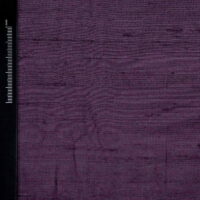
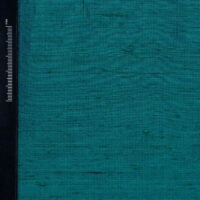
 STFCN - Silk Natural Taffeta Chinese
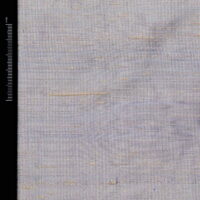
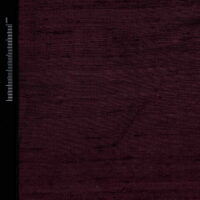
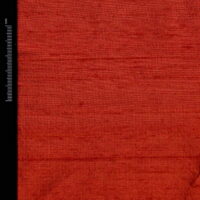
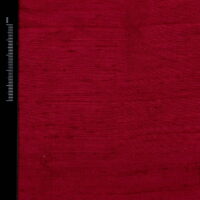












 Our textiles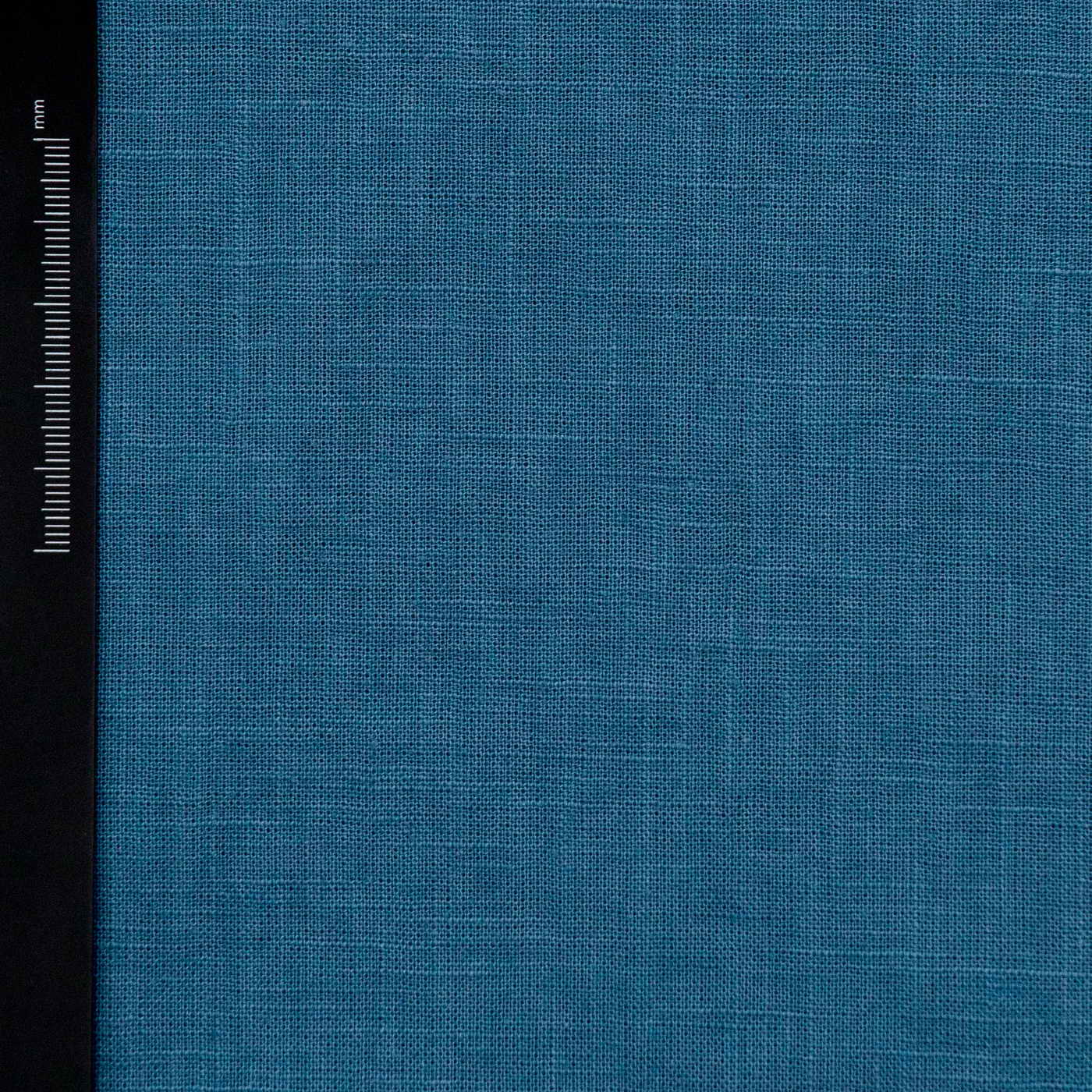
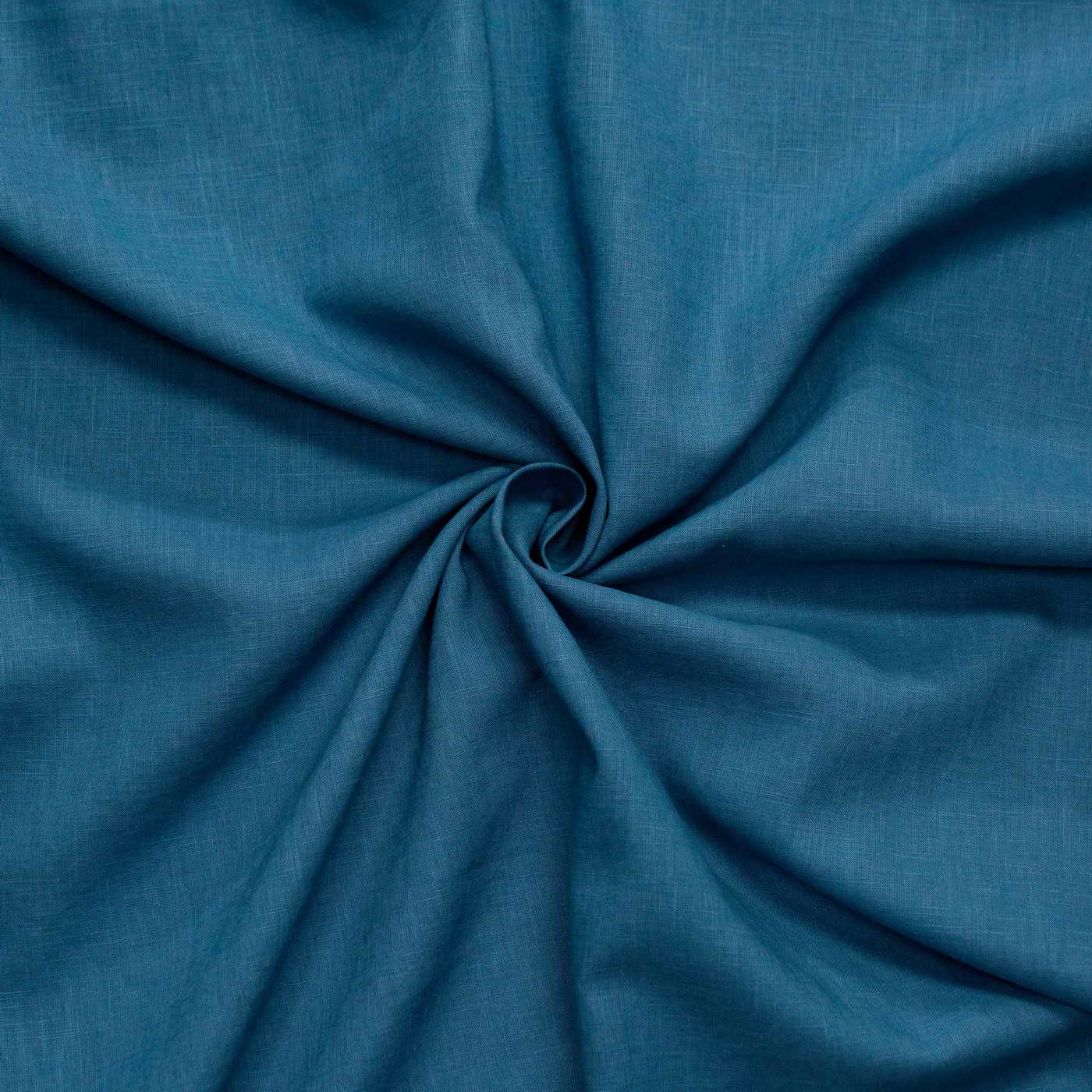





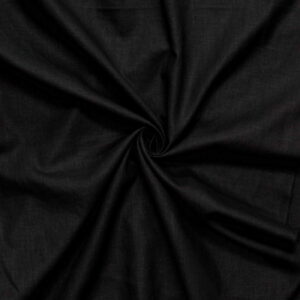

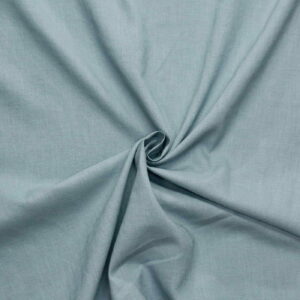
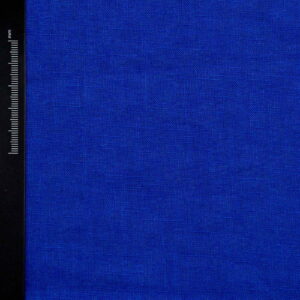


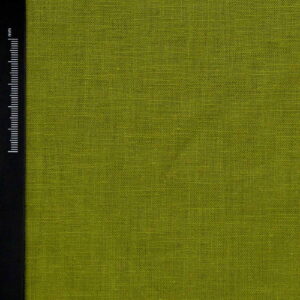
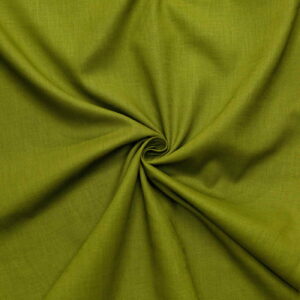

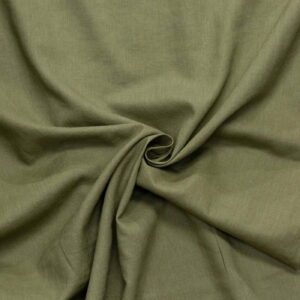


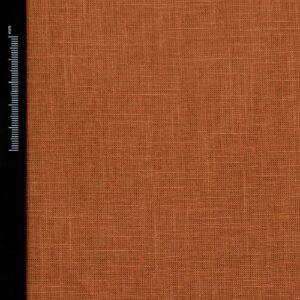
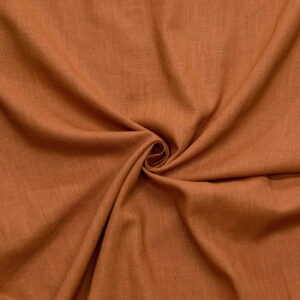


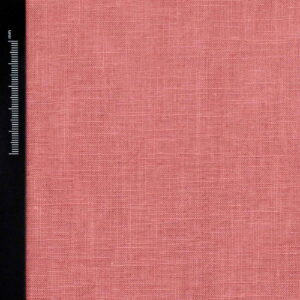


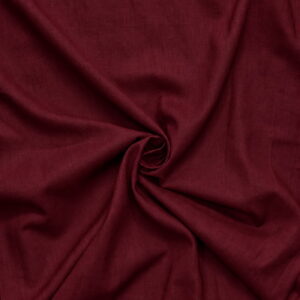


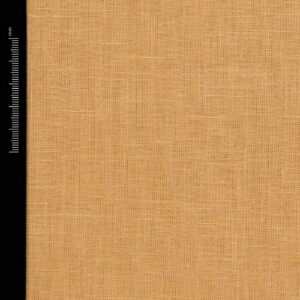
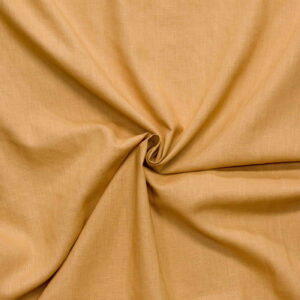
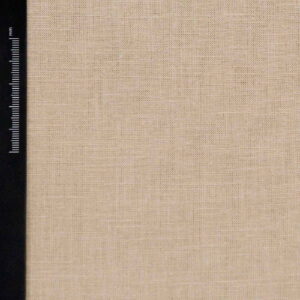
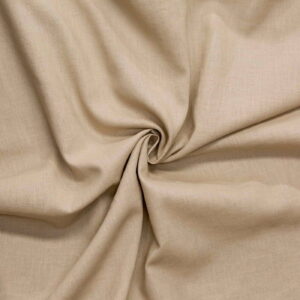

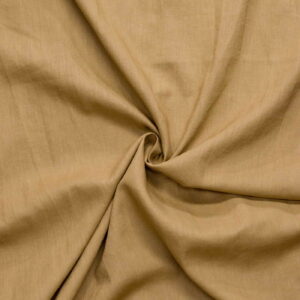


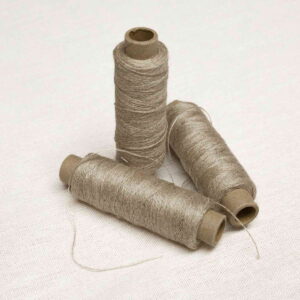
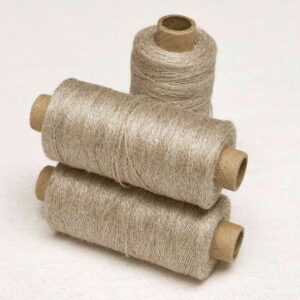

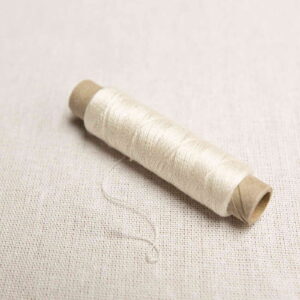
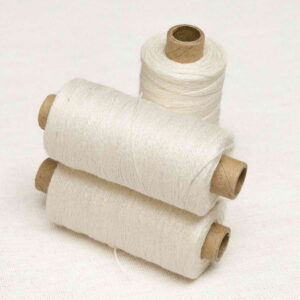
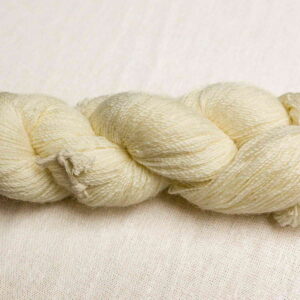
Linen fabric is one of those materials that has enjoyed popularity for centuries and for good reason. Its most important advantages include:
- Natural and eco-friendly – linen is made from plant fibers derived from flax. Its cultivation requires less water and fewer chemicals than, for example, cotton, and it is fully biodegradable, making it an excellent choice for environmentally conscious individuals.
- Breathability and comfort – linen allows air to circulate freely and effectively wicks away moisture. As a result, it keeps you cool in the summer, prevents overheating, and provides a feeling of freshness even in hot weather.
- Durability – linen fabrics are exceptionally strong and much more resistant to stretching and abrasion than many other natural materials. Interestingly, linen becomes softer and more pleasant to the touch with each wash.
- Antibacterial properties – linen naturally has antibacterial and hypoallergenic qualities, making it a great option for people with sensitive skin.
- Aesthetics and authenticity – the characteristic, slightly irregular texture of linen gives it a refined, natural appearance. It fits perfectly within historical and reenactment contexts and looks great both in its raw and more finished forms.
If you are involved in historical reenactment, linen has one more significant advantage: it is true to historical sources and was widely used in past eras, from undergarments to outer garments.
Linen fabrics are versatile and work well in a wide range of projects: both practical and historical.
They are most commonly used for sewing clothing: shirts, tunics, dresses, trousers, and underwear. Thanks to their breathability and natural properties, they are ideal for garments worn directly against the skin, especially in warmer weather.
Linen is also excellent for home textiles: bed linen, curtains, tablecloths, napkins, and towels. It is durable, highly absorbent, and becomes increasingly soft over time.
In historical reenactment, it is one of the fundamental materials, used for sewing undergarments, linings, elements of clothing, as well as accessories such as bags, pouches, or headwear.
It can also be used in decorative and handicraft projects: embroidery, bags, covers, or interior décor elements in a natural or rustic style.
Linen is considered eco-friendly for several reasons. Firstly, it is made from flax plants, which require minimal water and pesticides compared to other crops used for fabric production.
The cultivation of flax plants has a lower environmental impact, making linen a more sustainable choice.
Secondly, linen is a natural fiber and biodegradable, meaning it breaks down over time and does not contribute to pollution or waste accumulation. Unlike synthetic fabrics, linen does not release microplastics during washing, which can harm marine life and ecosystems.
Additionally, linen is a durable fabric that can withstand wear and tear. Linen garments and home textiles have a longer lifespan, reducing the need for frequent replacements and the resulting environmental impact.
Lastly, every part of the flax plant is utilized in the production, minimizing waste.
The seeds can be used to produce flaxseed oil, and the remaining plant material can be used for paper, insulation, and other purposes.
Overall, linen's eco-friendly properties stem from its sustainable cultivation, biodegradability, durability, and minimal waste production. Choosing linen as a fabric helps reduce the environmental footprint of the textile industry.
“Stonewashed” in the context of linen means that the fabric has undergone a special softening process, originally using stones (today more often enzymes), which “pre-wash” the material already at the production stage.
In practice, this results in several effects:
- the linen is soft and pleasant to the touch right away, without the need for multiple washes,
- it has a slightly washed, natural look, often with a subtly muted color,
- it is less stiff and drapes better,
- it has a reduced tendency to shrink during the first wash.
In simple terms, it is linen that has been “pre-worn” in a controlled way, making it more comfortable from the very first use, while still retaining its durability and all its natural properties.