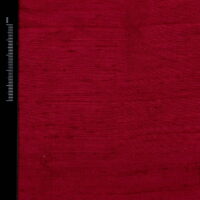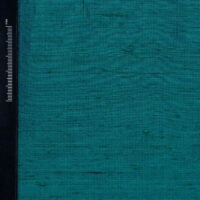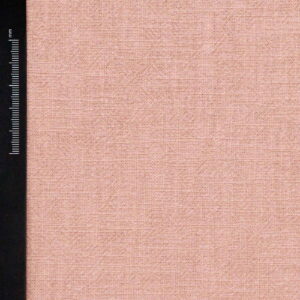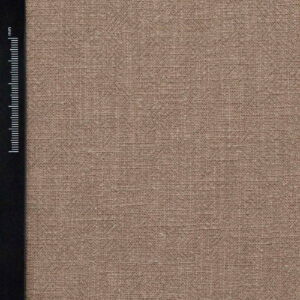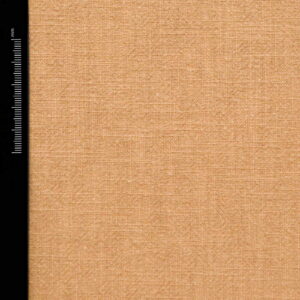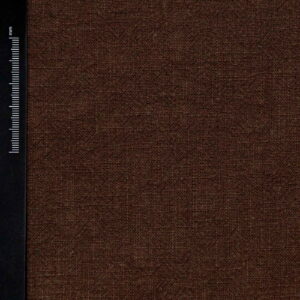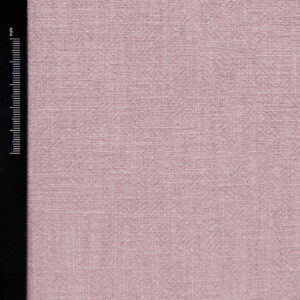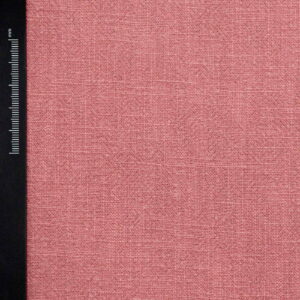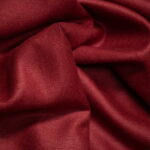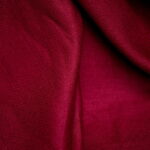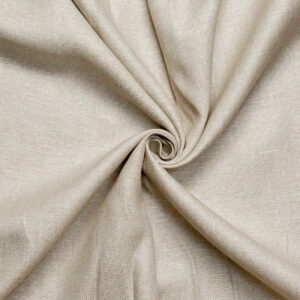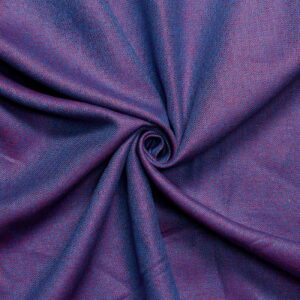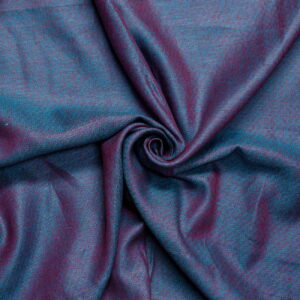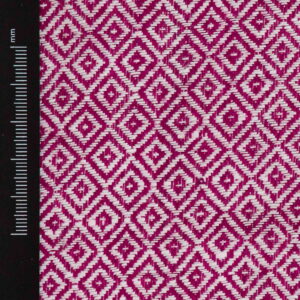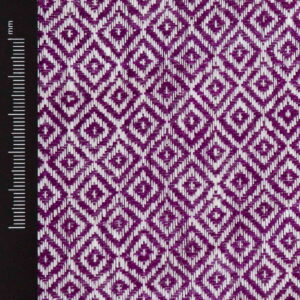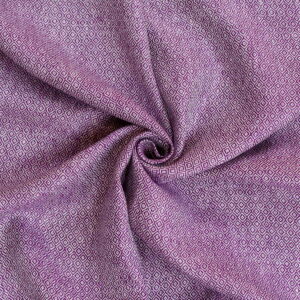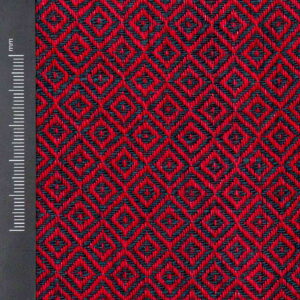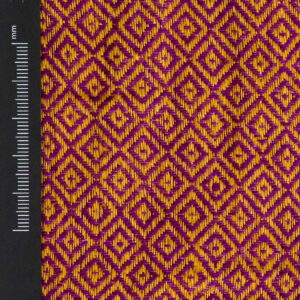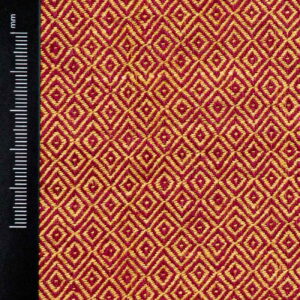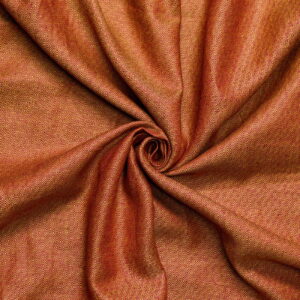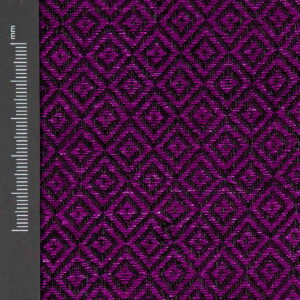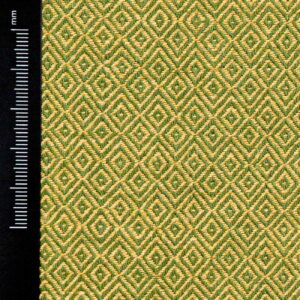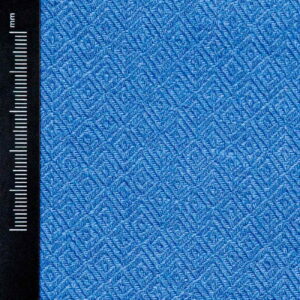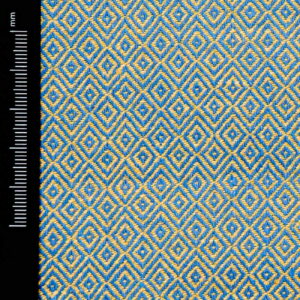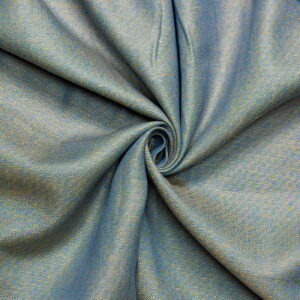

OTHER FABRICS FROM THIS COLLECTION

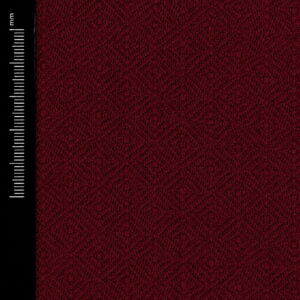
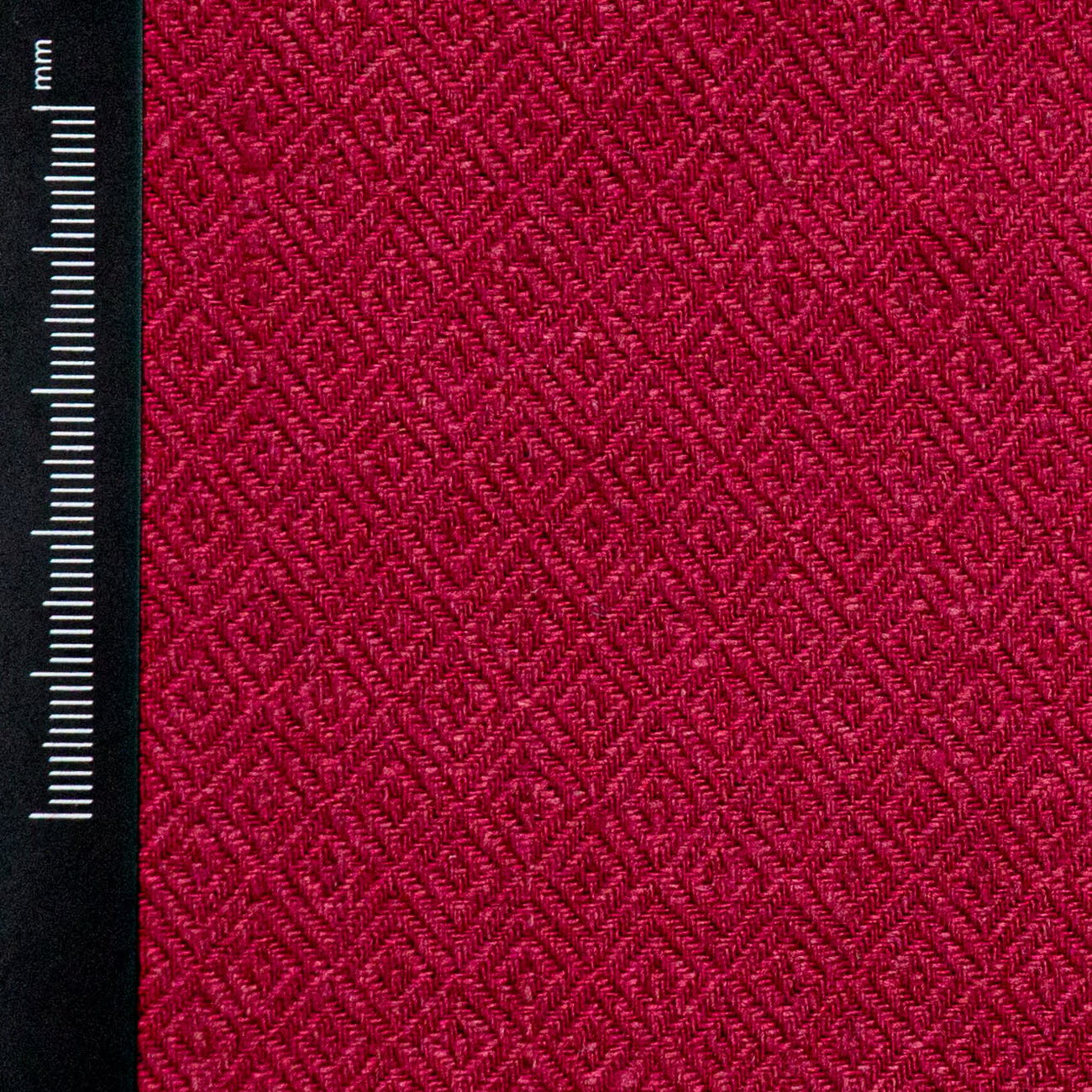
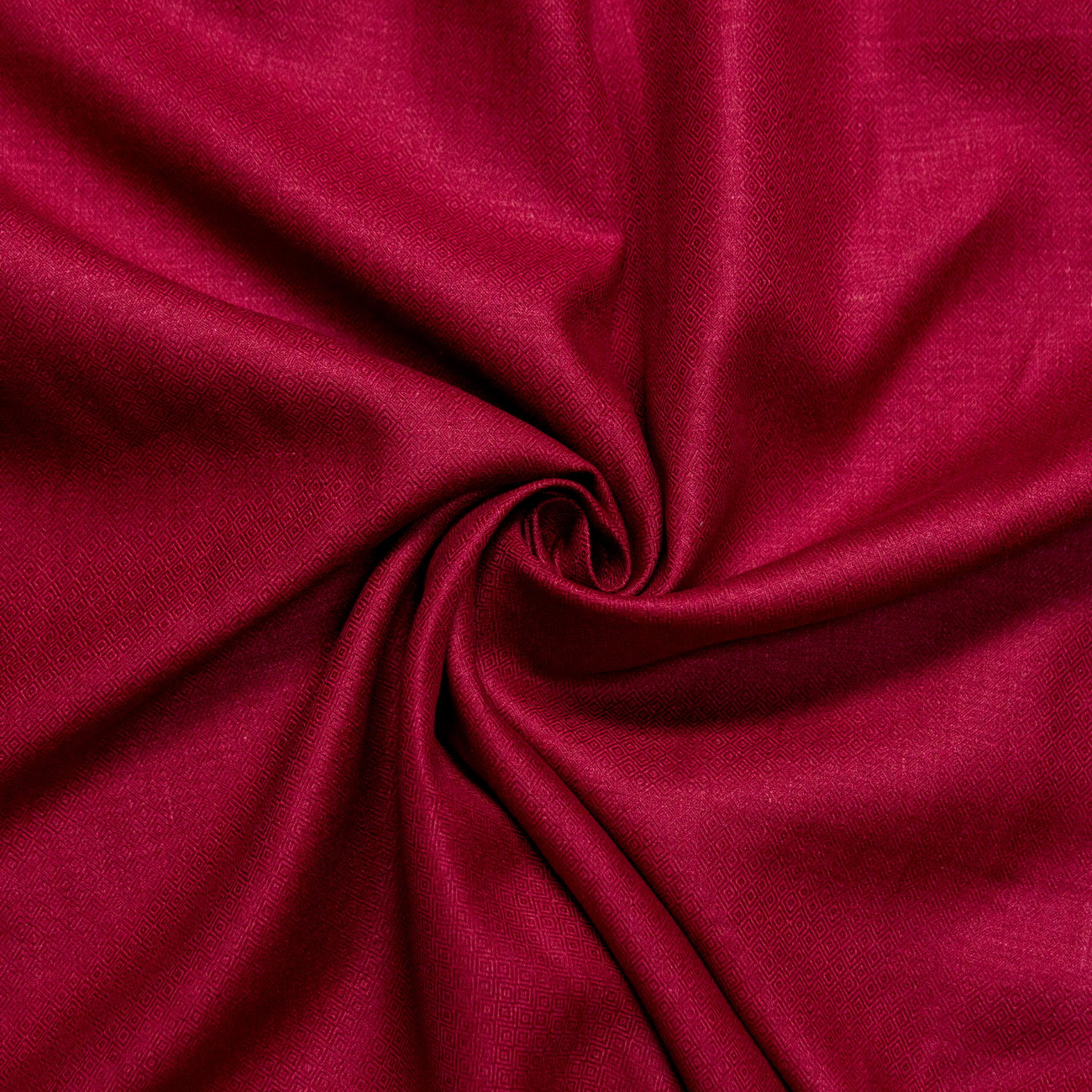
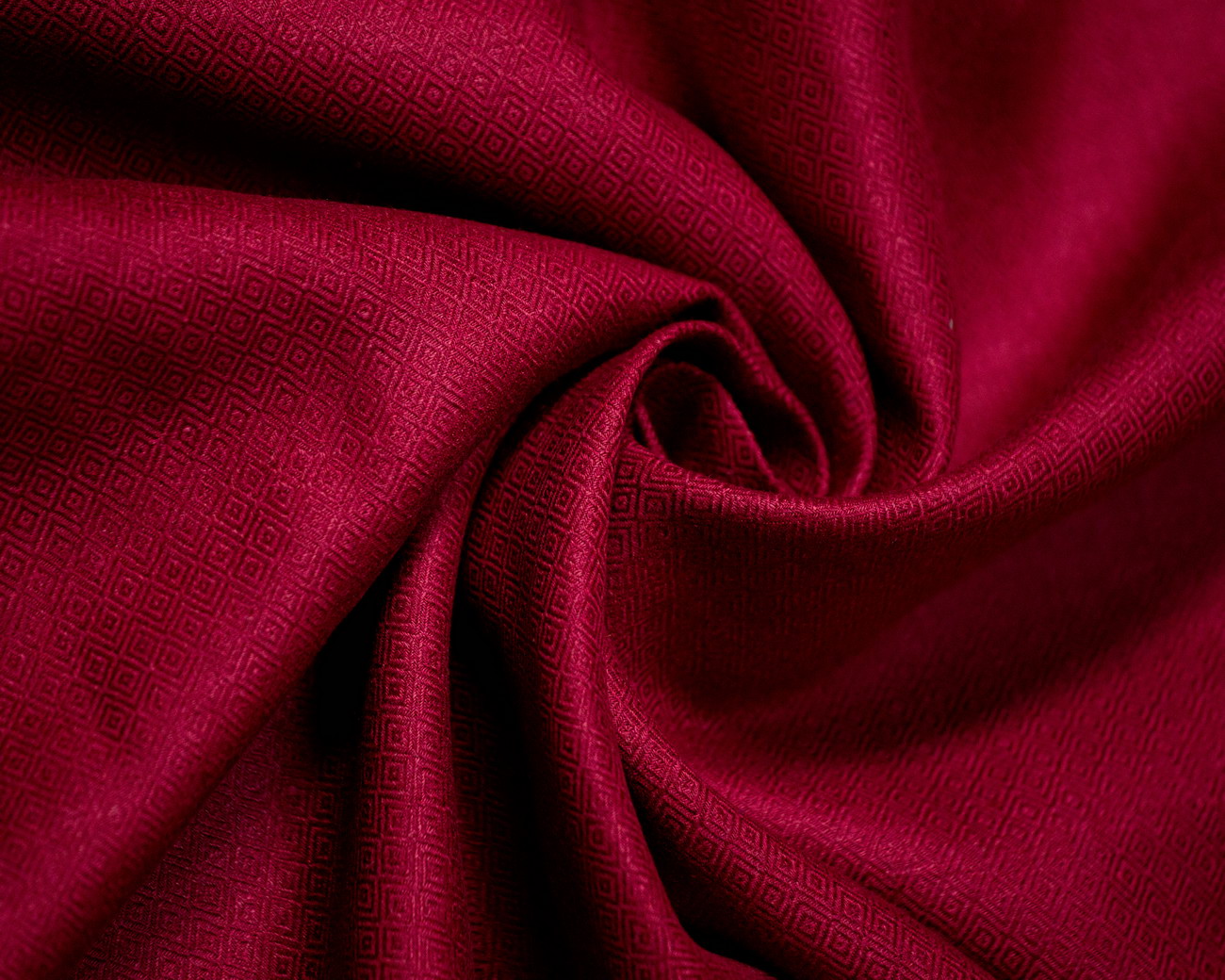
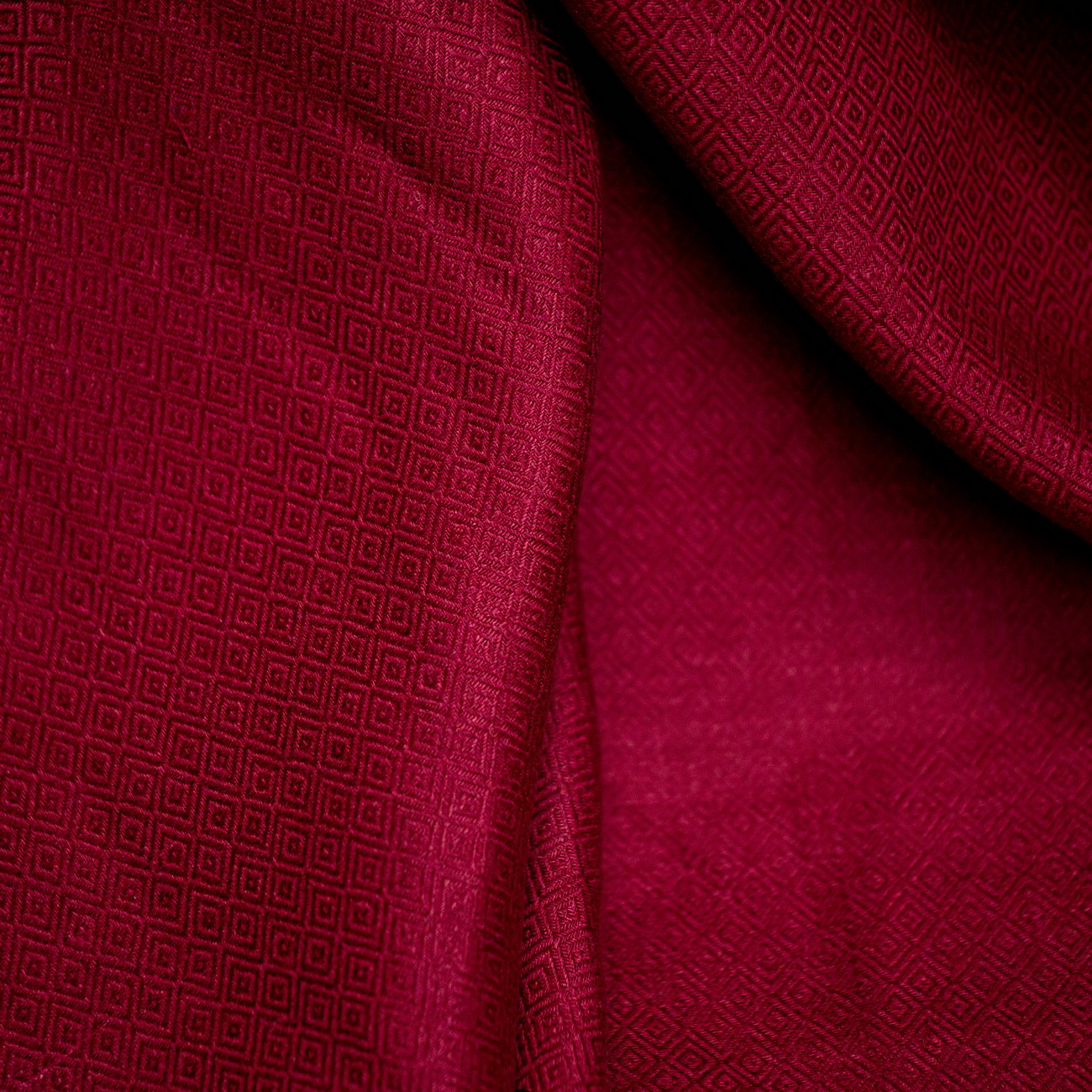
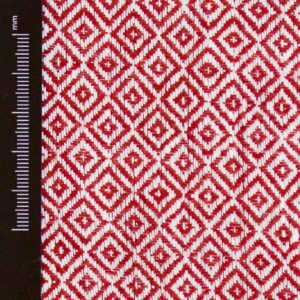
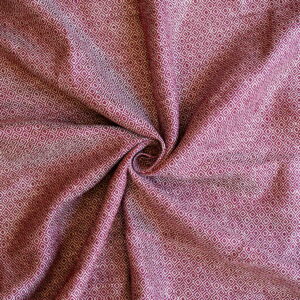
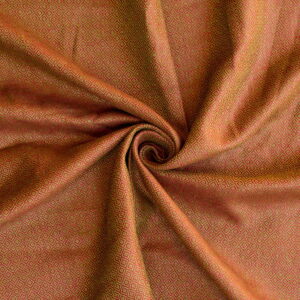
Linen Diamond – Burgundy – LDN 23/03

34,60 m

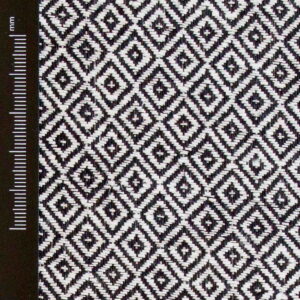
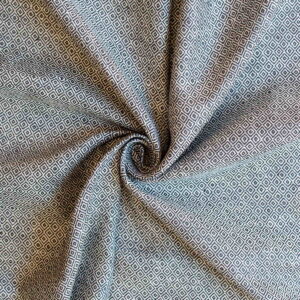
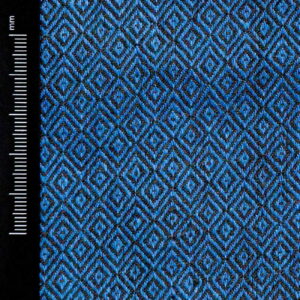
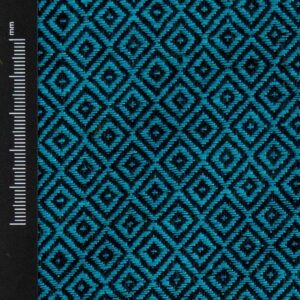
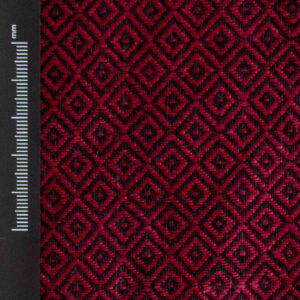
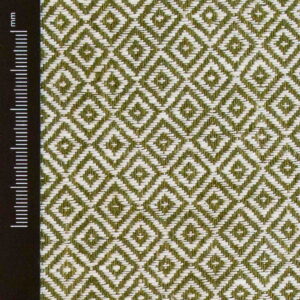
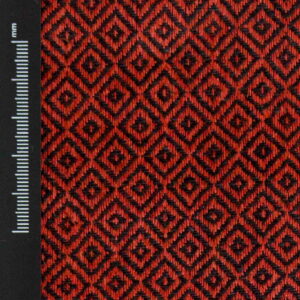
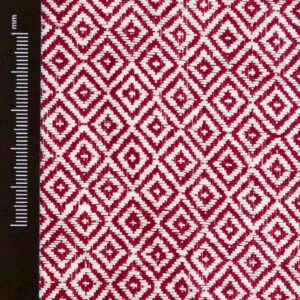
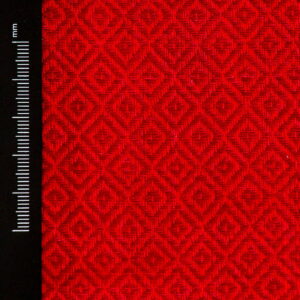
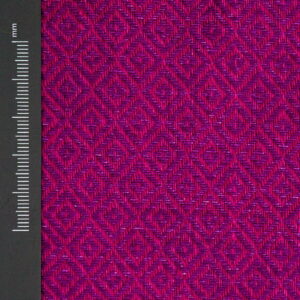
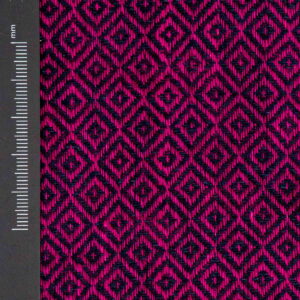
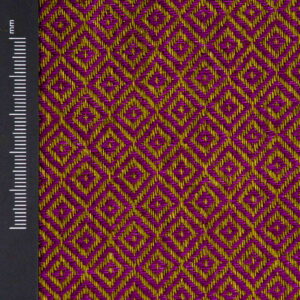
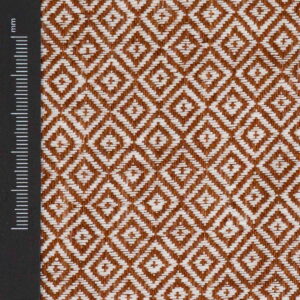
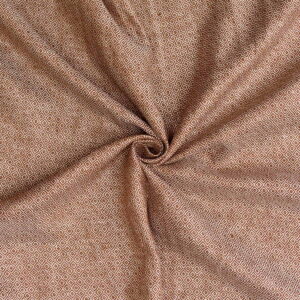
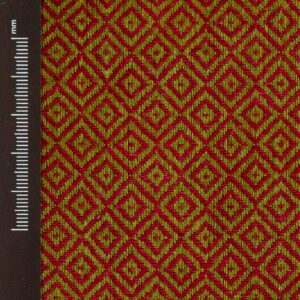
Wonderful 100% linen fabric in a tiny diamond pattern

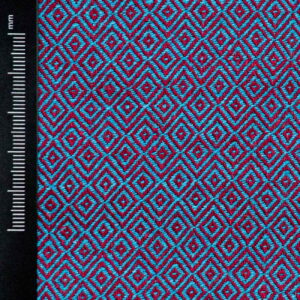
Do you need anything more? Of course not! Here is a very delicate, soft linen fabric in a very small diamond weave, only one centimeter in size!
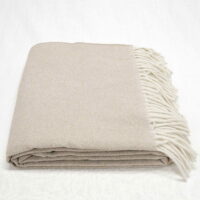
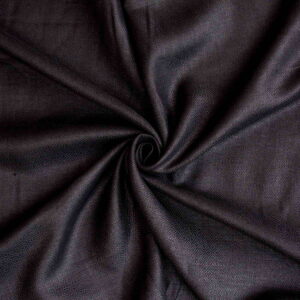
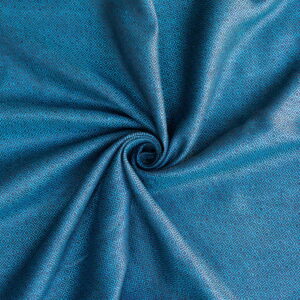
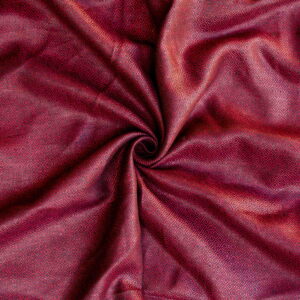
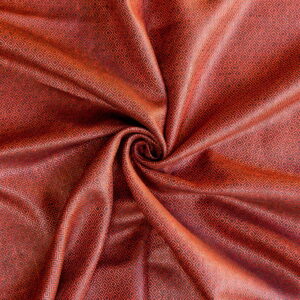
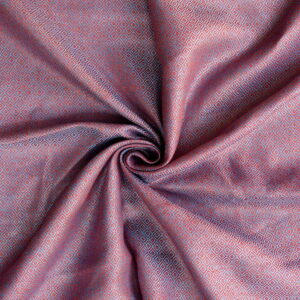
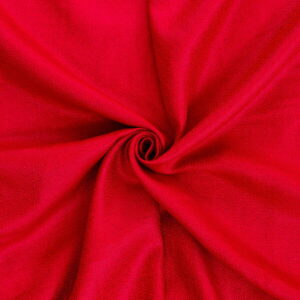
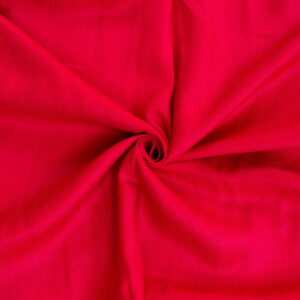
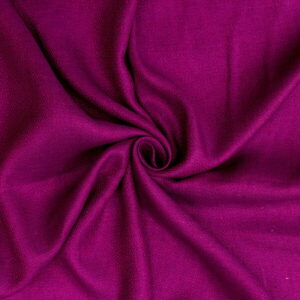
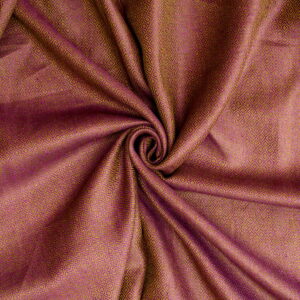
The fabric is made of polished linen fibers, thanks to which it not only has a slight shine, but above all is very soft and delicate to the touch.

The smaller diamond weave also makes the fabric seem more solid and less stretchy.

100% linen

Natural fibers

Worldwide shipping

Professional service

100% linen

Worldwide shipping

Natural fibers

Professional service

Width +/- 2cm

59", 150 cm

Grammage Note1: OZ - stands for Ounces per Square Yard. Note2: We are showing grammage as per 1 square meter (GSM). While you may be used to gramms per linear (running) meter from other shops (GLM).

6.8oz, 230 g/m2

Thread count TPI - stands for Threads Per square Inch, so it counts warp ends and weft picks altogether. If inch is not familiar for you, we are showing also how many threads (warp/weft) are present per 1 cm

90 TPI, 18/18 threads per cm

Pattern size

1 cm

Colour We have divided the palette into 11 basic colours. So this attribute is telling about the general, closest colour. For example BLUE : will include all different blue, navy and turquoise shades. This helps while filtering the shop searching for the fabric shade you desire.

Red

Weave

Diamond

In stock

Starting from 0.5m you can order any quantity you want!


Are you still hesitating?  Not sure that this will be in the shade and quality you expect? Then ask for a small sample (4x4cm).
You can ask up to 5 different samples for free. Each next one will cost 1 eur.
OTHER FABRICS FROM THIS COLLECTION

First things first, linen is a natural fiber that comes from the flax plant, so it's all-natural. Linen is one of the most breathable fabrics out there, perfect for those scorching hot summer days. It allows air to circulate freely, keeping you cool and fresh.
Durability is another feather in linen's cap. This fabric is tough and can withstand some serious wear and tear. So, you can count on your linen clothes to last for a good while, which is great for both your wallet and the environment.

Oh, did I mention that linen is eco-friendly? Yep, it's a sustainable choice. Flax plants require less water and pesticides compared to other crops used for fabric production. Plus, every part of the flax plant is used, so there's minimal waste. Mother Nature approves!

Last but not least, linen has a timeless elegance to it. It's a classic fabric that never goes out of style. Whether you're going for a chic, minimalist look or a bohemian vibe, linen fits right in. It's versatile and can be dressed up or down depending on the occasion. So there you have it, my friend. Linen is the bee's knees when it comes to fabrics. It's:

  • comfortable,
  • breathable,
  • absorbent,
  • durable,
  • eco-friendly,
  • and stylish.

What more could you ask for? Get yourself some linen textile, and you'll be feeling cool, confident, and oh-so-comfy in no time!

Linen is a natural fabric that has been around for centuries, and it's pretty cool how versatile and practical it is.

One of the fantastic things about linen is its durability. It's a fabric that can withstand a lot of wear and tear, which is great news for anyone who loves to engage in historical reenactment. If you're into recreating battles, costumes, or scenes from different eras, linen is a top choice. It can withstand the rigors of reenactments and still look authentic and stylish.

Speaking of historical reenactment, linen plays a significant role in recreating clothing from different time periods.

Whether you're donning antique Rome robes, medieval garb, or Victorian-era attire, linen fabrics can give your outfits that genuine historical feel.

It helps to transport you back in time, allowing you to immerse yourself fully in the experience.

But wait, there's more! Linen isn't just for clothing. It's also widely used in home decor and furnishings. Linen curtains, bed sheets, and tablecloths add an elegant touch to any space. The natural texture of linen can create a warm and inviting atmosphere.

So, whether you're a history buff who loves participating in reenactments or someone who appreciates the comfort and style of linen, this fabric has got you covered. It's breathable, durable, and versatile, making it a go-to choice for various purposes.

First and foremost, linen is made from the fibers of the flax plant. Flax is a hardy plant that requires minimal water compared to other crops used for textiles, such as cotton. It can grow in poor soil conditions without the need for excessive irrigation or chemical fertilizers.

This means that linen has a lower environmental impact in terms of water usage and the release of harmful chemicals into the soil.

The cultivation of flax also has positive implications for biodiversity. Flax plants attract a variety of beneficial insects, which help control pests naturally. The crop rotation practices often used in flax farming also contribute to healthier soil and reduce the need for synthetic pesticides and herbicides.

Another eco-friendly aspect of linen is its durability. Linen fabrics are known for their strength and longevity. When you invest in linen products, whether it's clothing, bedding, or home textiles, you're getting items that can withstand the test of time. This means less frequent replacement and less waste going into landfills.

Additionally, linen is a biodegradable material. When its lifespan eventually comes to an end, linen naturally decomposes without leaving a significant environmental footprint. This contrasts with synthetic fabrics, such as polyester, which can take hundreds of years to break down and release microplastics into the environment.

Choosing linen over other fabrics also contributes to the reduction of carbon emissions. The production of linen requires less energy compared to the manufacturing processes involved in creating synthetic fibers. By opting for linen, you're making a greener choice and reducing your carbon footprint.

A diamond weave, also known as a diamond twill, is a specific type of weave commonly used in textile manufacturing. It is characterized by its distinctive diamond-shaped pattern created by the interlacing of warp and weft yarns.

In a diamond weave, the yarns are interlaced in a way that forms diagonal lines that intersect and create a series of repeating diamonds. This interlacing pattern gives the fabric a unique visual texture and adds interest to its appearance.

Additionally, the diamond weave often provides some stretch and flexibility to the fabric, making it suitable for garments that require a degree of movement or drape.

Color Disclaimer

Buying fabrics online is always a challenge, we know you can’t see them in person before making a decision. And yet, choosing the right color is crucial for the overall look of your garment and its details.

That’s why at Woolsome we do our best to represent our fabrics as accurately as possible. We use a professional photography studio and a dedicated color control system to ensure that our photos reflect reality as closely as possible.

However, please keep in mind that colors may vary slightly depending on your screen. The way they appear can be affected by:

  • your monitor or phone settings,
  • lighting conditions (natural or artificial),
  • the angle at which you view the screen.

Shades of red are particularly difficult to reproduce accurately on digital displays.

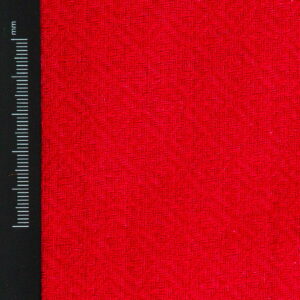
You may also notice that the main photo (a close-up of the fabric) appears slightly darker than images taken from a greater distance. This is a natural effect: both cameras and the human eye perceive color differently depending on light and perspective.

Please also note that many of our historical fabrics are woven using threads in two different colors (warp and weft). Up close, their structure is clearly visible, while from a distance the colors visually blend, creating a slightly different overall impression.

We want you to feel confident in your choice.

That’s why you can always order a sample before committing to a larger purchase. We also offer complete sample sets for each of our fabric collections.

ATTENTION: The fabric is made of polished linen threads, they give it a shiny appearance imitating silk, to maintain this effect, follow the washing instructions and DO NOT WASH it at high temperatures.

Wash in the washing machine, at a temperature of up to 30

Washing machine wash, temperature up to 30

Handwash

Handwash, temperature up to 30

Gentle spin

Gentle spin

Do not tumble dry

Do not tumble dry

Do not bleach

Do not bleach

Low heat iron

Low heat iron

Description

First things first, linen is a natural fiber that comes from the flax plant, so it's all-natural. Linen is one of the most breathable fabrics out there, perfect for those scorching hot summer days. It allows air to circulate freely, keeping you cool and fresh.

Durability is another feather in linen's cap. This fabric is tough and can withstand some serious wear and tear. So, you can count on your linen clothes to last for a good while, which is great for both your wallet and the environment.

Oh, did I mention that linen is eco-friendly? Yep, it's a sustainable choice. Flax plants require less water and pesticides compared to other crops used for fabric production. Plus, every part of the flax plant is used, so there's minimal waste. Mother Nature approves!

Last but not least, linen has a timeless elegance to it. It's a classic fabric that never goes out of style. Whether you're going for a chic, minimalist look or a bohemian vibe, linen fits right in. It's versatile and can be dressed up or down depending on the occasion. So there you have it, my friend. Linen is the bee's knees when it comes to fabrics. It's:

  • comfortable,
  • breathable,
  • absorbent,
  • durable,
  • eco-friendly,
  • and stylish.

What more could you ask for? Get yourself some linen textile, and you'll be feeling cool, confident, and oh-so-comfy in no time!

Linen is a natural fabric that has been around for centuries, and it's pretty cool how versatile and practical it is.

One of the fantastic things about linen is its durability. It's a fabric that can withstand a lot of wear and tear, which is great news for anyone who loves to engage in historical reenactment. If you're into recreating battles, costumes, or scenes from different eras, linen is a top choice. It can withstand the rigors of reenactments and still look authentic and stylish.

Speaking of historical reenactment, linen plays a significant role in recreating clothing from different time periods.

Whether you're donning antique Rome robes, medieval garb, or Victorian-era attire, linen fabrics can give your outfits that genuine historical feel.

It helps to transport you back in time, allowing you to immerse yourself fully in the experience.

But wait, there's more! Linen isn't just for clothing. It's also widely used in home decor and furnishings. Linen curtains, bed sheets, and tablecloths add an elegant touch to any space. The natural texture of linen can create a warm and inviting atmosphere.

So, whether you're a history buff who loves participating in reenactments or someone who appreciates the comfort and style of linen, this fabric has got you covered. It's breathable, durable, and versatile, making it a go-to choice for various purposes.

First and foremost, linen is made from the fibers of the flax plant. Flax is a hardy plant that requires minimal water compared to other crops used for textiles, such as cotton. It can grow in poor soil conditions without the need for excessive irrigation or chemical fertilizers.

This means that linen has a lower environmental impact in terms of water usage and the release of harmful chemicals into the soil.

The cultivation of flax also has positive implications for biodiversity. Flax plants attract a variety of beneficial insects, which help control pests naturally. The crop rotation practices often used in flax farming also contribute to healthier soil and reduce the need for synthetic pesticides and herbicides.

Another eco-friendly aspect of linen is its durability. Linen fabrics are known for their strength and longevity. When you invest in linen products, whether it's clothing, bedding, or home textiles, you're getting items that can withstand the test of time. This means less frequent replacement and less waste going into landfills.

Additionally, linen is a biodegradable material. When its lifespan eventually comes to an end, linen naturally decomposes without leaving a significant environmental footprint. This contrasts with synthetic fabrics, such as polyester, which can take hundreds of years to break down and release microplastics into the environment.

Choosing linen over other fabrics also contributes to the reduction of carbon emissions. The production of linen requires less energy compared to the manufacturing processes involved in creating synthetic fibers. By opting for linen, you're making a greener choice and reducing your carbon footprint.

A diamond weave, also known as a diamond twill, is a specific type of weave commonly used in textile manufacturing. It is characterized by its distinctive diamond-shaped pattern created by the interlacing of warp and weft yarns.

In a diamond weave, the yarns are interlaced in a way that forms diagonal lines that intersect and create a series of repeating diamonds. This interlacing pattern gives the fabric a unique visual texture and adds interest to its appearance.

Additionally, the diamond weave often provides some stretch and flexibility to the fabric, making it suitable for garments that require a degree of movement or drape.

Colours in WoolSome

Color Disclaimer

Buying fabrics online is always a challenge, we know you can’t see them in person before making a decision. And yet, choosing the right color is crucial for the overall look of your garment and its details.

That’s why at Woolsome we do our best to represent our fabrics as accurately as possible. We use a professional photography studio and a dedicated color control system to ensure that our photos reflect reality as closely as possible.

However, please keep in mind that colors may vary slightly depending on your screen. The way they appear can be affected by:

  • your monitor or phone settings,
  • lighting conditions (natural or artificial),
  • the angle at which you view the screen.

Shades of red are particularly difficult to reproduce accurately on digital displays.

You may also notice that the main photo (a close-up of the fabric) appears slightly darker than images taken from a greater distance. This is a natural effect: both cameras and the human eye perceive color differently depending on light and perspective.

Please also note that many of our historical fabrics are woven using threads in two different colors (warp and weft). Up close, their structure is clearly visible, while from a distance the colors visually blend, creating a slightly different overall impression.

We want you to feel confident in your choice.

That’s why you can always order a sample before committing to a larger purchase. We also offer complete sample sets for each of our fabric collections.

Washing advice

ATTENTION: The fabric is made of polished linen threads, they give it a shiny appearance imitating silk, to maintain this effect, follow the washing instructions and DO NOT WASH it at high temperatures.

Wash in the washing machine, at a temperature of up to 30

Washing machine wash, temperature up to 30

Handwash

Handwash, temperature up to 30

Gentle spin

Gentle spin

Do not tumble dry

Do not tumble dry

Do not bleach

Do not bleach

Low heat iron

Low heat iron