


 STFCN - Silk Natural Taffeta Chinese
























 Our textiles
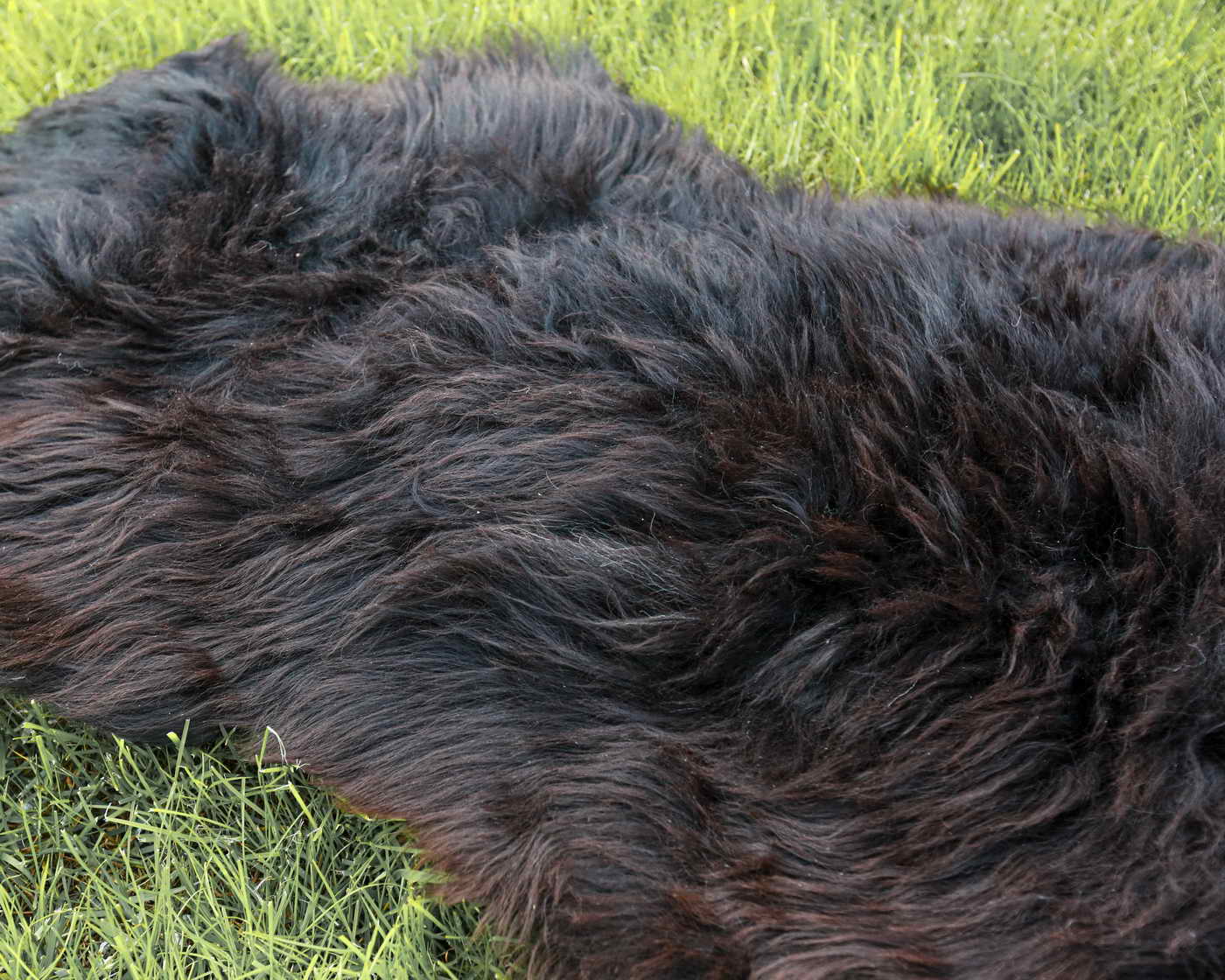



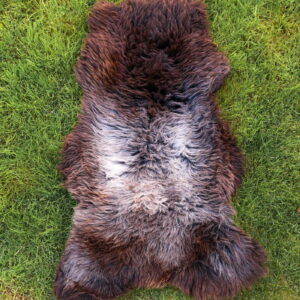

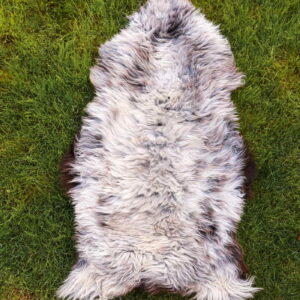
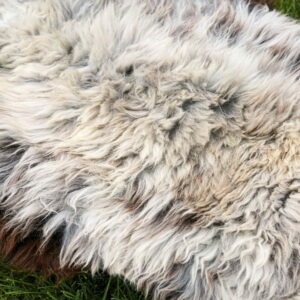



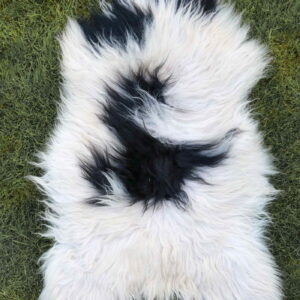

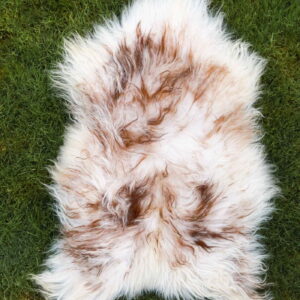


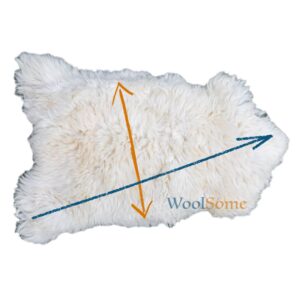
In sheep raised in continental conditions, fleece structure tends to be more uniform and compact. The fibers are shorter than in Icelandic types, but significantly denser and more resilient, key features of high-quality continental sheepskin and shearling.
This is influenced by both breed and environment. Compared to Iceland, farming conditions are less extreme, resulting in a more “ordered” fiber structure. However, the climate is still relatively cool, which promotes the growth of a thick, insulating undercoat.
Unlike Icelandic fleece, continental fleece does not separate into distinct layers. Instead, it forms a dense, soft surface with excellent thermal insulation properties. Vegetable-tanned sheepskin retains the leather’s natural flexibility and the wool’s springiness, crucial for durability and long-term use.
Continental sheepskin is the most versatile choice, especially where functionality, durability, and comfort are essential.
In historical reenactment, it works perfectly for:
- shearling coats and linings
- collars, trims, and garment details
- seat pads, stool covers, and camp equipment
- items exposed to frequent use
Thanks to its shorter fleece, it is more comfortable to wear and far less prone to tangling, making it ideal for practical applications.
In modern use:
- works well as a sheepskin rug or floor mat
- ideal for seating (benches, chairs)
- a functional and aesthetic addition to interior design
Choosing the right type of natural sheepskin depends on your project and intended use.
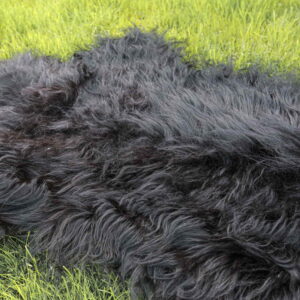
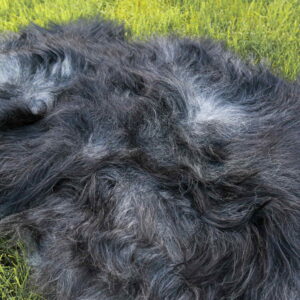
Icelandic sheepskin features long, lightweight fleece that moves freely, separates into strands, and reflects light-creating a raw, organic look full of texture and motion. It’s best suited for visually driven applications such as costume design, throws, tent décor, or statement pieces where a “living material” effect is desired.
Continental sheepskin, by contrast, has shorter, denser, and more compact fleece. This makes it far more practical for everyday use: it doesn’t tangle easily, withstands friction better, and maintains a neat appearance over time. It’s the ideal choice for projects that require durability and comfort, such as coats, linings, collars, and functional camp gear.
Caring for continental sheepskin is relatively simple and less demanding than maintaining long-fleece varieties.
Key guidelines for sheepskin care:
- air it out regularly to keep it fresh
- avoid machine washing and excessive moisture
- use spot cleaning for stains
- no frequent brushing needed, the fleece naturally maintains its structure
Thanks to its dense and compact build, continental sheepskin retains its appearance over time and performs exceptionally well in everyday use.