


 STFCN - Silk Natural Taffeta Chinese

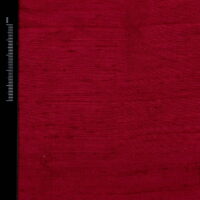
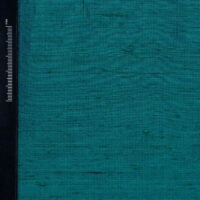



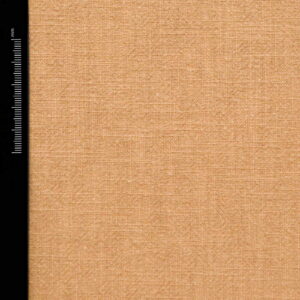
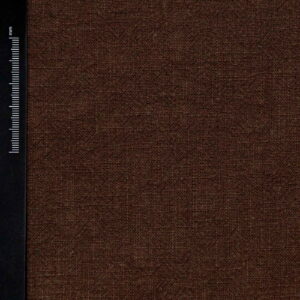


















 Our textiles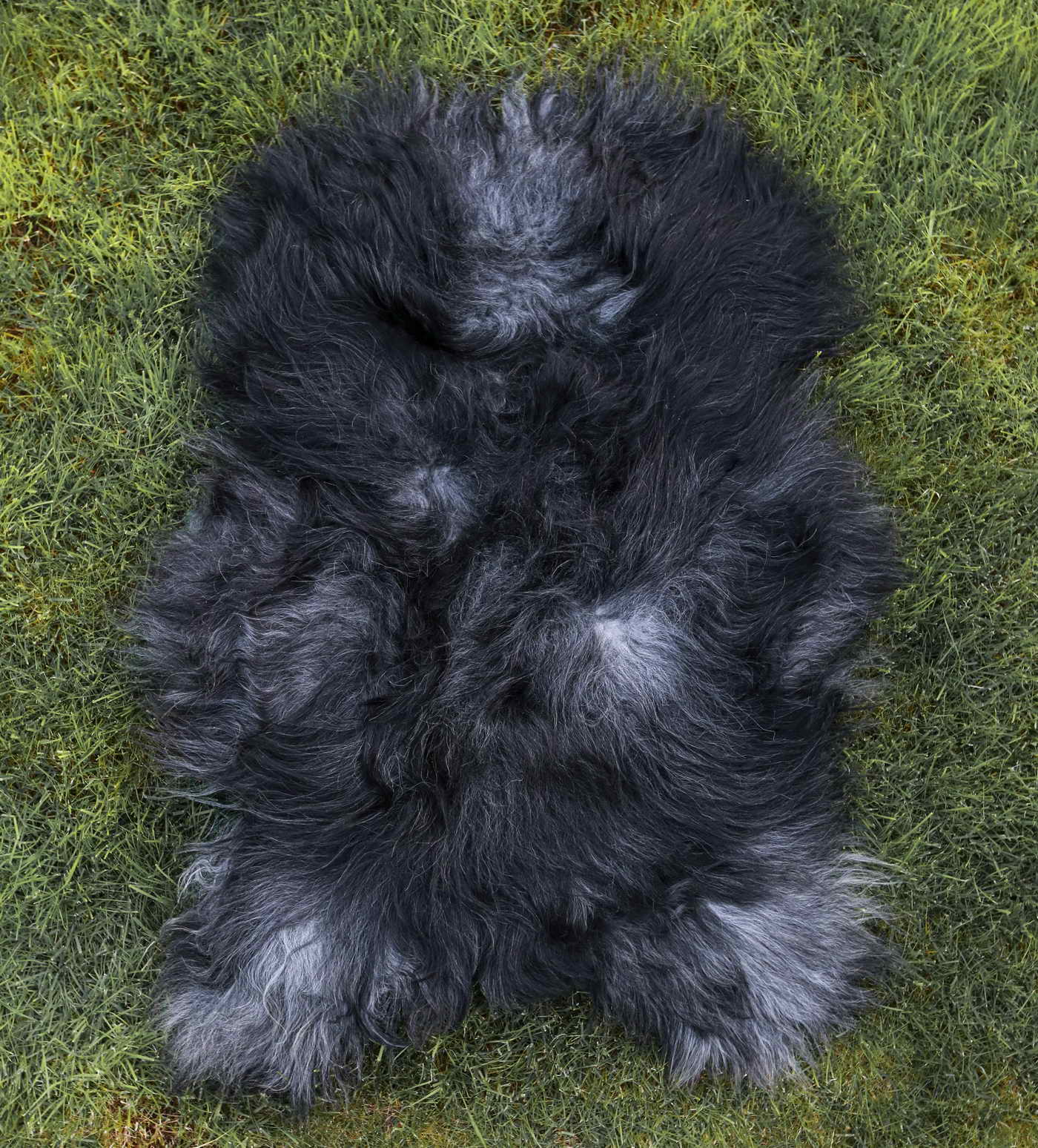
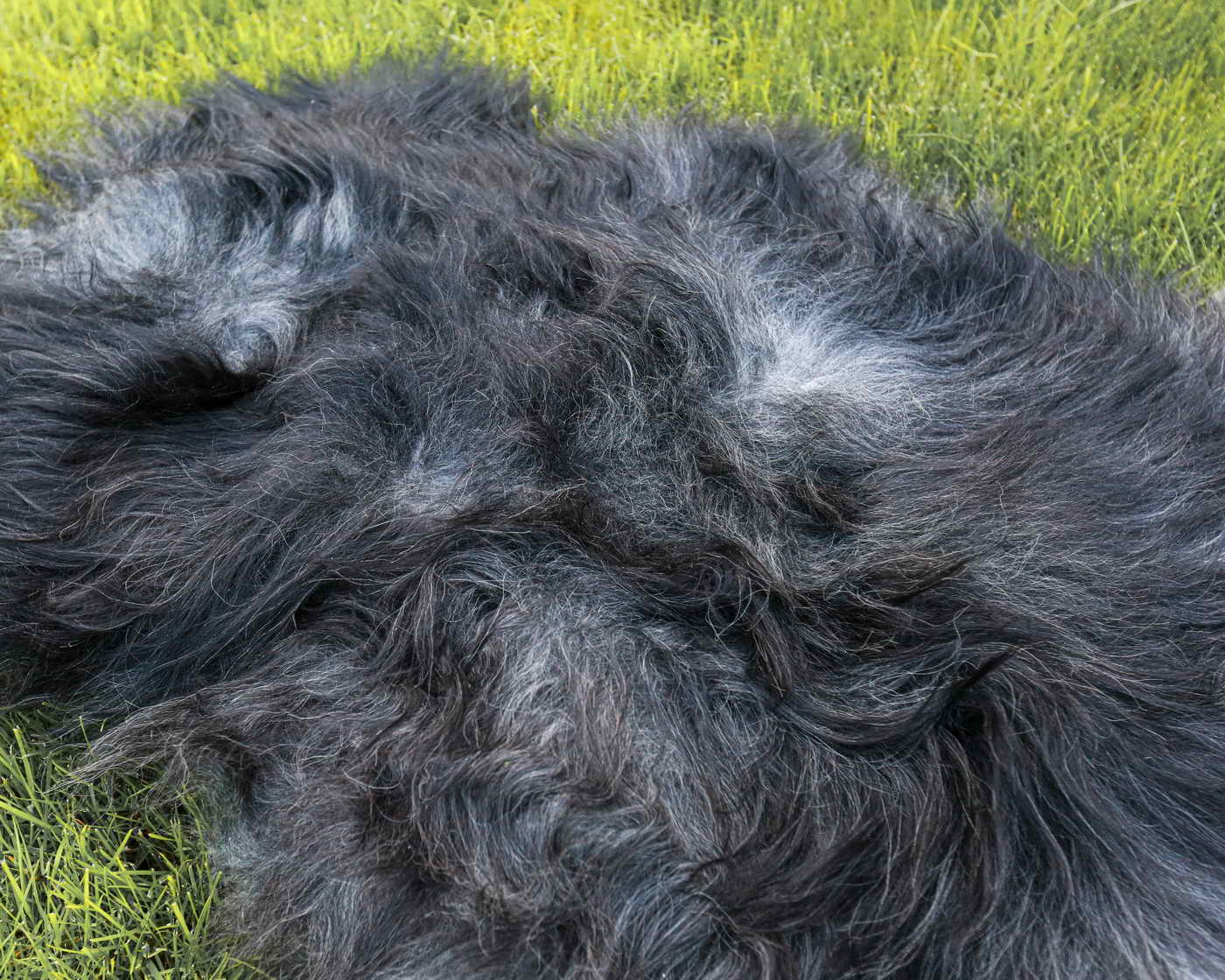
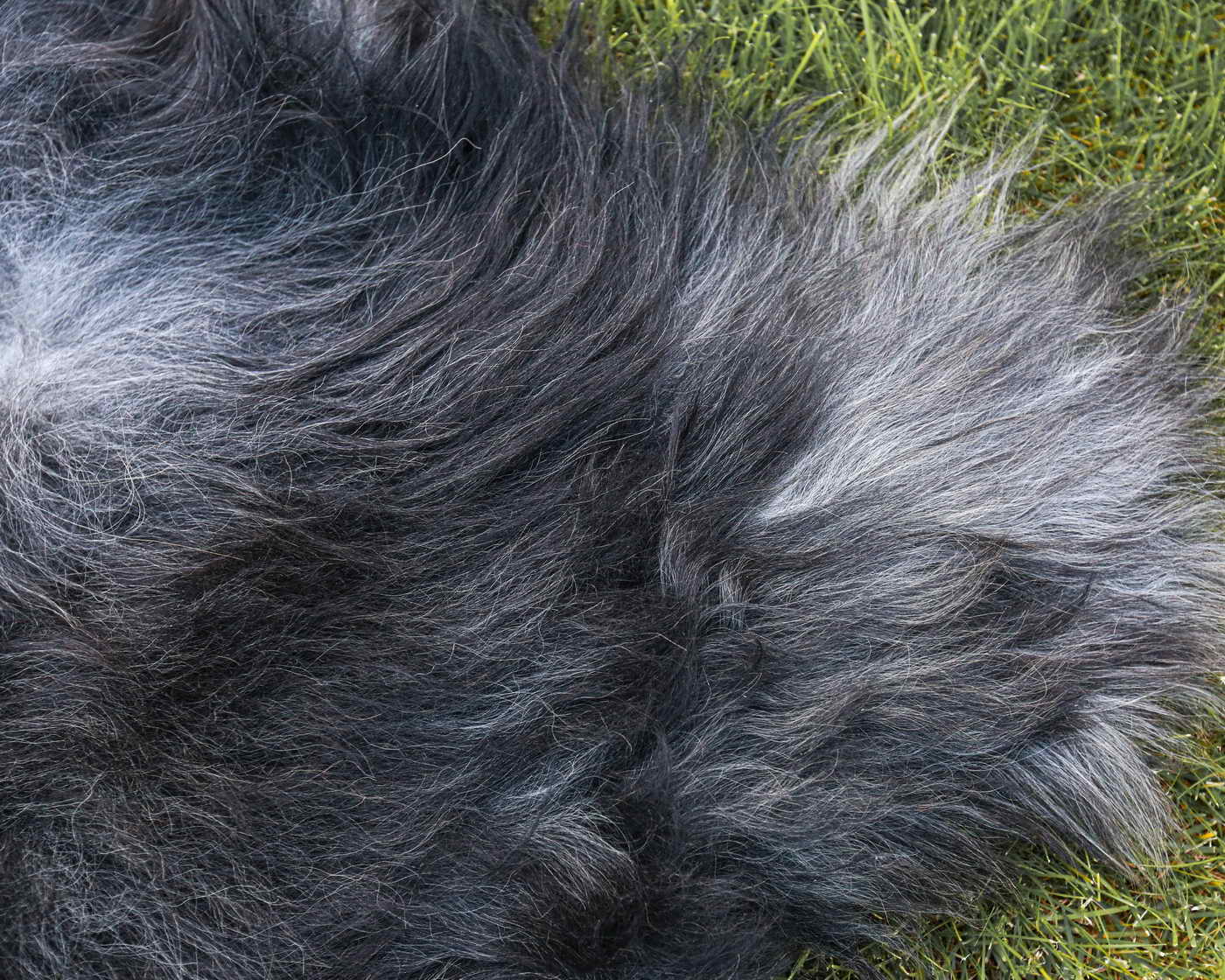



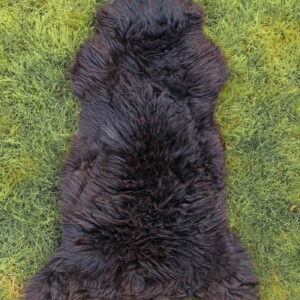
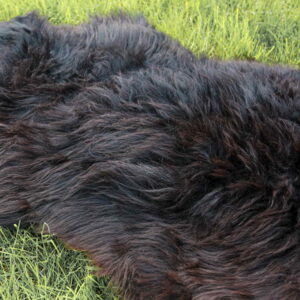
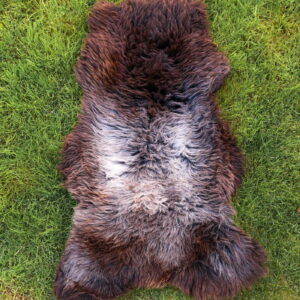

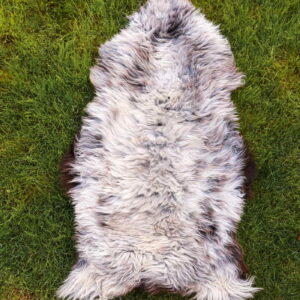
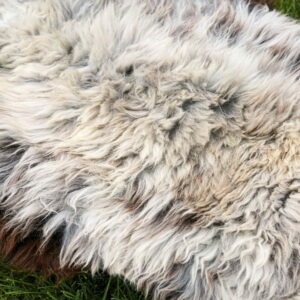


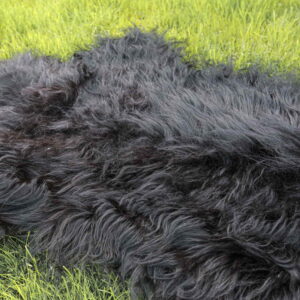
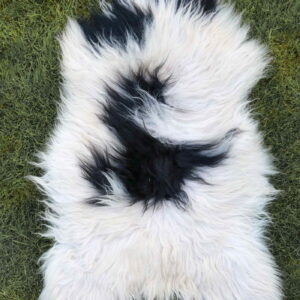

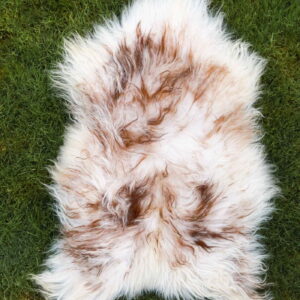


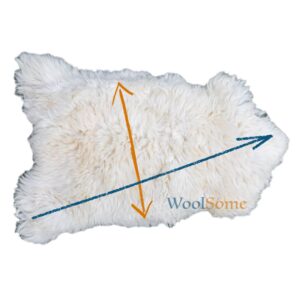
The length and texture of Icelandic sheep fleece are shaped by both genetics and environment. Icelandic sheep have developed double-coated fleece: long, silky guard hairs combined with a soft, insulating undercoat.
In the harsh island climate of Iceland, the outer coat protects against rain and wind. These longer fibers are naturally water-resistant, slightly slick, and tend to separate into strands, giving Icelandic sheepskin its signature airy, dynamic look. Meanwhile, the dense undercoat traps heat and provides insulation, especially during cold winters.
The final appearance also depends on the tanning process. Vegetable-tanned Icelandic sheepskin retains its natural softness, elasticity, and movement, without the stiff, “plastic-like” finish typical of chrome tanning. After tanning, simply brushing the fleece restores its smoothness and volume.
Icelandic sheepskin is the perfect choice when visual impact, movement, and texture matter most. Its long fleece works especially well as a decorative and statement material, making it ideal for:
- LARP and cosplay costumes (cloaks, capes, costume details)
- historical reenactment outfits and accessories
- camp décor (bench throws, bedding, tent decorations)
- character styling where texture and status details play a key role
Due to its long fibers, Icelandic sheepskin is less commonly used for fitted garments like coats. Instead, it excels as an outer layer, trim, or decorative element that adds depth and a natural, rugged aesthetic.
Choosing the right sheepskin depends on your project and how the material will be used.
Icelandic sheepskin features long, lightweight fleece that moves freely, separates into strands, and reflects light beautifully. This creates a raw, natural look full of depth and motion. It’s the best option for visually driven projects, such as costume elements, throws, tent décor, or statement finishes, where you want a “living” material that enhances volume and character.
Continental sheepskin, on the other hand, has shorter, denser, and more compact fleece. This makes it far more practical for everyday use: it resists tangling, handles friction better, and maintains a neat appearance over time. It’s the preferred choice for durable applications like shearling coats, linings, collars, seating pads, or camp gear.
Due to its long and delicate fleece, Icelandic sheepskin requires slightly more careful maintenance than short-wool skins. The key is to preserve its natural structure and avoid conditions that can cause felting or drying out.
- Avoid excessive moisture and high temperatures, these are the most common causes of damage and hardening. Never machine wash or dry sheepskin near direct heat sources. If it gets wet, let it air dry slowly at room temperature, away from radiators and direct sunlight.
- For everyday care, air the sheepskin regularly outdoors and gently shake it to remove dust. This refreshes the fleece without disturbing its natural texture.
- Over time, the long fibers may become slightly tangled. You can gently separate them with your fingers or use a wide-tooth comb, starting from the ends.
- For stains, use spot cleaning with a small amount of water and mild products designed for wool or natural leather. For heavy soiling, professional cleaning is the safest option.
With proper care, Icelandic sheepskin will maintain its softness, lightness, and distinctive natural appearance for many years.