



 STFCN - Silk Natural Taffeta Chinese
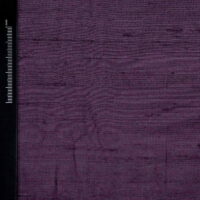
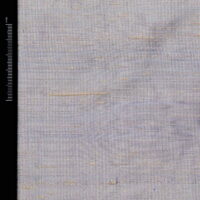
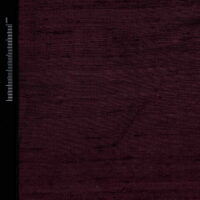

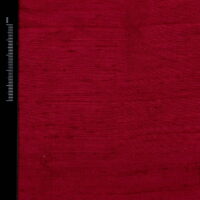
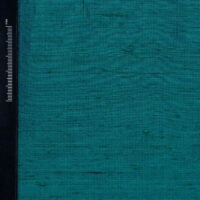

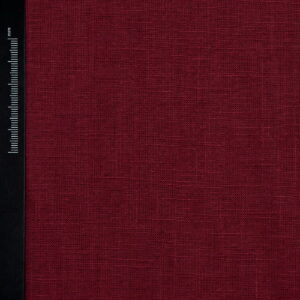


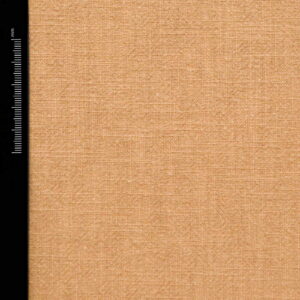
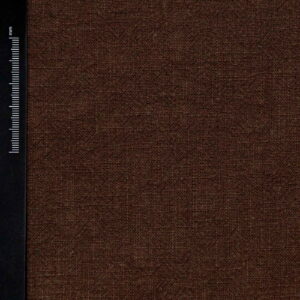

















 Our textiles
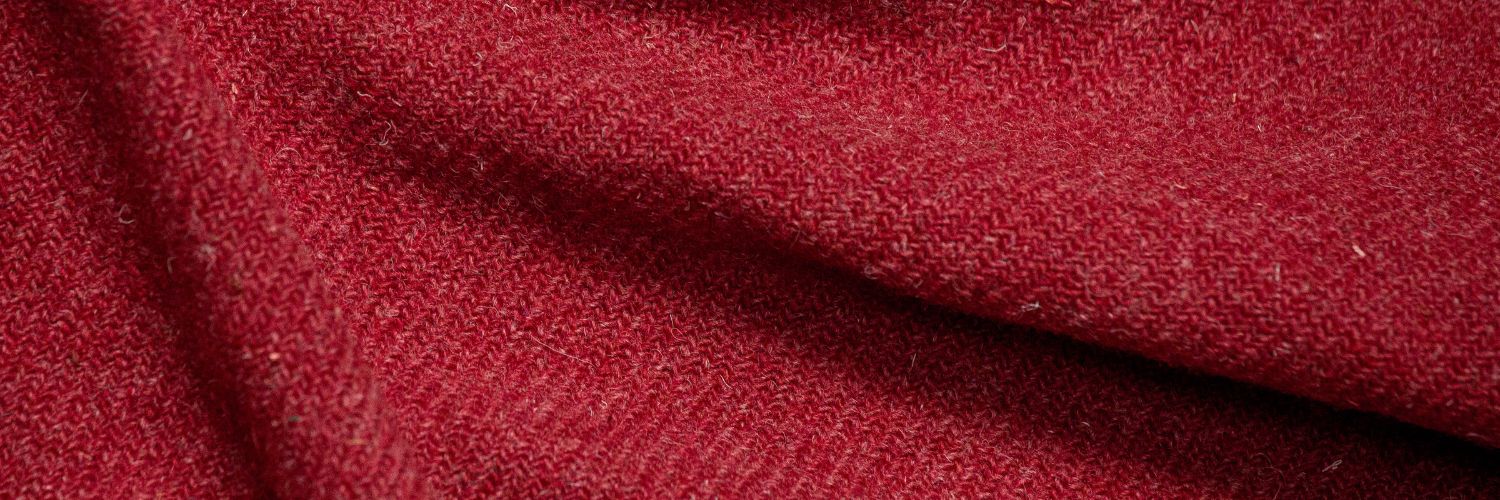
Wool is a material that, under the right conditions, can last surprisingly long. The oldest surviving wool textiles date back to the Bronze Age. In Europe, one of the earliest examples is the fabric from Pustopolje (Bosnia and Herzegovina), dated to 1495–1435 BC only slightly older than the garments of the Egtved Girl (1390–1370 BC).
However, our wardrobes are not the damp, acidic bogs of Denmark or the dry, airy deserts where such textiles were preserved. That’s why we need to create the right conditions ourselves. So how to care for wool to make sure it truly lasts for years?
Why Does Wool Require Special Care?
Wool is a natural, animal-derived fiber, specifically a protein fiber, structurally similar to human hair. Each fiber is covered with microscopic scales. Under normal conditions, these scales lie flat, making wool soft, elastic, and pleasant to the touch.
Problems begin when wool is treated like any other fabric.
If you throw a wool sweater into a regular wash cycle, something irreversible happens: the raised scales of neighboring fibers begin to catch onto each other like microscopic Velcro. This process is called felting. The fibers lock together tightly, causing the garment to shrink dramatically and lose its softness.
Another challenge lies in detergents. Conventional laundry detergents are designed to remove protein-based stains (like food). Since wool itself is made of protein – keratin – these aggressive enzymes can actually attack the fabric structure, weakening it and making it rough.
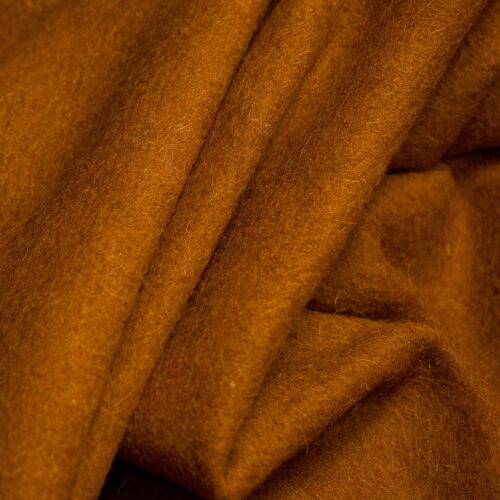
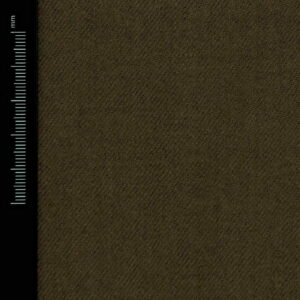
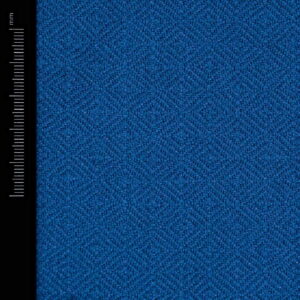
Felted wools



How to Wash Wool Without Damaging It?
The safest method is hand washing. Use lukewarm water and a small amount of a gentle wool detergent. Instead of scrubbing, gently press and squeeze the fabric. This is enough to remove dirt without damaging the fibers.
Can you wash wool in a washing machine? Yes, but only if you do it consciously and understand how wool behaves.
Wool doesn’t like sudden changes. It reacts poorly not just to water, but to rapid shifts in temperature, movement, and intensity. That’s why a wool cycle isn’t just marketing, it’s real protection. It maintains a low, stable temperature and reduces drum movement, helping keep the fiber scales closed and minimizing the risk of felting.

If you want to machine wash wool safely, follow these essential rules:
- Choose a wool or hand-wash cycle
- Use a low temperature (ideally 20–30°C / 68–86°F)
- Minimize or skip spinning
- Use a detergent specifically designed for wool
- Don’t overload the drum, wool needs space
- Wash with lightweight, similar fabrics (avoid heavy garments)
- Avoid sudden temperature changes between wash and rinse
Well-treated wool can handle machine washing surprisingly well. The key isn’t avoiding the machine, it’s understanding that gentleness and consistency matter most.
How to Dry Wool Properly?
Drying is just as important as washing.
Wet wool becomes heavy and prone to stretching, so hanging it on a line or hanger can easily distort its shape.
Instead, lay it flat – preferably on a towel – and let it air dry naturally. While this takes more time, it helps maintain the garment’s original shape and structure.
Avoid direct heat sources like radiators or tumble dryers, they can do more harm than good.
Do You Need to Wash Wool Often?
This is one of the most common questions, and often where people change their entire approach.
Wool does not require frequent washing.
Thanks to its natural antibacterial properties, it stays fresh for a long time. In many cases, simply airing it out is enough. Hanging wool outdoors for a few hours can be more effective than another wash cycle.
This method has been used for centuries and still works perfectly, especially for heavier fabrics like coats or garments worn occasionally.
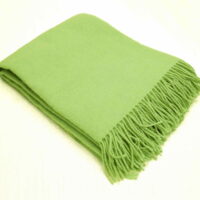
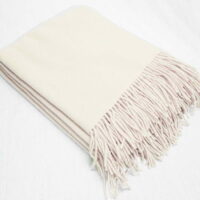
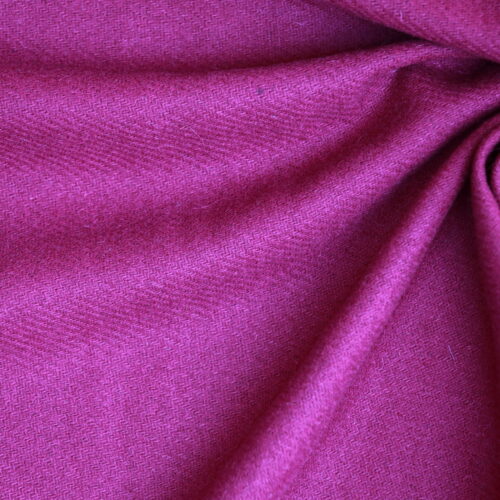
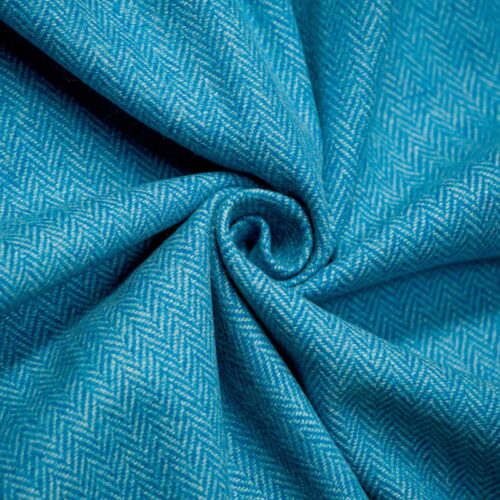
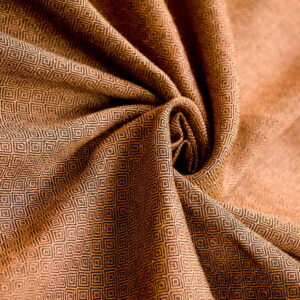
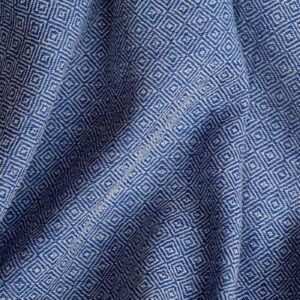
Delicate wools


How to Refresh Wool Without Washing?
When wool needs a light refresh, water isn’t always necessary.
Steam can work wonders for example, the steam from a hot shower. It gently relaxes fibers, reduces wrinkles, and removes odors without risking felting or damage.
Gentle brushing is also effective. It removes dust, loose fibers, and minor dirt while restoring the fabric’s neat appearance. Use a soft brush and follow the direction of the fibers without applying too much pressure.
Combined with regular airing – preferably outdoors but away from direct sunlight – this approach can often replace washing entirely. It not only extends the life of wool but also preserves its natural properties.
Freezing Wool & Cleaning with Snow
Before modern detergents, wool was refreshed using natural methods, and surprisingly, they still work.
Freezing wool is commonly used to fight moths and for good reason. Low temperatures kill larvae, but also help neutralize odors and refresh the fabric without friction or water.
Simply seal the garment in a bag and place it in the freezer for several hours. In winter, you can also hang wool garments outside in freezing temperatures.
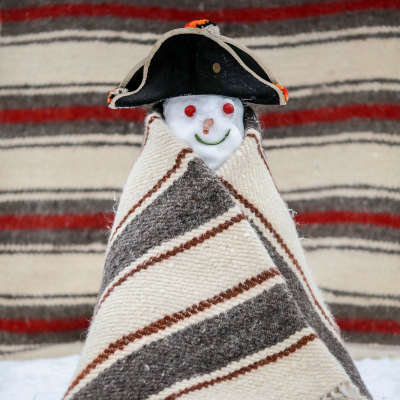
Even more unusual is cleaning wool with snow – a traditional method that’s rarely used today. Fresh, dry snow acts as a gentle, natural cleaner. Lay the fabric on snow, lightly cover it, and gently rub.
The snow lifts dirt while the low temperature prevents felting. However, the snow must be clean, fresh, and powdery wet or dirty snow can cause damage.
Both methods share one key advantage: they are extremely gentle. They don’t strip lanolin, don’t shock the fibers, and don’t interfere with wool’s natural structure.
How to Store Wool Properly?
Longevity also depends on storage.
The essentials are a dry, breathable space and protection against moths. Instead of chemicals, consider natural repellents like lavender, bog myrtle, or cedarwood.
Proper storage matters too:
- Fold wool garments and store them flat
- Hang heavier items (like coats) on wide, sturdy hangers
- Avoid thin hangers that can distort the shape
Common Wool Problems (and How to Prevent Them)
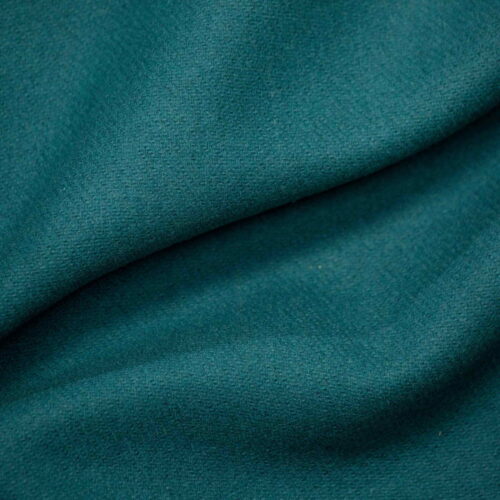
Wool’s unique properties mean it reacts differently than synthetic fabrics. The most common issues include:
- Shrinking and felting – caused by heat, moisture, and friction (use proper washing methods)
- Moth damage – prevent with airflow and natural repellents like lavender
- Itchiness – depends on fiber thickness; finer wool (like merino, cashmere, angora) is much softer
- Pilling – common at the beginning of use; reduce friction and remove pills with a fabric shaver
- Sensitivity to environment – prolonged sun exposure can fade wool; it also absorbs moisture from the air