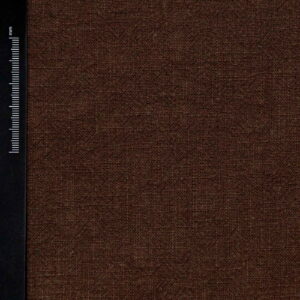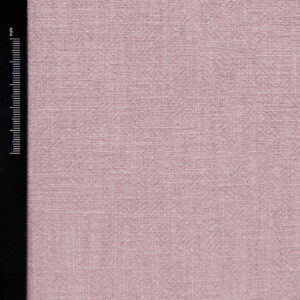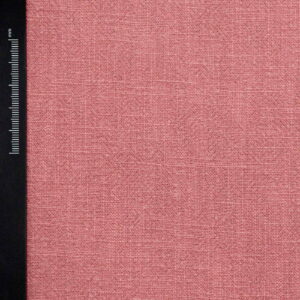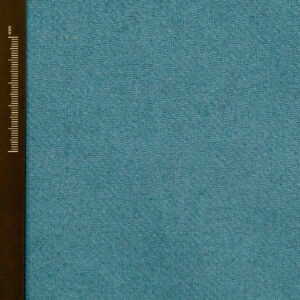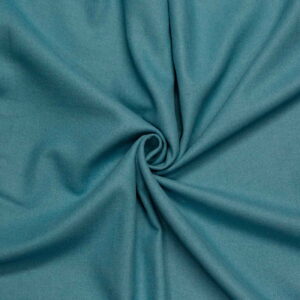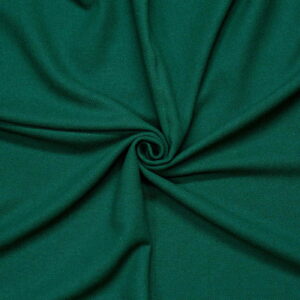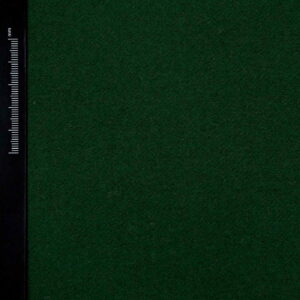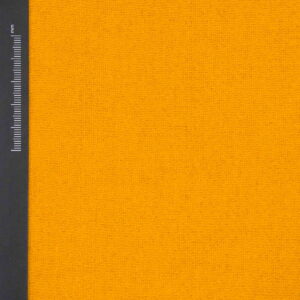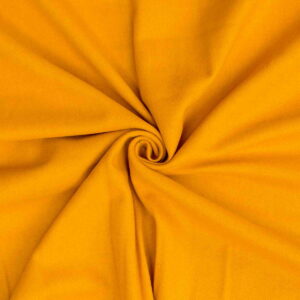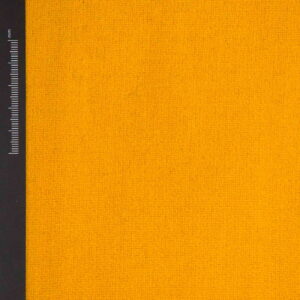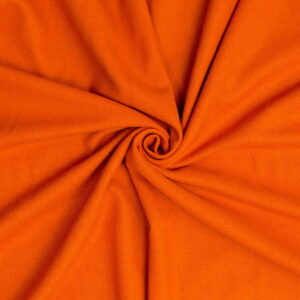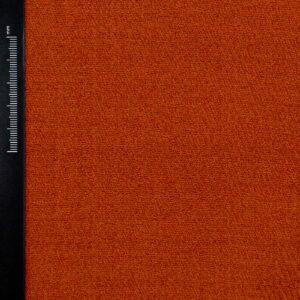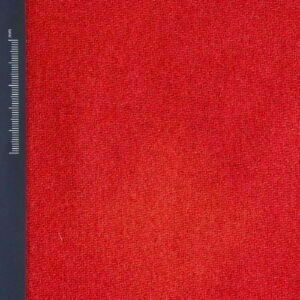


OTHER FABRICS FROM THIS COLLECTION

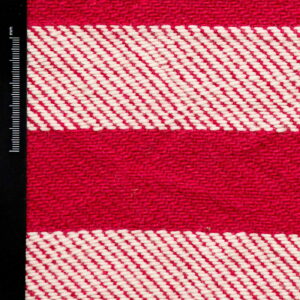
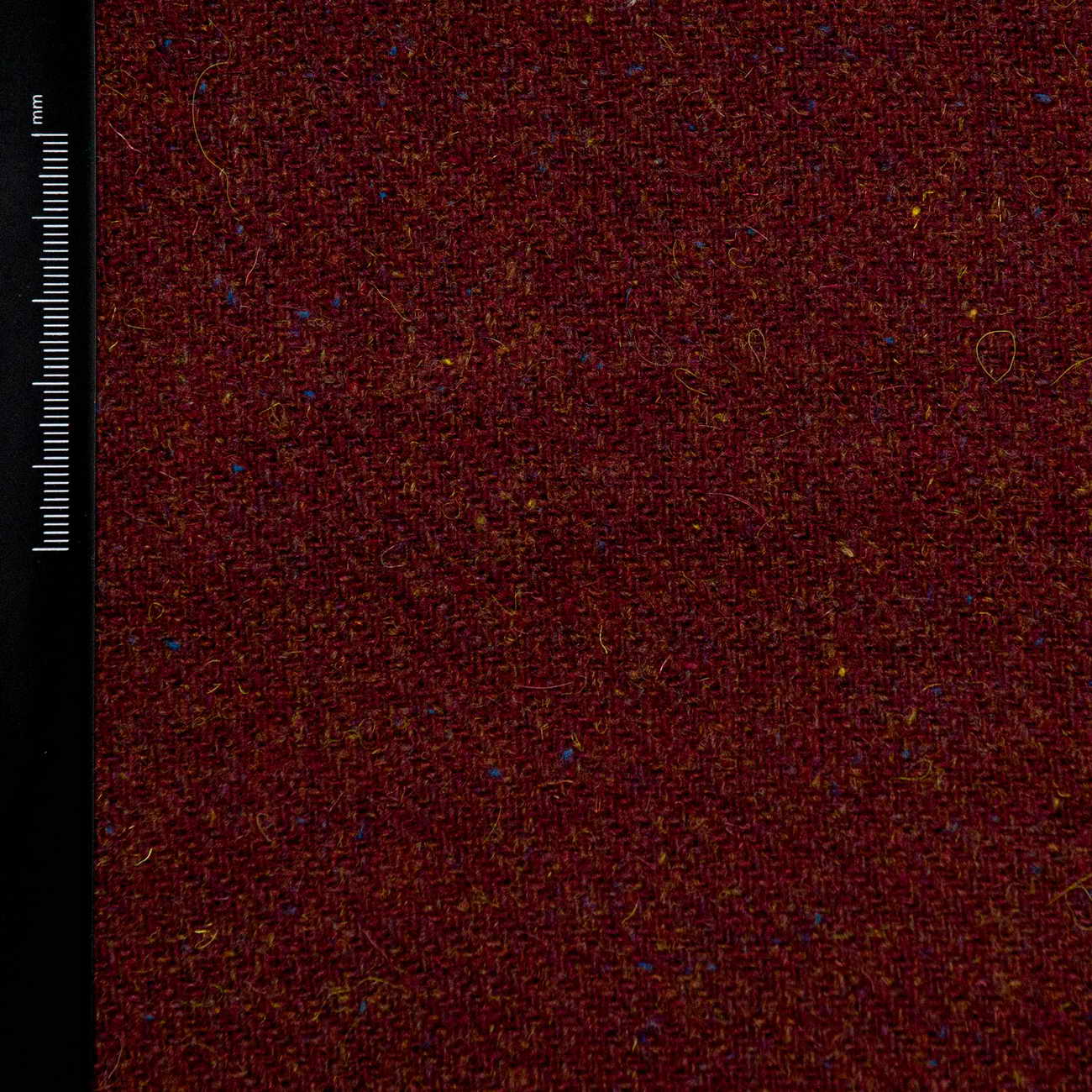
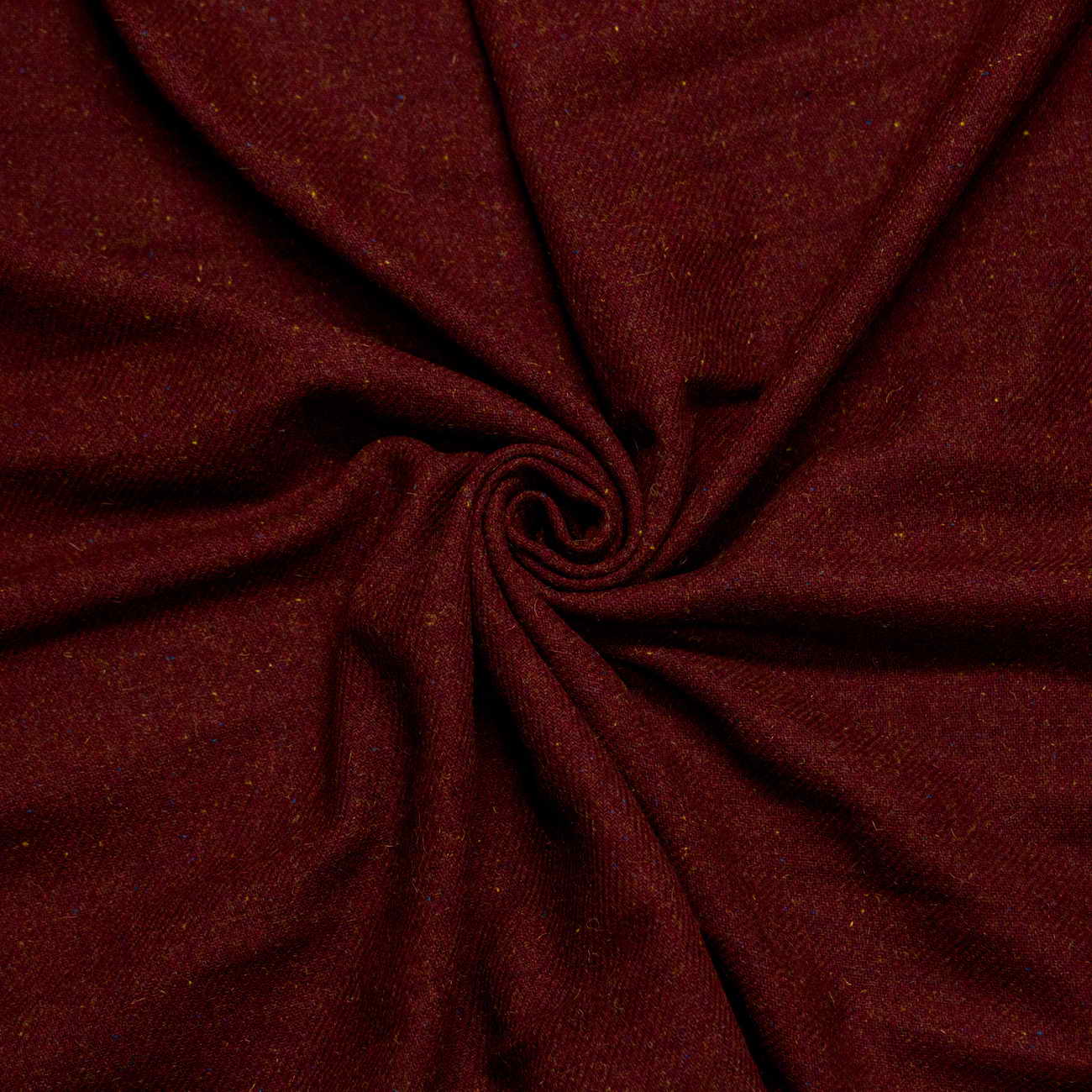
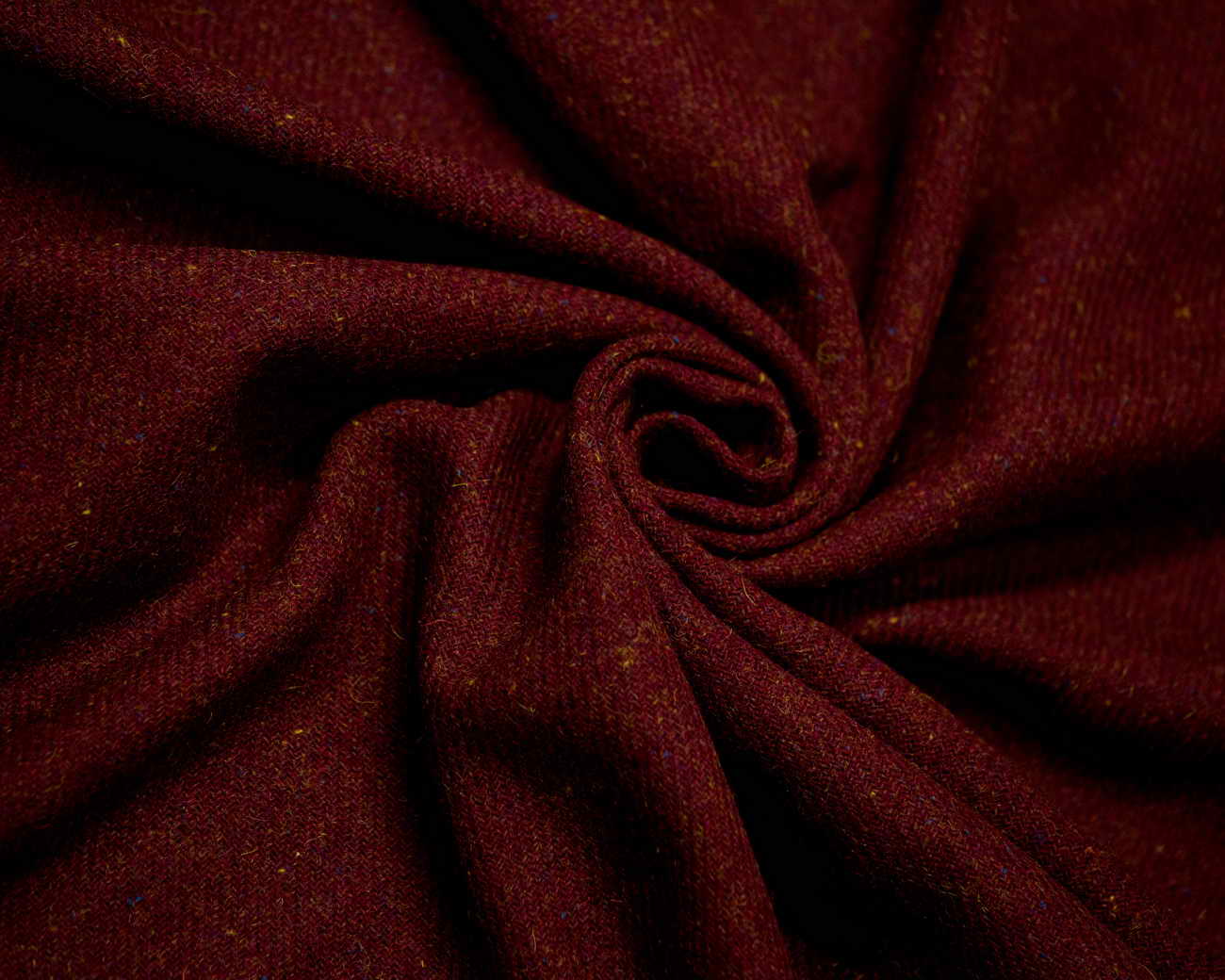
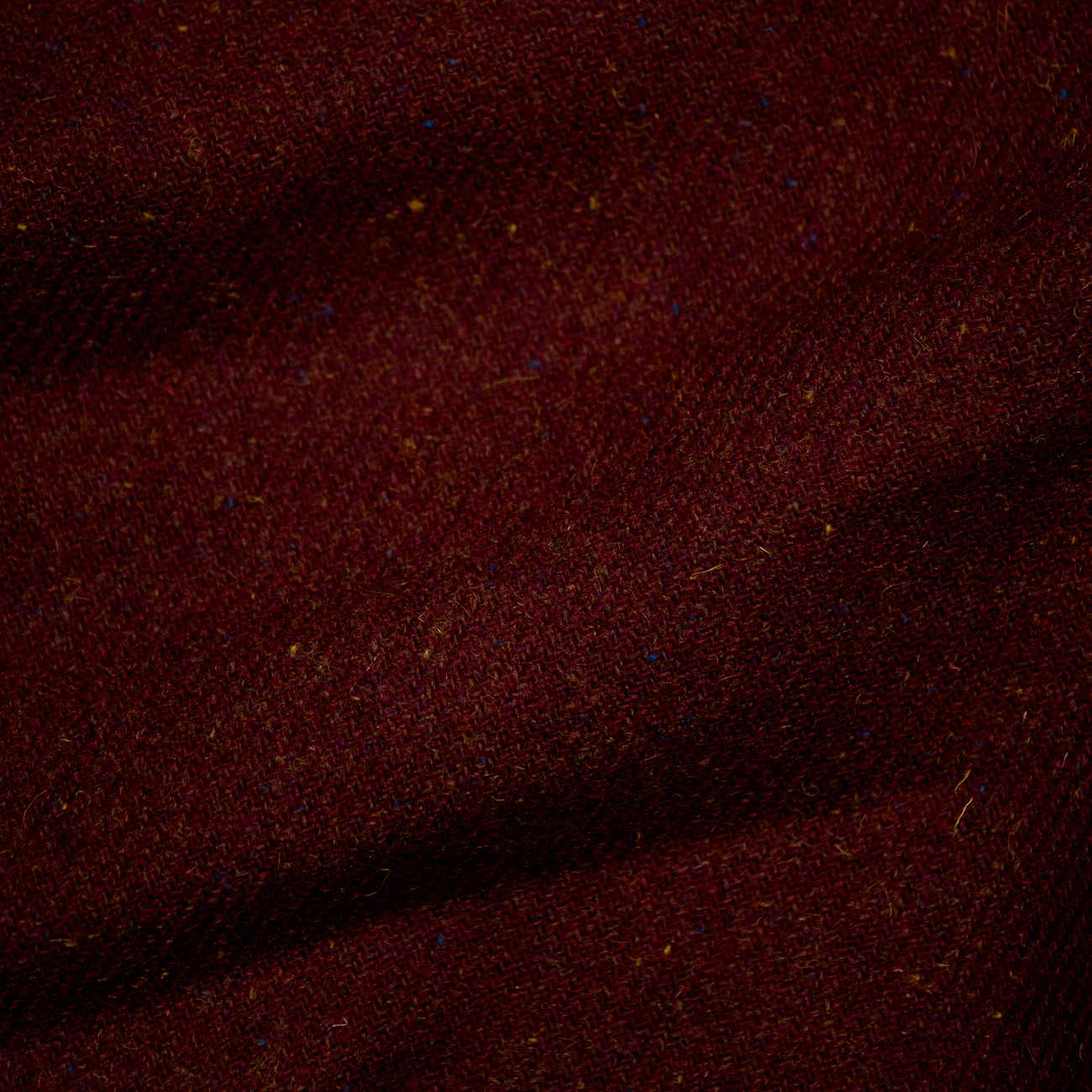
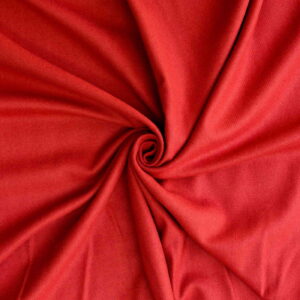
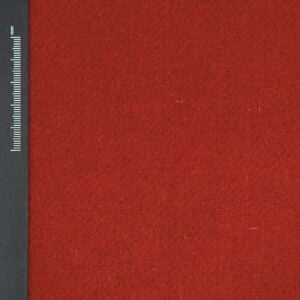
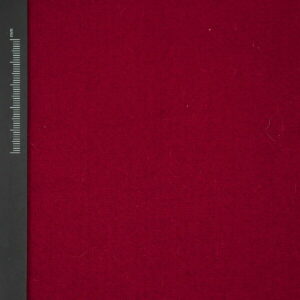
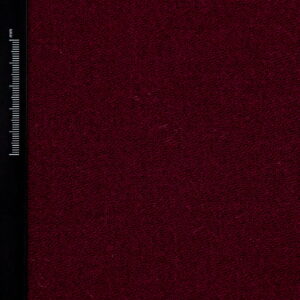
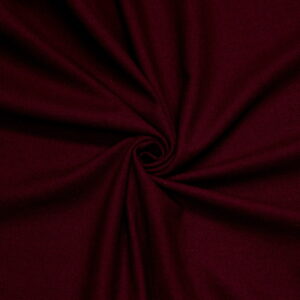
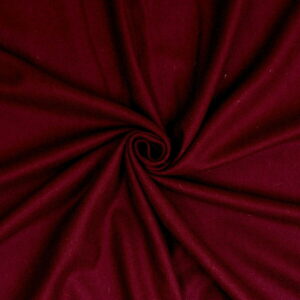
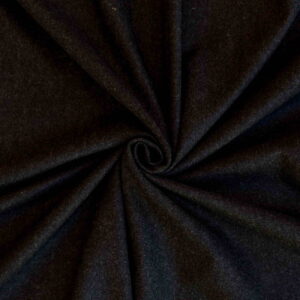
Wool Thin Lighter Twill – Dark Cherry Melange – WKTL 70/01

27,81 m

High-quality European wool – light, soft and breathable

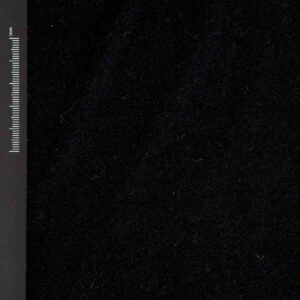
We present high-quality European wool fabric that combines the tradition of craftsmanship with modern comfort of use. It is a twill fabric with a distinct diagonal weave, which is more visible than in the WKT collection, which gives it a characteristic look and elegant structure.

The material is woven from thinner threads, so with the same weaving density as in the WKT collection, it is slightly looser and lighter, providing exceptional breathability and comfort of wearing.

Its weight is 250 g/m², which makes it an excellent choice for dresses, skirts and tunics made of wool.

Thanks to its natural elasticity and breathability, the fabric is perfect for historical reconstructions, recreating old costumes and creating stylized costumes. It is an ideal choice for people who value authentic materials and high quality wool fabrics.

100% European wool

Natural fibers

Worldwide shipping

Professional service

100% European wool

Worldwide shipping

Natural fibers

Professional service

Width +/- 2cm

59", 150 cm

Grammage Note1: OZ - stands for Ounces per Square Yard. Note2: We are showing grammage as per 1 square meter (GSM). While you may be used to gramms per linear (running) meter from other shops (GLM).

7.6oz, 260 g/m2

Thread count TPI - stands for Threads Per square Inch, so it counts warp ends and weft picks altogether. If inch is not familiar for you, we are showing also how many threads (warp/weft) are present per 1 cm

50 TPI, 10/10 threads per cm

Colour We have divided the palette into 11 basic colours. So this attribute is telling about the general, closest colour. For example BLUE : will include all different blue, navy and turquoise shades. This helps while filtering the shop searching for the fabric shade you desire.
Red

,

Brown

Weave

Twill 2/2

Out of stock

Email when stock available

OTHER FABRICS FROM THIS COLLECTION

A 2/2 twill weave is one of the most commonly used weaves, characterized by a diagonal arrangement of threads visible on the surface of the material. In this weave, each weft thread intertwines with two warp threads, which creates a fabric with a diagonal weave and a distinct diagonal pattern. Thanks to this structure, the material gains elasticity, softness and better drapability compared to fabrics with a plain weave.

Fabrics made in a twill weave were widely used in various historical eras, which is why they are suitable for historical reenactment. Their characteristic appearance makes them perfect for sewing medieval tunics, coats, dresses or other elements of historical clothing.

Today, natural wool fabric in a 2/2 twill weave is valued by both reenactors and craftsmen involved in traditional tailoring. Perfect for historical clothing, LARP costumes, and classic, elegant designs.

High-quality European wool is a natural material valued both in traditional tailoring and historical reconstruction. Obtained from European sheep, it is characterized by careful processing, thanks to which it maintains excellent utility properties - it is durable, flexible and breathable.

One of its key features is exceptional comfort of wearing. It is soft and pleasant to the touch wool, which not only provides warmth, but also perfectly adapts to the figure, draping itself in a natural and aesthetic way.

Its breathable properties make it suitable for every season - in winter it protects against the cold, and in summer it effectively wicks away moisture.

Thanks to its authenticity and excellent parameters, historical wool for tunics and dresses is irreplaceable in the reconstruction of old costumes. This type of fabric has been used for centuries to sew everyday and representative clothing, which makes it an ideal choice for historical reenactors and lovers of traditional crafts.

In addition, its lightness and airiness make the soft and airy wool for sewing dresses and tunics perfect for both delicate, flowing styles and more structured designs. It is a material that combines functionality, comfort and an authentic look, being an excellent choice for those who value quality and tradition.
The WKTL collection is a unique wool fabric for historical reenactors, perfectly reproducing old weaving techniques and the characteristic properties of materials used in the past. Thanks to its authenticity and high quality, it is an ideal choice for people involved in historical reenactors and lovers of traditional crafts.
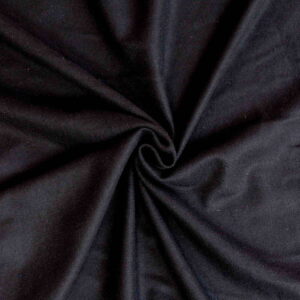
One of the key applications of this collection is sewing early medieval costumes. The fabric is perfect for reenacting tunics, dresses and other elements of clothing characteristic of the period from the early Middle Ages to later eras.

The historical wool with a diagonal weave gives the clothing an authentic look, and its natural properties ensure comfort of wearing in various weather conditions.

Thanks to its structure and weight, the WKTL collection will also work well as a material for waistcoats and jackets made of natural wool. It is an excellent choice for sewing contemporary, elegant clothing.

Whether you are creating historical costumes or looking for an authentic fabric for classic, durable clothing, the natural wool fabric from the WKTL collection will meet your expectations. It is a material that combines aesthetics, functionality and historical design, allowing for both traditional and more stylized projects.

Grammage is a measure indicating the mass per unit area of a material, denoted in grams per square meter (g/m²).

For instance, if a fabric has a weight of 150 g/m², it signifies that one square meter of the fabric weighs 150 grams.

This measure holds significance as it enables the assessment of fabric density and weight. Generally, a higher fabric weight corresponds to greater density, thickness and heaviness.
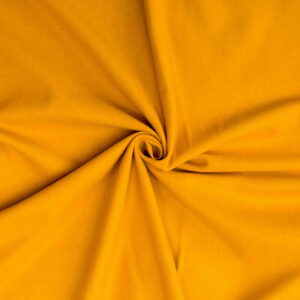
It's crucial to note that diverse fabrics may have varying optimal weights based on their intended use. Fabrics with higher weights often boast increased durability, albeit with potential drawbacks of greater density and reduced breathability. Conversely, fabrics with lower weights tend to be lighter and more breathable but may sacrifice durability.

Color Disclaimer

Buying fabrics online is always a challenge, we know you can’t see them in person before making a decision. And yet, choosing the right color is crucial for the overall look of your garment and its details.

That’s why at Woolsome we do our best to represent our fabrics as accurately as possible. We use a professional photography studio and a dedicated color control system to ensure that our photos reflect reality as closely as possible.

However, please keep in mind that colors may vary slightly depending on your screen. The way they appear can be affected by:

  • your monitor or phone settings,
  • lighting conditions (natural or artificial),
  • the angle at which you view the screen.

Shades of red are particularly difficult to reproduce accurately on digital displays.
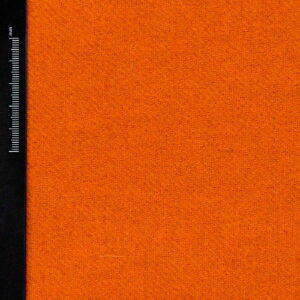
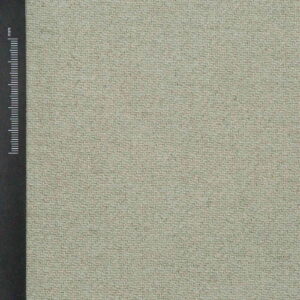
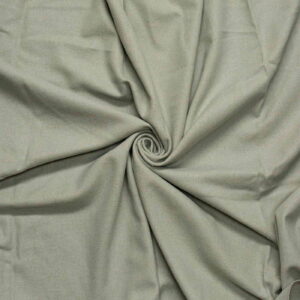
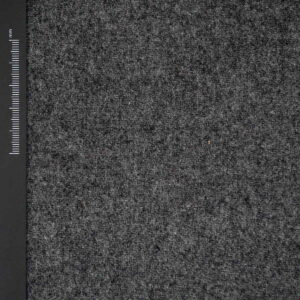
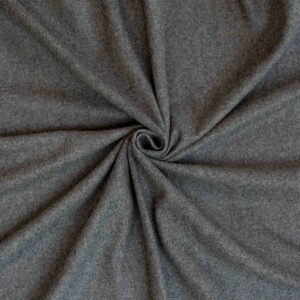
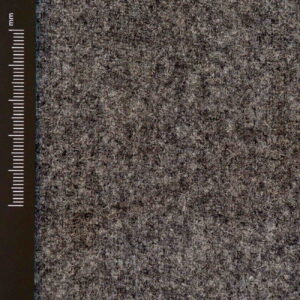
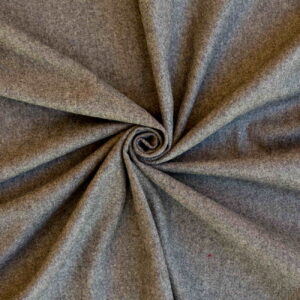
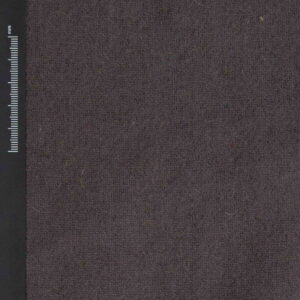
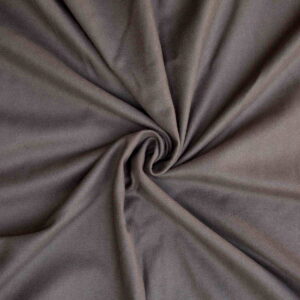
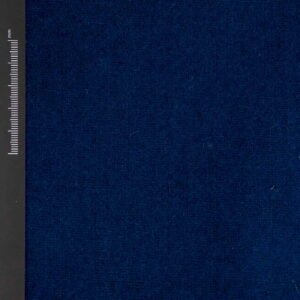
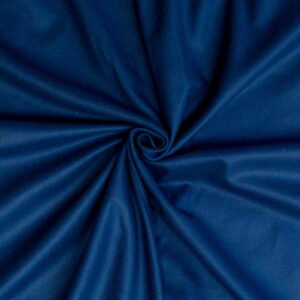
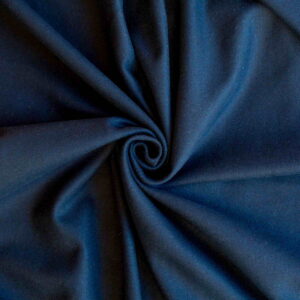
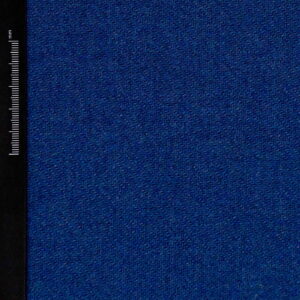
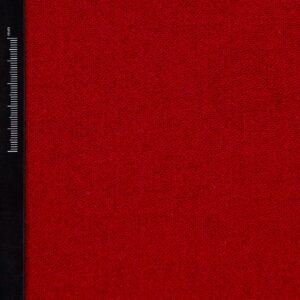
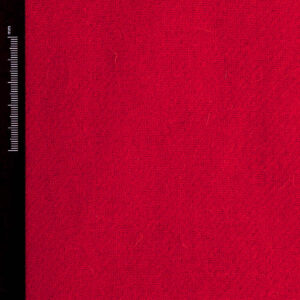
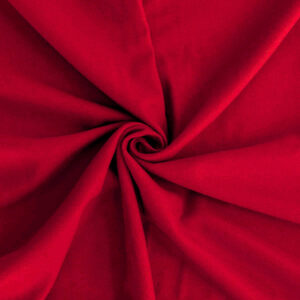
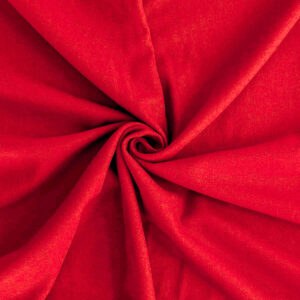
You may also notice that the main photo (a close-up of the fabric) appears slightly darker than images taken from a greater distance. This is a natural effect: both cameras and the human eye perceive color differently depending on light and perspective.
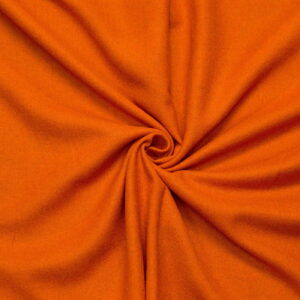
Please also note that many of our historical fabrics are woven using threads in two different colors (warp and weft). Up close, their structure is clearly visible, while from a distance the colors visually blend, creating a slightly different overall impression.

We want you to feel confident in your choice.

That’s why you can always order a sample before committing to a larger purchase. We also offer complete sample sets for each of our fabric collections.

Warning

Our fabrics are made from 100% natural wool. As a result, washing at too high a temperature may cause shrinkage or felting. We recommend carefully following the washing instructions and washing wool in max temperature 30°C to preserve their natural structure and quality.

Decatize before sewing (shrinkage of WKT - up to 8%, WKP - up to 10%)

Handwash

Handwash

Wash on a wool cycle

Wash on a wool cycle

Do not tumble dry

Do not tumble dry

Dry flat

Dry flat

Low heat iron

Low heat iron

Do not bleach

Do not bleach

Description

A 2/2 twill weave is one of the most commonly used weaves, characterized by a diagonal arrangement of threads visible on the surface of the material. In this weave, each weft thread intertwines with two warp threads, which creates a fabric with a diagonal weave and a distinct diagonal pattern. Thanks to this structure, the material gains elasticity, softness and better drapability compared to fabrics with a plain weave.

Fabrics made in a twill weave were widely used in various historical eras, which is why they are suitable for historical reenactment. Their characteristic appearance makes them perfect for sewing medieval tunics, coats, dresses or other elements of historical clothing.

Today, natural wool fabric in a 2/2 twill weave is valued by both reenactors and craftsmen involved in traditional tailoring. Perfect for historical clothing, LARP costumes, and classic, elegant designs.

High-quality European wool is a natural material valued both in traditional tailoring and historical reconstruction. Obtained from European sheep, it is characterized by careful processing, thanks to which it maintains excellent utility properties - it is durable, flexible and breathable.

One of its key features is exceptional comfort of wearing. It is soft and pleasant to the touch wool, which not only provides warmth, but also perfectly adapts to the figure, draping itself in a natural and aesthetic way.

Its breathable properties make it suitable for every season - in winter it protects against the cold, and in summer it effectively wicks away moisture.

Thanks to its authenticity and excellent parameters, historical wool for tunics and dresses is irreplaceable in the reconstruction of old costumes. This type of fabric has been used for centuries to sew everyday and representative clothing, which makes it an ideal choice for historical reenactors and lovers of traditional crafts.

In addition, its lightness and airiness make the soft and airy wool for sewing dresses and tunics perfect for both delicate, flowing styles and more structured designs. It is a material that combines functionality, comfort and an authentic look, being an excellent choice for those who value quality and tradition.

The WKTL collection is a unique wool fabric for historical reenactors, perfectly reproducing old weaving techniques and the characteristic properties of materials used in the past. Thanks to its authenticity and high quality, it is an ideal choice for people involved in historical reenactors and lovers of traditional crafts.

One of the key applications of this collection is sewing early medieval costumes. The fabric is perfect for reenacting tunics, dresses and other elements of clothing characteristic of the period from the early Middle Ages to later eras.

The historical wool with a diagonal weave gives the clothing an authentic look, and its natural properties ensure comfort of wearing in various weather conditions.

Thanks to its structure and weight, the WKTL collection will also work well as a material for waistcoats and jackets made of natural wool. It is an excellent choice for sewing contemporary, elegant clothing.

Whether you are creating historical costumes or looking for an authentic fabric for classic, durable clothing, the natural wool fabric from the WKTL collection will meet your expectations. It is a material that combines aesthetics, functionality and historical design, allowing for both traditional and more stylized projects.

Grammage is a measure indicating the mass per unit area of a material, denoted in grams per square meter (g/m²).

For instance, if a fabric has a weight of 150 g/m², it signifies that one square meter of the fabric weighs 150 grams.

This measure holds significance as it enables the assessment of fabric density and weight. Generally, a higher fabric weight corresponds to greater density, thickness and heaviness.

It's crucial to note that diverse fabrics may have varying optimal weights based on their intended use. Fabrics with higher weights often boast increased durability, albeit with potential drawbacks of greater density and reduced breathability. Conversely, fabrics with lower weights tend to be lighter and more breathable but may sacrifice durability.

Colours in WoolSome

Color Disclaimer

Buying fabrics online is always a challenge, we know you can’t see them in person before making a decision. And yet, choosing the right color is crucial for the overall look of your garment and its details.

That’s why at Woolsome we do our best to represent our fabrics as accurately as possible. We use a professional photography studio and a dedicated color control system to ensure that our photos reflect reality as closely as possible.

However, please keep in mind that colors may vary slightly depending on your screen. The way they appear can be affected by:

  • your monitor or phone settings,
  • lighting conditions (natural or artificial),
  • the angle at which you view the screen.

Shades of red are particularly difficult to reproduce accurately on digital displays.

You may also notice that the main photo (a close-up of the fabric) appears slightly darker than images taken from a greater distance. This is a natural effect: both cameras and the human eye perceive color differently depending on light and perspective.

Please also note that many of our historical fabrics are woven using threads in two different colors (warp and weft). Up close, their structure is clearly visible, while from a distance the colors visually blend, creating a slightly different overall impression.

We want you to feel confident in your choice.

That’s why you can always order a sample before committing to a larger purchase. We also offer complete sample sets for each of our fabric collections.

Washing advice

Warning

Our fabrics are made from 100% natural wool. As a result, washing at too high a temperature may cause shrinkage or felting. We recommend carefully following the washing instructions and washing wool in max temperature 30°C to preserve their natural structure and quality.

Decatize before sewing (shrinkage of WKT - up to 8%, WKP - up to 10%)

Handwash

Handwash

Wash on a wool cycle

Wash on a wool cycle

Do not tumble dry

Do not tumble dry

Dry flat

Dry flat

Low heat iron

Low heat iron

Do not bleach

Do not bleach