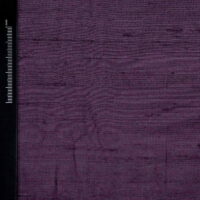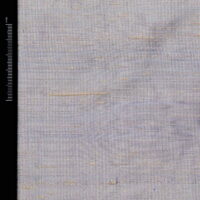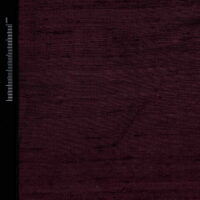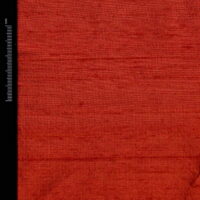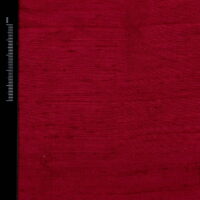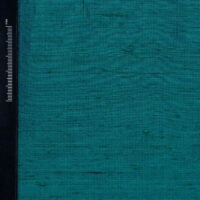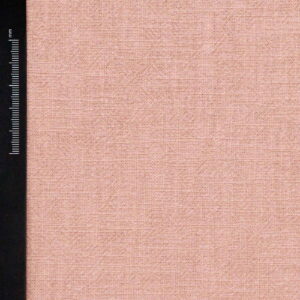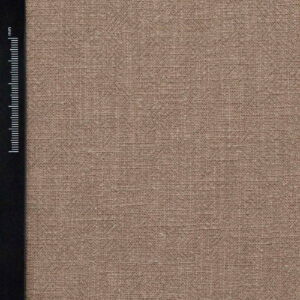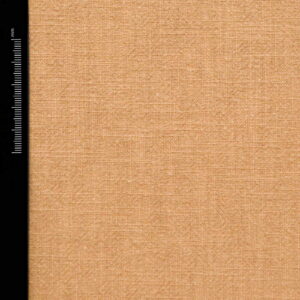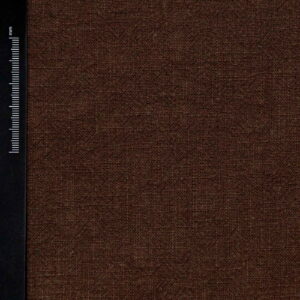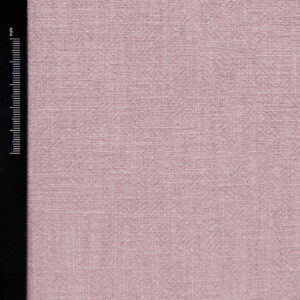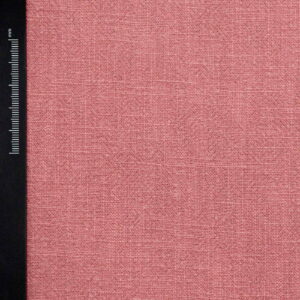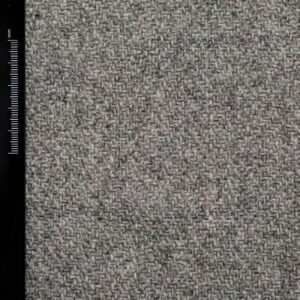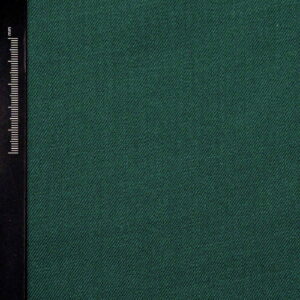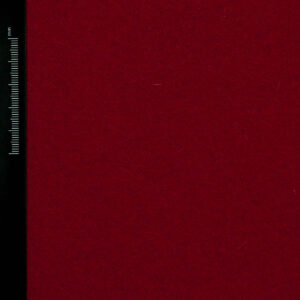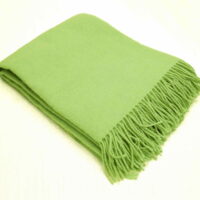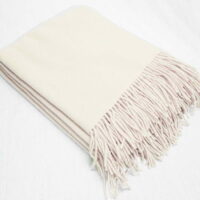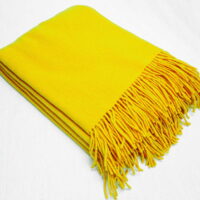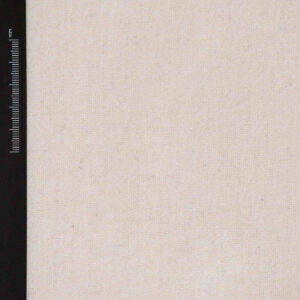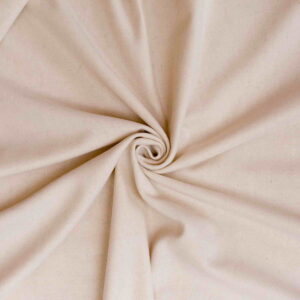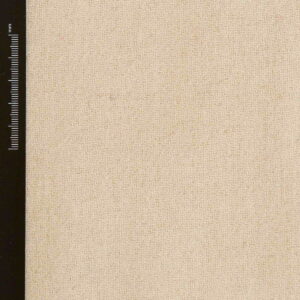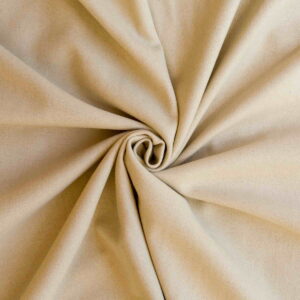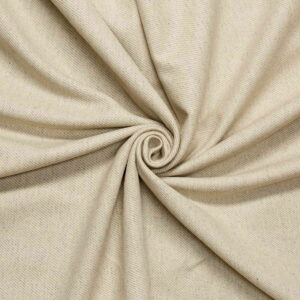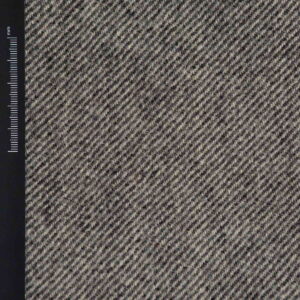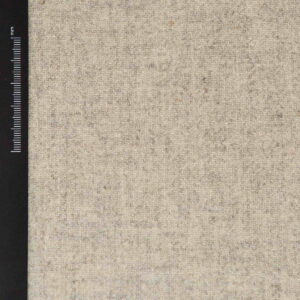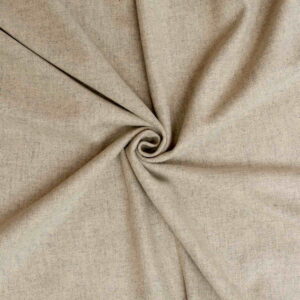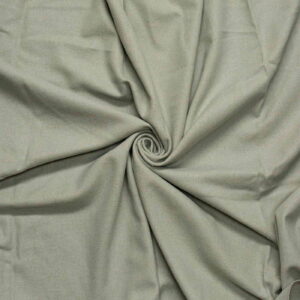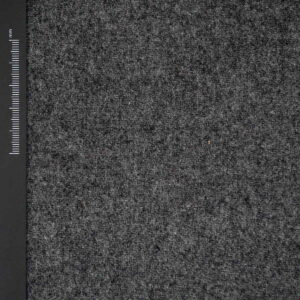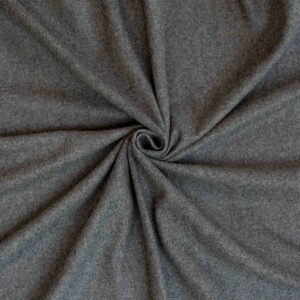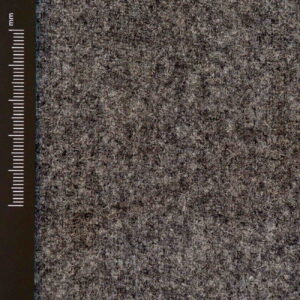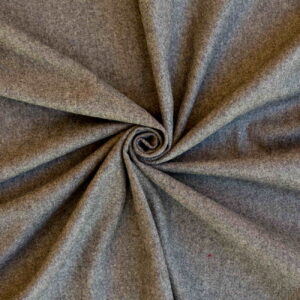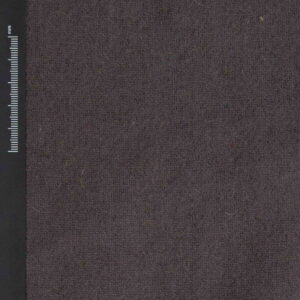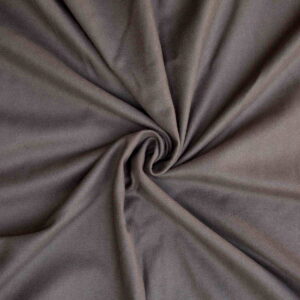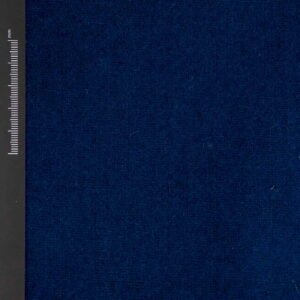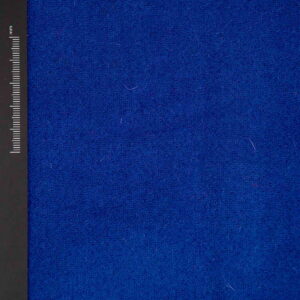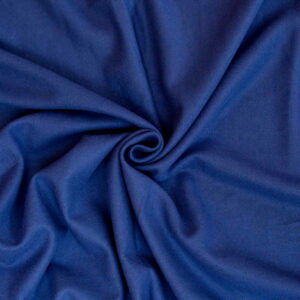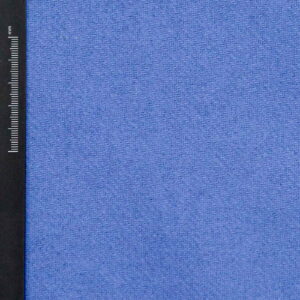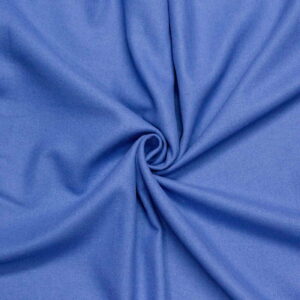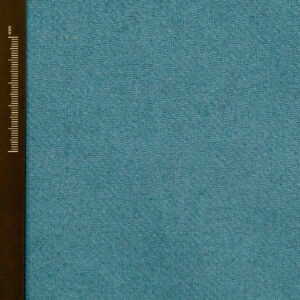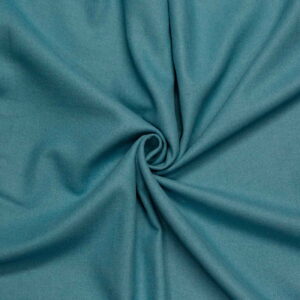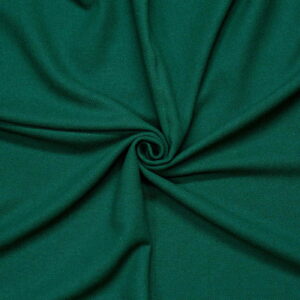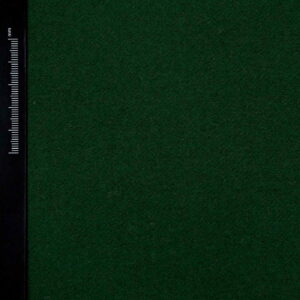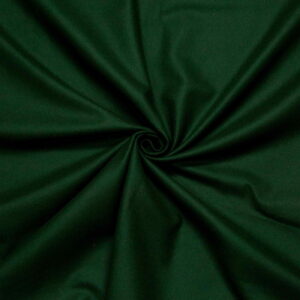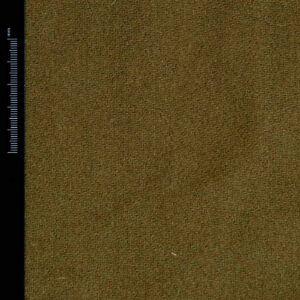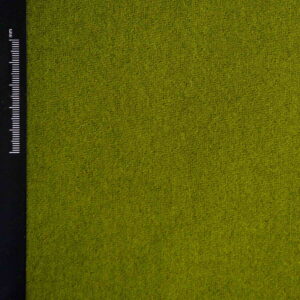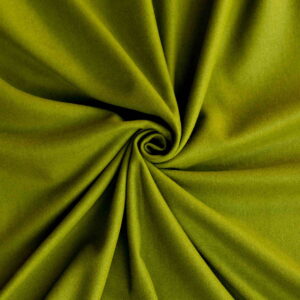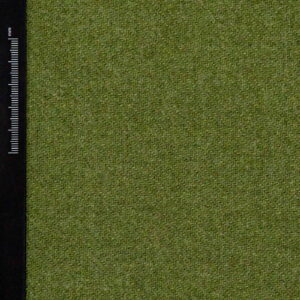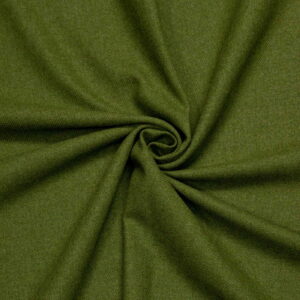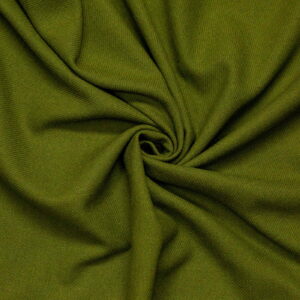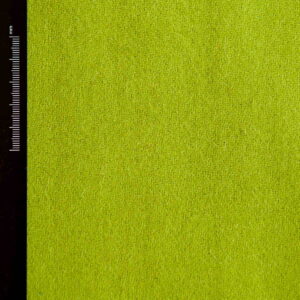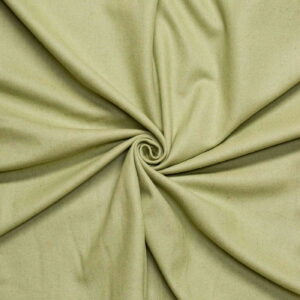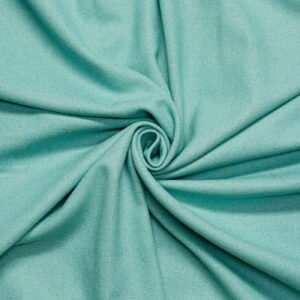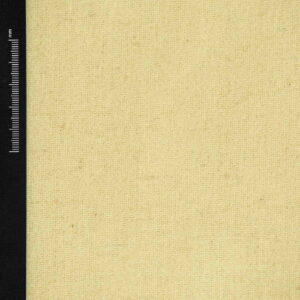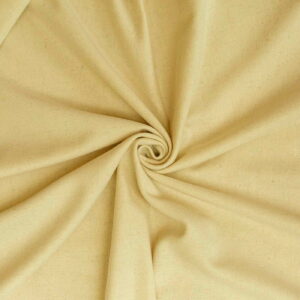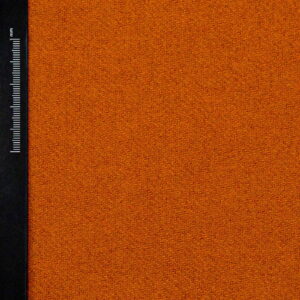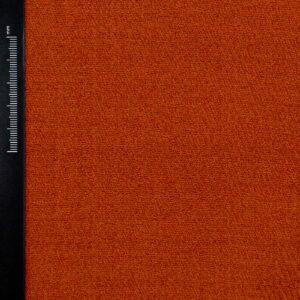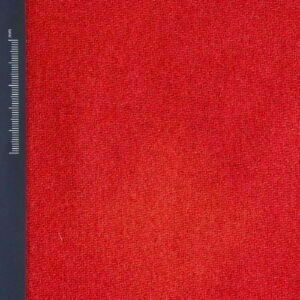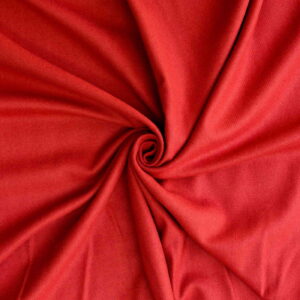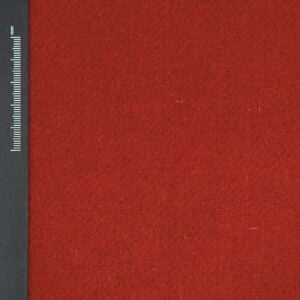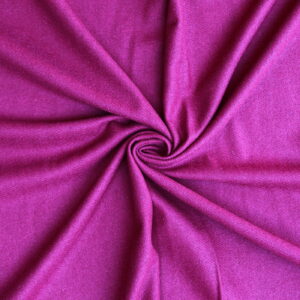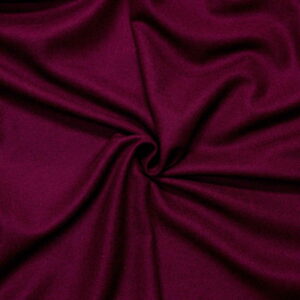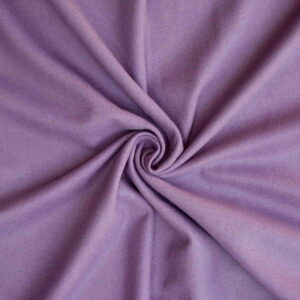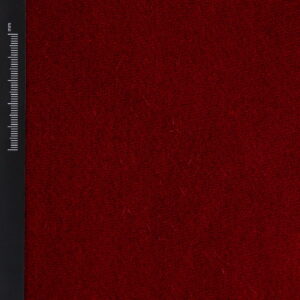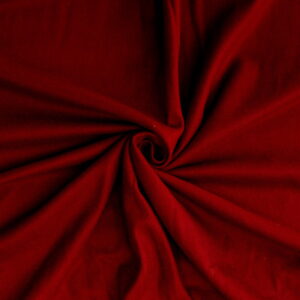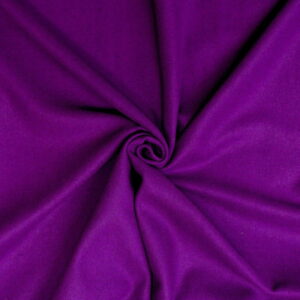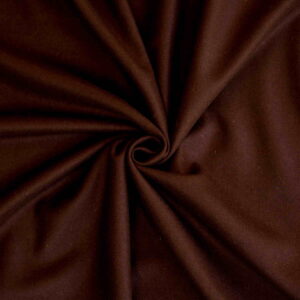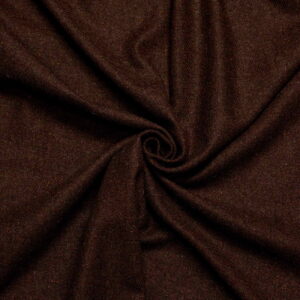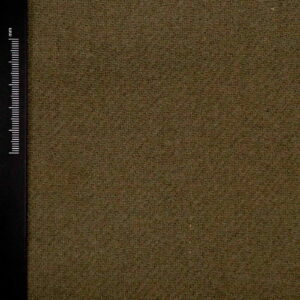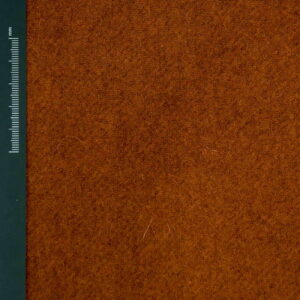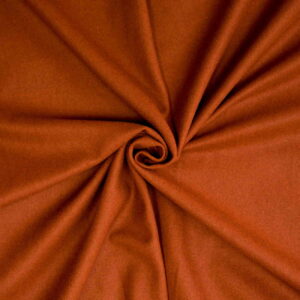

OTHER FABRICS FROM THIS COLLECTION

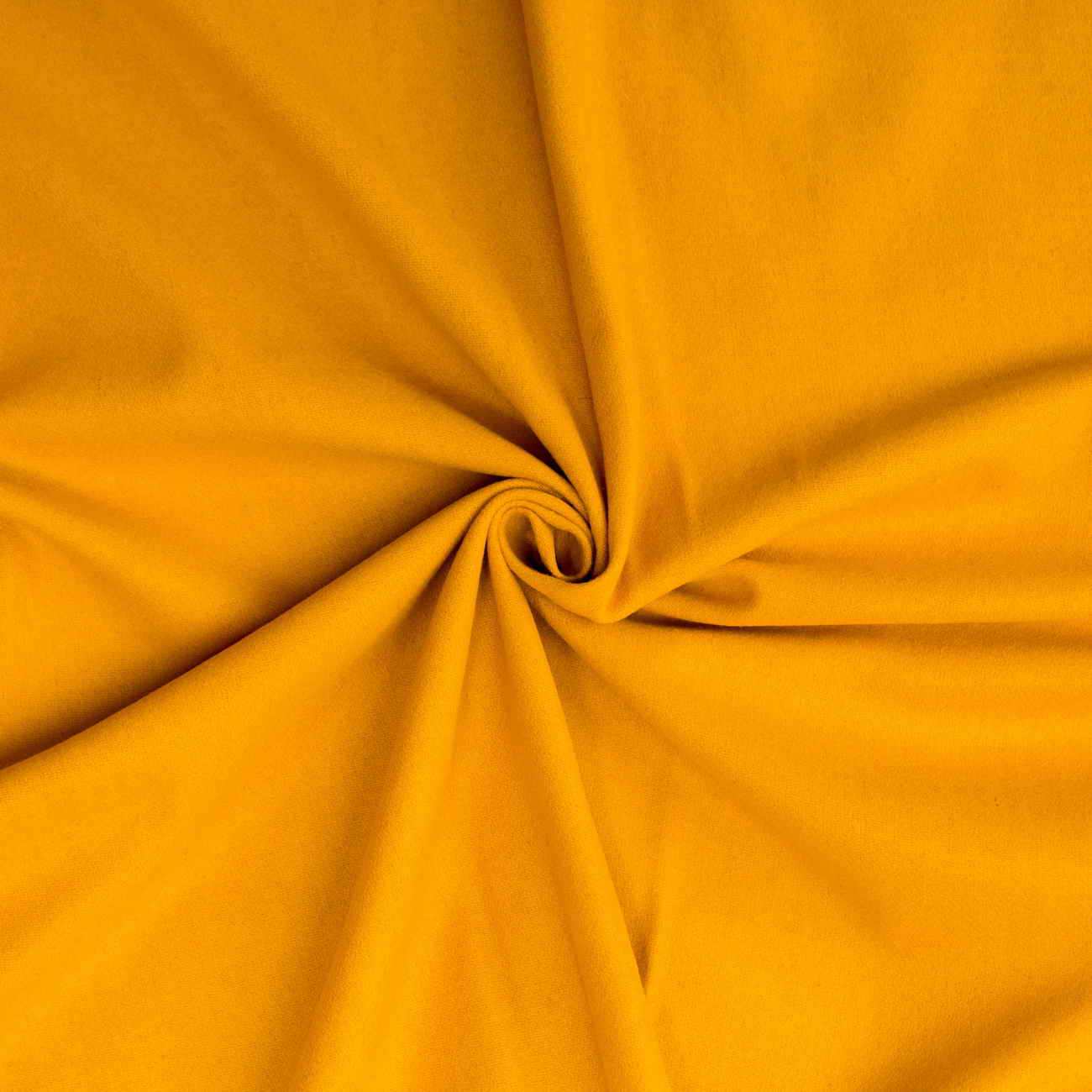
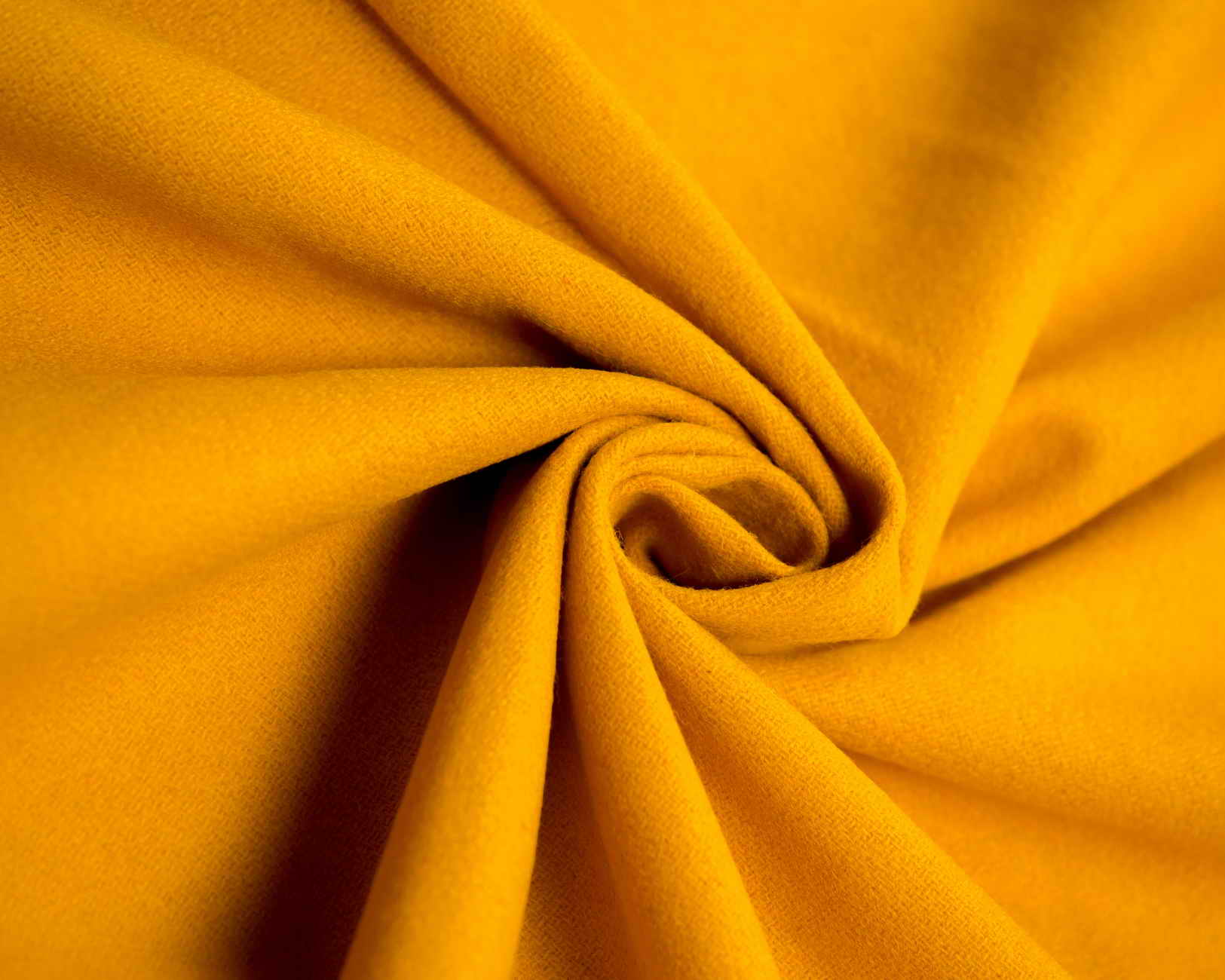
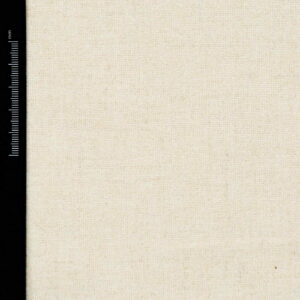
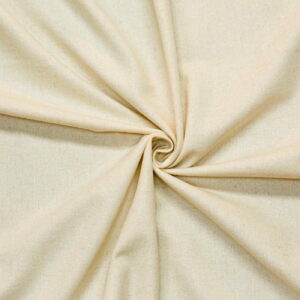
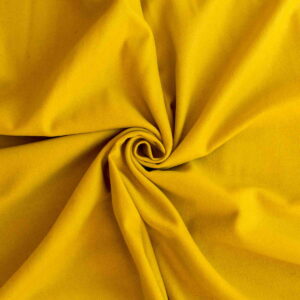
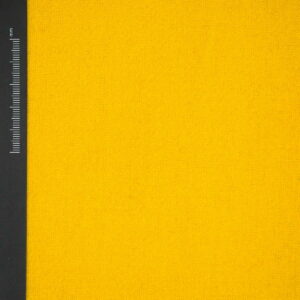
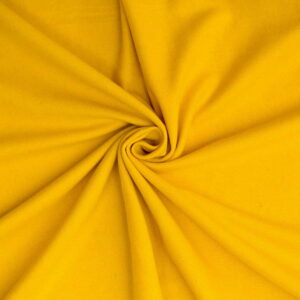
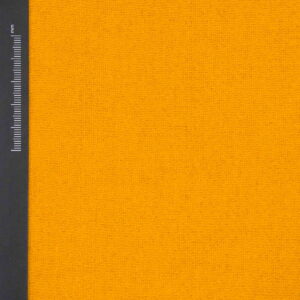
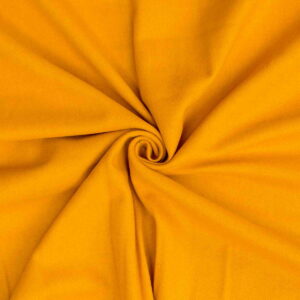
Wool Thin Broken Twill – Honey Yellow – WKTB 42/03

27,81 m

Introducing a remarkable 100% merino wool fabric that exudes a sense of lightness, softness, and delicacy.
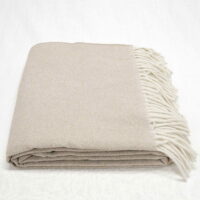
This fabric is accompanied by an intriguing weave.

Although it may initially appear as a traditional plain weave, a discerning observer will quickly identify its distinctive irregular 2/2 twill pattern.

Consequently, it earns the apt title of "broken twill". The wool has a low grammage, is flowing, thin and delicate. It works well in various applications, such as historical reconstructions, including trousers, tunics, and hoods, as well as contemporary garments like dresses or lightweight sweaters.
100% merino

Natural fibers
Worldwide shipping

Professional service

100% merino

Worldwide shipping

Natural fibers

Professional service

Width +/- 2cm

55", 140 cm

Grammage Note1: OZ - stands for Ounces per Square Yard. Note2: We are showing grammage as per 1 square meter (GSM). While you may be used to gramms per linear (running) meter from other shops (GLM).
7.6oz, 260 g/m2

Thread count TPI - stands for Threads Per square Inch, so it counts warp ends and weft picks altogether. If inch is not familiar for you, we are showing also how many threads (warp/weft) are present per 1 cm

50 TPI, 10/10 threads per cm

Colour We have divided the palette into 11 basic colours. So this attribute is telling about the general, closest colour. For example BLUE : will include all different blue, navy and turquoise shades. This helps while filtering the shop searching for the fabric shade you desire.

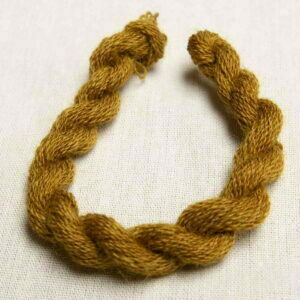
Yellow

Weave

Broken Twill 2/2

Out of stock

Email when stock available

OTHER FABRICS FROM THIS COLLECTION

Twill weaves are characterized by a typical visible pattern that forms diagonal stripes. In the case of the 2/2 twill weave, we obtain diagonal stripes of very fine herringbone (achieved by passing two weft threads over two warp threads with a shift of 1 in each row).

So, what is the irregular 2/2 found in the WKTB collection? Technically, it is still a 2/2 twill weave, but with an irregular shift. This results in an irregular weave that looks somewhat like a rib weave or plain weave, but it is not. This weave, clearly visible in WKTB fabrics, gives them a unique appearance!

Merino wool, due to its composition – the preparation of long and soft fleece from Merino sheep – possesses a range of natural benefits. Among them, you can mention:

  1. Softness and Comfort: Merino wool is incredibly gentle and soft, making wearing clothing from this wool very comfortable for the skin.
  2. Excellent Thermoregulation: It effectively regulates body temperature, providing warmth on cold days and coolness on warm ones.
  3. Breathability: Good ventilation, making it ideal for prolonged wear.
  4. Durability: Merino wool is durable and elastic, ensuring that garments made from it are long-lasting.

WKTB fabric, thanks to its properties and being 100% merino wool, is suitable wherever warmth, softness, and a pleasant touch are desired. The weight of WKTB allows for the creation of:

  1. Sweaters and cardigans: It is an excellent material for sweaters and cardigans, providing warmth and softness.
  2. Thermal underwear: Due to its thermoregulation capabilities, merino wool is ideal for thermal underwear.
  3. Blankets and pillows: WKTB wool is perfect for producing warm and cozy blankets and pillows.
  4. Dresses and blouses: It can be used to create fashionable dresses and blouses, combining style with comfort.
  5. Gloves and scarves: Thanks to its delicacy, WKTB wool is an excellent material for gloves and scarves, providing warmth without a feeling of overheating.
  6. Baby blankets and clothing: WKTB is relatively gentle, making it suitable for producing baby blankets and clothing, ensuring pleasant comfort.

As evident, WKTB is versatile and suitable for both historical reenactment projects and the sewing of contemporary clothing or home accessories.

Grammage  is a measure of mass per unit area of material and is expressed in grams per square meter (g/m²).

For example, if the fabric weight is 150 g/m², it means that one square meter of the fabric weighs 150 grams.

This is a significant parameter that allows for the evaluation of fabric density and weight. The higher the fabric weight, the denser and heavier the fabric.

When assessing fabric weight, it's important to remember that different types of fabrics may have different optimal weights depending on their intended use. Fabrics with higher weights may be more durable but can also be denser and less breathable. On the other hand, fabrics with lower weights may be lighter and more breathable but may also be less durable.

Color Disclaimer

Buying fabrics online is always a challenge, we know you can’t see them in person before making a decision. And yet, choosing the right color is crucial for the overall look of your garment and its details.

That’s why at Woolsome we do our best to represent our fabrics as accurately as possible. We use a professional photography studio and a dedicated color control system to ensure that our photos reflect reality as closely as possible.

However, please keep in mind that colors may vary slightly depending on your screen. The way they appear can be affected by:

  • your monitor or phone settings,
  • lighting conditions (natural or artificial),
  • the angle at which you view the screen.

Shades of red are particularly difficult to reproduce accurately on digital displays.

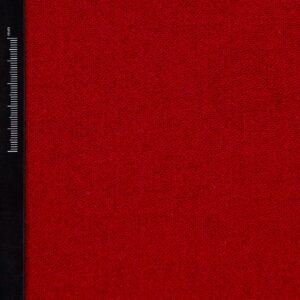
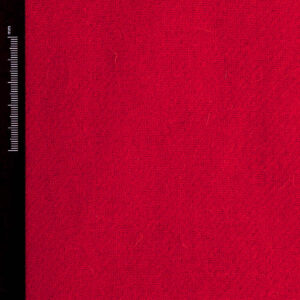
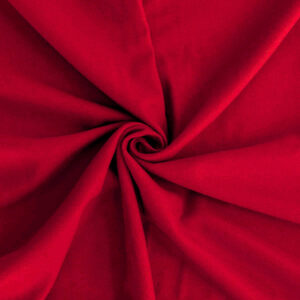
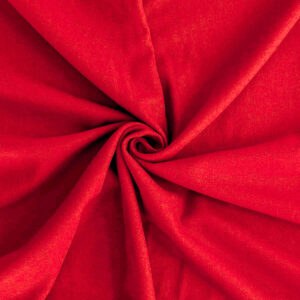
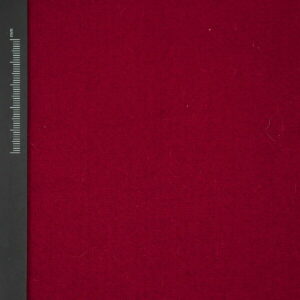
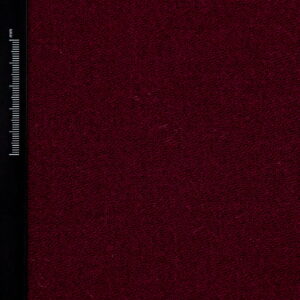
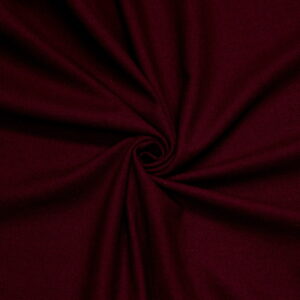
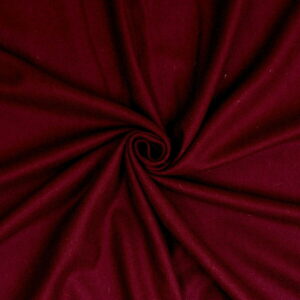
You may also notice that the main photo (a close-up of the fabric) appears slightly darker than images taken from a greater distance. This is a natural effect: both cameras and the human eye perceive color differently depending on light and perspective.

Please also note that many of our historical fabrics are woven using threads in two different colors (warp and weft). Up close, their structure is clearly visible, while from a distance the colors visually blend, creating a slightly different overall impression.

We want you to feel confident in your choice.

That’s why you can always order a sample before committing to a larger purchase. We also offer complete sample sets for each of our fabric collections.

Warning

Our fabrics are made from 100% natural wool. As a result, washing at too high a temperature may cause shrinkage or felting. We recommend carefully following the washing instructions and washing wool in max temperature 30°C to preserve their natural structure and quality.

Decatize before sewing (shrinkage of WKT - up to 8%, WKP - up to 10%)

Handwash

Handwash

Wash on a wool cycle

Wash on a wool cycle

Do not tumble dry

Do not tumble dry

Dry flat

Dry flat

Low heat iron

Low heat iron

Do not bleach

Do not bleach

Description

Twill weaves are characterized by a typical visible pattern that forms diagonal stripes. In the case of the 2/2 twill weave, we obtain diagonal stripes of very fine herringbone (achieved by passing two weft threads over two warp threads with a shift of 1 in each row).

So, what is the irregular 2/2 found in the WKTB collection? Technically, it is still a 2/2 twill weave, but with an irregular shift. This results in an irregular weave that looks somewhat like a rib weave or plain weave, but it is not. This weave, clearly visible in WKTB fabrics, gives them a unique appearance!

Merino wool, due to its composition – the preparation of long and soft fleece from Merino sheep – possesses a range of natural benefits. Among them, you can mention:

  1. Softness and Comfort: Merino wool is incredibly gentle and soft, making wearing clothing from this wool very comfortable for the skin.
  2. Excellent Thermoregulation: It effectively regulates body temperature, providing warmth on cold days and coolness on warm ones.
  3. Breathability: Good ventilation, making it ideal for prolonged wear.
  4. Durability: Merino wool is durable and elastic, ensuring that garments made from it are long-lasting.

WKTB fabric, thanks to its properties and being 100% merino wool, is suitable wherever warmth, softness, and a pleasant touch are desired. The weight of WKTB allows for the creation of:

  1. Sweaters and cardigans: It is an excellent material for sweaters and cardigans, providing warmth and softness.
  2. Thermal underwear: Due to its thermoregulation capabilities, merino wool is ideal for thermal underwear.
  3. Blankets and pillows: WKTB wool is perfect for producing warm and cozy blankets and pillows.
  4. Dresses and blouses: It can be used to create fashionable dresses and blouses, combining style with comfort.
  5. Gloves and scarves: Thanks to its delicacy, WKTB wool is an excellent material for gloves and scarves, providing warmth without a feeling of overheating.
  6. Baby blankets and clothing: WKTB is relatively gentle, making it suitable for producing baby blankets and clothing, ensuring pleasant comfort.

As evident, WKTB is versatile and suitable for both historical reenactment projects and the sewing of contemporary clothing or home accessories.

Grammage  is a measure of mass per unit area of material and is expressed in grams per square meter (g/m²).

For example, if the fabric weight is 150 g/m², it means that one square meter of the fabric weighs 150 grams.

This is a significant parameter that allows for the evaluation of fabric density and weight. The higher the fabric weight, the denser and heavier the fabric.

When assessing fabric weight, it's important to remember that different types of fabrics may have different optimal weights depending on their intended use. Fabrics with higher weights may be more durable but can also be denser and less breathable. On the other hand, fabrics with lower weights may be lighter and more breathable but may also be less durable.

Colours in WoolSome

Color Disclaimer

Buying fabrics online is always a challenge, we know you can’t see them in person before making a decision. And yet, choosing the right color is crucial for the overall look of your garment and its details.

That’s why at Woolsome we do our best to represent our fabrics as accurately as possible. We use a professional photography studio and a dedicated color control system to ensure that our photos reflect reality as closely as possible.

However, please keep in mind that colors may vary slightly depending on your screen. The way they appear can be affected by:

  • your monitor or phone settings,
  • lighting conditions (natural or artificial),
  • the angle at which you view the screen.

Shades of red are particularly difficult to reproduce accurately on digital displays.

You may also notice that the main photo (a close-up of the fabric) appears slightly darker than images taken from a greater distance. This is a natural effect: both cameras and the human eye perceive color differently depending on light and perspective.

Please also note that many of our historical fabrics are woven using threads in two different colors (warp and weft). Up close, their structure is clearly visible, while from a distance the colors visually blend, creating a slightly different overall impression.

We want you to feel confident in your choice.

That’s why you can always order a sample before committing to a larger purchase. We also offer complete sample sets for each of our fabric collections.

Washing advice

Warning

Our fabrics are made from 100% natural wool. As a result, washing at too high a temperature may cause shrinkage or felting. We recommend carefully following the washing instructions and washing wool in max temperature 30°C to preserve their natural structure and quality.

Decatize before sewing (shrinkage of WKT - up to 8%, WKP - up to 10%)

Handwash

Handwash

Wash on a wool cycle

Wash on a wool cycle

Do not tumble dry

Do not tumble dry

Dry flat

Dry flat

Low heat iron

Low heat iron

Do not bleach

Do not bleach