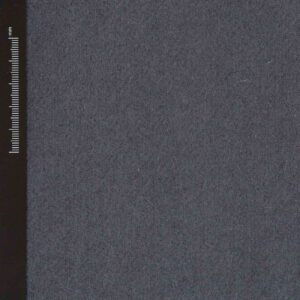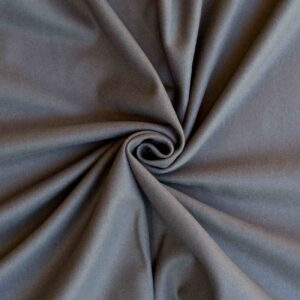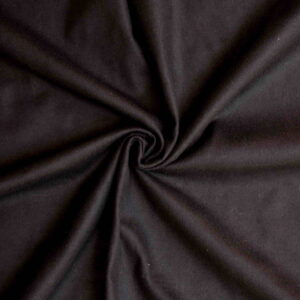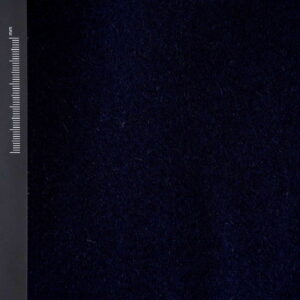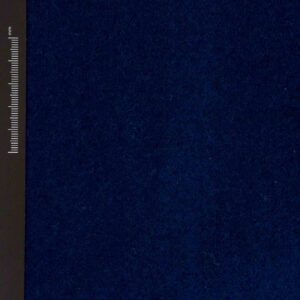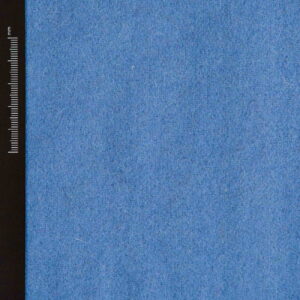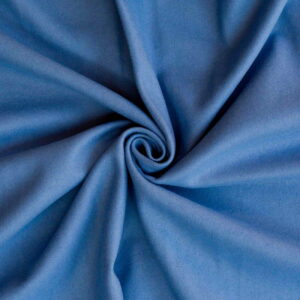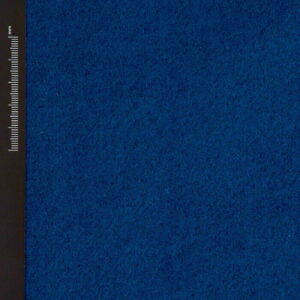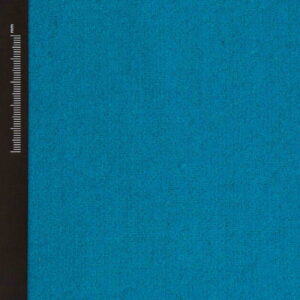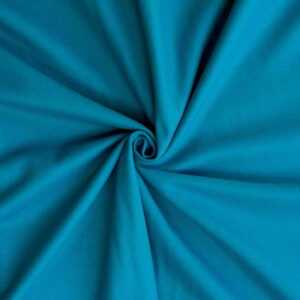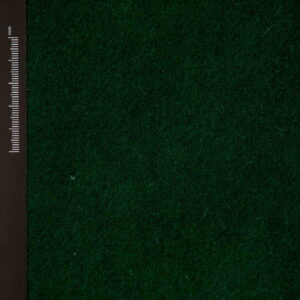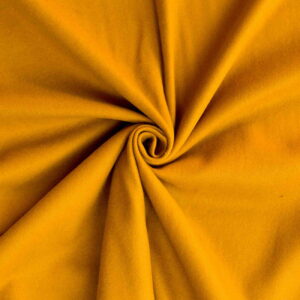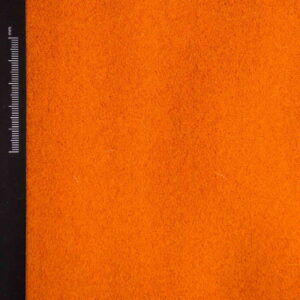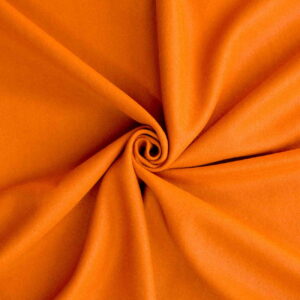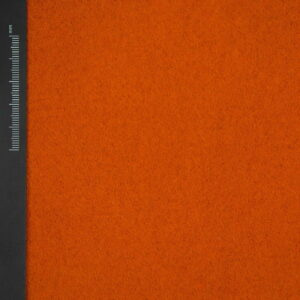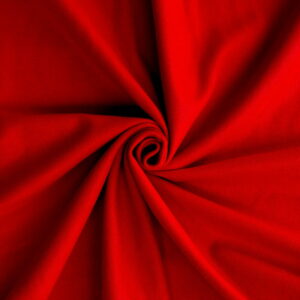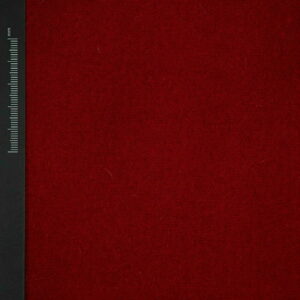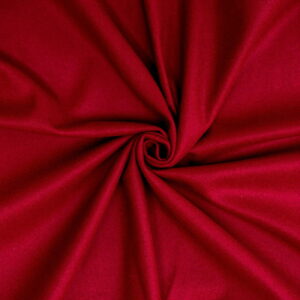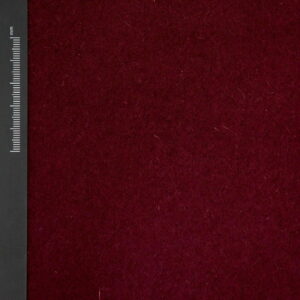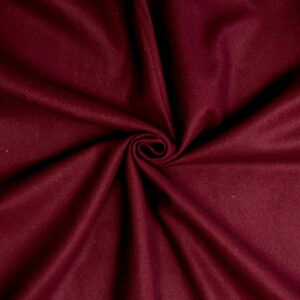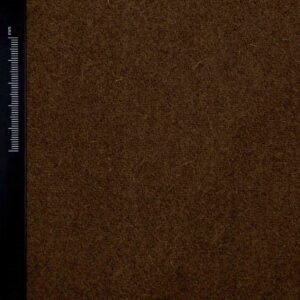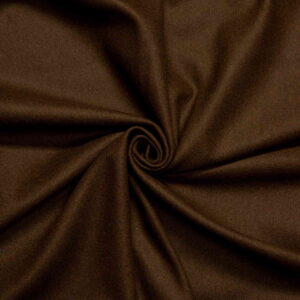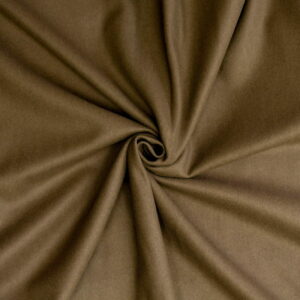

OTHER FABRICS FROM THIS COLLECTION

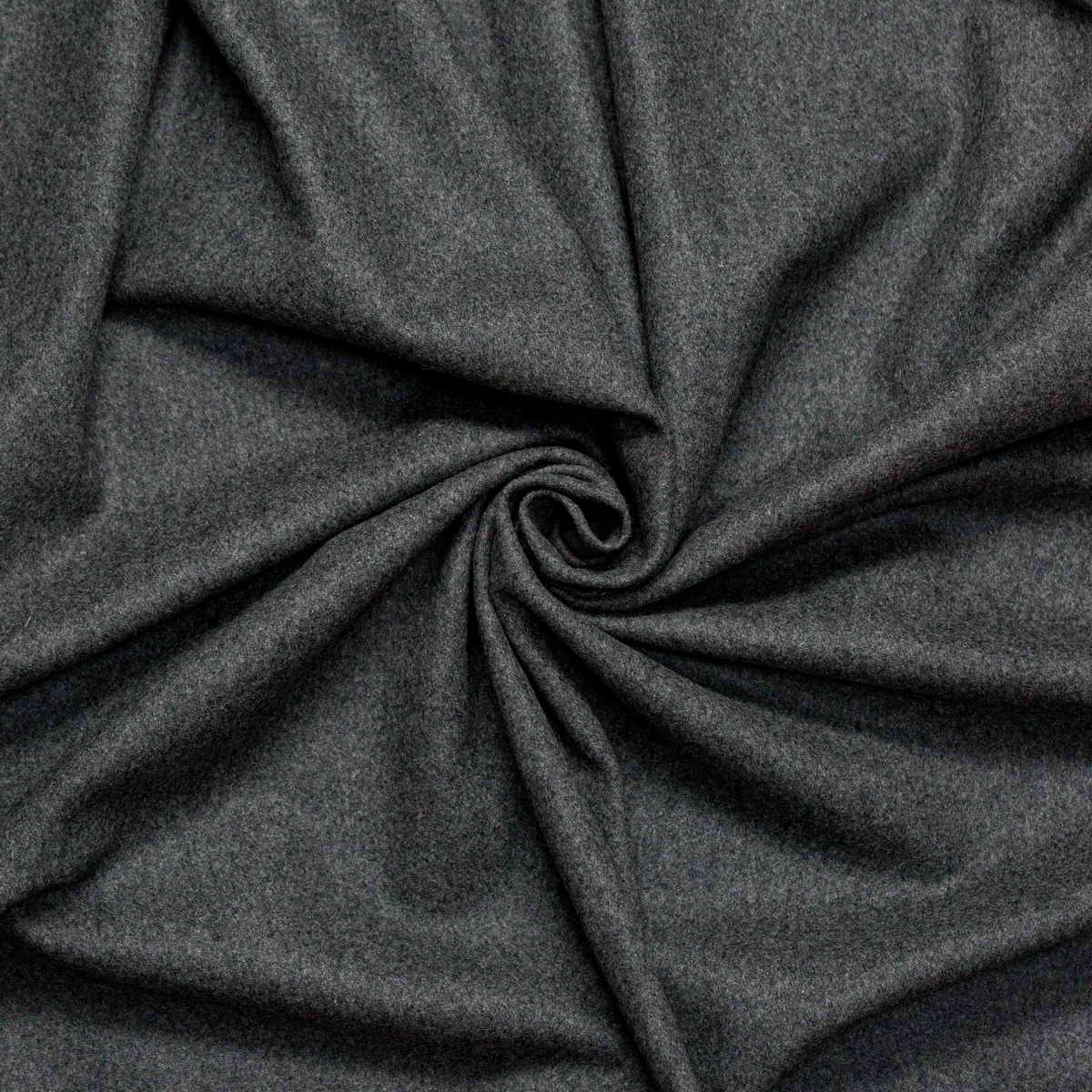
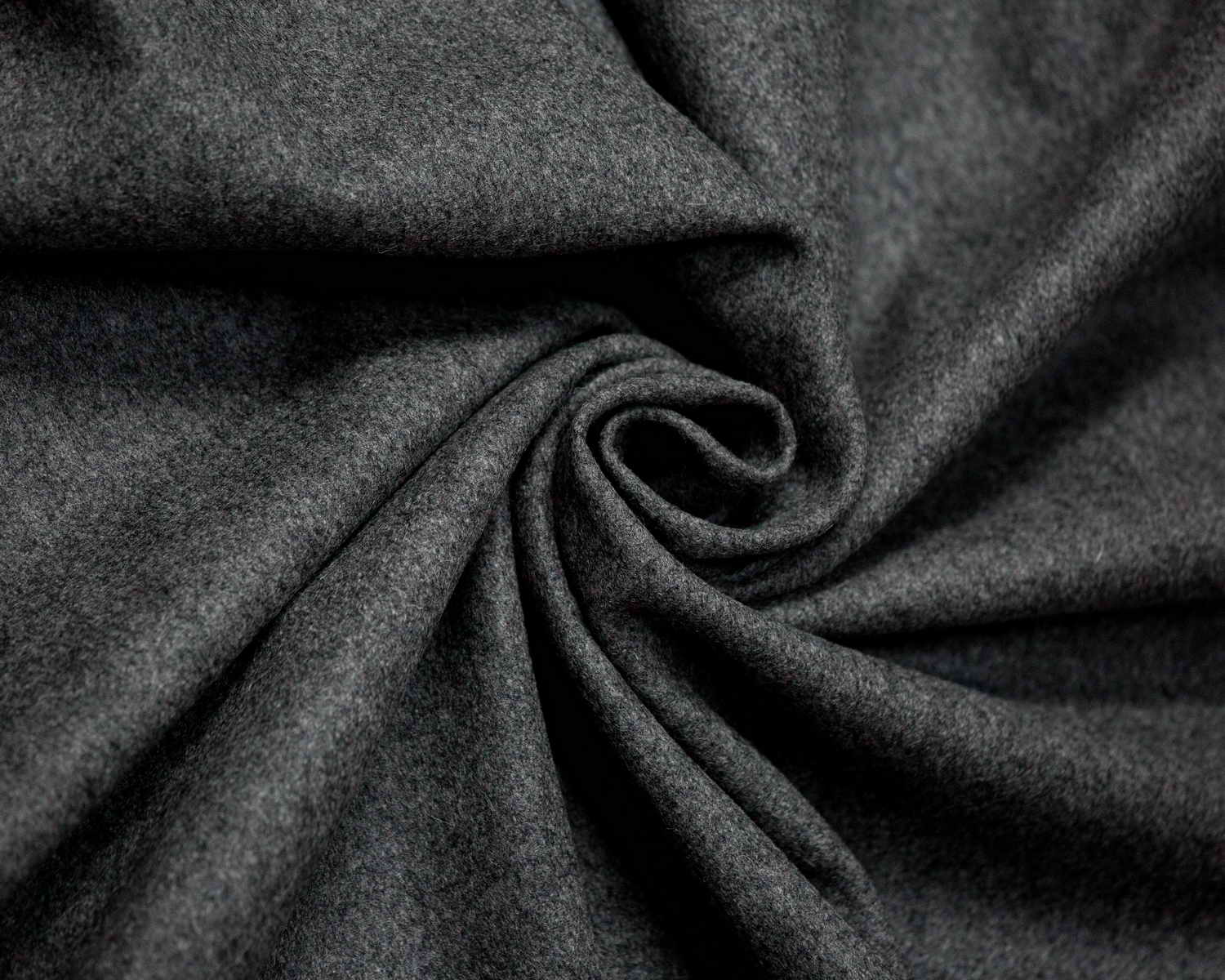
Wool Medium Super Smooth – Dark Grey Melange – WSF 06/06

29,60 m

Introducing our 100% merino wool fabric, known for its exceptional smoothness.

This fabric is reminiscent of the WTV collection in terms of touch, weight, and finish. However, it distinguishes itself by being woven entirely from 100% Merino wool, rather than recycled wool. The result is a fabric with longer, precisely spun, higher-quality fibers.

This superior composition makes the fabric softer, smoother, and highly resistant to pilling.

It is particularly well-suited for creating coats, jackets, and uniforms, where its qualities will be especially valued.

100% merino

Natural fibers

Worldwide shipping

Professional service

100% merino

Worldwide shipping

Natural fibers

Professional service

Width +/- 2cm

55", 140 cm

Grammage Note1: OZ - stands for Ounces per Square Yard. Note2: We are showing grammage as per 1 square meter (GSM). While you may be used to gramms per linear (running) meter from other shops (GLM).

11oz, 370 g/m2

Thread count TPI - stands for Threads Per square Inch, so it counts warp ends and weft picks altogether. If inch is not familiar for you, we are showing also how many threads (warp/weft) are present per 1 cm

50 TPI, 10/10 threads per cm

Colour We have divided the palette into 11 basic colours. So this attribute is telling about the general, closest colour. For example BLUE : will include all different blue, navy and turquoise shades. This helps while filtering the shop searching for the fabric shade you desire.
Grey

Weave

Broken Twill 2/2

Closest in colour to this fabric, but they may still differ in shade!

In stock

Starting from 0.5m you can order any quantity you want!


Are you still hesitating?  Not sure that this will be in the shade and quality you expect? Then ask for a small sample (4x4cm).
You can ask up to 5 different samples for free. Each next one will cost 1 eur.
OTHER FABRICS FROM THIS COLLECTION

Merino wool is a unique material, valued for its many advantages.

First of all, it is extremely soft and delicate, which makes it comfortable even for people with sensitive skin.
It is characterized by excellent thermoregulatory properties, which means that it keeps you warm on cold days, while also providing breathability, preventing overheating on warmer days.
It is also naturally odor-resistant, so clothes made of merino wool can be worn for longer periods of time without the need for frequent washing.

What's more, merino wool is biodegradable and renewable, making it an ecological choice for those who care about the environment.

Coat wool with a weight of 370 g/m² is a medium-weight material that is perfect for sewing outerwear for the autumn-winter season. It can be used for:

  1. Coats and jackets - the main application of this type of wool, due to its warmth and durability. It is ideal for coats that will provide protection against the cold while maintaining an elegant look.
  2. Jackets and blazers - it can be used to sew stylish and warm jackets or blazers that will be suitable for colder days, adding elegance to any styling.
  3. Vests - wool with weight 370 g/m² is also suitable for creating vests that can be worn on its own or as part of a layered styling.
  4. Skirts and dresses - thicker coat wool will also work well for warm skirts and dresses for winter days, providing thermal comfort and an elegant look.
  5. Clothing for historical reenactment - it is ideal for warmer medieval tunics or modern military uniforms.

Thanks to its properties, coat wool is a versatile material, suitable for creating both elegant outerwear and warm accessories.

Wool is one of the oldest materials used for sewing clothes, and its history dates back to the Neolithic period. Even then, people discovered the extraordinary properties of wool, such as its ability to retain heat, breathability and durability, which made it an ideal raw material for clothing production.

Over the centuries, wool has evolved to become the basic material used for sewing clothes, both everyday and luxury.

Today, wool is still very popular, and lightweight wool fabrics for dressmaking is eagerly used in fashion all over the world. From elegant suits and coats to stylish sweaters and dresses, wool provides not only warmth, but also comfort and durability.

Thanks to its unique properties, wool has remained an irreplaceable material for thousands of years to the present day.

A twill pattern is a type of textile weave characterized by its diagonal rib pattern. This distinctive design is created by the way the weft threads are woven over and under the warp threads, typically in a pattern such as "over two, under two" (for a 2/2 twill). This method causes the weave to shift by two thread in each row, resulting in the diagonal lines that are the hallmark of twill fabric.

Key characteristics of twill patterns include:

  • Diagonal Ridges: Visible diagonal lines or ribs that run across the fabric.
  • Durability: The twill weave structure makes the fabric strong and resistant to wear and tear.
  • Texture: Twill fabrics often have a soft drape and texture, making them comfortable to wear.

Twill patterns are versatile and commonly used in clothing, upholstery, and other textile applications due to their strength and appealing texture.

Color Disclaimer

Buying fabrics online is always a challenge, we know you can’t see them in person before making a decision. And yet, choosing the right color is crucial for the overall look of your garment and its details.

That’s why at Woolsome we do our best to represent our fabrics as accurately as possible. We use a professional photography studio and a dedicated color control system to ensure that our photos reflect reality as closely as possible.

However, please keep in mind that colors may vary slightly depending on your screen. The way they appear can be affected by:

  • your monitor or phone settings,
  • lighting conditions (natural or artificial),
  • the angle at which you view the screen.

Shades of red are particularly difficult to reproduce accurately on digital displays.

You may also notice that the main photo (a close-up of the fabric) appears slightly darker than images taken from a greater distance. This is a natural effect: both cameras and the human eye perceive color differently depending on light and perspective.

Please also note that many of our historical fabrics are woven using threads in two different colors (warp and weft). Up close, their structure is clearly visible, while from a distance the colors visually blend, creating a slightly different overall impression.

We want you to feel confident in your choice.

That’s why you can always order a sample before committing to a larger purchase. We also offer complete sample sets for each of our fabric collections.

Warning

Our fabrics are made from 100% natural wool. As a result, washing at too high a temperature may cause shrinkage or felting. We recommend carefully following the washing instructions and washing wool in max temperature 30°C to preserve their natural structure and quality.

ATTENTION: the fabric pressed in a fuller, loses stiffness after washing, washing before sewing is not recommended for 18th-20th century reenactors (uniforms, coats)

Wash on a wool cycle

Wash on a wool cycle

Do not tumble dry

Do not tumble dry

Line dry

Line dry

Medium heat iron

Medium heat iron

Do not bleach

Do not bleach

Dry clean

Dry clean

Description

Merino wool is a unique material, valued for its many advantages.

First of all, it is extremely soft and delicate, which makes it comfortable even for people with sensitive skin.

It is characterized by excellent thermoregulatory properties, which means that it keeps you warm on cold days, while also providing breathability, preventing overheating on warmer days.

It is also naturally odor-resistant, so clothes made of merino wool can be worn for longer periods of time without the need for frequent washing.

What's more, merino wool is biodegradable and renewable, making it an ecological choice for those who care about the environment.

Coat wool with a weight of 370 g/m² is a medium-weight material that is perfect for sewing outerwear for the autumn-winter season. It can be used for:

  1. Coats and jackets - the main application of this type of wool, due to its warmth and durability. It is ideal for coats that will provide protection against the cold while maintaining an elegant look.
  2. Jackets and blazers - it can be used to sew stylish and warm jackets or blazers that will be suitable for colder days, adding elegance to any styling.
  3. Vests - wool with weight 370 g/m² is also suitable for creating vests that can be worn on its own or as part of a layered styling.
  4. Skirts and dresses - thicker coat wool will also work well for warm skirts and dresses for winter days, providing thermal comfort and an elegant look.
  5. Clothing for historical reenactment - it is ideal for warmer medieval tunics or modern military uniforms.

Thanks to its properties, coat wool is a versatile material, suitable for creating both elegant outerwear and warm accessories.

Wool is one of the oldest materials used for sewing clothes, and its history dates back to the Neolithic period. Even then, people discovered the extraordinary properties of wool, such as its ability to retain heat, breathability and durability, which made it an ideal raw material for clothing production.

Over the centuries, wool has evolved to become the basic material used for sewing clothes, both everyday and luxury.

Today, wool is still very popular, and lightweight wool fabrics for dressmaking is eagerly used in fashion all over the world. From elegant suits and coats to stylish sweaters and dresses, wool provides not only warmth, but also comfort and durability.

Thanks to its unique properties, wool has remained an irreplaceable material for thousands of years to the present day.

A twill pattern is a type of textile weave characterized by its diagonal rib pattern. This distinctive design is created by the way the weft threads are woven over and under the warp threads, typically in a pattern such as "over two, under two" (for a 2/2 twill). This method causes the weave to shift by two thread in each row, resulting in the diagonal lines that are the hallmark of twill fabric.

Key characteristics of twill patterns include:

  • Diagonal Ridges: Visible diagonal lines or ribs that run across the fabric.
  • Durability: The twill weave structure makes the fabric strong and resistant to wear and tear.
  • Texture: Twill fabrics often have a soft drape and texture, making them comfortable to wear.

Twill patterns are versatile and commonly used in clothing, upholstery, and other textile applications due to their strength and appealing texture.

Colours in WoolSome

Color Disclaimer

Buying fabrics online is always a challenge, we know you can’t see them in person before making a decision. And yet, choosing the right color is crucial for the overall look of your garment and its details.

That’s why at Woolsome we do our best to represent our fabrics as accurately as possible. We use a professional photography studio and a dedicated color control system to ensure that our photos reflect reality as closely as possible.

However, please keep in mind that colors may vary slightly depending on your screen. The way they appear can be affected by:

  • your monitor or phone settings,
  • lighting conditions (natural or artificial),
  • the angle at which you view the screen.

Shades of red are particularly difficult to reproduce accurately on digital displays.

You may also notice that the main photo (a close-up of the fabric) appears slightly darker than images taken from a greater distance. This is a natural effect: both cameras and the human eye perceive color differently depending on light and perspective.

Please also note that many of our historical fabrics are woven using threads in two different colors (warp and weft). Up close, their structure is clearly visible, while from a distance the colors visually blend, creating a slightly different overall impression.

We want you to feel confident in your choice.

That’s why you can always order a sample before committing to a larger purchase. We also offer complete sample sets for each of our fabric collections.

Washing advice

Warning

Our fabrics are made from 100% natural wool. As a result, washing at too high a temperature may cause shrinkage or felting. We recommend carefully following the washing instructions and washing wool in max temperature 30°C to preserve their natural structure and quality.

ATTENTION: the fabric pressed in a fuller, loses stiffness after washing, washing before sewing is not recommended for 18th-20th century reenactors (uniforms, coats)

Wash on a wool cycle

Wash on a wool cycle

Do not tumble dry

Do not tumble dry

Line dry

Line dry

Medium heat iron

Medium heat iron

Do not bleach

Do not bleach

Dry clean

Dry clean