


 STFCN - Silk Natural Taffeta Chinese














 Our textiles




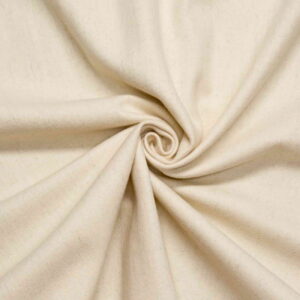


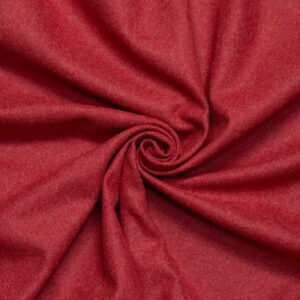




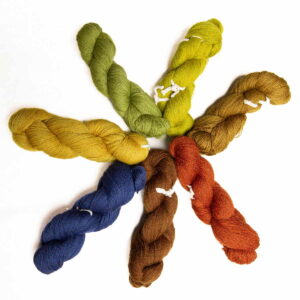
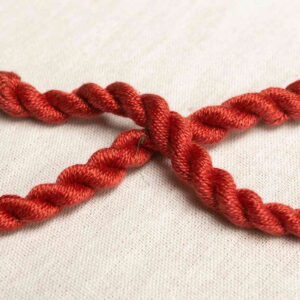
European wool is a natural fiber obtained from sheep raised in Europe.
It is valued for its quality, diversity, and shorter supply chain, which contributes to its sustainable character. It includes not only merino wool but also wool from other sheep breeds. This creates a unique fabric that felts beautifully, resulting in strong, windproof cloth.
Why choose European wool?
- High quality and diversity
The European tradition of sheep breeding spans centuries, resulting in a variety of breeds and a specialization in producing high-quality wool. This diversity allows for fibers suitable for both clothing and decorative items. - Sustainability and locality
By purchasing European wool, you support local producers and reduce the carbon footprint associated with transportation. European sheep farming standards often emphasize animal welfare and eco-friendly production methods. - Durability and functionality
Wool is a fiber that is durable, breathable, and insulating. European wool works perfectly in winter clothing, providing warmth, and in everyday wear due to its ability to regulate body temperature. - Support for craft traditions
Wool production in Europe is closely tied to rich weaving and craft traditions that are worth preserving and supporting. By choosing local wool products, you help sustain European workshops and small businesses. - Resistance to wear and biodegradability
Wool products are incredibly durable, and wool itself is biodegradable, making it more environmentally friendly compared to synthetic fibers.
European wool has a wide range of uses: from yarns for sweaters and scarves, to fabrics for historical reenactments, and even textiles for interiors, such as blankets and rugs. By choosing European wool, you invest in quality, tradition, and the future of more sustainable fashion and craftsmanship.
500 g/m² wool coating fabric is a thick weight material that is perfect for sewing outerwear for the winter season. It can be used for:
- Coats and jackets - this is the main application of coat wool, due to its warmth and durability. It is ideal for jackets that will provide protection from the cold while maintaining an elegant appearance.
- Vests - 500 g/m² wool is also suitable for creating vests that can be worn on their own or as part of a layered style. It is thick and quite stiff, so it will drape perfectly.
- Skirts - thicker coat wool will also work well for warm skirts and dresses for winter days, providing thermal comfort and an elegant look.
- Reenactment clothing - is perfect for military uniforms, both those for historical styling and contemporary ones. Wool for uniforms must meet a number of requirements and be of the highest quality, just like our WTR collection.
Thanks to its properties, coat wool is a universal material, suitable for creating both elegant outerwear and warm accessories.
Wool fabric is one of the oldest materials used for sewing clothes, and its history dates back to the Neolithic period. Even then, people discovered the extraordinary properties of wool, such as its ability to retain heat, breathability and durability, which made it an ideal raw material for clothing production.
Over the centuries, wool has evolved to become the basic material used for sewing clothes, both everyday and luxury.
Today, wool is still very popular, and thickweight wool fabrics for dressmaking is eagerly used in fashion all over the world. From elegant suits and coats to stylish uniforms wool provides not only warmth, but also comfort and durability.
Thanks to its unique properties, coat wool has remained an irreplaceable material for thousands of years to the present day.
Fulled smooth fabric is a type of textile that has undergone a fulling process, which involves controlled washing, shrinking, and felting of the fabric to improve its texture, strength, and durability. The fulling process is commonly applied to wool fabrics to make them denser, smoother, and more cohesive. Key characteristics of fulled smooth fabric:
Dense and Compact Texture
The fulling process causes the fibers to interlock, making the fabric thicker and less porous. This creates a windproof and water-resistant surface, often seen in fabrics like wool broadcloth or melton.
Soft and Smooth Surface
Fulling enhances the fabric’s finish by removing irregularities and creating a soft, smooth texture. The surface is often slightly fuzzy or brushed due to the felting effect.
Durable and Long-Lasting
The compact structure of fulled fabrics makes them highly resistant to wear and tear, which is why they are often used for outerwear or heavy-duty garments.
Warmth and Insulation
The dense nature of fulled fabrics provides excellent thermal insulation, trapping heat and keeping the wearer warm.
Advantages of fulled smooth fabric:
- Enhanced durability and resilience.
- Better resistance to wind and water.
- Improved thermal properties.
- Smooth and refined appearance.
Fulled smooth fabrics are prized for their practical qualities and elegant finish, making them a popular choice for both functional and aesthetic applications.