



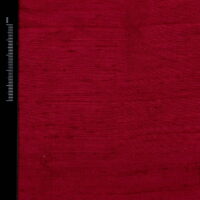
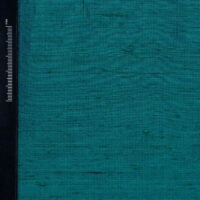
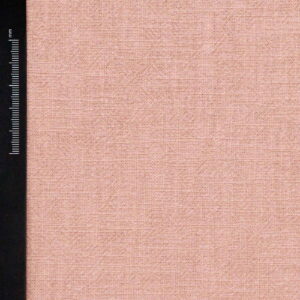
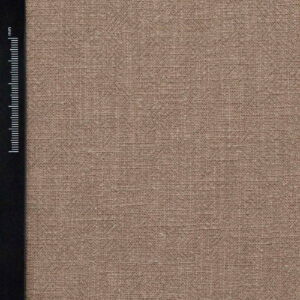
 STFCN - Silk Natural Taffeta Chinese
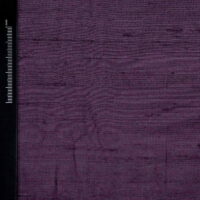
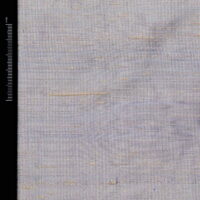
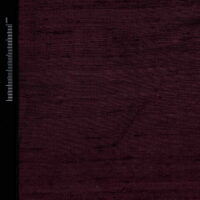
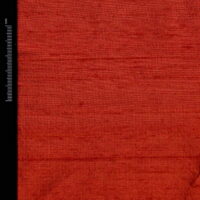

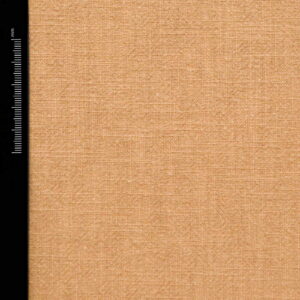
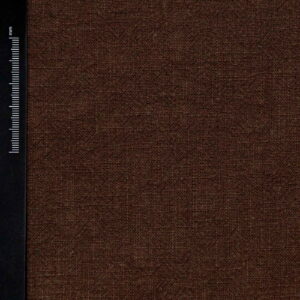
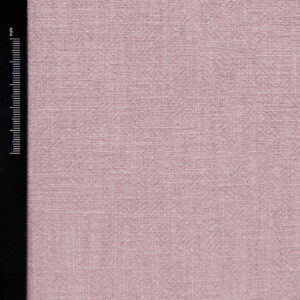
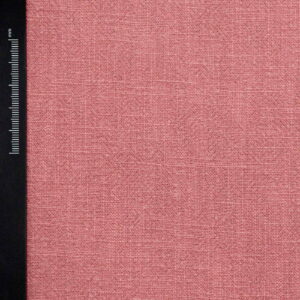












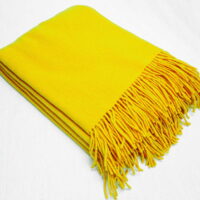
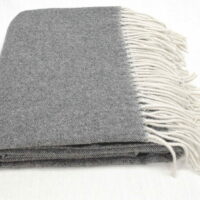
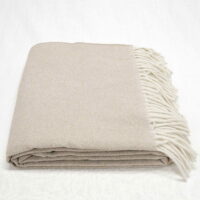




 Our textiles


The Hallstatt salt mine, located in Austria, is one of the most significant archaeological sites in Europe, offering insights into prehistoric life. It has been continuously mined since the Bronze Age (2100–800 BCE) and was pivotal during the Hallstatt period of the Iron Age (800–400 BCE), which is named after the site. The preservative qualities of salt have helped maintain numerous artifacts and remains, making Hallstatt a treasure trove for historians and archaeologists.
Key discoveries include:
- The Oldest Wooden Staircase in Europe: Unearthed in 2002, this staircase dates to around 1344 BCE, illustrating advanced woodworking skills and organized mining operations in the Bronze Age.
- The “Man in Salt”: In 1734, miners found the well-preserved body of a prehistoric miner, complete with clothing and skin intact, likely due to a mining accident around 1000 BCE. This discovery offers a rare glimpse into ancient mining practices and daily life.
- Rich Burial Grounds: Found in the Salzberg valley, these Iron Age graves contain a wealth of grave goods, such as tools, weapons, and ornaments, highlighting the prosperity salt mining brought to the region.
- Organic Materials: Items like textiles, shoes, carrying sacks, and remnants of food have survived due to the salt, providing invaluable data on ancient diets, craftsmanship, and lifestyles.
The ongoing research, often led by institutions like the Natural History Museum Vienna, continues to uncover new details about the site. Modern visitors can explore parts of the mine and view reconstructions of prehistoric mining methods.
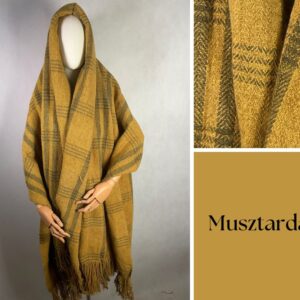
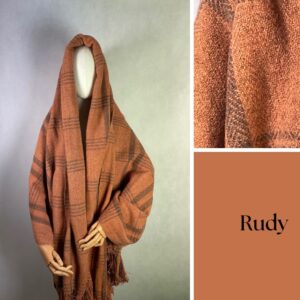
The WCHT collection is a specially prepared assortment of fabrics inspired by archaeological finds.
These unique textiles are produced in limited quantities at the weaving mill of Ilia Staricov in Europe. Utilizing horizontal looms equipped with a "flying shuttle," these fabrics authentically replicate historical weaving techniques. Each piece in the WCHT collection embodies a blend of ancient craftsmanship and meticulous modern production, offering a rare opportunity to experience textiles steeped in history.
Wool fabrics are worth buying for several compelling reasons:
- Insulation: Wool provides excellent warmth, making it ideal for cold weather.
- Breathability: It regulates body temperature, keeping you comfortable in various climates.
- Durability: Wool is strong and resilient, ensuring long-lasting use.
- Moisture Management: It naturally wicks away moisture, keeping you dry.
- Odor Resistance: Wool's antibacterial properties prevent odors, even with prolonged wear.
- Sustainability: Wool is a renewable, biodegradable, and eco-friendly material.
Choosing wool fabrics combines comfort, functionality, and environmental benefits, making it a smart investment for quality and sustainability.
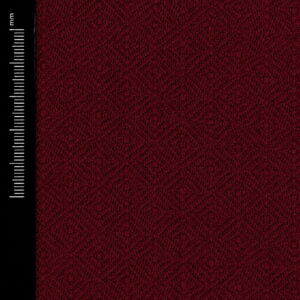
A herringbone pattern is a distinctive type of textile weave recognized by its characteristic zigzag design. This unique structure is achieved through an alternating arrangement of threads that creates a broken twill effect, forming the iconic V-shaped pattern. Typically, the weave alternates the direction of the diagonal lines every few rows, giving it the appearance of a series of interlocking chevrons.
Key characteristics of herringbone patterns include:
- Zigzag Design: A signature series of V-shaped lines that create a visually dynamic texture.
- Durability: The sturdy weave offers strength and resilience, making it ideal for long-lasting applications.
- Sophisticated Texture: Herringbone fabrics often exhibit a refined, elegant finish, enhancing their appeal for various uses.
Herringbone weaves are celebrated for their versatility, making them a popular choice in fashion, tailoring, and interior design due to their blend of strength, durability, and timeless aesthetic.