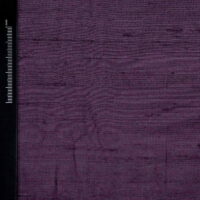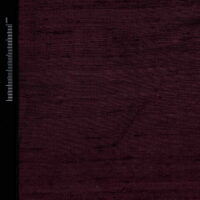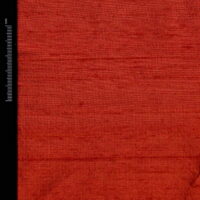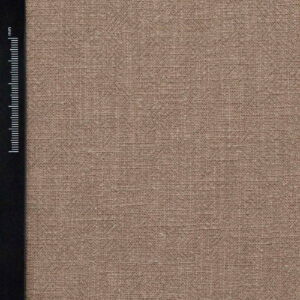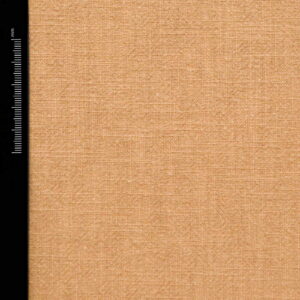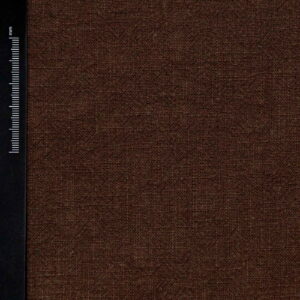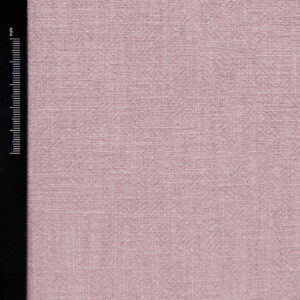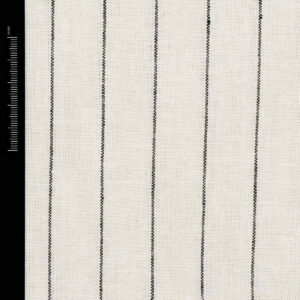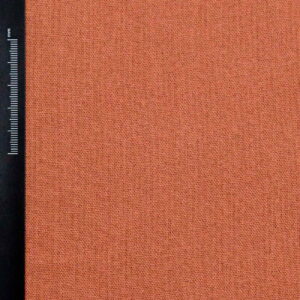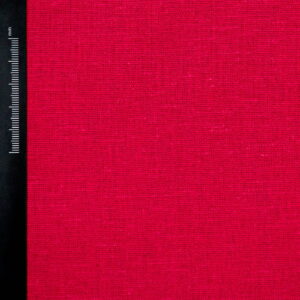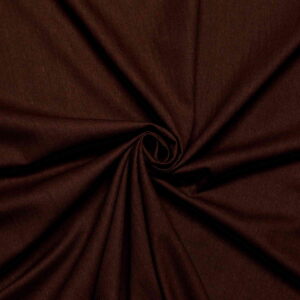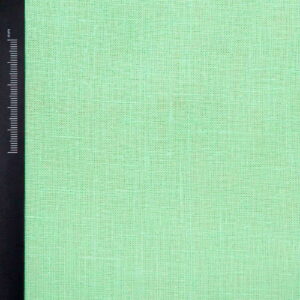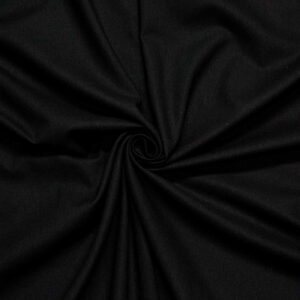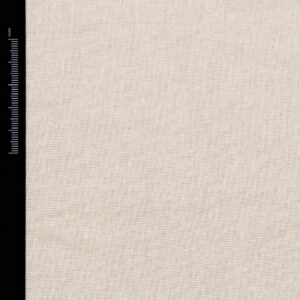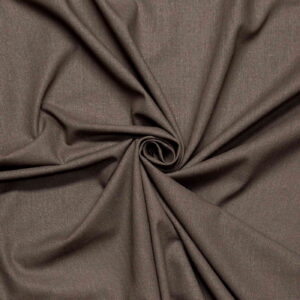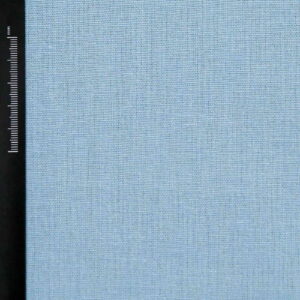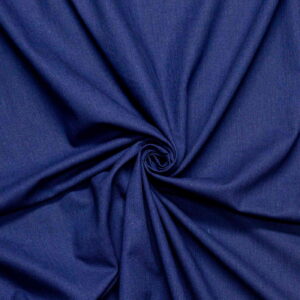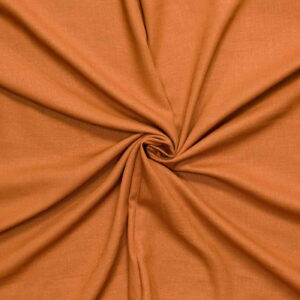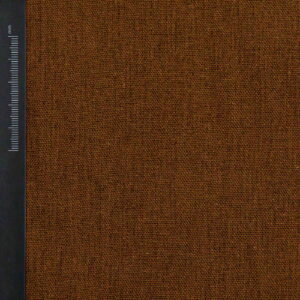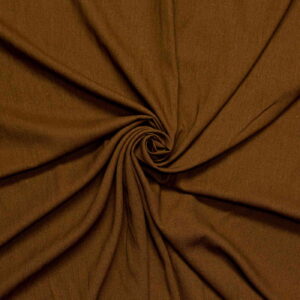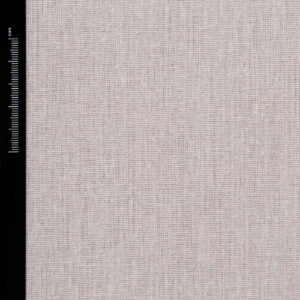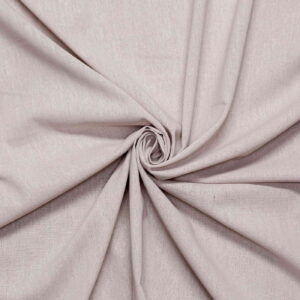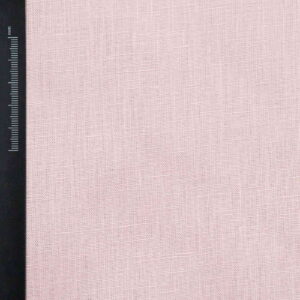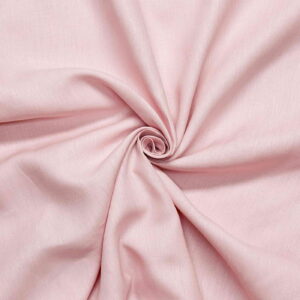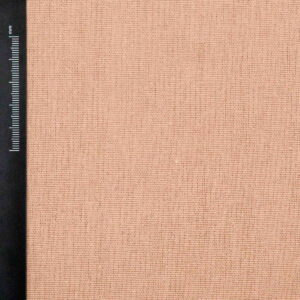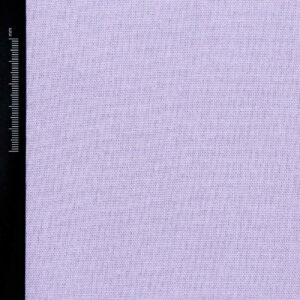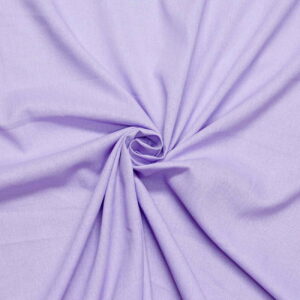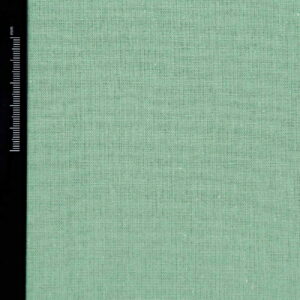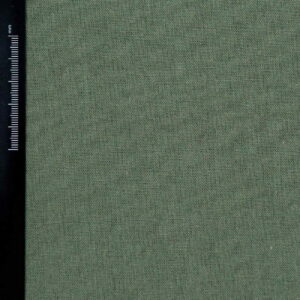

OTHER FABRICS FROM THIS COLLECTION

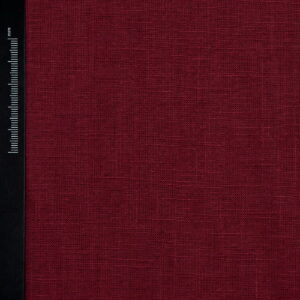
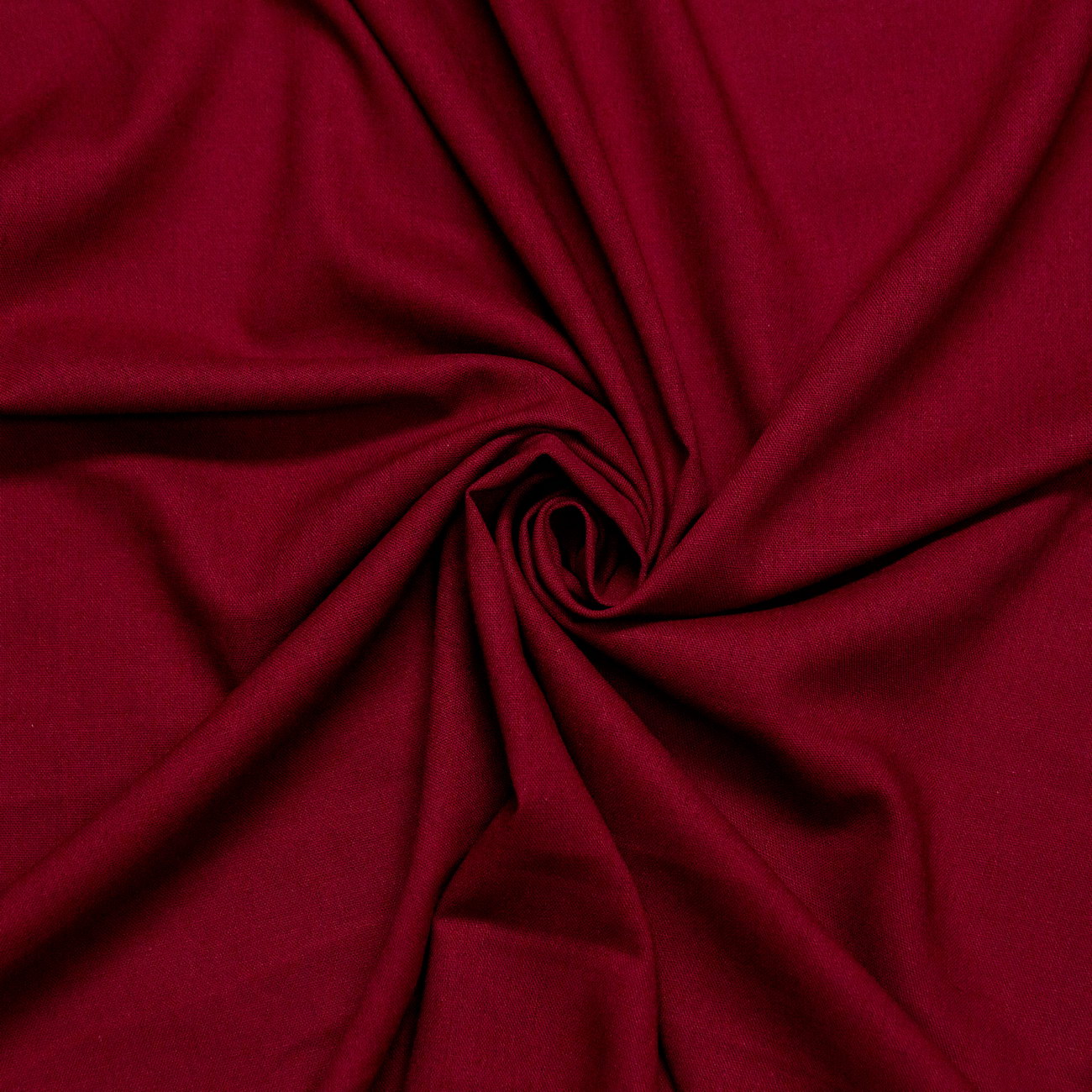
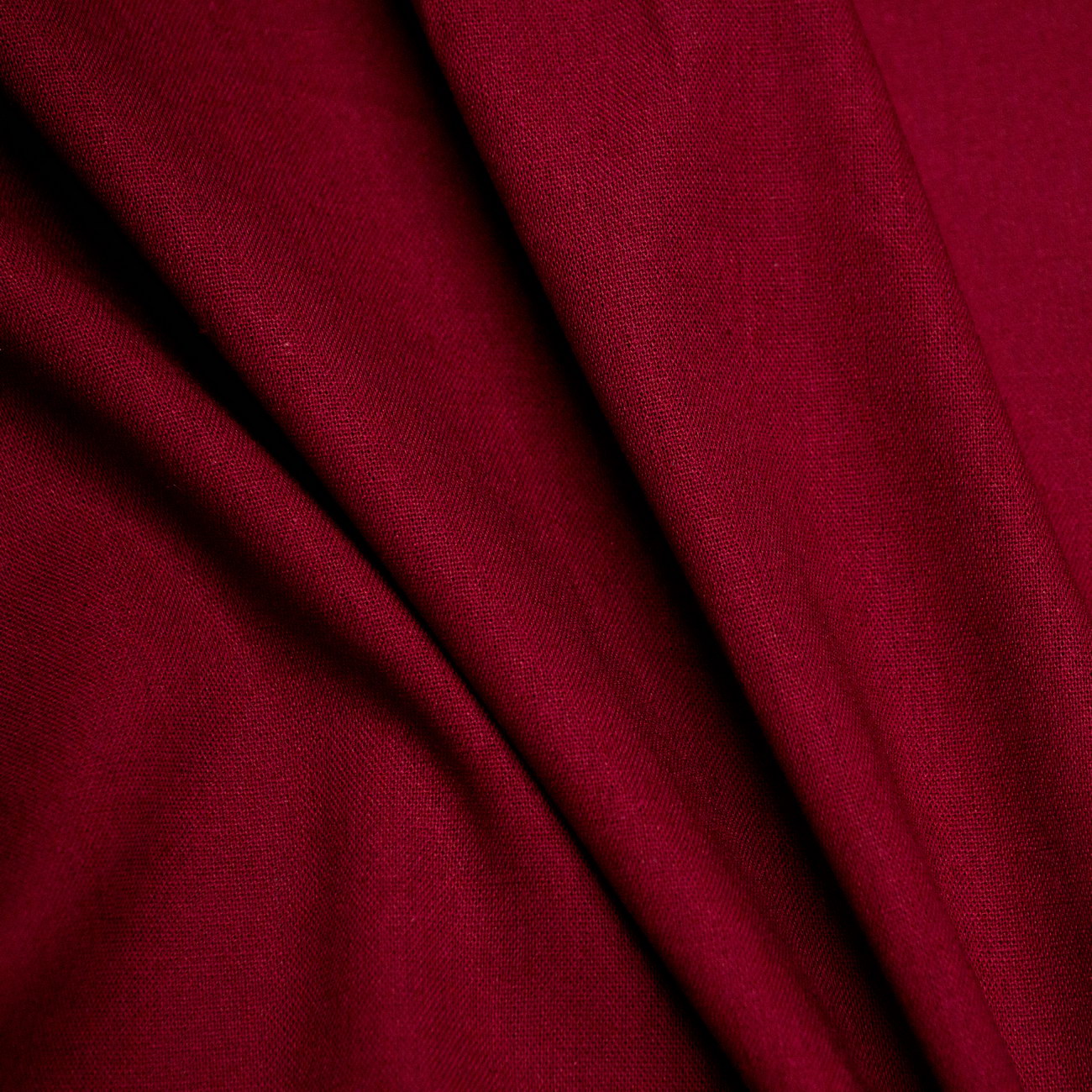
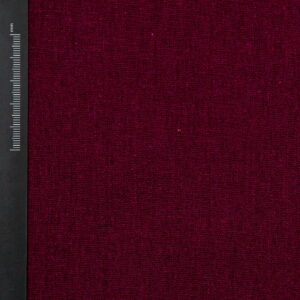
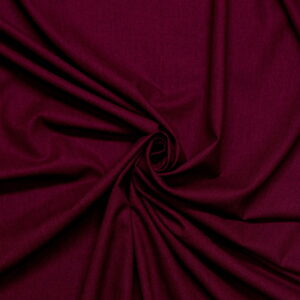
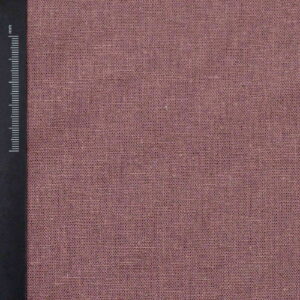
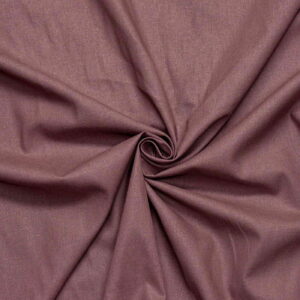
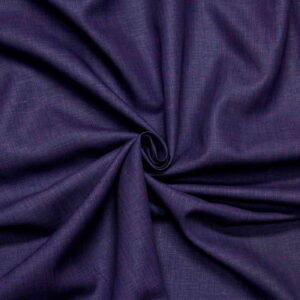
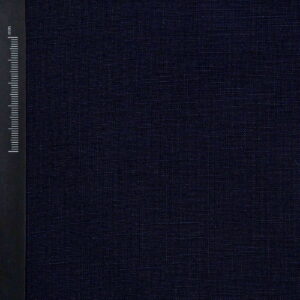
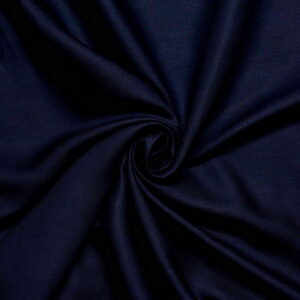
Linen Plain Weave – Burgundy – LP 06/03

9,60 m

Linen stock, sourced from decommissioned shops and factories.

Specific composition details are unavailable, the fabric occasionally includes artificial additives.

Crafted using the plain weave technique, this linen offers a classic and uniform texture, making it an ideal choice for various projects.

Whether you're designing garments, home decor, or accessories, our plain weave linen fabric provides a natural charm that enhances any style.

Linen

Natural fibers

Worldwide shipping

Professional service

Linen

Worldwide shipping

Natural fibers

Professional service

Width +/- 2cm

55", 140 cm

Grammage Note1: OZ - stands for Ounces per Square Yard. Note2: We are showing grammage as per 1 square meter (GSM). While you may be used to gramms per linear (running) meter from other shops (GLM).

5.5oz, 185 g/m2

Thread count TPI - stands for Threads Per square Inch, so it counts warp ends and weft picks altogether. If inch is not familiar for you, we are showing also how many threads (warp/weft) are present per 1 cm

110 TPI, 22/22 threads per cm

Colour We have divided the palette into 11 basic colours. So this attribute is telling about the general, closest colour. For example BLUE : will include all different blue, navy and turquoise shades. This helps while filtering the shop searching for the fabric shade you desire.
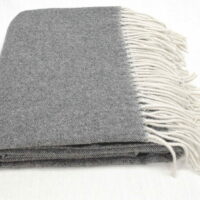
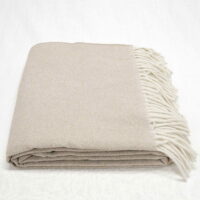
Red

,

Purple

Weave

Plain weave

In stock

Starting from 0.5m you can order any quantity you want!


Are you still hesitating?  Not sure that this will be in the shade and quality you expect? Then ask for a small sample (4x4cm).
You can ask up to 5 different samples for free. Each next one will cost 1 eur.

OTHER FABRICS FROM THIS COLLECTION

Let's start at the beginning—linen, a natural fiber derived from the flax plant, is as pure as it gets. As one of the most breathable fabrics available, it becomes the ultimate choice for sweltering summer days, ensuring a constant flow of air that keeps you cool and invigorated.

Now, let's talk toughness. Linen is no pushover; it's a hardy fabric that can endure considerable wear and tear. Your linen garments are in it for the long haul, promising durability that benefits both your wallet and the environment—an eco-friendly win-win.

And here's the environmental bonus: Linen is a sustainable champion. Flax plants demand less water and fewer pesticides compared to alternative fabric crops. Plus, every part of the flax plant serves a purpose, leaving minimal waste. Mother Nature gives her nod of approval!

But wait, there's more! Linen boasts timeless elegance, a classic fabric that never falls out of favor. Whether you're aiming for a chic, minimalist aesthetic or embracing a bohemian vibe, linen effortlessly complements any style. Its versatility allows it to transition seamlessly from casual to formal occasions.

To sum it up, my friend, linen is the crème de la crème of fabrics. It's:

  • Comfortable,
  • Breathable,
  • Absorbent,
  • Durable,
  • Eco-friendly,
  • Stylish.

What more could you possibly desire? Invest in linen textiles, and you'll find yourself feeling cool, confident, and irresistibly comfortable in no time!

Linen, a timeless fabric with a rich history spanning centuries, continues to captivate with its remarkable versatility and practicality.

A standout feature of linen is its impressive durability. Ideal for enthusiasts of historical reenactment, linen stands strong against the demands of battles, costumes, and scenes from bygone eras. It not only withstands the rigors of reenactments but also exudes authenticity and style.

Delving into the world of historical reenactment, linen takes center stage in recreating attire from different time periods.

Whether adorned in the regalia of ancient Rome, medieval garb, or Victorian-era fashion, linen fabrics lend an air of genuine historical authenticity, immersing you fully in the experience.

But that's not all—linen extends its influence beyond clothing into home decor and furnishings. Linen curtains, bed sheets, and tablecloths infuse elegance into any space, thanks to the fabric's natural texture that creates a warm and inviting atmosphere.

So, whether you're a history enthusiast actively participating in reenactments or someone who simply appreciates the comfort and style of linen, this fabric has you covered. Breathable, durable, and endlessly versatile, linen stands as the go-to choice for a myriad of purposes.

Foremost, linen emerges from the resilient fibers of the flax plant, a hardy crop demanding minimal water in contrast to textiles like cotton.
Flourishing in impoverished soil conditions without excessive irrigation or chemical fertilizers, flax cultivation underpins linen's lower environmental impact, curbing both water usage and the release of harmful chemicals into the soil.

This eco-friendly narrative extends to biodiversity, as flax plants attract beneficial insects that naturally control pests. Embracing crop rotation practices fosters healthier soil and diminishes reliance on synthetic pesticides and herbicides.

An additional environmentally conscious facet of linen lies in its durability—renowned for strength and longevity. Investing in linen, be it clothing, bedding, or home textiles, translates to items enduring the test of time, reducing the frequency of replacements and mitigating waste in landfills.

Moreover, linen embraces a biodegradable fate. Upon reaching the end of its lifecycle, linen undergoes natural decomposition without leaving a significant environmental trace. This stands in stark contrast to synthetic fabrics like polyester, notorious for taking centuries to break down and releasing microplastics into the environment.

Opting for linen over other fabrics also aligns with reducing carbon emissions. The production of linen demands less energy compared to the intricate processes involved in crafting synthetic fibers. Thus, choosing linen represents a greener choice and a tangible reduction in one's carbon footprint.

Embark on a journey through time as we unravel the captivating history of linen textile—a fabric deeply intertwined with the tapestry of human civilization.

First and foremost, linen's roots can be traced back to ancient civilizations, where it emerged as one of the earliest textiles. Crafted from the fibers of the flax plant, linen became a prized commodity due to its exceptional properties.

As centuries unfolded, linen continued to weave its way through various cultures and epochs. In ancient Greece, linen adorned the bodies of gods and mortals alike, symbolizing purity and comfort. The Romans, too, embraced linen for its light and breathable qualities, making it a staple in their warm climates.

In the Middle Ages from garments worn by peasants to the luxurious attire of nobility, linen was a fabric that transcended societal boundaries.

The industrial revolution marked a significant chapter in linen's history, with advancements in spinning and weaving technologies making linen more accessible.

In the modern era, linen has retained its timeless allure. Valued for its eco-friendly attributes, durability, and breathability, linen continues to be a favorite in fashion and home textiles. Designers and consumers alike appreciate its natural elegance, making linen an enduring symbol of sophistication and comfort.

Color Disclaimer

Buying fabrics online is always a challenge, we know you can’t see them in person before making a decision. And yet, choosing the right color is crucial for the overall look of your garment and its details.

That’s why at Woolsome we do our best to represent our fabrics as accurately as possible. We use a professional photography studio and a dedicated color control system to ensure that our photos reflect reality as closely as possible.

However, please keep in mind that colors may vary slightly depending on your screen. The way they appear can be affected by:

  • your monitor or phone settings,
  • lighting conditions (natural or artificial),
  • the angle at which you view the screen.

Shades of red are particularly difficult to reproduce accurately on digital displays.

You may also notice that the main photo (a close-up of the fabric) appears slightly darker than images taken from a greater distance. This is a natural effect: both cameras and the human eye perceive color differently depending on light and perspective.

Please also note that many of our historical fabrics are woven using threads in two different colors (warp and weft). Up close, their structure is clearly visible, while from a distance the colors visually blend, creating a slightly different overall impression.

We want you to feel confident in your choice.

That’s why you can always order a sample before committing to a larger purchase. We also offer complete sample sets for each of our fabric collections.

Gentle wash in the washing machine, at a temperature of up to 40

Washing machine, temperature of up to 40

Shade dry

Shade dry

Gentle tumble dry

Gentle tumble dry

Line dry

Line dry

Medium heat iron

Medium heat iron

Do not bleach

Do not bleach

Description

Let's start at the beginning—linen, a natural fiber derived from the flax plant, is as pure as it gets. As one of the most breathable fabrics available, it becomes the ultimate choice for sweltering summer days, ensuring a constant flow of air that keeps you cool and invigorated.

Now, let's talk toughness. Linen is no pushover; it's a hardy fabric that can endure considerable wear and tear. Your linen garments are in it for the long haul, promising durability that benefits both your wallet and the environment—an eco-friendly win-win.

And here's the environmental bonus: Linen is a sustainable champion. Flax plants demand less water and fewer pesticides compared to alternative fabric crops. Plus, every part of the flax plant serves a purpose, leaving minimal waste. Mother Nature gives her nod of approval!

But wait, there's more! Linen boasts timeless elegance, a classic fabric that never falls out of favor. Whether you're aiming for a chic, minimalist aesthetic or embracing a bohemian vibe, linen effortlessly complements any style. Its versatility allows it to transition seamlessly from casual to formal occasions.

To sum it up, my friend, linen is the crème de la crème of fabrics. It's:

  • Comfortable,
  • Breathable,
  • Absorbent,
  • Durable,
  • Eco-friendly,
  • Stylish.

What more could you possibly desire? Invest in linen textiles, and you'll find yourself feeling cool, confident, and irresistibly comfortable in no time!

Linen, a timeless fabric with a rich history spanning centuries, continues to captivate with its remarkable versatility and practicality.

A standout feature of linen is its impressive durability. Ideal for enthusiasts of historical reenactment, linen stands strong against the demands of battles, costumes, and scenes from bygone eras. It not only withstands the rigors of reenactments but also exudes authenticity and style.

Delving into the world of historical reenactment, linen takes center stage in recreating attire from different time periods.

Whether adorned in the regalia of ancient Rome, medieval garb, or Victorian-era fashion, linen fabrics lend an air of genuine historical authenticity, immersing you fully in the experience.

But that's not all—linen extends its influence beyond clothing into home decor and furnishings. Linen curtains, bed sheets, and tablecloths infuse elegance into any space, thanks to the fabric's natural texture that creates a warm and inviting atmosphere.

So, whether you're a history enthusiast actively participating in reenactments or someone who simply appreciates the comfort and style of linen, this fabric has you covered. Breathable, durable, and endlessly versatile, linen stands as the go-to choice for a myriad of purposes.

Foremost, linen emerges from the resilient fibers of the flax plant, a hardy crop demanding minimal water in contrast to textiles like cotton.
Flourishing in impoverished soil conditions without excessive irrigation or chemical fertilizers, flax cultivation underpins linen's lower environmental impact, curbing both water usage and the release of harmful chemicals into the soil.

This eco-friendly narrative extends to biodiversity, as flax plants attract beneficial insects that naturally control pests. Embracing crop rotation practices fosters healthier soil and diminishes reliance on synthetic pesticides and herbicides.
An additional environmentally conscious facet of linen lies in its durability—renowned for strength and longevity. Investing in linen, be it clothing, bedding, or home textiles, translates to items enduring the test of time, reducing the frequency of replacements and mitigating waste in landfills.

Moreover, linen embraces a biodegradable fate. Upon reaching the end of its lifecycle, linen undergoes natural decomposition without leaving a significant environmental trace. This stands in stark contrast to synthetic fabrics like polyester, notorious for taking centuries to break down and releasing microplastics into the environment.

Opting for linen over other fabrics also aligns with reducing carbon emissions. The production of linen demands less energy compared to the intricate processes involved in crafting synthetic fibers. Thus, choosing linen represents a greener choice and a tangible reduction in one's carbon footprint.

Embark on a journey through time as we unravel the captivating history of linen textile—a fabric deeply intertwined with the tapestry of human civilization.

First and foremost, linen's roots can be traced back to ancient civilizations, where it emerged as one of the earliest textiles. Crafted from the fibers of the flax plant, linen became a prized commodity due to its exceptional properties.

As centuries unfolded, linen continued to weave its way through various cultures and epochs. In ancient Greece, linen adorned the bodies of gods and mortals alike, symbolizing purity and comfort. The Romans, too, embraced linen for its light and breathable qualities, making it a staple in their warm climates.

In the Middle Ages from garments worn by peasants to the luxurious attire of nobility, linen was a fabric that transcended societal boundaries.

The industrial revolution marked a significant chapter in linen's history, with advancements in spinning and weaving technologies making linen more accessible.

In the modern era, linen has retained its timeless allure. Valued for its eco-friendly attributes, durability, and breathability, linen continues to be a favorite in fashion and home textiles. Designers and consumers alike appreciate its natural elegance, making linen an enduring symbol of sophistication and comfort.

Colours in WoolSome

Color Disclaimer

Buying fabrics online is always a challenge, we know you can’t see them in person before making a decision. And yet, choosing the right color is crucial for the overall look of your garment and its details.

That’s why at Woolsome we do our best to represent our fabrics as accurately as possible. We use a professional photography studio and a dedicated color control system to ensure that our photos reflect reality as closely as possible.

However, please keep in mind that colors may vary slightly depending on your screen. The way they appear can be affected by:

  • your monitor or phone settings,
  • lighting conditions (natural or artificial),
  • the angle at which you view the screen.

Shades of red are particularly difficult to reproduce accurately on digital displays.

You may also notice that the main photo (a close-up of the fabric) appears slightly darker than images taken from a greater distance. This is a natural effect: both cameras and the human eye perceive color differently depending on light and perspective.

Please also note that many of our historical fabrics are woven using threads in two different colors (warp and weft). Up close, their structure is clearly visible, while from a distance the colors visually blend, creating a slightly different overall impression.

We want you to feel confident in your choice.

That’s why you can always order a sample before committing to a larger purchase. We also offer complete sample sets for each of our fabric collections.

Washing advice
Gentle wash in the washing machine, at a temperature of up to 40

Washing machine, temperature of up to 40

Shade dry

Shade dry

Gentle tumble dry

Gentle tumble dry

Line dry

Line dry

Medium heat iron

Medium heat iron

Do not bleach

Do not bleach