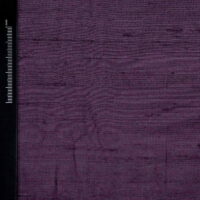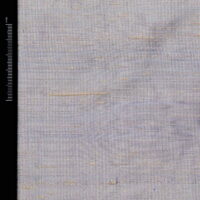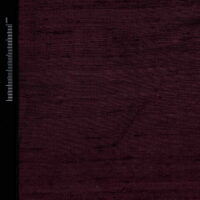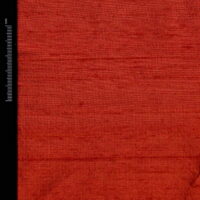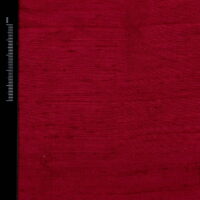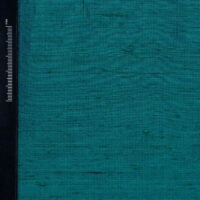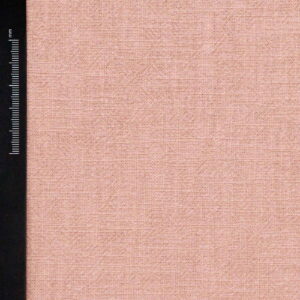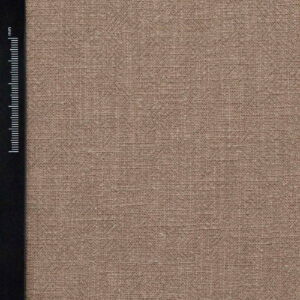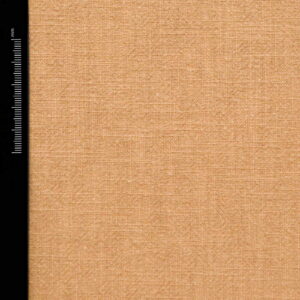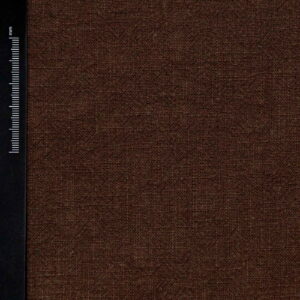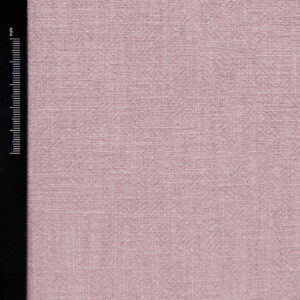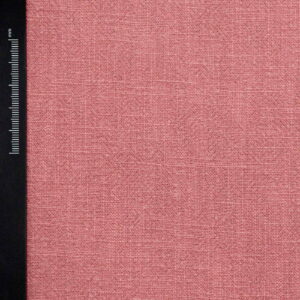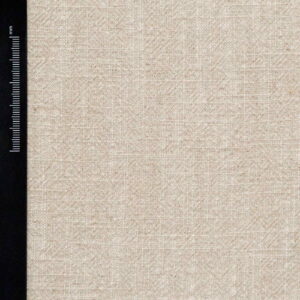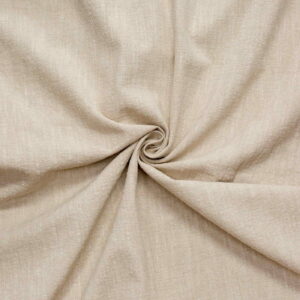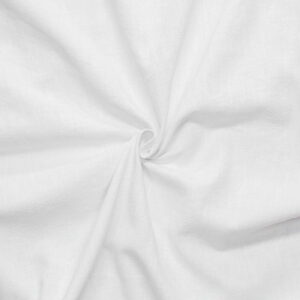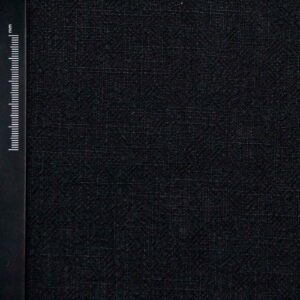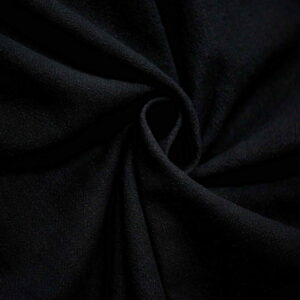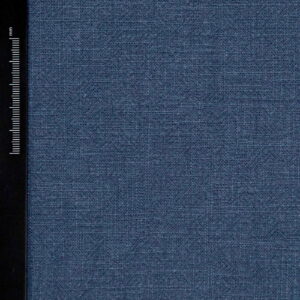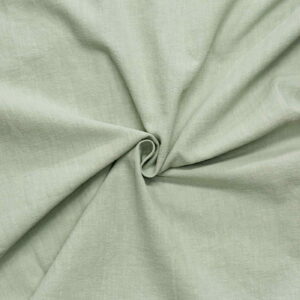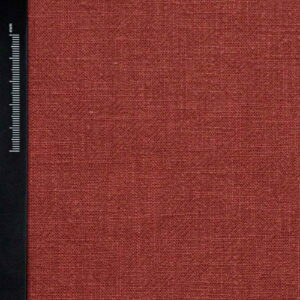
OTHER FABRICS FROM THIS COLLECTION

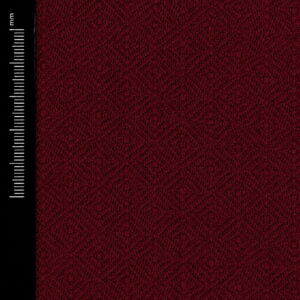
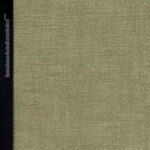
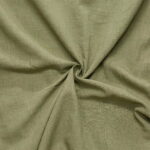
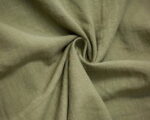
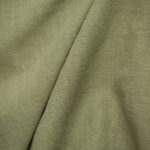
Linen MEDIUM Plain Textured Stonewashed – Moss Green – LWP 25/01

18,50 m

100% Linen with a Rustic Character and Exceptional Softness

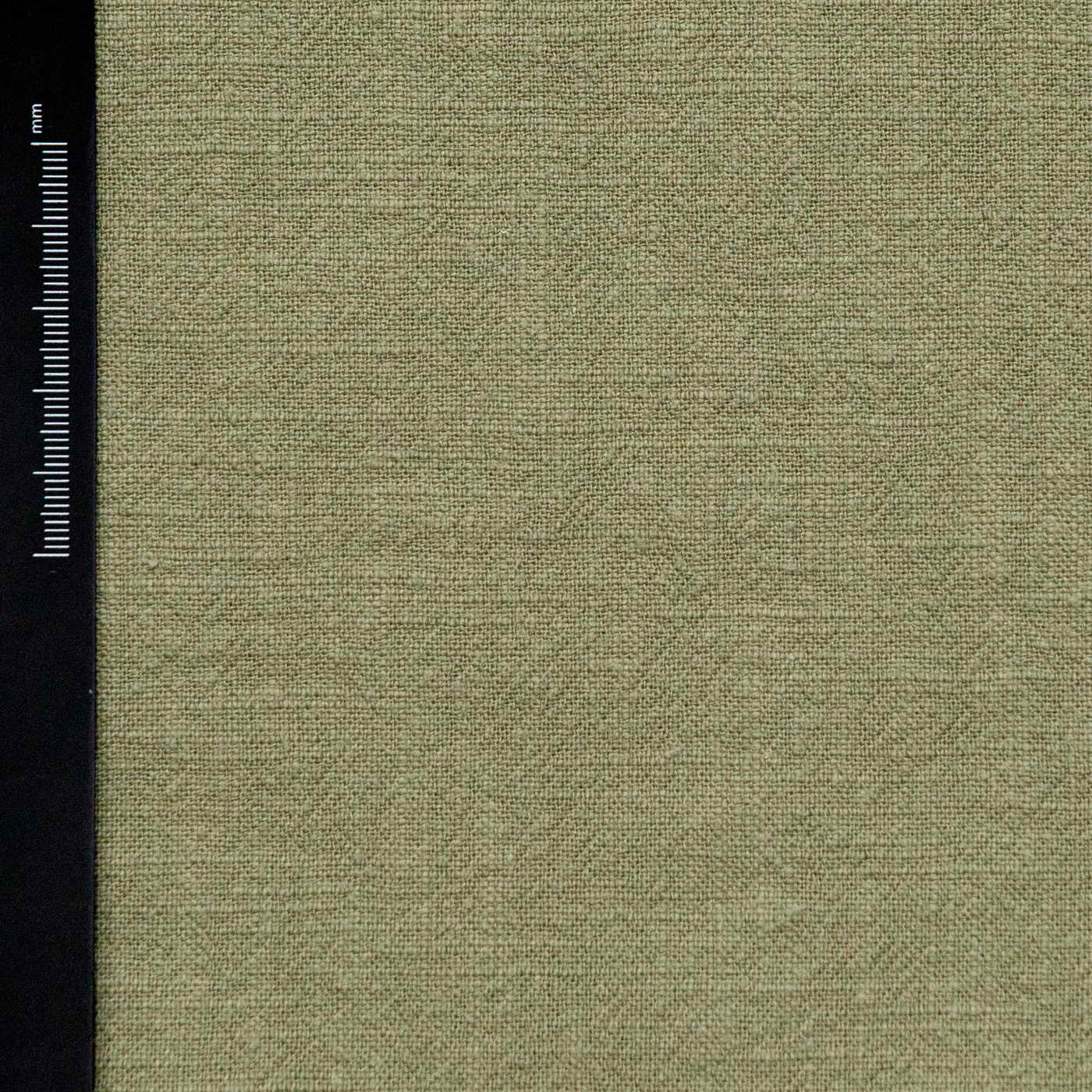
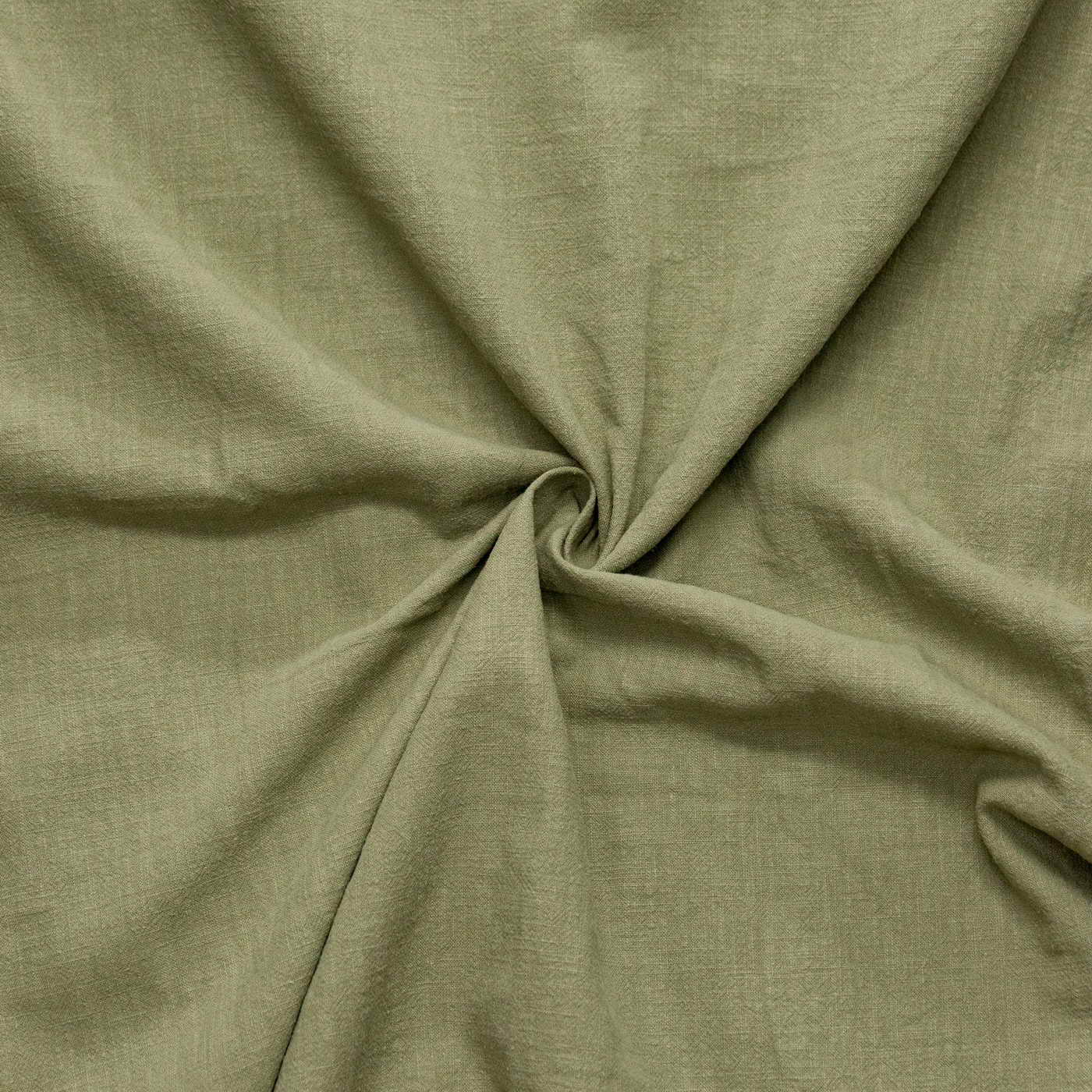
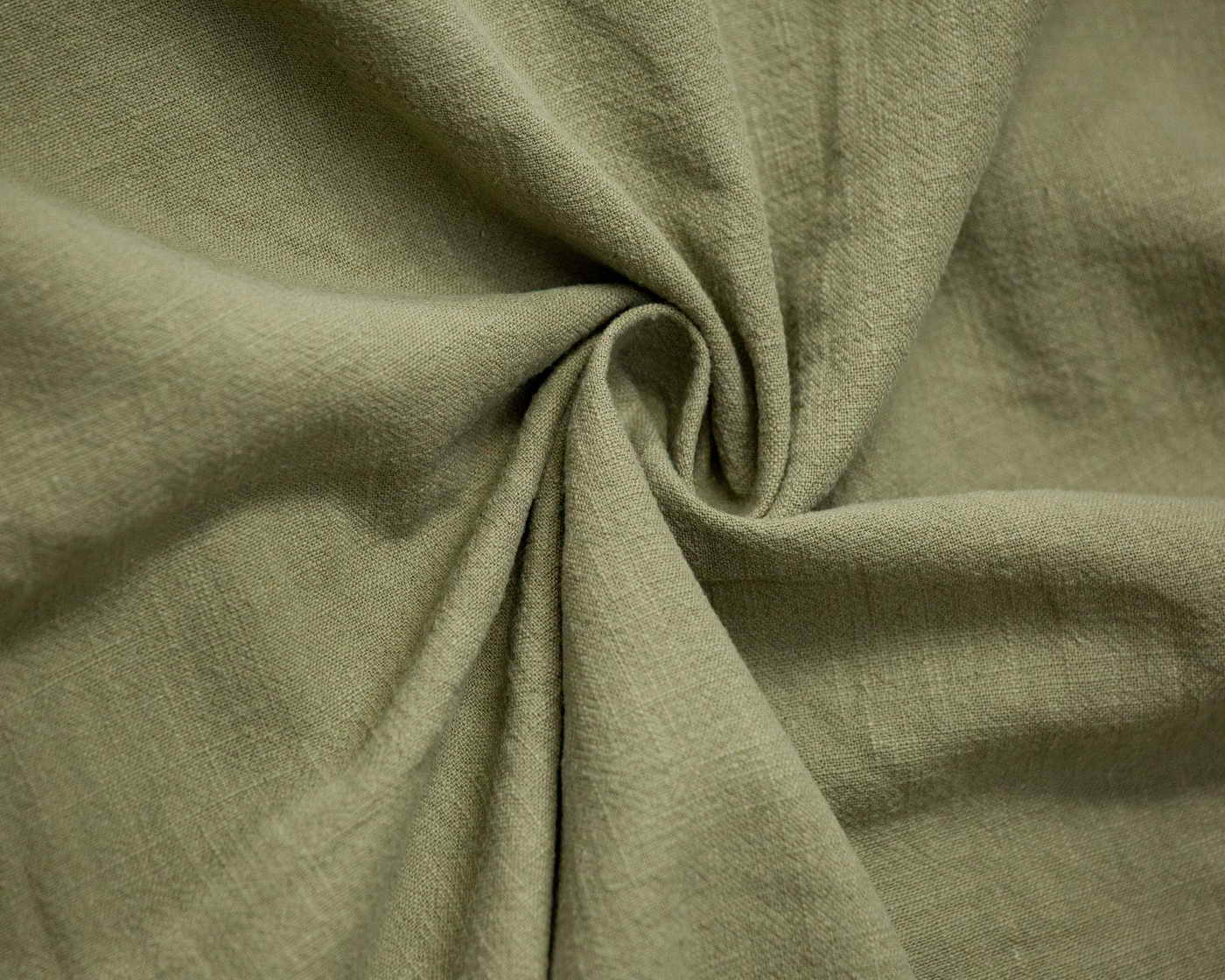
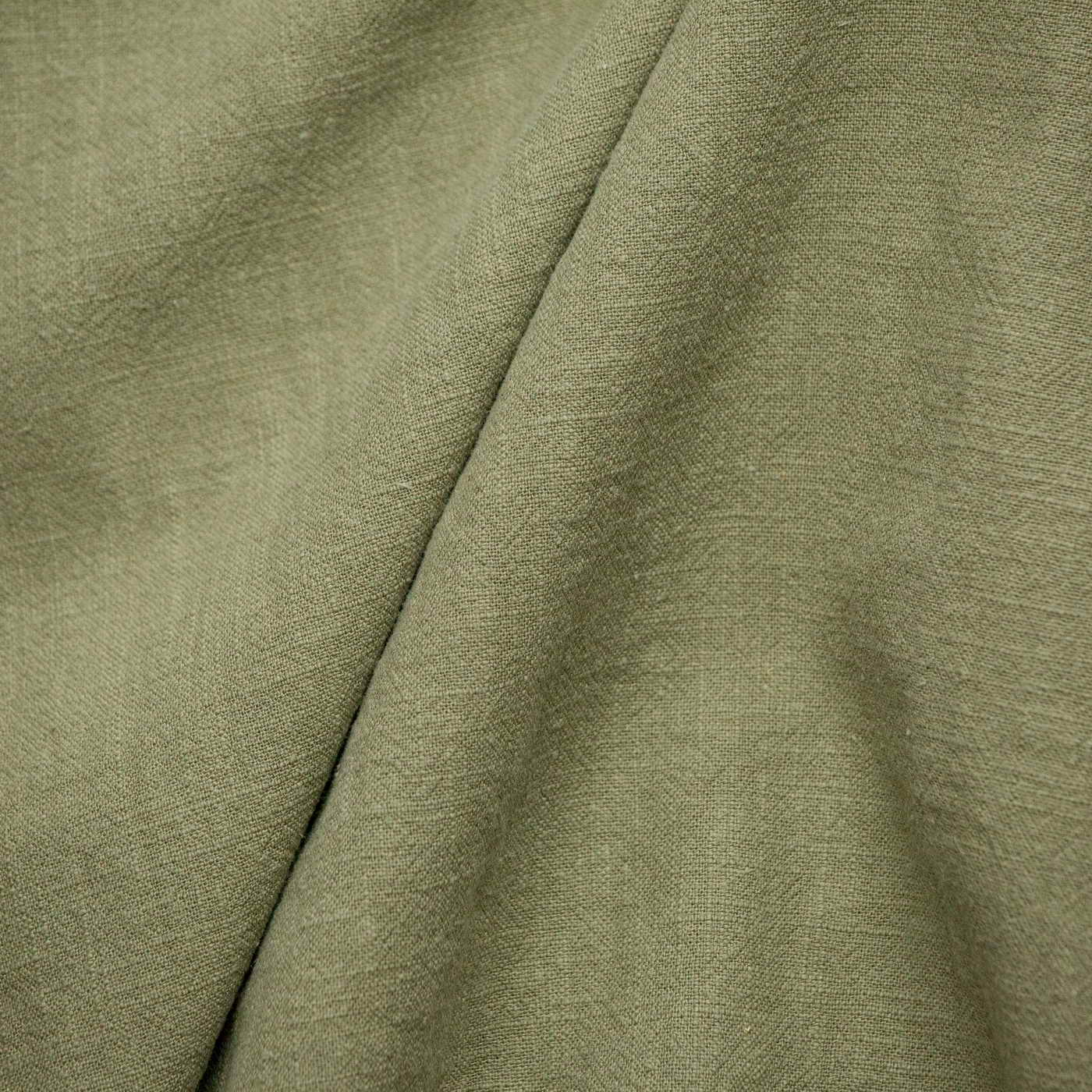
Here is a fabric that combines the natural beauty of linen with a unique, raw charm. Made from 100% linen, it delights with subtle, irregular slubs that give it an authentic, rustic appearance. This distinctive feature makes the fabric look truly refined – perfect for both historical and modern projects.

The fabric has a medium weight (250 g/m²) and a dense weave (22 threads per cm), making it durable, well-draping, and comfortable to wear. Additionally, it has been treated with a stonewashed process – pre-washed and softened – ensuring a pleasant softness from the very first use.

Its unique character is further enhanced by subtle, natural variations in color. These occur due to uneven dye absorption by the thicker fibers, which, combined with pastel shades, creates an effect reminiscent of plant-based dyeing.
This is an exceptionally versatile linen, perfect for:

  • historical reenactment, where authenticity and natural materials matter,
  • modern clothing: summer dresses, shirts, trousers, or lightweight suits,
  • interior decoration, especially in Scandinavian, rustic, or Provençal styles.

100% linen

Natural fibers

Worldwide shipping

Professional service

100% linen

Worldwide shipping

Natural fibers

Professional service

Width +/- 2cm

55", 140 cm

Grammage Note1: OZ - stands for Ounces per Square Yard. Note2: We are showing grammage as per 1 square meter (GSM). While you may be used to gramms per linear (running) meter from other shops (GLM).

7.3oz, 250 g/m2

Composition

100 % natural linen

Thread count TPI - stands for Threads Per square Inch, so it counts warp ends and weft picks altogether. If inch is not familiar for you, we are showing also how many threads (warp/weft) are present per 1 cm

110 TPI, 22/22 threads per cm

Colour We have divided the palette into 11 basic colours. So this attribute is telling about the general, closest colour. For example BLUE : will include all different blue, navy and turquoise shades. This helps while filtering the shop searching for the fabric shade you desire.
Green

Weave

Plain weave

In stock

Starting from 0.5m you can order any quantity you want!


Are you still hesitating?  Not sure that this will be in the shade and quality you expect? Then ask for a small sample (4x4cm).
You can ask up to 5 different samples for free. Each next one will cost 1 eur.

OTHER FABRICS FROM THIS COLLECTION

Linen fabric has been valued for centuries, and not just because it looks beautiful. It offers a mix of practical and aesthetic benefits that make it a strong choice, especially if you care about durability, comfort, and authenticity.

  • First, it’s incredibly breathable - linen is made from flax fibers, which allow air to circulate easily. That’s why it feels cool even in hot weather. It also absorbs moisture well and dries quickly, so it stays comfortable against the skin.
  • It’s one of the most durable natural fabrics - linen fibers are stronger than cotton, which means garments and textiles last longer, even with frequent use. Over time, linen actually softens without losing strength, instead of wearing out.
  • It has a unique, natural look - linen’s slightly irregular texture gives it character. It doesn’t look overly “perfect,” which is exactly why it’s prized in both modern design and historical reconstruction, it feels authentic and alive.
  • It’s historically accurate - if you’re interested in historical clothing or reenactment, linen is essential. It was widely used across Europe for undergarments, shirts, shifts, and household textiles for centuries. Choosing linen helps maintain realism.
  • It’s skin-friendly and hypoallergenic - linen is gentle on sensitive skin and has natural antibacterial properties. It’s a great option if you want something comfortable for long wear.
  • It’s environmentally friendly - flax requires less water and fewer chemicals than many other crops. Nearly the entire plant can be used, which makes linen a more sustainable textile choice.
  • It ages beautifully - unlike many fabrics, linen develops a soft, slightly worn-in look over time that many people find even more attractive than when it’s new.

When linen fabric is stonewashed, it means it has been pre-treated in a special washing process to change its texture and appearance.

The fabric is washed together with pumice stones in industrial machines (traditional way) or is subjected to enzymatic softening (modern way). During this process, the surface of the linen is gently abraded.

What this does to the fabric:

  • Makes it softer immediately - raw linen can feel quite stiff at first. Stonewashing breaks down the fibers slightly, so the fabric feels soft and comfortable from the start.
  • Gives it a slightly worn, relaxed look - the surface becomes more matte and less crisp, often with subtle variations in tone, like a gently aged textile.
  • Reduces shrinkage - because the fabric is already heavily washed, it’s less likely to shrink later.
  • Improves drape - stonewashed linen tends to fall more fluidly instead of holding a stiff structure.

Stonewashed linen is linen that’s been “pre-aged” to be softer, more relaxed, and ready to use right away, without the need for multiple washes at home.

Linen is considered eco-friendly for several reasons. Firstly, it is made from flax plants, which require minimal water and pesticides compared to other crops used for fabric production.

The cultivation of flax plants has a lower environmental impact, making linen a more sustainable choice.

Secondly, linen is a natural fiber and biodegradable, meaning it breaks down over time and does not contribute to pollution or waste accumulation. Unlike synthetic fabrics, linen does not release microplastics during washing, which can harm marine life and ecosystems.

Additionally, linen is a durable fabric that can withstand wear and tear. Linen garments and home textiles have a longer lifespan, reducing the need for frequent replacements and the resulting environmental impact.

Lastly, every part of the flax plant is utilized in the production, minimizing waste.

The seeds can be used to produce flaxseed oil, and the remaining plant material can be used for paper, insulation, and other purposes.

Overall, linen's eco-friendly properties stem from its sustainable cultivation, biodegradability, durability, and minimal waste production. Choosing linen as a fabric helps reduce the environmental footprint of the textile industry.

Linen is one of the most versatile natural fabrics, appreciated for both its practicality and timeless aesthetic. Thanks to its breathability, durability, and natural texture, it works beautifully in a wide range of sewing projects. Whether you are creating garments, home textiles, or accessories, linen offers a balance between comfort and longevity that few fabrics can match.

In clothing, linen is especially valued for pieces worn close to the skin. Shirts, dresses, tunics, and undergarments benefit from its ability to regulate temperature and absorb moisture. In warmer seasons, linen garments feel light and cooling, while their slightly textured surface adds a relaxed, effortless look.

Softer varieties, such as stonewashed linen, are ideal for flowing silhouettes, while more structured linen works well for trousers, skirts, or aprons.

Linen is also an excellent choice for home textiles. Tablecloths, napkins, curtains, and bedding made from linen combine functionality with understated elegance. The fabric withstands frequent washing and becomes softer over time, making it particularly suitable for everyday use. Its natural appearance fits both rustic and modern interiors, giving spaces a calm and organic feel.

For those interested in traditional crafts or historical reconstruction, linen holds special importance. It has been used for centuries in garments such as shifts, shirts, and head coverings, making it essential for achieving authenticity.

At the same time, linen canvas serves as a perfect base for embroidery and handmade accessories. Whether used in historical or contemporary projects, linen remains a reliable and inspiring fabric choice.

Color Disclaimer

Buying fabrics online is always a challenge, we know you can’t see them in person before making a decision. And yet, choosing the right color is crucial for the overall look of your garment and its details.

That’s why at Woolsome we do our best to represent our fabrics as accurately as possible. We use a professional photography studio and a dedicated color control system to ensure that our photos reflect reality as closely as possible.

However, please keep in mind that colors may vary slightly depending on your screen. The way they appear can be affected by:

  • your monitor or phone settings,
  • lighting conditions (natural or artificial),
  • the angle at which you view the screen.

Shades of red are particularly difficult to reproduce accurately on digital displays.

You may also notice that the main photo (a close-up of the fabric) appears slightly darker than images taken from a greater distance. This is a natural effect: both cameras and the human eye perceive color differently depending on light and perspective.

Please also note that many of our historical fabrics are woven using threads in two different colors (warp and weft). Up close, their structure is clearly visible, while from a distance the colors visually blend, creating a slightly different overall impression.

We want you to feel confident in your choice.

That’s why you can always order a sample before committing to a larger purchase. We also offer complete sample sets for each of our fabric collections.

Gentle wash in the washing machine, at a temperature of up to 40

Washing machine, temperature of up to 40

Shade dry

Shade dry

Gentle tumble dry

Gentle tumble dry

Line dry

Line dry

Medium heat iron

Medium heat iron

Do not bleach

Do not bleach

Description

Linen fabric has been valued for centuries, and not just because it looks beautiful. It offers a mix of practical and aesthetic benefits that make it a strong choice, especially if you care about durability, comfort, and authenticity.

  • First, it’s incredibly breathable - linen is made from flax fibers, which allow air to circulate easily. That’s why it feels cool even in hot weather. It also absorbs moisture well and dries quickly, so it stays comfortable against the skin.
  • It’s one of the most durable natural fabrics - linen fibers are stronger than cotton, which means garments and textiles last longer, even with frequent use. Over time, linen actually softens without losing strength, instead of wearing out.
  • It has a unique, natural look - linen’s slightly irregular texture gives it character. It doesn’t look overly “perfect,” which is exactly why it’s prized in both modern design and historical reconstruction, it feels authentic and alive.
  • It’s historically accurate - if you’re interested in historical clothing or reenactment, linen is essential. It was widely used across Europe for undergarments, shirts, shifts, and household textiles for centuries. Choosing linen helps maintain realism.
  • It’s skin-friendly and hypoallergenic - linen is gentle on sensitive skin and has natural antibacterial properties. It’s a great option if you want something comfortable for long wear.
  • It’s environmentally friendly - flax requires less water and fewer chemicals than many other crops. Nearly the entire plant can be used, which makes linen a more sustainable textile choice.
  • It ages beautifully - unlike many fabrics, linen develops a soft, slightly worn-in look over time that many people find even more attractive than when it’s new.

When linen fabric is stonewashed, it means it has been pre-treated in a special washing process to change its texture and appearance.

The fabric is washed together with pumice stones in industrial machines (traditional way) or is subjected to enzymatic softening (modern way). During this process, the surface of the linen is gently abraded.

What this does to the fabric:

  • Makes it softer immediately - raw linen can feel quite stiff at first. Stonewashing breaks down the fibers slightly, so the fabric feels soft and comfortable from the start.
  • Gives it a slightly worn, relaxed look - the surface becomes more matte and less crisp, often with subtle variations in tone, like a gently aged textile.
  • Reduces shrinkage - because the fabric is already heavily washed, it’s less likely to shrink later.
  • Improves drape - stonewashed linen tends to fall more fluidly instead of holding a stiff structure.

Stonewashed linen is linen that’s been “pre-aged” to be softer, more relaxed, and ready to use right away, without the need for multiple washes at home.

Linen is considered eco-friendly for several reasons. Firstly, it is made from flax plants, which require minimal water and pesticides compared to other crops used for fabric production.

The cultivation of flax plants has a lower environmental impact, making linen a more sustainable choice.

Secondly, linen is a natural fiber and biodegradable, meaning it breaks down over time and does not contribute to pollution or waste accumulation. Unlike synthetic fabrics, linen does not release microplastics during washing, which can harm marine life and ecosystems.

Additionally, linen is a durable fabric that can withstand wear and tear. Linen garments and home textiles have a longer lifespan, reducing the need for frequent replacements and the resulting environmental impact.

Lastly, every part of the flax plant is utilized in the production, minimizing waste.

The seeds can be used to produce flaxseed oil, and the remaining plant material can be used for paper, insulation, and other purposes.

Overall, linen's eco-friendly properties stem from its sustainable cultivation, biodegradability, durability, and minimal waste production. Choosing linen as a fabric helps reduce the environmental footprint of the textile industry.
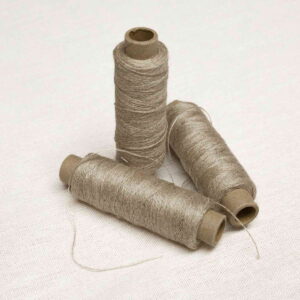
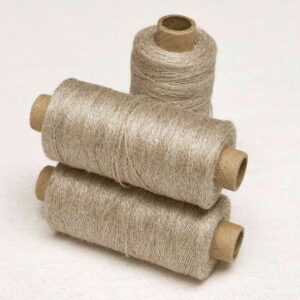
Linen is one of the most versatile natural fabrics, appreciated for both its practicality and timeless aesthetic. Thanks to its breathability, durability, and natural texture, it works beautifully in a wide range of sewing projects. Whether you are creating garments, home textiles, or accessories, linen offers a balance between comfort and longevity that few fabrics can match.

In clothing, linen is especially valued for pieces worn close to the skin. Shirts, dresses, tunics, and undergarments benefit from its ability to regulate temperature and absorb moisture. In warmer seasons, linen garments feel light and cooling, while their slightly textured surface adds a relaxed, effortless look.

Softer varieties, such as stonewashed linen, are ideal for flowing silhouettes, while more structured linen works well for trousers, skirts, or aprons.

Linen is also an excellent choice for home textiles. Tablecloths, napkins, curtains, and bedding made from linen combine functionality with understated elegance. The fabric withstands frequent washing and becomes softer over time, making it particularly suitable for everyday use. Its natural appearance fits both rustic and modern interiors, giving spaces a calm and organic feel.

For those interested in traditional crafts or historical reconstruction, linen holds special importance. It has been used for centuries in garments such as shifts, shirts, and head coverings, making it essential for achieving authenticity.

At the same time, linen canvas serves as a perfect base for embroidery and handmade accessories. Whether used in historical or contemporary projects, linen remains a reliable and inspiring fabric choice.

Colours in WoolSome

Color Disclaimer

Buying fabrics online is always a challenge, we know you can’t see them in person before making a decision. And yet, choosing the right color is crucial for the overall look of your garment and its details.

That’s why at Woolsome we do our best to represent our fabrics as accurately as possible. We use a professional photography studio and a dedicated color control system to ensure that our photos reflect reality as closely as possible.

However, please keep in mind that colors may vary slightly depending on your screen. The way they appear can be affected by:

  • your monitor or phone settings,
  • lighting conditions (natural or artificial),
  • the angle at which you view the screen.

Shades of red are particularly difficult to reproduce accurately on digital displays.

You may also notice that the main photo (a close-up of the fabric) appears slightly darker than images taken from a greater distance. This is a natural effect: both cameras and the human eye perceive color differently depending on light and perspective.

Please also note that many of our historical fabrics are woven using threads in two different colors (warp and weft). Up close, their structure is clearly visible, while from a distance the colors visually blend, creating a slightly different overall impression.

We want you to feel confident in your choice.

That’s why you can always order a sample before committing to a larger purchase. We also offer complete sample sets for each of our fabric collections.

Washing advice
Gentle wash in the washing machine, at a temperature of up to 40

Washing machine, temperature of up to 40

Shade dry

Shade dry

Gentle tumble dry

Gentle tumble dry

Line dry

Line dry

Medium heat iron

Medium heat iron

Do not bleach

Do not bleach