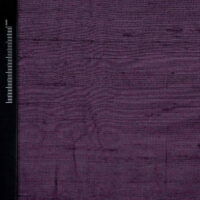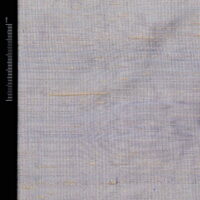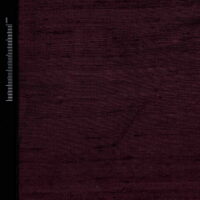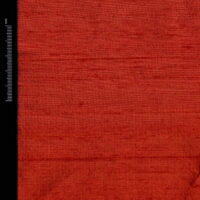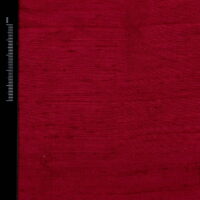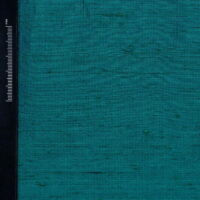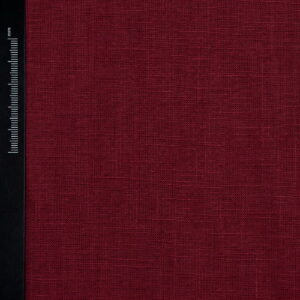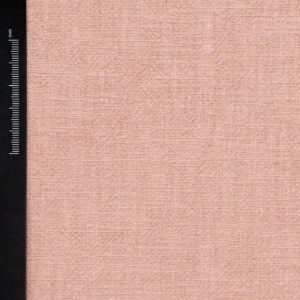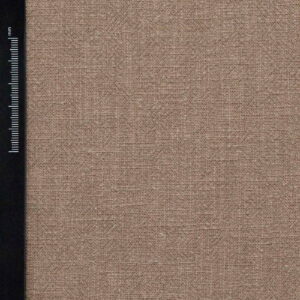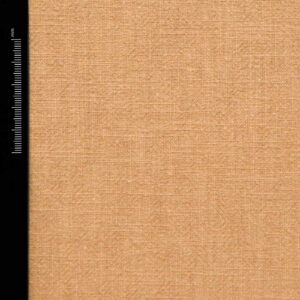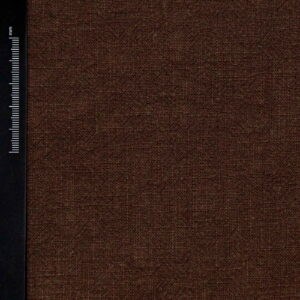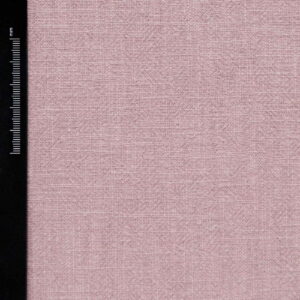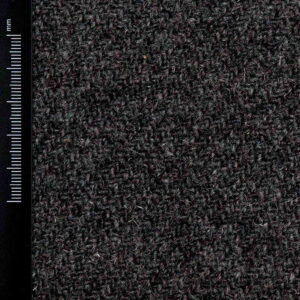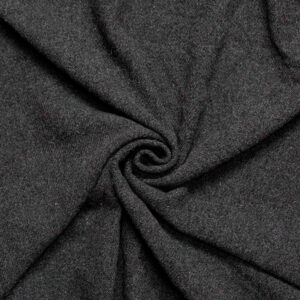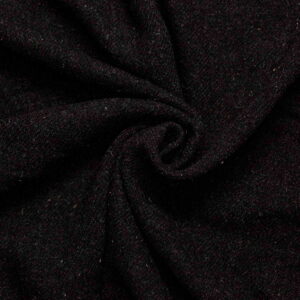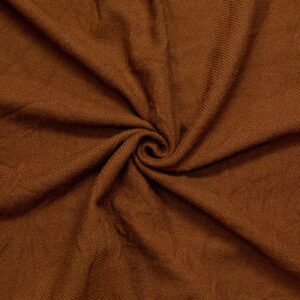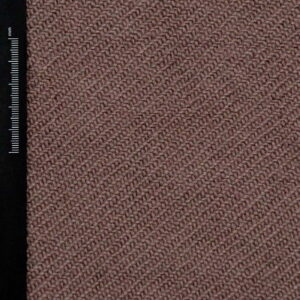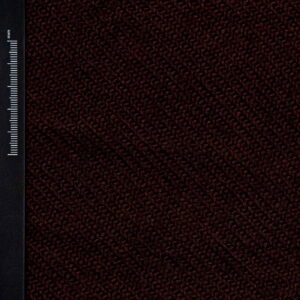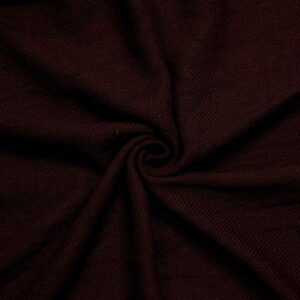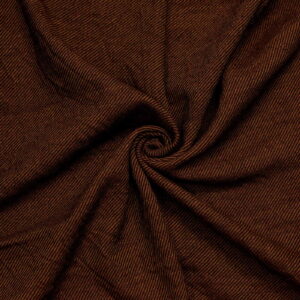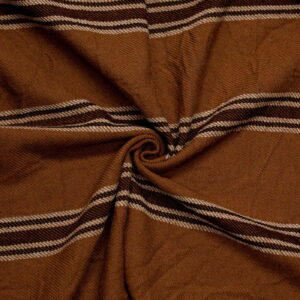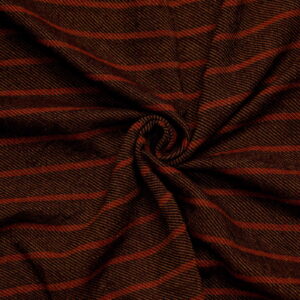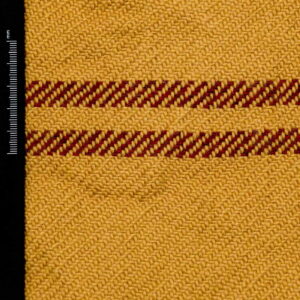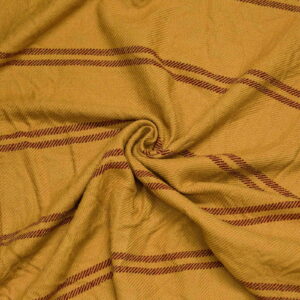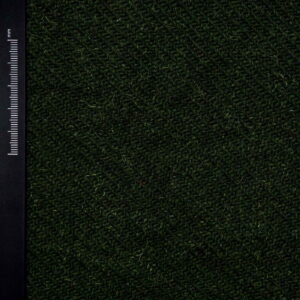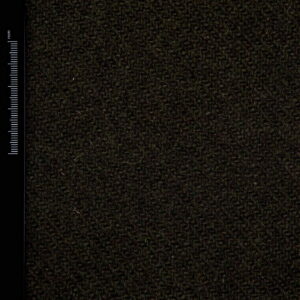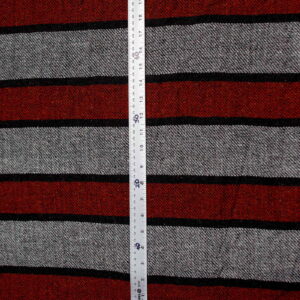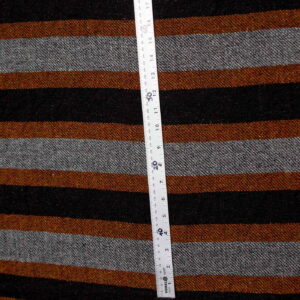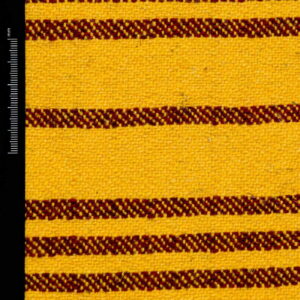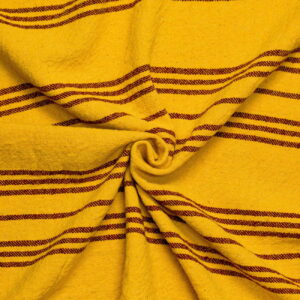
OTHER FABRICS FROM THIS COLLECTION

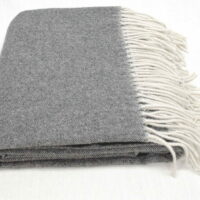
Wool Heavy Herringbone Checkered Hallstatt no 74 – Light Beige Dark Grey- WCHTHC 8706/05

42,00 €m

100% european wool fabric, with herringbone weave, straight from the Bronze Age

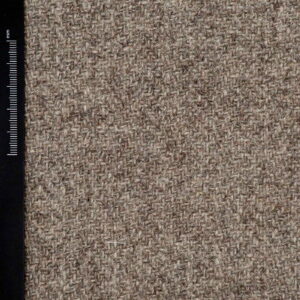
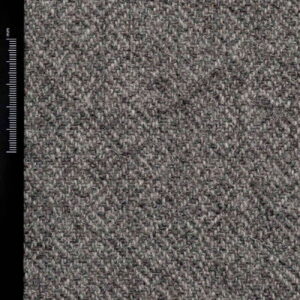
This textile features a striking heringbone weave and checkered pattern. Despite its havy grammage, the fabric remains soft while maintaining a durable and flexible texture. Unlike heavily compacted weaves, it has a moderate density of about 6/7 threads per centimeter, allowing for breathability.

Made from high-quality european wool, the fabric showcases an elegant zigzag design, reflecting the intricate craftsmanship of the late Bronze Age / early Iron Age original.

In original fabric was olive green and dark brown, but we made it in beige and grey so you can easly dye it in any colour you want!

The pattern doesn’t have to limit you! The blend of historical authenticity and contemporary craftsmanship makes this fabric perfect for historical reenactments, as well as a distinctive addition to modern clothing or home decor, adding a touch of ancient sophistication.

Made by reenactors for reenactors.

  • Find: second half of the 19th century, Hallstatt, Austria
  • Dated to: 800–400 BC (Late Bronze Age/Early Iron Age)
  • Original find: A small piece of fabric with a preserved pattern

100% wool

Natural fibers

Worldwide shipping

Professional service

100% wool

Worldwide shipping

Natural fibers

Professional service

Width +/- 2cm

48″, 122 cm

Grammage Note1: OZ - stands for Ounces per Square Yard. Note2: We are showing grammage as per 1 square meter (GSM). While you may be used to gramms per linear (running) meter from other shops (GLM).

14.5oz, 490 g/m2

Thread count TPI - stands for Threads Per square Inch, so it counts warp ends and weft picks altogether. If inch is not familiar for you, we are showing also how many threads (warp/weft) are present per 1 cm

33 TPI, 6/7 threads per cm

Colour We have divided the palette into 11 basic colours. So this attribute is telling about the general, closest colour. For example BLUE : will include all different blue, navy and turquoise shades. This helps while filtering the shop searching for the fabric shade you desire.

Beige

,

Grey

Weave

Herringbone

Pattern

In stock

Starting from 0.5m you can order any quantity you want!


OTHER FABRICS FROM THIS COLLECTION

The Hallstatt salt mine, located in Austria, is one of the most significant archaeological sites in Europe, offering insights into prehistoric life. It has been continuously mined since the Bronze Age (2100–800 BCE) and was pivotal during the Hallstatt period of the Iron Age (800–400 BCE), which is named after the site. The preservative qualities of salt have helped maintain numerous artifacts and remains, making Hallstatt a treasure trove for historians and archaeologists.

Key discoveries include:

  1. The Oldest Wooden Staircase in Europe: Unearthed in 2002, this staircase dates to around 1344 BCE, illustrating advanced woodworking skills and organized mining operations in the Bronze Age.
  2. The “Man in Salt”: In 1734, miners found the well-preserved body of a prehistoric miner, complete with clothing and skin intact, likely due to a mining accident around 1000 BCE. This discovery offers a rare glimpse into ancient mining practices and daily life.
  3. Rich Burial Grounds: Found in the Salzberg valley, these Iron Age graves contain a wealth of grave goods, such as tools, weapons, and ornaments, highlighting the prosperity salt mining brought to the region.
  4. Organic Materials: Items like textiles, shoes, carrying sacks, and remnants of food have survived due to the salt, providing invaluable data on ancient diets, craftsmanship, and lifestyles.

The ongoing research, often led by institutions like the Natural History Museum Vienna, continues to uncover new details about the site. Modern visitors can explore parts of the mine and view reconstructions of prehistoric mining methods.

The WCHT collection is a specially prepared assortment of fabrics inspired by archaeological finds.

These unique textiles are produced in limited quantities at the weaving mill of Ilia Staricov in Europe. Utilizing horizontal looms equipped with a "flying shuttle," these fabrics authentically replicate historical weaving techniques. Each piece in the WCHT collection embodies a blend of ancient craftsmanship and meticulous modern production, offering a rare opportunity to experience textiles steeped in history.
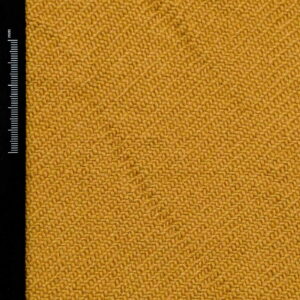
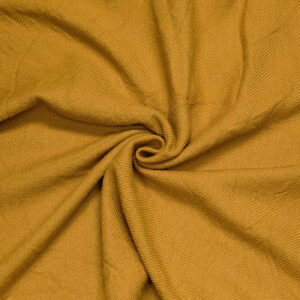
Wool fabrics are worth buying for several compelling reasons:

  1. Insulation: Wool provides excellent warmth, making it ideal for cold weather.
  2. Breathability: It regulates body temperature, keeping you comfortable in various climates.
  3. Durability: Wool is strong and resilient, ensuring long-lasting use.
  4. Moisture Management: It naturally wicks away moisture, keeping you dry.
  5. Odor Resistance: Wool's antibacterial properties prevent odors, even with prolonged wear.
  6. Sustainability: Wool is a renewable, biodegradable, and eco-friendly material.

Choosing wool fabrics combines comfort, functionality, and environmental benefits, making it a smart investment for quality and sustainability.

A herringbone pattern is a distinctive type of textile weave recognized by its characteristic zigzag design. This unique structure is achieved through an alternating arrangement of threads that creates a broken twill effect, forming the iconic V-shaped pattern. Typically, the weave alternates the direction of the diagonal lines every few rows, giving it the appearance of a series of interlocking chevrons.

Key characteristics of herringbone patterns include:

  1. Zigzag Design: A signature series of V-shaped lines that create a visually dynamic texture.
  2. Durability: The sturdy weave offers strength and resilience, making it ideal for long-lasting applications.
  3. Sophisticated Texture: Herringbone fabrics often exhibit a refined, elegant finish, enhancing their appeal for various uses.

Herringbone weaves are celebrated for their versatility, making them a popular choice in fashion, tailoring, and interior design due to their blend of strength, durability, and timeless aesthetic.

Color Disclaimer

Buying fabrics online is always a challenge, we know you can’t see them in person before making a decision. And yet, choosing the right color is crucial for the overall look of your garment and its details.

That’s why at Woolsome we do our best to represent our fabrics as accurately as possible. We use a professional photography studio and a dedicated color control system to ensure that our photos reflect reality as closely as possible.

However, please keep in mind that colors may vary slightly depending on your screen. The way they appear can be affected by:

  • your monitor or phone settings,
  • lighting conditions (natural or artificial),
  • the angle at which you view the screen.

Shades of red are particularly difficult to reproduce accurately on digital displays.

You may also notice that the main photo (a close-up of the fabric) appears slightly darker than images taken from a greater distance. This is a natural effect: both cameras and the human eye perceive color differently depending on light and perspective.

Please also note that many of our historical fabrics are woven using threads in two different colors (warp and weft). Up close, their structure is clearly visible, while from a distance the colors visually blend, creating a slightly different overall impression.

We want you to feel confident in your choice.

That’s why you can always order a sample before committing to a larger purchase. We also offer complete sample sets for each of our fabric collections.

Warning

Our fabrics are made from 100% natural wool. As a result, washing at too high a temperature may cause shrinkage or felting. We recommend carefully following the washing instructions and washing wool in max temperature 30°C to preserve their natural structure and quality.

Handwash

Handwash

Wash on a wool cycle

Wash on a wool cycle

Do not tumble dry

Do not tumble dry

Dry flat

Dry flat

Low heat iron

Low heat iron

Do not bleach

Do not bleach

Description

The Hallstatt salt mine, located in Austria, is one of the most significant archaeological sites in Europe, offering insights into prehistoric life. It has been continuously mined since the Bronze Age (2100–800 BCE) and was pivotal during the Hallstatt period of the Iron Age (800–400 BCE), which is named after the site. The preservative qualities of salt have helped maintain numerous artifacts and remains, making Hallstatt a treasure trove for historians and archaeologists.

Key discoveries include:

  1. The Oldest Wooden Staircase in Europe: Unearthed in 2002, this staircase dates to around 1344 BCE, illustrating advanced woodworking skills and organized mining operations in the Bronze Age.
  2. The “Man in Salt”: In 1734, miners found the well-preserved body of a prehistoric miner, complete with clothing and skin intact, likely due to a mining accident around 1000 BCE. This discovery offers a rare glimpse into ancient mining practices and daily life.
  3. Rich Burial Grounds: Found in the Salzberg valley, these Iron Age graves contain a wealth of grave goods, such as tools, weapons, and ornaments, highlighting the prosperity salt mining brought to the region.
  4. Organic Materials: Items like textiles, shoes, carrying sacks, and remnants of food have survived due to the salt, providing invaluable data on ancient diets, craftsmanship, and lifestyles.

The ongoing research, often led by institutions like the Natural History Museum Vienna, continues to uncover new details about the site. Modern visitors can explore parts of the mine and view reconstructions of prehistoric mining methods.

The WCHT collection is a specially prepared assortment of fabrics inspired by archaeological finds.

These unique textiles are produced in limited quantities at the weaving mill of Ilia Staricov in Europe. Utilizing horizontal looms equipped with a "flying shuttle," these fabrics authentically replicate historical weaving techniques. Each piece in the WCHT collection embodies a blend of ancient craftsmanship and meticulous modern production, offering a rare opportunity to experience textiles steeped in history.
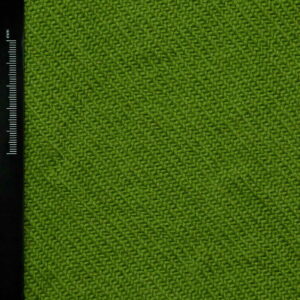
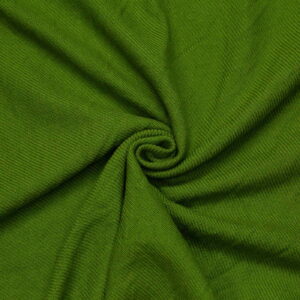
Wool fabrics are worth buying for several compelling reasons:

  1. Insulation: Wool provides excellent warmth, making it ideal for cold weather.
  2. Breathability: It regulates body temperature, keeping you comfortable in various climates.
  3. Durability: Wool is strong and resilient, ensuring long-lasting use.
  4. Moisture Management: It naturally wicks away moisture, keeping you dry.
  5. Odor Resistance: Wool's antibacterial properties prevent odors, even with prolonged wear.
  6. Sustainability: Wool is a renewable, biodegradable, and eco-friendly material.

Choosing wool fabrics combines comfort, functionality, and environmental benefits, making it a smart investment for quality and sustainability.

A herringbone pattern is a distinctive type of textile weave recognized by its characteristic zigzag design. This unique structure is achieved through an alternating arrangement of threads that creates a broken twill effect, forming the iconic V-shaped pattern. Typically, the weave alternates the direction of the diagonal lines every few rows, giving it the appearance of a series of interlocking chevrons.

Key characteristics of herringbone patterns include:

  1. Zigzag Design: A signature series of V-shaped lines that create a visually dynamic texture.
  2. Durability: The sturdy weave offers strength and resilience, making it ideal for long-lasting applications.
  3. Sophisticated Texture: Herringbone fabrics often exhibit a refined, elegant finish, enhancing their appeal for various uses.

Herringbone weaves are celebrated for their versatility, making them a popular choice in fashion, tailoring, and interior design due to their blend of strength, durability, and timeless aesthetic.

Colours in WoolSome

Color Disclaimer

Buying fabrics online is always a challenge, we know you can’t see them in person before making a decision. And yet, choosing the right color is crucial for the overall look of your garment and its details.

That’s why at Woolsome we do our best to represent our fabrics as accurately as possible. We use a professional photography studio and a dedicated color control system to ensure that our photos reflect reality as closely as possible.

However, please keep in mind that colors may vary slightly depending on your screen. The way they appear can be affected by:

  • your monitor or phone settings,
  • lighting conditions (natural or artificial),
  • the angle at which you view the screen.

Shades of red are particularly difficult to reproduce accurately on digital displays.

You may also notice that the main photo (a close-up of the fabric) appears slightly darker than images taken from a greater distance. This is a natural effect: both cameras and the human eye perceive color differently depending on light and perspective.

Please also note that many of our historical fabrics are woven using threads in two different colors (warp and weft). Up close, their structure is clearly visible, while from a distance the colors visually blend, creating a slightly different overall impression.

We want you to feel confident in your choice.

That’s why you can always order a sample before committing to a larger purchase. We also offer complete sample sets for each of our fabric collections.

Washing advice

Warning

Our fabrics are made from 100% natural wool. As a result, washing at too high a temperature may cause shrinkage or felting. We recommend carefully following the washing instructions and washing wool in max temperature 30°C to preserve their natural structure and quality.

Handwash

Handwash

Wash on a wool cycle

Wash on a wool cycle

Do not tumble dry

Do not tumble dry

Dry flat

Dry flat

Low heat iron

Low heat iron

Do not bleach

Do not bleach