


 STFCN - Silk Natural Taffeta Chinese



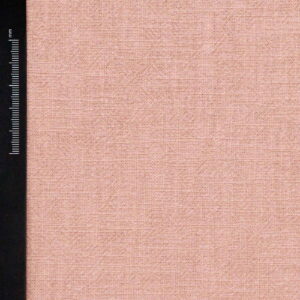
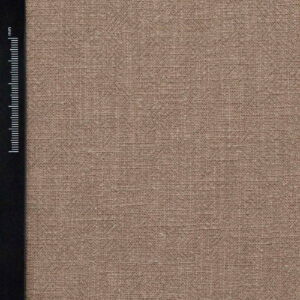
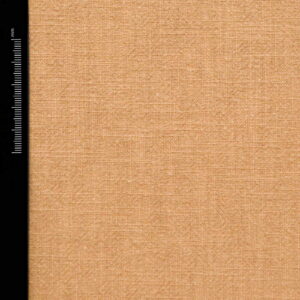
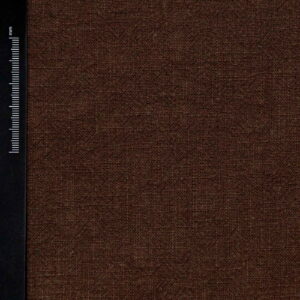
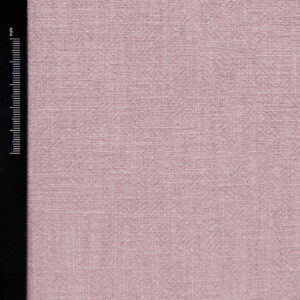
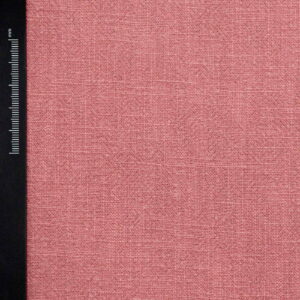

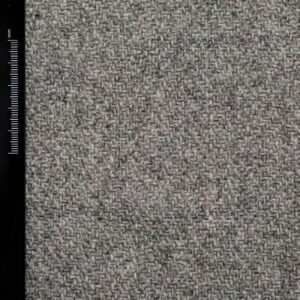







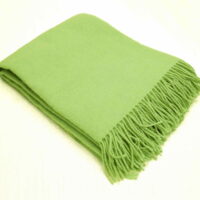
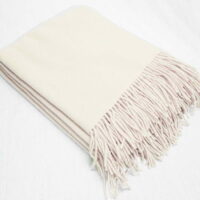
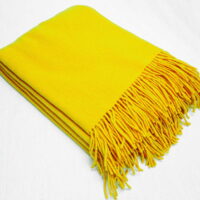




 Our textiles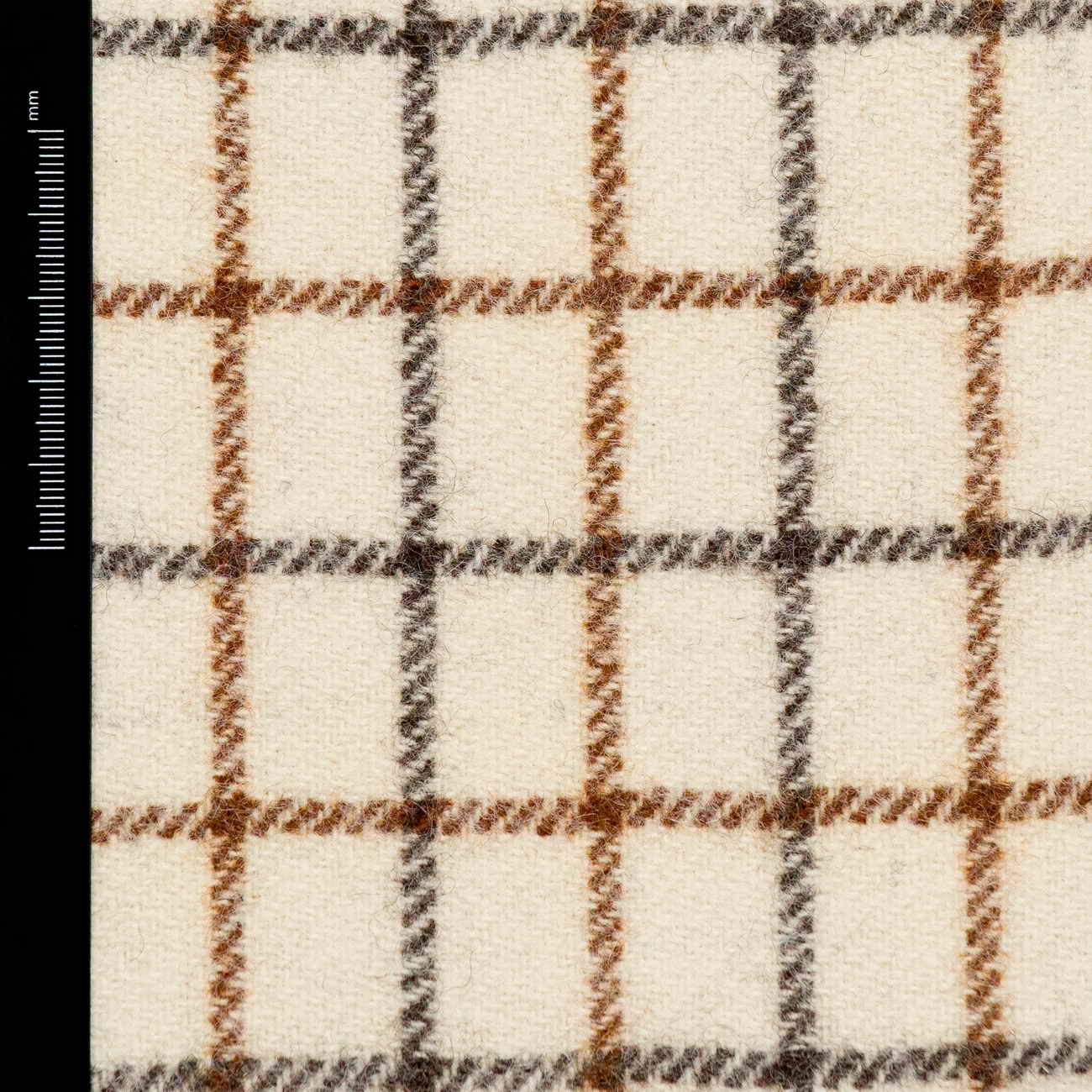

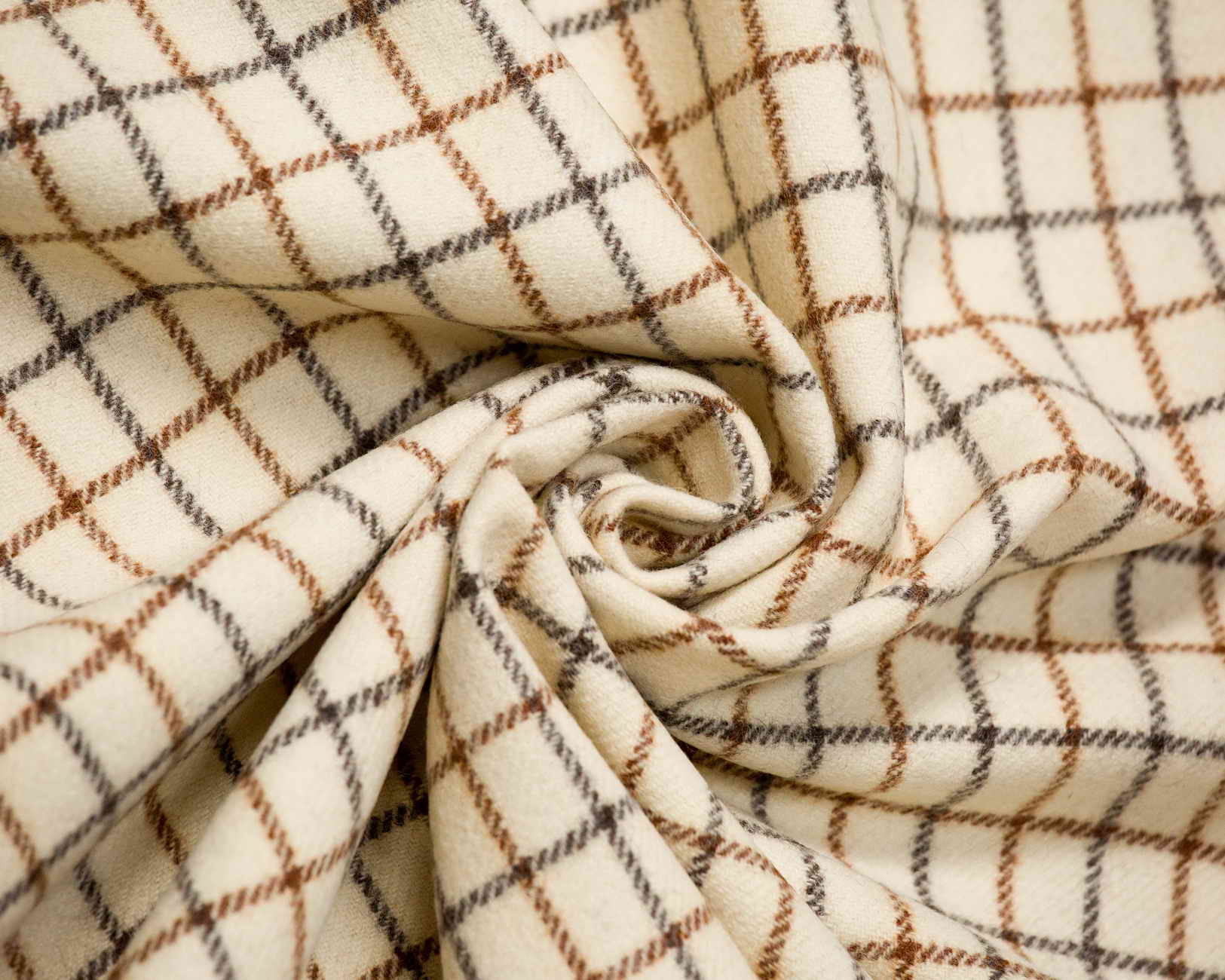
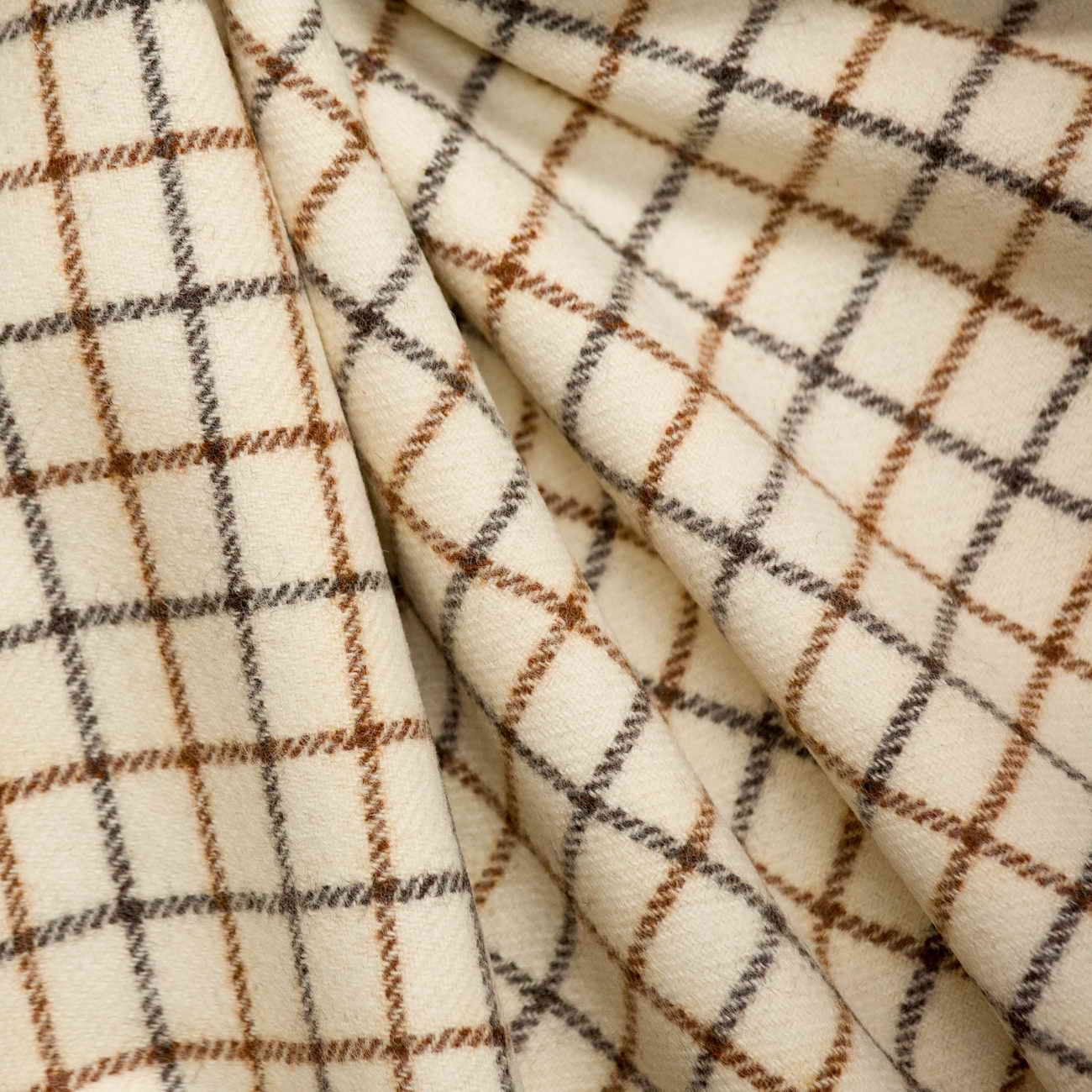


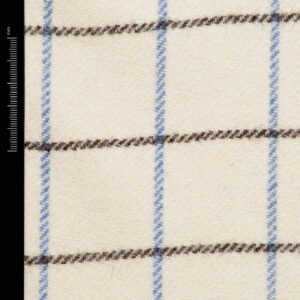

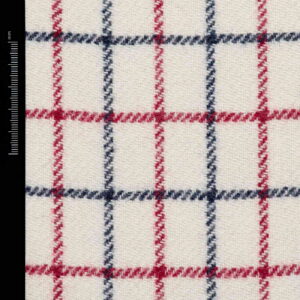


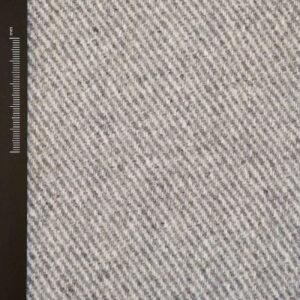
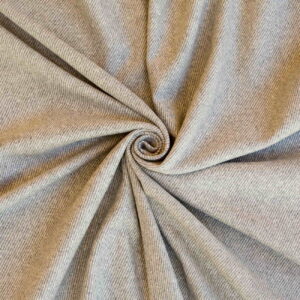


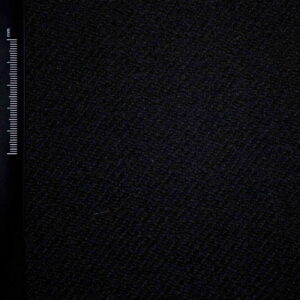
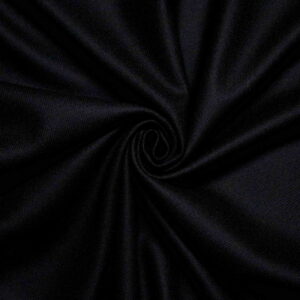
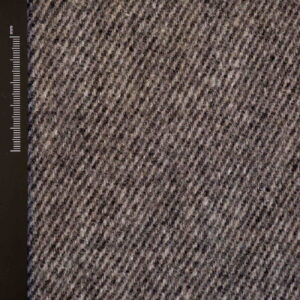
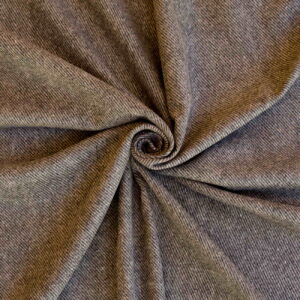


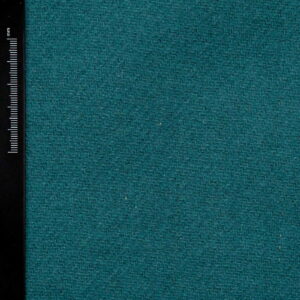


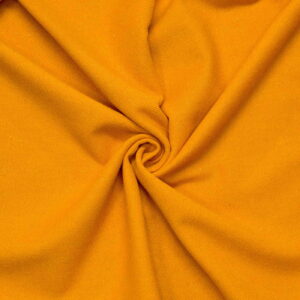

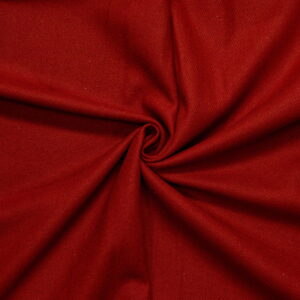


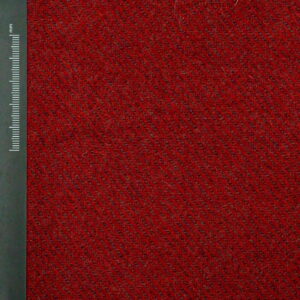
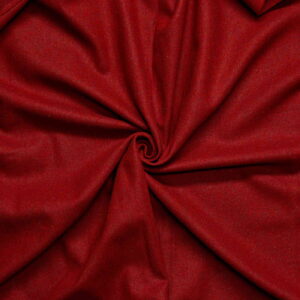
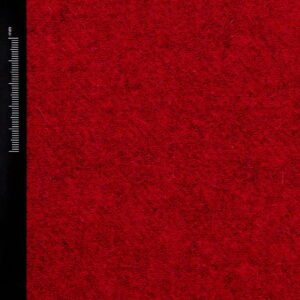


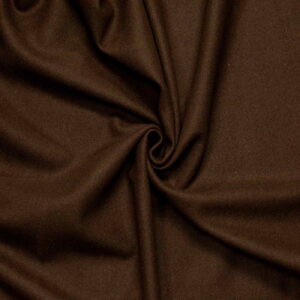

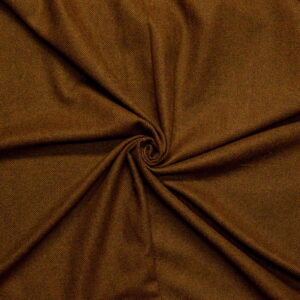
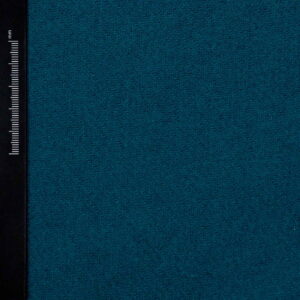

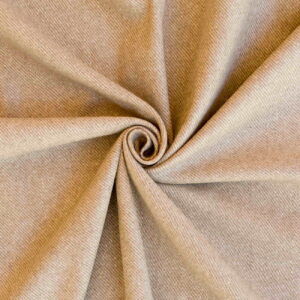

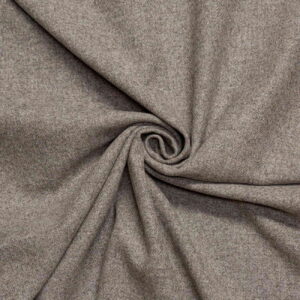

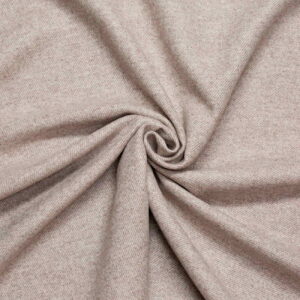

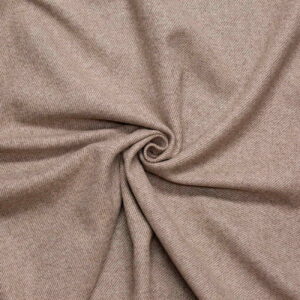


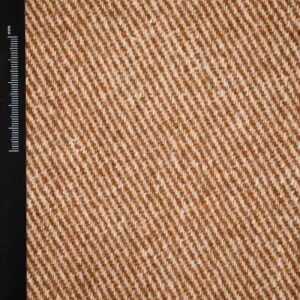
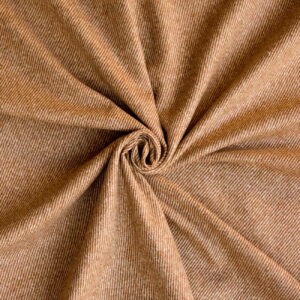


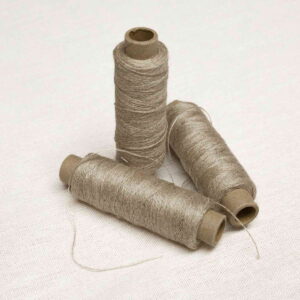
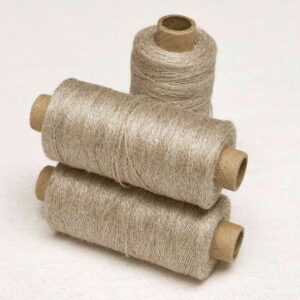


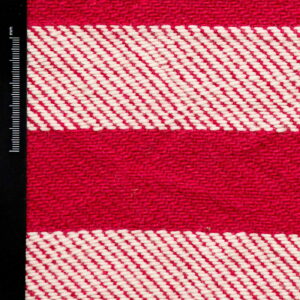
Checkered pattern textiles are wonderfully versatile and add a timeless, classic appeal to various projects.
- Clothing: Ideal for shirts, skirts, dresses, and jackets, checkered patterns are popular in fashion, from casual flannels to sophisticated wool coats and suits.
- Home Decor: Checkered textiles work beautifully in interiors, perfect for accent pillows, blankets, curtains, and tablecloths. They bring warmth and a cozy, rustic feel or a refined elegance, depending on the color and scale of the checks.
- Accessories: From scarves and hats to tote bags, checkered patterns make stylish accessories that add character to any outfit.
- Upholstery: Checkered fabrics can be used to cover chairs, benches, and sofas, adding a touch of classic or modern flair depending on the color scheme and check size.
- Children’s Projects: Checkered fabrics are great for kids’ clothing, blankets, and room decor, as they add fun patterns without being overly busy.
- Quilting: Perfect for quilt projects, checkered fabrics bring balance and structure to patchwork designs.
With a range of styles, colors, and scales, checkered textiles can suit everything from classic designs to bold, modern statements.
European wool is a type of wool sourced from sheep raised in Europe, primarily in countries such as Spain, France, Italy, and Germany. Wool from these regions, especially Spanish Merino wool, is highly valued worldwide for its unique properties.
European wool has excellent heat-retention abilities, making it ideal for colder climates. It possesses thermal insulation properties that keep warmth in low temperatures, while still allowing the skin to breathe in warmer conditions.
Natural wool fibers can absorb moisture from the environment (up to 30% of their weight) without feeling damp. This makes it comfortable to wear and helps regulate body temperature.
European wool is flexible and resilient, meaning it resists wrinkling and holds its shape well. Additionally, it is durable and can be used for many years without losing its qualities.
Wool is a natural fiber that is fully biodegradable and renewable. European producers often adhere to eco-friendly standards, minimizing environmental impact.
European wool combines comfort and durability with respect for the environment, making it a popular material in both the clothing and textile industries.
Woolen fabric is a versatile and high-quality material with several unique benefits, making it a worthwhile investment for various purposes:
- Durability and Longevity - Wool fibers are naturally elastic and resilient, allowing them to retain their shape and resist wear and tear over time. This makes woolen garments and fabrics long-lasting, reducing the need for frequent replacements.
- Thermal Regulation - Wool is an excellent insulator. It keeps you warm in winter by trapping air within its fibers and cool in summer by wicking away moisture. This makes wool ideal for all-season use.
- Moisture Absorption - Wool can absorb up to 30% of its weight in moisture without you feeling damp. This property ensures comfort in various weather conditions, making it perfect for garments, upholstery, and bedding.
- Breathability - The natural crimp in wool fibers allows fabrics to be breathable, preventing overheating and providing a comfortable experience.
- Sustainable and Eco-Friendly - Wool is a renewable resource, as sheep produce fleece annually. High-quality wool production also often supports ethical and environmentally friendly farming practices.
- Historical and Aesthetic Value - Wool fabrics, such as tweed or herringbone, carry a rich cultural history and timeless appeal. Their texture and appearance add a classic touch to clothing and interior design.
These advantages make wool an excellent choice for quality-conscious consumers who value durability, comfort, and sustainability.
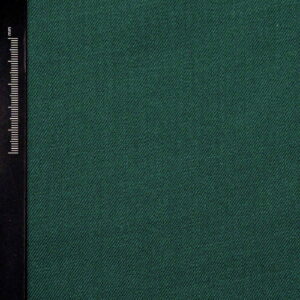
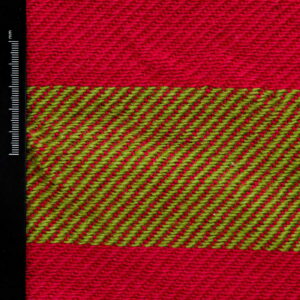
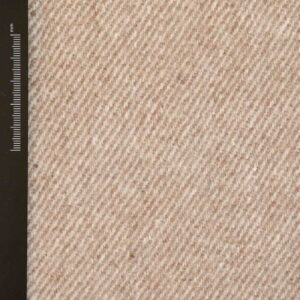
Twill is a type of textile weave characterized by a pattern of diagonal stripes. This distinctive pattern is created by weaving the wefts over and under the warp threads, usually in an “over two, under two” pattern (for a 2/2 twill). This method shifts the weave by two threads in each row, resulting in the diagonal lines that are the hallmark of twill fabric.
The main characteristics of twill patterns include:
- Twill stripes: Visible diagonal lines or stripes running through the fabric.
- Durability: The structure of the twill weave makes the fabric strong and resistant to wear.
- Texture: Twill fabrics often have a soft feel and texture, making them comfortable to wear.
Twill patterns are versatile and widely used in clothing, upholstery, and other textile applications due to their strength and attractive texture.