



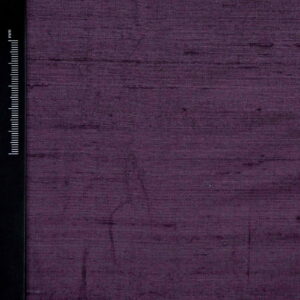
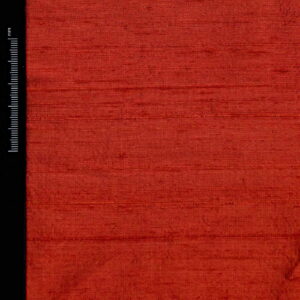
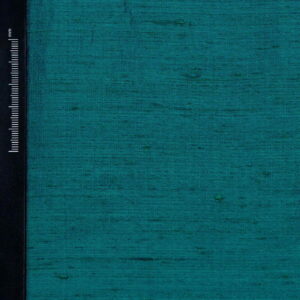
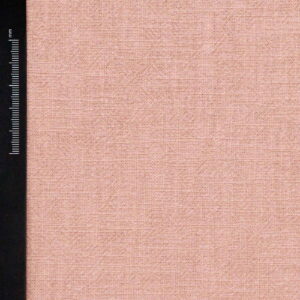
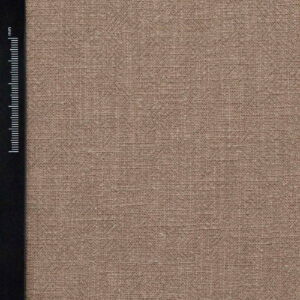
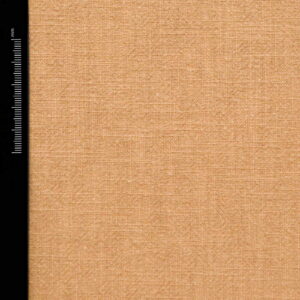
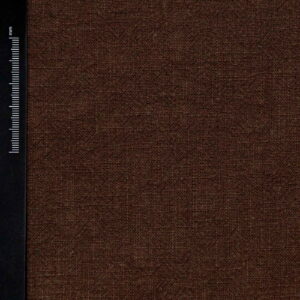
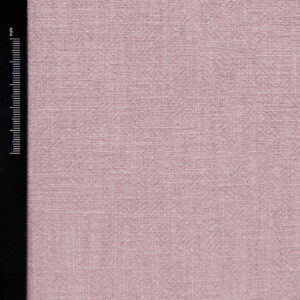
 STFCN - Jedwab Naturalny Tafta Chińska














Pomysły na nowe produkty
Niezależnie czy to nowy kolor w ramach istniejącej kolekcji WoolSome, czy zupełnie nowa jakość tkaniny, Twoja opinia ma znaczenie.
EKSPLORUJ istniejące pomysły, KOMENTUJ, a co najważniejsze GŁOSUJ, aby określić poziom zapotrzebowania na konkretny nowy produkt.
Oddawaj głosy tylko na te pomysły, w które wierzysz, że byłbyś gotów zakupić w naszym sklepie, gdyby zostały zrealizowane. Po oddaniu głosu będziemy informować Cię o przyszłych statusach pomysłu.
Chociaż nie jest wymagane uprzednie posiadanie konta na sklepie do oddawania głosów, prosimy jednak o podanie adresu e-mail, aby ułatwić kontakt z Tobą.
Jakkolwiek jesteśmy otwarci na wszystkie pomysły i dyskusje, prosimy wziąć pod uwagę, że :
OTWARTY – to pierwszy status po utworzeniu pomysłu, jest otwarty na komentarze i głoswanie.
ZAOPINIOWANY – po osiągnięciu pewnego progu głosów, pomysł przyciągnie naszą uwagę, a my przyśpieszymy decyzję, co z nim zrobić. W większości przypadków oznacza to przekształcenie pomysłu w fazę produkcji tak szybko, jak to możliwe.
ZATWIERDZONY – po zaopiniowaniu pomysłu zostanie wyprodukowany nowy produkt.
ODRZUCONY – po dokładnym rozważeniu zdecydowaliśmy się nie skorzystać z pomysłu. Dodatkowe spostrzeżenia i powody zostaną udostępnione w ostatnim komentarzu.
W PRODUKCJI – status informujący, że wybrany produkt jest obecnie w fazie produkcji.
UKOŃCZONY – produkt lub grupa produktów została w końcu wyprodukowana i dostarczona do naszego sklepu. Linki do tych produktów zostaną podane w ostatnim komentarzu, aby ułatwić ich znalezienie na naszych stronach.
Oddawaj głosy tylko na te pomysły, w które wierzysz, że byłbyś gotów zakupić w naszym sklepie, gdyby zostały zrealizowane. Po oddaniu głosu będziemy informować Cię o przyszłych statusach pomysłu.
Chociaż nie jest wymagane uprzednie posiadanie konta na sklepie do oddawania głosów, prosimy jednak o podanie adresu e-mail, aby ułatwić kontakt z Tobą.
Jakkolwiek jesteśmy otwarci na wszystkie pomysły i dyskusje, prosimy wziąć pod uwagę, że :
OTWARTY – to pierwszy status po utworzeniu pomysłu, jest otwarty na komentarze i głoswanie.
ZAOPINIOWANY – po osiągnięciu pewnego progu głosów, pomysł przyciągnie naszą uwagę, a my przyśpieszymy decyzję, co z nim zrobić. W większości przypadków oznacza to przekształcenie pomysłu w fazę produkcji tak szybko, jak to możliwe.
ZATWIERDZONY – po zaopiniowaniu pomysłu zostanie wyprodukowany nowy produkt.
ODRZUCONY – po dokładnym rozważeniu zdecydowaliśmy się nie skorzystać z pomysłu. Dodatkowe spostrzeżenia i powody zostaną udostępnione w ostatnim komentarzu.
W PRODUKCJI – status informujący, że wybrany produkt jest obecnie w fazie produkcji.
UKOŃCZONY – produkt lub grupa produktów została w końcu wyprodukowana i dostarczona do naszego sklepu. Linki do tych produktów zostaną podane w ostatnim komentarzu, aby ułatwić ich znalezienie na naszych stronach.
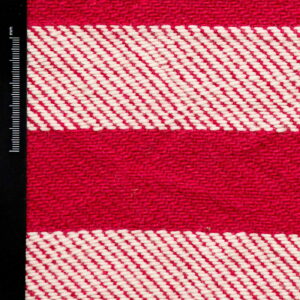
- 29Horizontally striped woolsApparently quite popular back then and close to impossible to get nowadays are fabrics with horizontal stripes. There could be a variety of background colours with white stripes. I imagine twill would... Czytaj dalej...
- 24Hallstatt woolsThe fabrics from the salt mines are mainly woollen and some are of extraordinarily fine quality. These woollens were woven on warp-weighted looms that could produce not only a plain tabby but more com... Czytaj dalej...
- 21Extra-Wide WoolWhen trying to recreate the Roman Toga, we run into a frequent issue. The toga was a very wide woolen garment, roughly 4 yards by 6 yards. Romans were able to achieve this with incredibly wide loo... Czytaj dalej...
- 15Color chart based on historical dyes copyI would like a rethinked tint chart that offer wool colors base on historical dyes. Most of my reenactors friends are looking for tints that reflect what historical dyes could offer as primary and ... Czytaj dalej...
- 132/1 twill wool2/1 twill appears in many cultures and periods. A wide variety of colors and weights in that weave would be most appreciated!
- 10More colours of linen threadMore shades of the linen threads would be great for better matching with different fabrics.
- 8Worsted wool (Herdwick?)I have been testing many different types of wool and find that worsted wool is extremely effective for wind and water ressistance whilst being very light, however my problem is that there are not many... Czytaj dalej...
- 8Wool broadclothWool broadcloth was used in medieval clothing from the 11th century onward, and is useful because when cut it doesn’t unravel. It would be great to have it in vibrant colors, especially those that are... Czytaj dalej...
- 7FleeceSince there are already natural dyes and yarn, so why not sheep fleece from primitive breeds such as Soay, Icelandic, Shetland, Manx Loaghtan, Wrzosówka, or Świniarka. And I think it would be better i... Czytaj dalej...
- 6Silk VelvetMedium heavy to heavy silk Velvet (or silk viskose velvet) for the reconstruction of 1870-1900 fancy dresses and coats. Not the light and "watery" Velvet from 1920 onwards. That would be awesome! Co... Czytaj dalej...
- 6White Thin Diamond from WQDWhite thin diamond or broken diamond weave wool in ca 200 g/sqm for dyeing. Small diamond size of 1 cm or in rhomboidal 1 x 1,5 cm. Something similar to the sample on the picture attached
- 4Wool from GieczThe raw material was not specified, but the warp (O) and weft (W) fibers - compared to other analyzes - belong to a coarser grade (0.039 [O] and 0.042 mm [W]), which guaranteed obtaining a "stronger" ... Czytaj dalej...
- 4Checked Falkirk woolThe Falkirk tartan is what is known as a 2-over-2 weft-chevron twill. Undyed light brown and dark brown checked pattern from the 3rd century. https://falkirklocalhistory.club/wp-content/upload... Czytaj dalej...
- 4Linen Herringbone WeaveI'd really love some good linen herringbone weave options as we already have some diamond weaves!
- 4GOTS or OEKO-TEX certified woolI think it could be useful to had a GOTS or OEKO-TEX certified wool (maybe in thin and/or medium weight) for people who try to be respectful towards the environment in their fabric consumption. I saw ... Czytaj dalej...
- 4Emerald green/black (changeant/shot) silk satin or taffetaSo, basically, an emerald green (somewhere between RGB #047201 to #034601 would give you a good idea) silk woven with black silk. I've been looking for this kind of fabric everywhere, to no avail--it'... Czytaj dalej...
- 4LEG WRAPS!White, basic ones in herringbone or basic diagonal twill. Honestly, even plain twill would be perfect. My clients often ask me about some plantdyed leg wraps and I would love to have a good source of ... Czytaj dalej...
- 4Nettle FabricIt's almost impossible to find pure fabric made of stinging nettle for neolithic reenactment.
- 4Vertical Stripes (Roman Clavi)One of the main limitations for recreating Roman attire from the Classical period is that the clavi stripes featured on the tunicae of higher class Romans were typically woven into the tunic on the lo... Czytaj dalej...
- 3Broad StripesI really would like to see a fabric where those iconic thick stripes (as seen in this case in yellow and red) are present. It can be found in quite a few illustrations from the time but is nowhere t... Czytaj dalej...
- 3
- 2
- 2Wool in satin weaveIts something between clasic wool fabrics and silk fabrics on period rich scale. It has a smooth shine and apears in sources in different names, for example "haras"
- 2Silk StripesI would love a selection of Striped Silks, in soft colours, like rose and green, ivory and blue, and so on. I do think it would bea hit with Rococo enthusiasts.
- 2Silk brocadesI would really love to see some silk brocades in late medieval patterns for higher class impressions.
- 1Broad StripesI really would like to see a fabric where those iconic thick stripes (as seen in this case in yellow and red) are present. It can be found in quite a few illustrations from the time but is nowhere t... Czytaj dalej...
- 1Mixed YarnsIn "Textiles and Clothing, c.1150-1450: Medieval Finds from Museum of London Excavations" by Francis Grew and Margrethe de Neergaard, they reference several examples of fabrics that combine different ... Czytaj dalej...